Bleeding the brakes on your Jeep is more than a maintenance task it’s a safety essential. Air trapped inside brake lines can make your brake pedal feel soft and reduce stopping power.
Whether you’ve changed your brake fluid, replaced a caliper, or noticed spongy brakes, learning how to bleed Jeep brakes will help keep your vehicle safe and responsive.
This guide covers the process step by step, with tips and practical advice so even beginners can do the job confidently.
Why Bleeding Jeep Brakes Matters
Brakes rely on hydraulic pressure. When air enters the brake lines, it compresses, causing a loss in braking efficiency. Even a tiny air bubble can make the pedal feel mushy or delay braking response. Jeep owners often drive in tough conditions, so well-maintained brakes are crucial. Regular bleeding helps:
- Remove old fluid and air bubbles
- Restore firm pedal feel
- Prevent corrosion inside brake components
According to NHTSA, over 22% of brake-related crashes involve poor maintenance. Bleeding brakes is a simple way to avoid these risks.
Tools And Materials You Need
Before starting, gather the right tools. Using the correct items makes the job easier and prevents mistakes.
- Brake fluid (DOT 3 or DOT 4, check your Jeep’s manual)
- Wrench (usually 10mm or 11mm for bleeder valves)
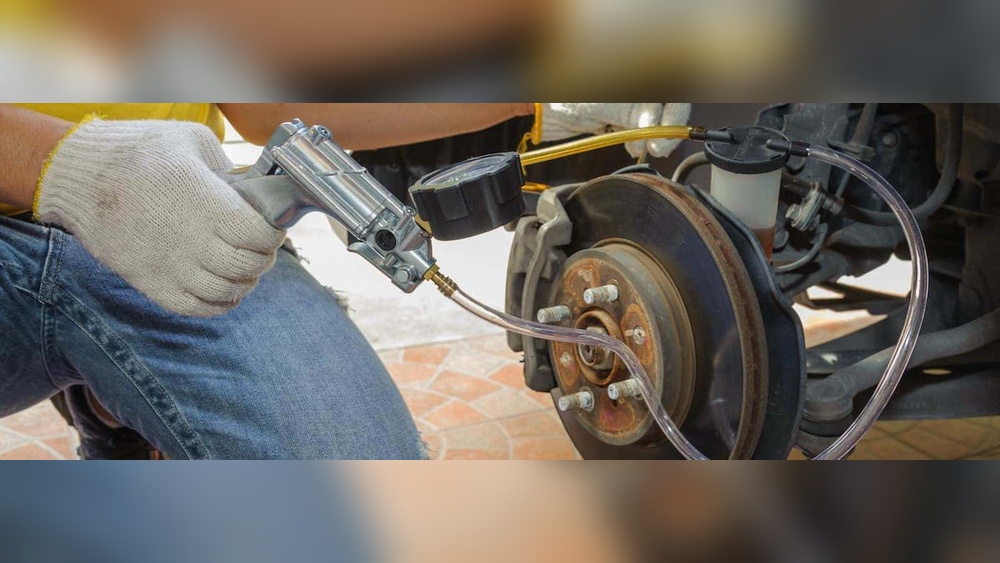
- Brake bleeder kit or clear tubing and catch bottle
- Jack and jack stands
- Wheel chocks
- Safety gloves and goggles
- Rags for cleanup
Having everything ready saves time and reduces stress.
Step-by-step Guide: How To Bleed Jeep Brakes
Follow these steps carefully to avoid problems and get the best results.
- Park and Prepare: Park your Jeep on a flat surface. Use wheel chocks for safety. Wear gloves and goggles.
- Lift the Vehicle: Use a jack to lift each corner. Secure with jack stands.
- Check Brake Fluid: Open the master cylinder. Fill with new brake fluid to the “MAX” line.
- Locate Bleeder Valves: Each brake caliper has a bleeder valve. Usually, start with the wheel farthest from the master cylinder (often rear passenger), then move closer.
Bleeding Process
- Attach clear tubing to the bleeder valve. Place the other end in a catch bottle.
- Have a helper press the brake pedal slowly and hold.
- Loosen the bleeder valve with a wrench. Fluid and air bubbles will flow out.
- Tighten the valve before your helper releases the pedal.
- Repeat until only clear fluid (no bubbles) comes out.
- Move to the next wheel in sequence.
Always check the master cylinder and refill fluid as needed. Don’t let it run dry air will enter the system again.
Recommended Bleeding Sequence
For most Jeeps, use this order for best results:
- Rear passenger
- Rear driver
- Front passenger
- Front driver
Check your owner’s manual for confirmation.
Comparison Of Bleeding Methods
There are several ways to bleed brakes. Here’s a look at the most common:
| Method | Requires Helper | Best For | Difficulty |
|---|---|---|---|
| Manual Bleeding | Yes | DIYers | Easy |
| Gravity Bleeding | No | Solo Work | Medium |
| Pressure Bleeding | No | Professionals | Hard |
Manual bleeding is the most common for Jeep owners. Gravity bleeding works but takes longer.
Pressure bleeding is fast and efficient, but needs special tools.
Common Mistakes And How To Avoid Them
Many beginners make simple mistakes. Here are two that often cause trouble:
- Letting the master cylinder run dry: Always check fluid after each wheel. If empty, air enters again.
- Over-tightening bleeder valves: Tighten just enough to seal. Too much can strip threads or break the valve.
Another mistake is using the wrong brake fluid. DOT 3 and DOT 4 are not interchangeable. Always check your Jeep’s manual.
Signs Your Jeep Brakes Need Bleeding
If you’re unsure whether bleeding is needed, watch for these signs:
- Spongy brake pedal
- Longer stopping distance
- Brake warning light
- Fluid leaks near calipers
Driving with any of these symptoms can be dangerous. Bleeding the brakes often solves the problem.
Practical Tips For Success
Even with the right steps, a few extra tips make the process easier:
- Use a clear tube so you see air bubbles leaving.
- Label brake fluid bottles. Old fluid looks darker—never reuse it.
- Keep a catch bottle low to prevent fluid spilling on paint.
- Always work in a well-ventilated area. Brake fluid fumes are harmful.
Here’s a quick comparison of DOT 3 vs DOT 4 fluid, often used in Jeeps:
| Type | Boiling Point (Dry) | Color | Compatibility |
|---|---|---|---|
| DOT 3 | 205°C (401°F) | Clear | Older Jeeps |
| DOT 4 | 230°C (446°F) | Clear/Yellow | Modern Jeeps |
Using the right fluid ensures safe, reliable braking.
How Often Should You Bleed Jeep Brakes?
Most Jeep owners should bleed brakes every 2 years or after any brake work. If you drive in mud, water, or rough terrain, do it more often—fluid absorbs moisture, which lowers boiling point and performance.
Jeep Brake Bleeding Vs Other Vehicles
Jeep brakes are built for rugged driving. Compared to sedans or sports cars, Jeeps often need bleeding more frequently due to off-road conditions. Here’s a quick comparison:
| Vehicle Type | Bleeding Frequency | Reason |
|---|---|---|
| Jeep (off-road) | Every 1-2 years | Rough terrain, water exposure |
| Sedan | Every 2-3 years | City driving |
| Sports car | Yearly | High performance |
Knowing this helps you plan maintenance.
Frequently Asked Questions
How Long Does Bleeding Jeep Brakes Take?
Bleeding all four brakes usually takes 30–60 minutes. If you’re new, add extra time for setup and cleanup.
Can I Bleed Brakes Alone?
Yes, but it’s easier with a helper. Gravity bleeding and one-person bleeder kits make solo work possible.
What Happens If I Use The Wrong Brake Fluid?
Wrong fluid can damage seals and reduce braking power. Always check your Jeep’s manual for the correct type.
How Do I Know If All Air Is Out Of The System?
A firm brake pedal and no visible bubbles in the fluid mean air is gone. Test drive carefully to confirm.
Is Bleeding Brakes Different For Jeep Wrangler Vs Cherokee?
The process is mostly the same. Always check bleeder valve size and fluid type for your specific model. For more Jeep brake specs, visit Jeep Official Site.
Bleeding your Jeep brakes is a smart way to improve safety, prevent costly repairs, and enjoy confident driving. With the right tools and careful steps, you can do it yourself and keep your Jeep ready for any adventure.