Bleeding the brakes on your Jeep Cherokee is more than just a maintenance task—it’s about safety and performance. Over time, air can get trapped in the brake lines, making your brake pedal feel soft or spongy. If left unchecked, this reduces stopping power and could lead to dangerous situations. The good news is, with a bit of patience and some basic tools, you can bleed your brakes at home and restore that firm pedal feel.
Tools And Supplies You Need
Before starting, gather everything you need. Having the right tools prevents delays and mistakes.
- Brake fluid (DOT 3 or DOT 4 for most Jeep Cherokees—check your manual)
- Clear plastic tubing (about 2 feet)
- Empty plastic bottle
- Wrench (usually 8mm or 10mm for bleeder screws)
- Jack and jack stands
- Lug wrench
- Safety glasses and gloves
- Friend or helper (optional, but makes the job easier)
- Turkey baster (for removing old fluid from reservoir)
- Shop towels or rags
Never mix different brake fluid types. Always use new, unopened fluid to avoid contamination.
How Brake Bleeding Works
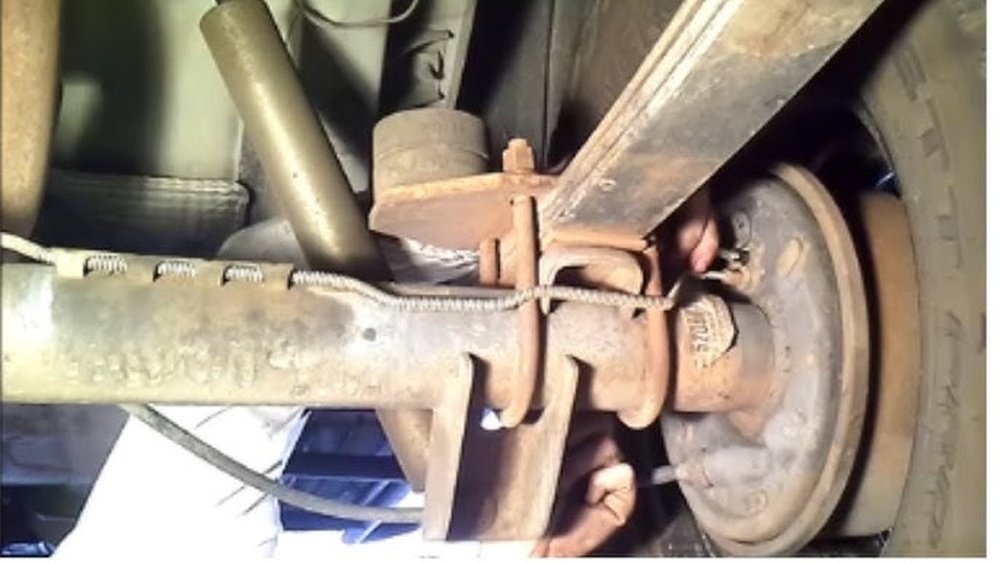
When you press the brake pedal, hydraulic fluid pushes brake pads against the rotors. Air bubbles in the lines compress easily, making the pedal soft. Bleeding removes these bubbles by forcing fresh fluid through the system, pushing air out of the bleeder screws at each wheel.
Step-by-step Brake Bleeding Process
1. Prepare Your Jeep Cherokee
Park on a level surface and turn off the engine. Loosen the lug nuts slightly, then raise the vehicle with a jack.
Place jack stands securely under the frame. Remove all four wheels for easy access to the brakes.
2. Check And Top Off Brake Fluid
Open the hood and locate the brake master cylinder reservoir. Clean the cap area to avoid dirt falling in, then remove the cap. Use a turkey baster to suck out old fluid if it’s dark or dirty. Fill the reservoir with fresh brake fluid up to the “MAX” line.
3. Identify The Bleeding Sequence
Follow the correct order for your Jeep Cherokee. Most models use this sequence:
- Right rear
- Left rear
- Right front
- Left front
Always start with the brake farthest from the master cylinder and work closer.
4. Attach Tubing And Prepare To Bleed
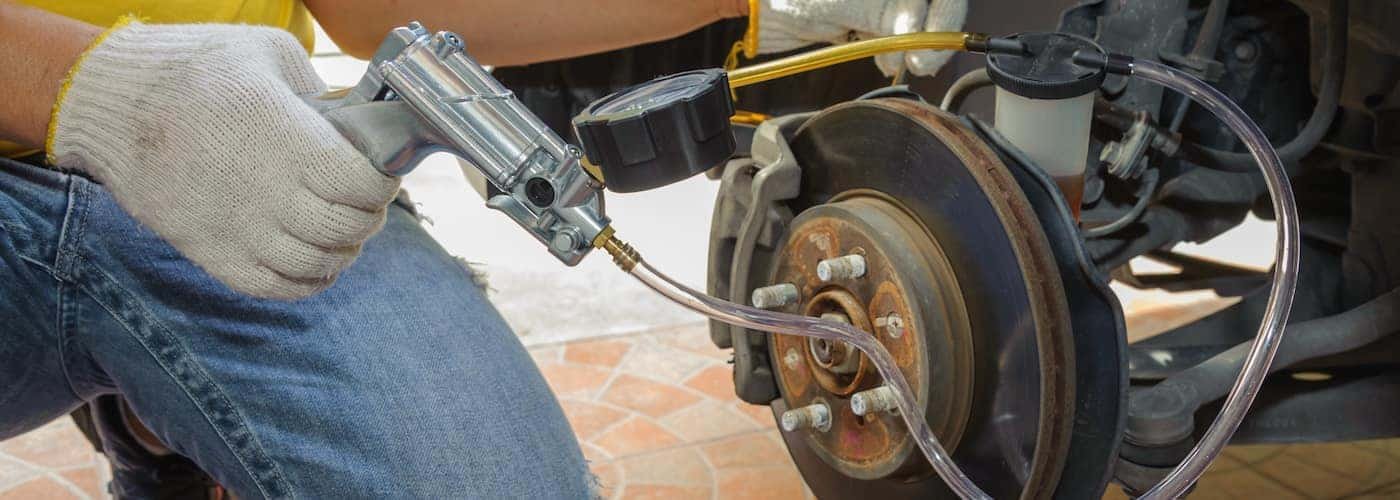
Slip one end of the clear plastic tubing over the bleeder screw. Place the other end in a bottle with a bit of brake fluid to cover the tube’s tip.
This prevents air from being sucked back in.
5. Begin Bleeding
Ask your helper to sit in the driver’s seat. Instruct them to slowly pump the brake pedal three to five times, then hold it down.
Use your wrench to loosen the bleeder screw about a quarter turn. Old fluid and air bubbles will flow into the tubing.
When fluid stops, tighten the screw and tell your helper to release the pedal. Repeat until only clear fluid comes out with no bubbles.
6. Move To The Next Wheel
Repeat the process for each wheel in the correct order. Check the brake fluid reservoir after each wheel.
Never let it run low, or you’ll introduce more air.
7. Final Checks
When done, top off the reservoir to the “MAX” line. Reinstall the wheels, hand-tighten lug nuts, lower the Jeep, then torque the lug nuts to the recommended setting.
Test the brake pedal it should feel firm. Take a slow test drive and check for leaks or warning lights.
Comparing Brake Bleeding Methods
Different ways to bleed brakes suit different needs. Here’s a quick comparison:
| Method | Pros | Cons |
|---|---|---|
| Two-person (manual) | Simple, no special tools | Needs a helper, can take longer |
| One-person kit | Works solo, less mess | Kit cost, learning curve |
| Pressure bleeder | Fast, very thorough | Expensive, setup time |
For most Jeep Cherokee owners, the manual two-person method is reliable and cost-effective.
When Should You Bleed Your Brakes?
It’s not just about routine maintenance. Watch for these signs:
- Spongy or soft brake pedal
- Increased stopping distance
- After replacing brake lines or calipers
- Following a brake fluid flush
Experts recommend bleeding brakes every two years, or whenever the fluid looks dark.
Common Mistakes To Avoid
Bleeding brakes isn’t hard, but small mistakes can cause bigger problems.
- Letting the reservoir run dry. This introduces more air and means starting over.
- Using the wrong brake fluid. Always check your owner’s manual.
- Not tightening bleeder screws enough, which can cause leaks.
- Skipping wheels or doing them in the wrong order.
- Not cleaning up spilled fluid—brake fluid eats paint quickly.
Jeep Cherokee Brake Fluid Types By Year
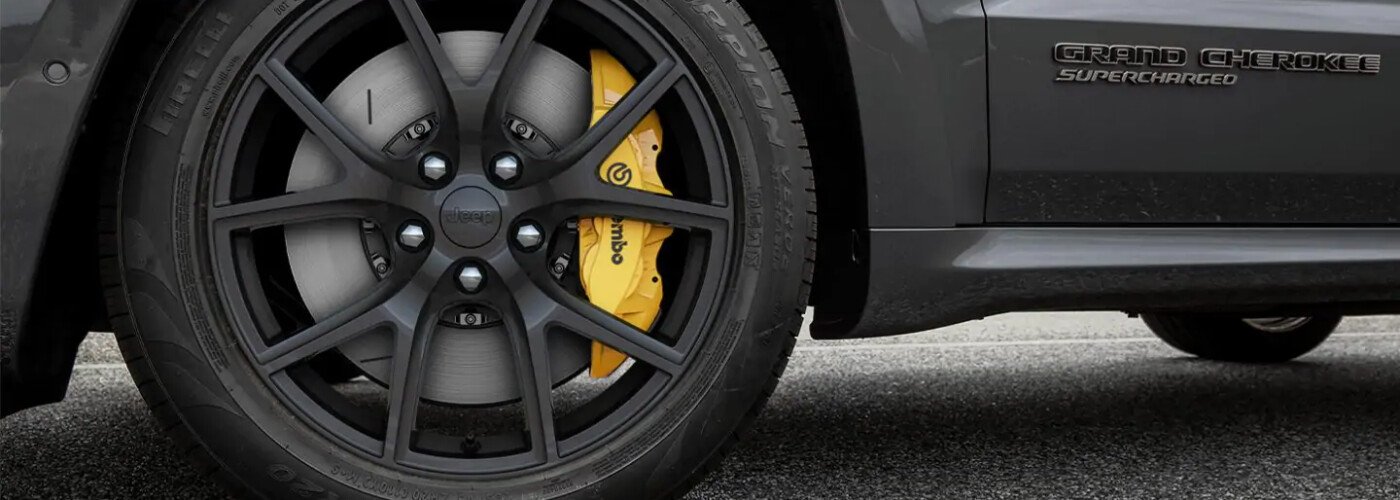
Check your manual, but here’s a quick reference:
| Year Range | Recommended Fluid |
|---|---|
| 1984–2001 (XJ) | DOT 3 |
| 2002–2012 (KJ/KK) | DOT 3 or DOT 4 |
| 2014–present (KL) | DOT 4 |
Always confirm with your vehicle’s specs for best results.
Pro Tips For Success
- Use a catch bottle with a check valve for less mess.
- If a bleeder screw is stuck, spray penetrating oil and let it soak.
- Tap lightly on the caliper to help free stubborn air bubbles.
- Dispose of old brake fluid safely—it’s toxic and can’t be poured down drains.
Frequently Asked Questions
What Happens If I Don’t Bleed My Brakes Properly?
Air in the brake lines makes your brakes feel soft and less effective. In emergencies, this can mean slower stopping or even brake failure.
How Often Should I Bleed My Jeep Cherokee Brakes?
Most experts suggest every 2 years or 24,000 miles, but always after any brake repairs or if you notice a spongy pedal.
Can I Bleed Brakes Without A Helper?
Yes, with a one-person bleeder kit or pressure bleeder. These tools allow you to control the process alone, but read instructions carefully.
What Type Of Brake Fluid Does My Jeep Cherokee Need?
Most Cherokees use DOT 3 or DOT 4. Always check your manual or under the reservoir cap for the exact type.
Where Can I Learn More About Brake Systems?
The National Highway Traffic Safety Administration has valuable safety resources. Visit their site at NHTSA Brakes Information for more details.
Taking time to bleed your brakes correctly keeps your Jeep Cherokee safe and responsive. With a bit of care and the right approach, you’ll enjoy peace of mind on every drive.


















