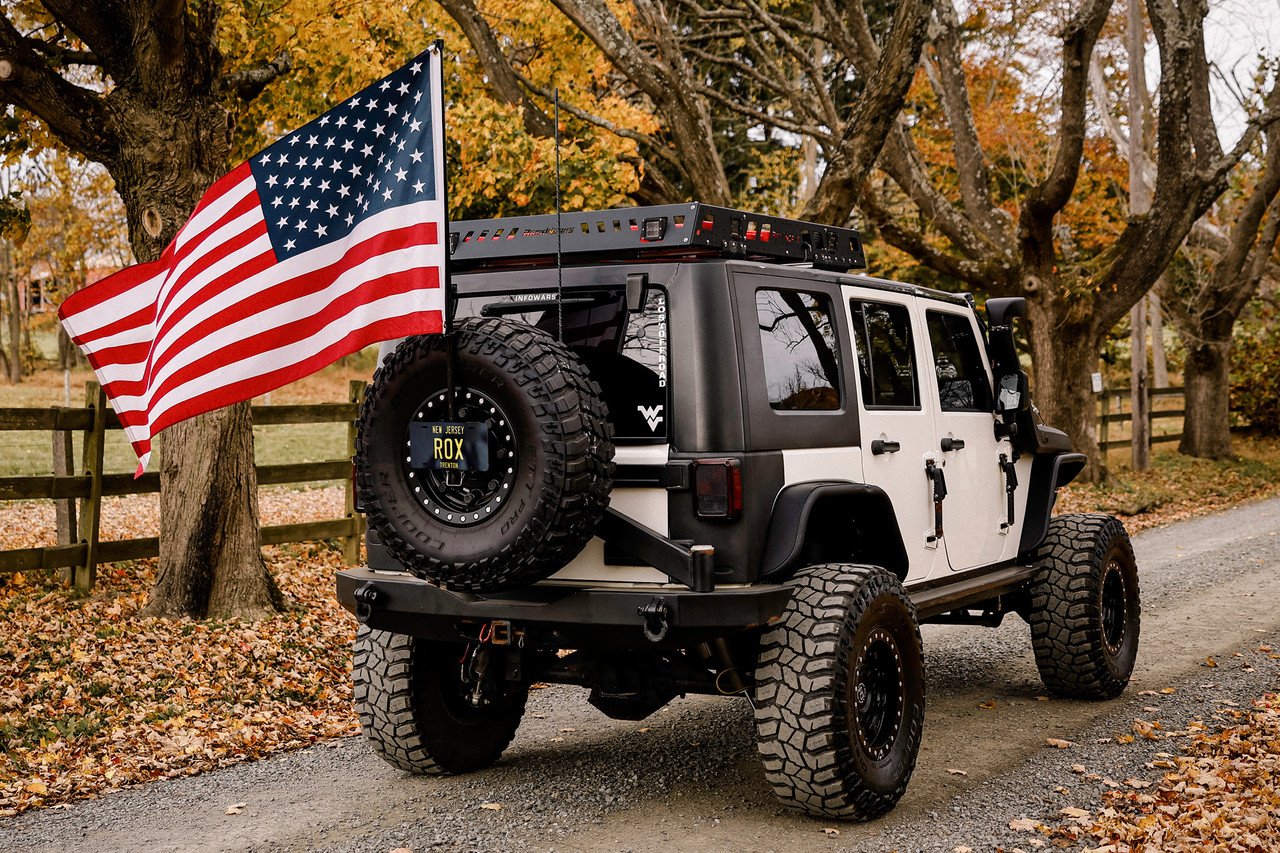
Mounting a flag on your Jeep is more than just adding a decoration. It can show off your personality, support a cause, or make your vehicle stand out on the trail.
However, attaching a flag securely is important for safety and to avoid damage to your vehicle.
This guide will walk you through the best ways to attach a flag to your Jeep, what tools you need, and practical advice to help you do it right the first time.
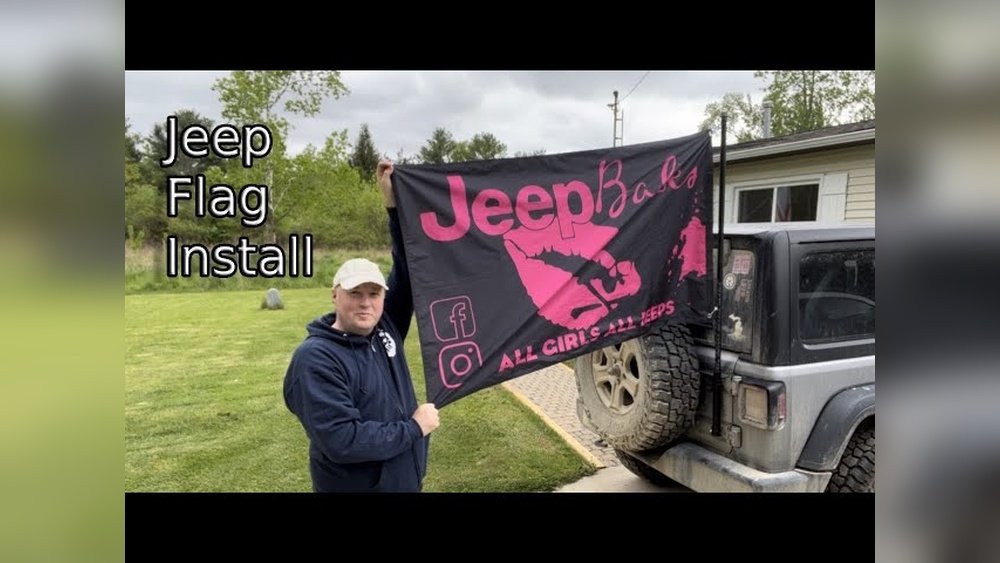
Why Attach A Flag To Your Jeep?
Flying a flag can serve several purposes. Some Jeep owners display a patriotic flag or their favorite sports team. Others use flags as trail markers for off-roading, which helps with visibility in dust or hilly terrain. No matter your reason, a well-attached flag can make your Jeep safer and more unique.
Types Of Flag Mounts For Jeeps
Choosing the right flag mount depends on your Jeep model and how you use your vehicle. Here’s a comparison of the most common mounting options:
| Mount Type | Best For | Installation Difficulty | Pros | Cons |
|---|---|---|---|---|
| Hitch Mount | Temporary flags, off-roading | Easy | No drilling, removable | Blocks hitch use |
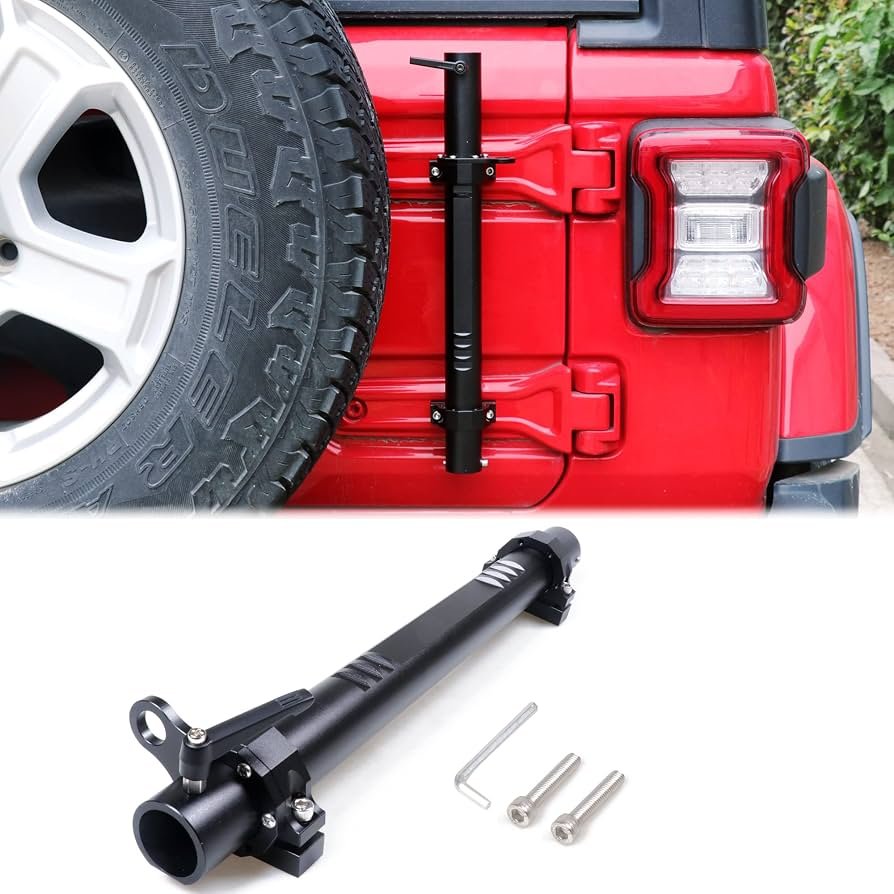
| Spare Tire Mount | Frequent flag use | Medium | Sturdy, visible | May block rear camera |
| Clamp Mount | No drilling, leased Jeeps | Easy | No vehicle damage | Less sturdy |
| Drilled Mount | Permanently mounted flags | Hard | Very secure | Requires drilling |
Tools And Materials You’ll Need
Before you start, gather these items:
- Flagpole (fiberglass or aluminum, 3-6 feet)
- Flag (nylon or polyester, 12×18 to 3×5 feet)
- Mounting hardware (depends on mount type)
- Wrenches or socket set
- Drill (if using drilled mount)
- Zip ties or clamps (for extra security)
- Thread locker (to prevent bolts from loosening)
Quality matters. Choose a sturdy flagpole that can handle wind, and make sure your flag is designed for vehicle use.
Step-by-step: Attaching A Flag To Your Jeep
1. Select The Right Mount
Think about your daily use. If you go off-road, a hitch mount or spare tire mount is ideal. For city driving, a clamp or magnetic mount may be enough. Don’t forget to check your Jeep model’s compatibility.
2. Assemble The Flag And Pole
Attach your flag to the flagpole using the included clips or grommets. If your flag does not have grommets, use zip ties, but make sure they are tight and trimmed to avoid flapping.
3. Install The Mount
- Hitch Mount: Slide the mount into your Jeep’s hitch receiver. Secure with the hitch pin.
- Spare Tire Mount: Remove the spare tire if needed. Attach the mount to the carrier using bolts. Reinstall the tire.
- Clamp Mount: Place the clamp on the tailgate or bumper edge. Tighten with a wrench.
- Drilled Mount: Mark the spot, drill the hole, and bolt the mount securely.
4. Attach The Flagpole
Insert the flagpole into the mount. Tighten any set screws or bolts so the pole does not wobble. Use thread locker for extra security.
5. Test For Stability
Before driving, shake the pole gently. There should be no wiggle or rattling. Drive slowly at first to check if the flag stays secure.

Example: Hitch Mount Installation
Many Jeep owners prefer the hitch mount for its simplicity. Here’s a quick reference:
| Step | Action | Tip |
|---|---|---|
| 1 | Insert flag mount into hitch receiver | Remove any hitch covers first |
| 2 | Secure with hitch pin | Use a locking pin for extra theft protection |
| 3 | Insert flagpole and tighten bolts | Apply thread locker for rough terrain |
Practical Tips Most Beginners Miss
- Flag size matters: Large flags create more drag. Use a smaller flag for highway speeds to avoid damaging the mount or flagpole.
- Flagpole angle: Some mounts allow you to adjust the angle. A slight backward tilt reduces stress on the pole when driving fast.
- Routine checks: Inspect your mount and hardware after every trip, especially if you drove off-road. Vibration can loosen bolts without warning.
- Legal considerations: Some states have rules about flag size and placement. Check local laws to avoid fines.
- Night driving: If your flag blocks taillights or signals, add a reflective strip or light to stay visible.
Common Mistakes To Avoid
- Using a plastic pole for large flags. It can snap in strong wind.
- Mounting the flag where it blocks your rear camera or license plate.
- Forgetting to remove the flag before automatic car washes.
- Using weak zip ties instead of proper clips or clamps.
- Over-tightening bolts, which can strip threads or crack mounts.
Maintenance And Care
A flag on your Jeep faces wind, rain, and sun. For longer life:
- Remove the flag during storms or high winds.
- Wash the flag occasionally to remove dirt.
- Check for tears or frayed edges and replace as needed.
- Lubricate metal mounts to prevent rust.
When To Remove The Flag
Not every drive is flag-friendly. Remove your flag before:
- Entering parking garages with low clearance.
- Using automatic car washes.
- Long highway trips (if your flag is large).
- Extended rain or snow (to prevent water damage).
Frequently Asked Questions
How Fast Can I Drive With A Flag On My Jeep?
It depends on your flag size and mount. Small flags (under 2×3 feet) are usually safe up to 55 mph with a sturdy mount. Larger flags create more drag—consider removing them for highway speeds.
Do I Need To Drill Holes In My Jeep?
No, there are many no-drill mounts available, like hitch or clamp mounts. Drilling gives the most secure hold but is not required for most setups.
Can I Use Any Flagpole?
Not all flagpoles are equal. Use a fiberglass or aluminum pole designed for vehicles. Avoid thin or plastic poles, as they can break at higher speeds.
Will A Flag Damage My Jeep?
If installed properly, a flag should not cause damage. Be careful not to block important features like the rearview camera or license plate. Always check mounts for scratches or loose parts.
Where Can I Buy Quality Flag Mounts For Jeeps?
You can find Jeep-specific flag mounts at automotive stores, off-road retailers, or online. Look for reviews and compatibility with your Jeep model. For more information, check out this Quadratec guide.
Attaching a flag to your Jeep is a simple upgrade that makes a big statement. With the right tools, mount, and care, your flag will fly proudly and safely wherever you drive.