Driving in high altitude areas can be a challenge, even for experienced car owners. Places like Colorado, the Swiss Alps, or Peru’s mountain roads have thinner air, lower oxygen, and colder temperatures.
These factors change how your car performs. If you plan to drive above 5,000 feet (1,500 meters), it’s important to prepare your vehicle.
This guide explains practical steps to adjust your car for high altitude, helping you avoid unexpected problems and stay safe.

Understanding High Altitude Effects On Cars
High altitude affects your car in several ways. The air pressure is lower, which means less oxygen reaches the engine. This can cause a loss of power, slower acceleration, and even engine knocking. Modern cars can lose up to 20% of power at altitudes above 7,000 feet. If you drive a turbocharged vehicle, you’ll notice less drop in performance compared to naturally aspirated engines.
Here’s a quick comparison of engine performance:
| Engine Type | Power Loss at 7,000 ft | Adjustment Needed |
|---|---|---|
| Turbocharged | 10-15% | Minimal |
| Naturally Aspirated | 20-25% | Significant |
| Diesel | 15-20% | Moderate |
Other issues include reduced fuel efficiency, harder cold starts, and lower tire pressure. Let’s look at how to adjust each part of your car for high altitude driving.
Engine And Fuel Adjustments
Your engine relies on oxygen to burn fuel. At high altitude, the oxygen level drops, which affects combustion.
- Check the air filter: Use a clean, high-quality air filter. Dirty filters make the problem worse.
- Adjust fuel mixture: Modern cars use electronic sensors to balance air and fuel automatically. If you have an older car, consider adjusting the carburetor to run leaner—less fuel, more air.
- Monitor engine timing: High altitude can cause engine knocking. If your car allows, advance the timing slightly for better performance. Always check your owner’s manual first.
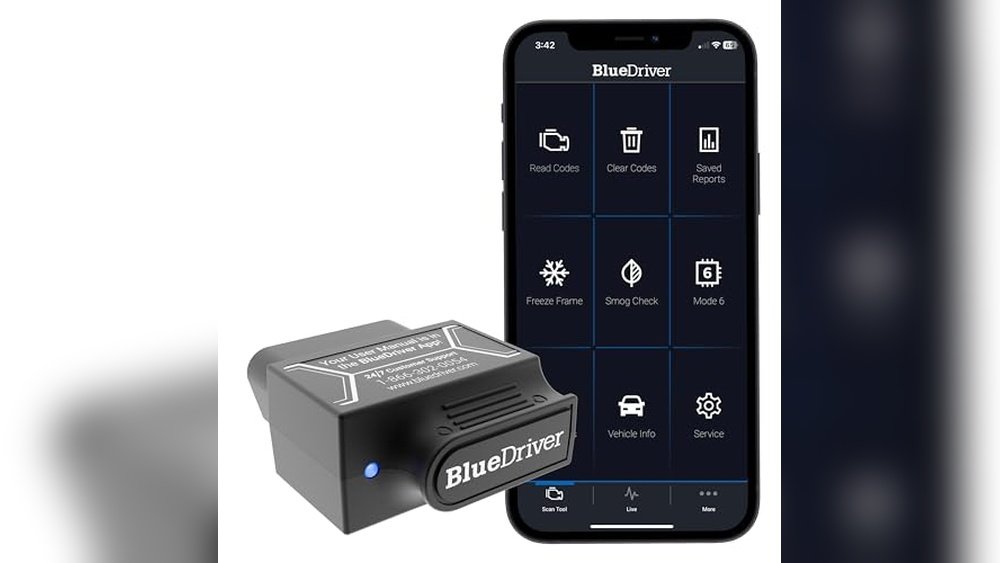
For cars with fuel injection, the ECU (engine control unit) usually adapts itself. However, you may want to reset the ECU after reaching high altitude. Simply disconnect the battery for a few minutes, then reconnect.
| Adjustment | Modern Cars | Older Cars |
|---|---|---|
| Air/Fuel Mixture | Automatic | Manual (carburetor) |
| ECU Reset | Recommended | Not Needed |
| Engine Timing | Rarely Needed | Manual Adjustment |
Non-obvious insight: Some drivers forget that altitude also affects ignition spark plugs. Use plugs with a slightly hotter rating for better ignition.
Cooling System And Fluids
High altitude means cooler temperatures, but your engine still needs proper cooling. Radiators work less efficiently in thinner air.
- Check coolant levels: Make sure your coolant is full and the mix is correct for colder climates.
- Inspect hoses and belts: Cold weather can cause cracks. Replace any worn parts before your trip.
- Use thinner oil: Lower temperatures make oil thicker. Switch to a thinner grade (like 5W-30) for easier cold starts.
A practical tip: If you plan to drive above 10,000 feet, consider carrying extra coolant and oil.
Tire And Brakes Adjustments
Air pressure drops at high altitude, which can reduce tire pressure and braking efficiency.
- Check tire pressure: Inflate tires to the recommended level before climbing. At high altitude, check again—pressure can drop by 2-3 psi.
- Use winter tires: If you expect snow or ice, switch to tires with deeper treads.
- Inspect brakes: Cold temperatures can make brake pads harder. Make sure your pads are in good condition.
Here’s a quick data table for tire pressure changes:
| Altitude | Typical Tire Pressure Drop | Recommended Action |
|---|---|---|
| 5,000 ft | -1 psi | Check and inflate |
| 10,000 ft | -3 psi | Check and inflate |
| 15,000 ft | -5 psi | Check and inflate |
Non-obvious insight: Many drivers ignore their spare tire. Always check its pressure, too—it can save you on remote mountain roads.
Practical Driving Tips For High Altitude
Adjusting your car is only half the job. Driving style also matters.
- Drive gently: Avoid sudden acceleration. The engine needs more time to respond.
- Use lower gears: This helps with climbing steep hills and prevents overheating.
- Allow longer braking distances: Brakes work less efficiently in thin air and cold weather.
- Plan fuel stops: Gas stations are rare in mountain areas. Fill up whenever possible.
Always carry emergency supplies: water, food, warm clothing, and basic tools. High altitude can surprise even experienced drivers.
Common Mistakes To Avoid
- Ignoring air filter quality: Dirty filters worsen power loss.
- Skipping tire checks: Low pressure can cause accidents.
- Using wrong oil grade: Thick oil makes cold starts harder.
- Forgetting spare fluids: Running out of coolant or oil at altitude is risky.
- Not resetting the ECU: Some cars need a quick reset to adapt.
Many beginners miss these details, so double-check before your trip.
Frequently Asked Questions
How Much Power Does My Car Lose At High Altitude?
Most cars lose between 15% and 25% of their power at altitudes above 7,000 feet. Turbocharged engines lose less, around 10-15%.
If your car’s manual recommends premium fuel, use it. It can help prevent engine knocking. However, for most vehicles, regular fuel is fine.
How Often Should I Check Tire Pressure At Altitude?
Check tire pressure every few days when driving in mountain areas. Temperature swings can cause pressure changes.
Can High Altitude Damage My Car’s Engine?
Long-term exposure to high altitude can cause wear on engine parts if not properly adjusted. Short trips are usually safe if you prepare.
What Emergency Items Should I Carry?
Bring water, food, warm clothes, extra fluids, a flashlight, and basic tools. Mountain weather can change quickly, so be ready for anything.
Preparing your car for high altitude is simple if you follow these steps. A little planning can prevent breakdowns and keep you safe on your journey. For more in-depth information on altitude effects, visit Wikipedia. Safe travels, and enjoy the views.