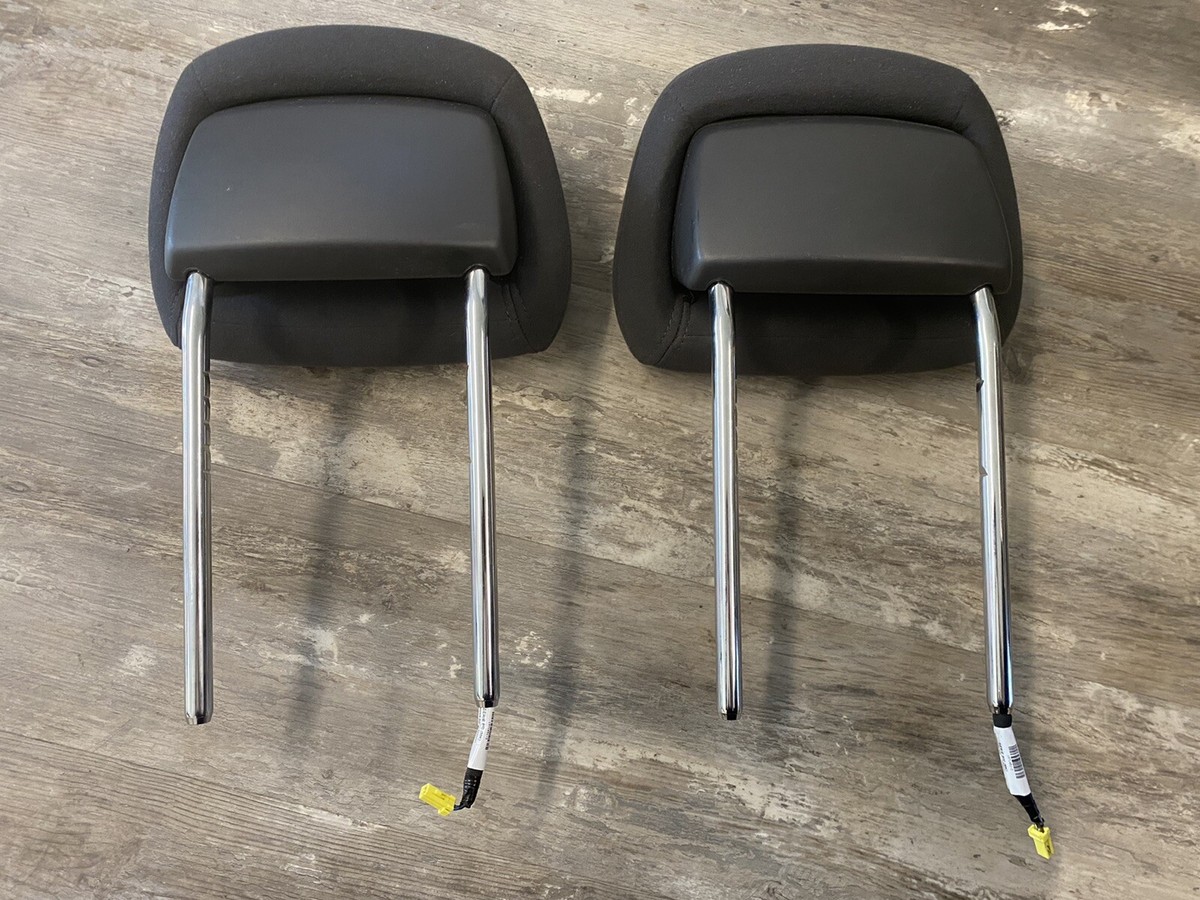
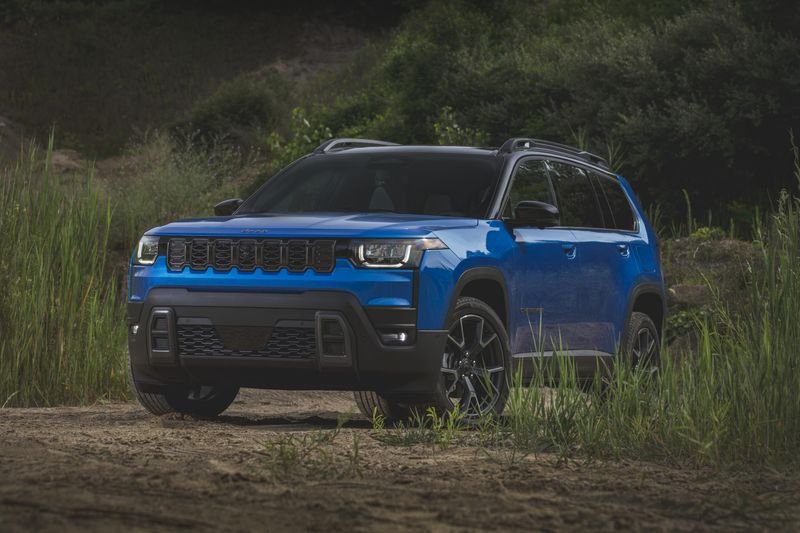
Adjusting your car’s headrest might seem like a small detail, but it plays a big role in both comfort and safety. If you drive a Jeep Compass, learning how to set the headrest properly can help reduce neck fatigue and lower the risk of injury in a crash. Many owners overlook this simple adjustment, using the default position from the factory. In this guide, you’ll discover step-by-step how to adjust the headrest in a Jeep Compass, why it matters, and a few tips that most beginners miss.
Why Headrest Adjustment Matters
The headrest is more than a comfort feature—it’s a key safety device. During a rear-end collision, a well-positioned headrest can prevent whiplash by stopping your head from snapping back. Studies show that a correctly adjusted headrest can reduce neck injuries by up to 40%. The Jeep Compass, with its modern seating, is designed to support proper alignment, but only if you take a few moments to set it right.
Understanding Jeep Compass Headrest Types
Not all Jeep Compass models have the same headrest. Here’s a quick comparison:
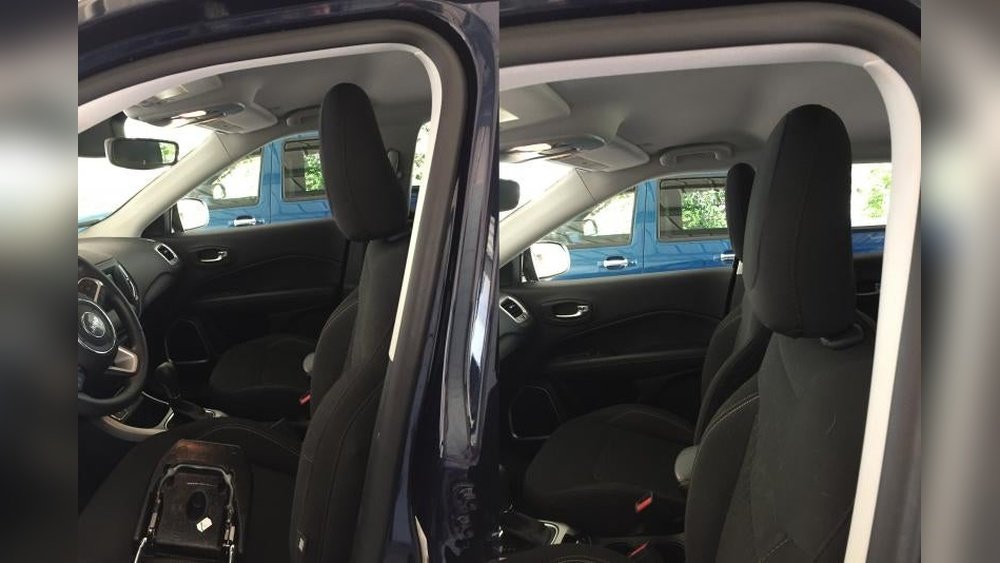
| Model Year | Front Headrest | Rear Headrest | Adjustability |
|---|---|---|---|
| 2017-2020 | Removable, 2-way | Fixed or foldable | Up/Down (front only) |
| 2021-2024 | Removable, 2-way | Foldable, removable | Up/Down (front & rear) |
Most trims offer manual adjustment, but some higher trims add folding rear headrests for better cargo flexibility.

Step-by-step: Adjusting The Headrest In Your Jeep Compass
Getting the right position is easy once you know what to look for. Follow these steps:
1. Sit Back In The Seat
Make sure your back is fully against the seat. This is where you’ll drive, so adjust the headrest from this position.
On most Jeep Compass models, the release button is on the base of each headrest post. For the front seats, reach just above where the headrest meets the seatback.
- Adjust Up or Down
- To raise the headrest, pull it up until the top is level with the top of your head.
- To lower, press the release button and push down gently.
- The safest spot: The top of the headrest should be even with the top of your ears, and close (about 2 inches or less) to the back of your head.
- Angle Adjustment (If Available)
Some trims allow you to tilt the headrest forward or back. Grip the headrest with both hands and gently tilt to your preferred angle. Not all Jeep Compass models offer this feature.
5. Rear Headrest Adjustment
Rear seats often use a fold-down or removable system. Press the release at the base, then fold or remove as needed. This is especially helpful when you need to lower the rear seats for extra cargo space.
Quick Reference For Common Adjustments
| Action | Front Seats | Rear Seats |
|---|---|---|
| Raise/Lower | Press button, pull/push | Press button, pull/push |
| Tilt | Some trims only | Not available |
| Remove | Press button, pull out | Press both buttons, pull out |
| Fold | Not available | Push forward after button |
Common Mistakes To Avoid
Many drivers set the headrest too low or too far back. Here’s what to watch for:
- Too Low: If the headrest is below ear level, it won’t protect you in a crash.
- Too Far Back: A gap of more than 2 inches reduces effectiveness.
- Wrong Angle: If the headrest pushes your head forward or feels uncomfortable, adjust the seatback angle before moving the headrest.
- Forgetting Passengers: Make sure all passengers, especially children in booster seats, have their headrests properly set.

Extra Tips For Better Comfort And Safety
- If you share your Jeep Compass with others, make it a habit to check the headrest each time you get in.
- For taller drivers, you might need to raise the headrest to its highest setting.
- If you carry large cargo, fold down or remove the rear headrests for a flat load floor and better visibility.
- Some owners find the headrest angle uncomfortable. Try adjusting the seatback recline first, then fine-tune the headrest.
Most people don’t realize that small changes in seat position can affect headrest comfort. If you struggle to find a good fit, start by adjusting your seat height and recline, then set the headrest.
Quick Data: Headrest Safety In Suvs
To put things in perspective, here’s how proper headrest adjustment impacts accident outcomes in compact SUVs:
| Scenario | Whiplash Risk | Neck Injury Rate |
|---|---|---|
| Headrest too low | High | 35% |
| Headrest properly adjusted | Low | 12% |
| No headrest | Very high | 45% |
These numbers are based on insurance studies and crash tests for modern SUVs, including the Jeep Compass.
When To Replace Or Repair Your Headrest
If your headrest is damaged, wobbly, or won’t lock in place, it’s important to get it checked. Jeep dealerships can supply replacement parts, or you can find OEM headrests online.
Never drive without a headrest, as it’s a required safety feature.
If you’ve been in a crash, check your headrest for damage. It may look fine but could have lost its protective strength.
Frequently Asked Questions
How Do I Remove The Headrest In A Jeep Compass?
Fully raise the headrest, then press the release button on the base of each post. Pull up firmly. For rear seats, you may need to press both release buttons at once.
Can I Adjust The Headrest Angle In All Jeep Compass Models?
No. Only some trims and years offer a tilt function for the headrest. Most models allow only up and down movement.
Is It Safe To Drive Without A Headrest?
No. The headrest is a critical safety feature. Driving without it increases the risk of neck injury in a collision.
Why Does My Headrest Feel Uncomfortable?
Often, the seatback angle is too upright, or the headrest is set too far forward. Adjust your seatback slightly, then reposition the headrest.
Where Can I Find More Information On Headrest Safety?
You can read more on the official IIHS Head Restraints page, which covers the latest research and tips.
A properly adjusted headrest in your Jeep Compass is a small task with big rewards. Take a few moments to set it right, and you’ll drive more comfortably and safely every day.