If your Jeep JK’s steering feels loose or you notice uneven tire wear, your caster angle might be off. Caster angle is a small detail with a big impact on how your Jeep drives, especially after lifting or modifying the suspension.
Many Jeep owners ignore caster, but learning how to adjust it can transform your ride quality and keep you safer on the road.
What Is Caster And Why Does It Matter?
The caster angle is the tilt of your front steering axis, viewed from the side of the vehicle. It’s measured in degrees. In simple terms, it’s the angle between the upper and lower ball joints of your front axle.
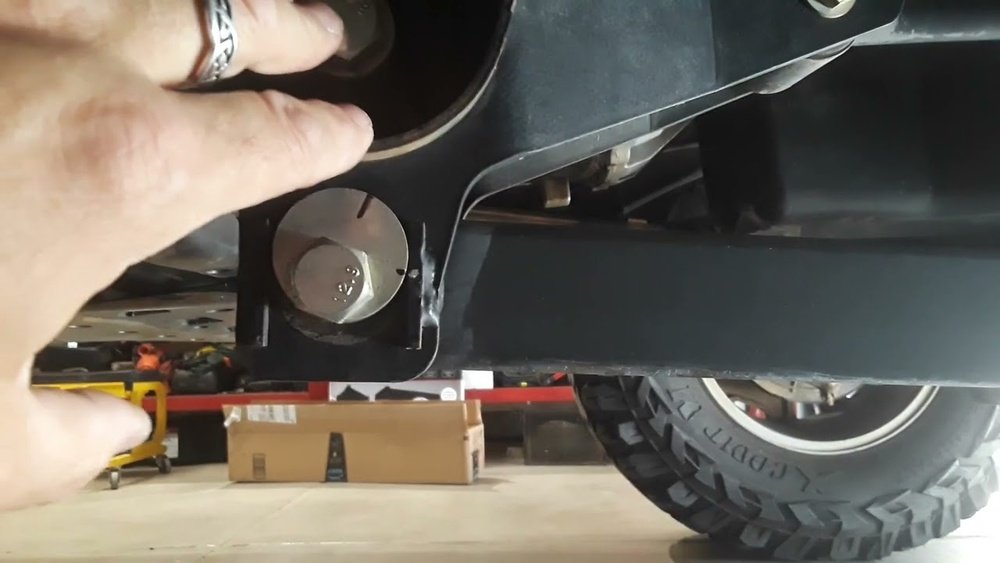
- Positive caster (top tilted back) gives more stability at speed and helps the steering wheel return to center.
- Negative caster (top tilted forward) causes wandering and poor high-speed stability.
From the factory, the Jeep JK has about 4.2° to 4.8° positive caster. Lifting your Jeep changes the angle, often reducing positive caster. Even a small change can affect how your Jeep tracks and handles.
Signs Your Caster Is Incorrect
- Drifting or pulling to one side
- Steering feels light or “floaty”
- Tires wear unevenly or show feathering
Tools And Parts You’ll Need
Before you get started, gather these tools and parts:
- Jack and jack stands
- Wrenches (18mm, 21mm common)
- Torque wrench
- Tape measure
- Angle finder or digital angle gauge
- Adjustable front lower control arms or caster correction brackets (if adjusting beyond factory range)
If you have only stock control arms, adjustment is limited. Adjustable arms are the best solution for precise caster settings.

How To Adjust Caster On A Jeep Jk: Step-by-step
1. Park Safely And Lift The Jeep
Park on level ground. Engage the parking brake.
Loosen the front lug nuts, then lift the front axle with a jack and secure it on jack stands.
2. Locate The Lower Control Arms
The front lower control arms connect the axle to the frame. These are what you adjust to change caster.
3. Measure Your Current Caster Angle
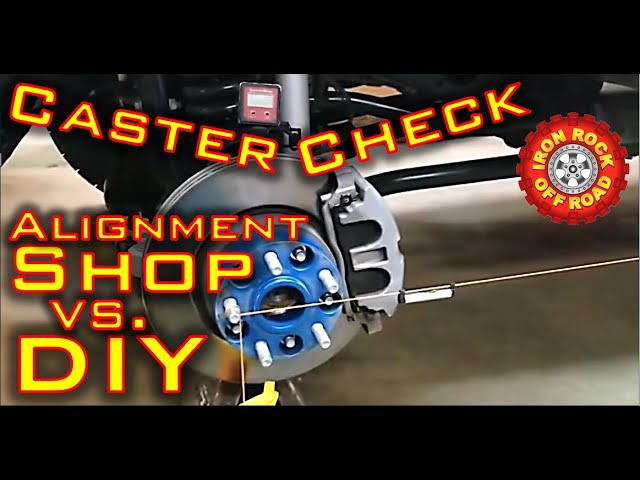
Place an angle finder or digital gauge against the flat face of the axle’s C (where the ball joint sits). Record the angle.
Compare it to Jeep’s factory spec (4. 2°-4. 8° positive).
4. Loosen The Control Arm Bolts
Use a wrench to loosen (but not remove) the bolts at both ends of the lower control arm.
- Adjust the Control Arm Length
- To increase positive caster: Lengthen the lower control arms.
- To decrease positive caster: Shorten the lower control arms.
One full turn on an adjustable arm usually changes caster by about 0. 1° to 0. 2°. Adjust both sides equally.
6. Re-tighten And Re-measure
Torque the control arm bolts to spec (usually 125 ft-lbs, check your manual). Lower the Jeep, roll it back and forth to settle the suspension, then re-measure the caster angle.
7. Test Drive And Fine-tune
Drive the Jeep. If steering still feels off, repeat the measurement and adjustment process.
Example: Adjusting For A 2.5” Lift
A 2. 5” lift usually reduces caster by 1-2°.
If your caster drops to 2. 5°, your Jeep will wander.
Increasing the lower control arm length by about 1/8” to 1/4” can restore correct caster.
Comparing Stock Vs. Modified Caster
Here’s how caster changes with suspension lift:
| Lift Height | Stock Caster (°) | After Lift (°) | Recommended Adjustment |
|---|---|---|---|
| 0″ (stock) | 4.5 | 4.5 | None |
| 2.5″ | 4.5 | 2.5-3.0 | Increase lower arm length |
| 4.0″ | 4.5 | 1.5-2.0 | Use adjustable arms |

Control Arm Types For Caster Adjustment
Choosing the right control arm matters. Here’s a quick comparison:
| Type | Adjustment Range | Best For |
|---|---|---|
| Stock | None | Factory ride height |
| Adjustable | +/- 1.5″ | Lifted Jeeps |
| Caster Brackets | Fixed increments | Budget lifts |
Common Mistakes And How To Avoid Them
- Only adjusting one side: Always adjust both lower control arms equally, or your axle may shift and cause alignment issues.
- Ignoring pinion angle: Too much caster can point your front driveshaft downward, increasing wear. Balance both angles for best results.
- Not torquing bolts: Loose control arm bolts can cause clunks and dangerous handling.
- Skipping a professional alignment: After adjusting caster, get a full alignment to ensure toe and other settings are correct.
Real-world Tips For Diy Caster Adjustment
- Mark your starting position on control arms before adjusting. This helps you track changes.
- Use an alignment shop for final confirmation. Even if you adjust at home, a shop can check all angles with precision tools.
- Test on different roads. Steering may feel fine on smooth pavement but wander on highways if caster is off.
- Check your work after off-roading. Hard trails can cause bolts to loosen or settings to shift.
Most Jeep JK owners find that a caster setting of 4.0° to 5.0° positive works best for daily driving and highway use, even with 2-3” lift kits.
When To Seek Professional Help
If you can’t achieve the correct caster, or your Jeep still feels unstable after adjustment, consult a professional. Sometimes worn bushings, bent brackets, or damaged parts can make DIY fixes impossible.
A good 4×4 shop has the tools and experience to diagnose tough problems.
For more technical details, the ExtremeTerrain guide offers deep insights and diagrams.
Frequently Asked Questions
What Is The Ideal Caster Angle For A Jeep Jk?
4.2° to 4.8° positive caster is recommended for most Jeep JKs with stock or slightly lifted suspensions.
Can I Adjust Caster Without Aftermarket Parts?
Minor caster adjustments can be made by shifting the axle within factory tolerances, but adjustable lower control arms are needed for significant changes, especially after lifting.
Does Caster Affect Tire Wear?
Yes. Incorrect caster can cause uneven tire wear, especially feathering along the tread. Proper alignment is key for tire life.
Will Adjusting Caster Fix All Steering Problems?
Caster adjustment solves many stability and centering issues, but other problems (like worn ball joints or bad tie rods) also affect steering. Inspect all parts if issues remain.
How Often Should I Check Caster?
Check your caster any time you lift your Jeep, change control arms, or notice odd steering behavior. Off-road impacts can also shift alignment over time.
With the right tools and attention to detail, adjusting the caster on your Jeep JK is a rewarding project. It improves both safety and driving comfort, letting you enjoy your Jeep on and off the road.


















