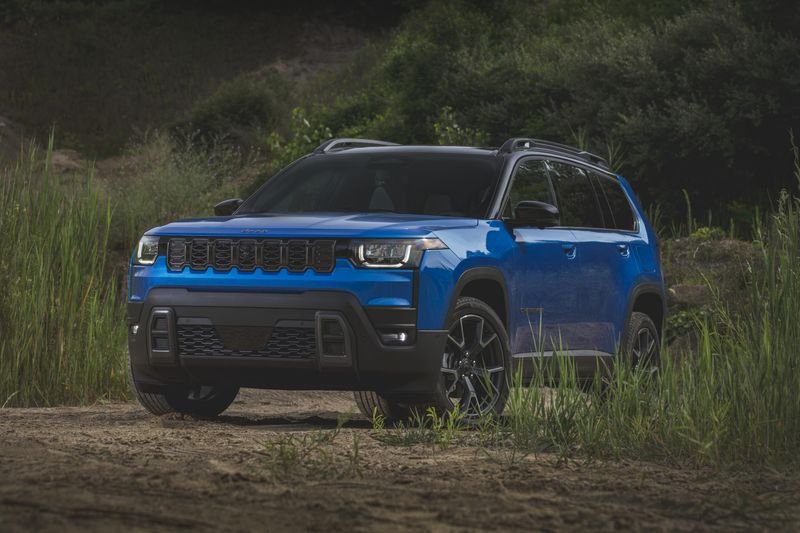
Keeping your Jeep Wrangler JK running smoothly depends on proper maintenance—one of the most important and often overlooked tasks is adding coolant. Coolant, also called antifreeze, protects your engine from overheating and freezing. Many Jeep owners don’t realize how easy it is to top up their coolant at home and avoid expensive repairs. If you’re new to car care, don’t worry. This guide explains how to add coolant safely to your Jeep Wrangler JK, what to watch out for, and a few tips that even experienced owners sometimes miss.
Why Coolant Matters In A Jeep Wrangler Jk
Coolant does more than keep your engine from getting too hot. It also prevents corrosion and lubricates moving parts inside the cooling system.
In a Jeep Wrangler JK especially if you drive off-road or in extreme weather coolant quality and level are critical.

Even a small drop in coolant can cause problems:
- Overheating in summer traffic
- Freezing in cold climates
- Damage to the radiator, water pump, or engine
Maintaining the right amount of coolant helps your Jeep last longer and saves money in the long run.
Tools And Materials You’ll Need
Before you start, gather these items:
- Coolant/antifreeze (make sure it matches Jeep specifications; usually HOAT or OAT type)
- Distilled water (if using concentrated coolant)
- Clean funnel
- Rags (for spills)
- Gloves (optional but recommended)
Not all coolant is the same. Always check your owner’s manual or the cap on your coolant reservoir for the correct type.
Jeep Wrangler Jk Coolant Types
Here’s a quick comparison of the main coolant types you might find:
| Coolant Type | Color | Compatibility |
|---|---|---|
| HOAT (Hybrid Organic Acid Technology) | Orange/Yellow | Most 2007–2012 JKs |
| OAT (Organic Acid Technology) | Purple | Most 2013+ JKs |
| IAT (Inorganic Acid Technology) | Green | Not recommended for JK |

Step-by-step Guide: How To Add Coolant To Your Jeep Wrangler Jk
Adding coolant is easy if you follow these steps:
- Let the engine cool down. Never open the coolant reservoir or radiator cap when the engine is hot. Wait at least 30 minutes after driving.
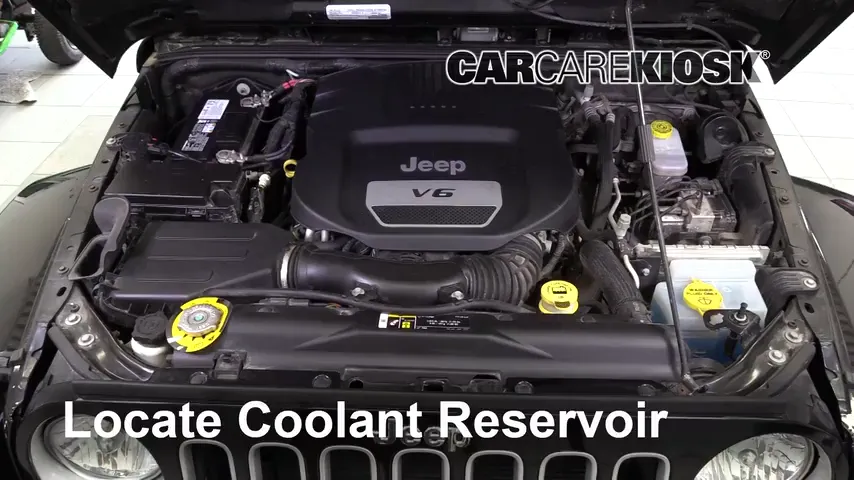
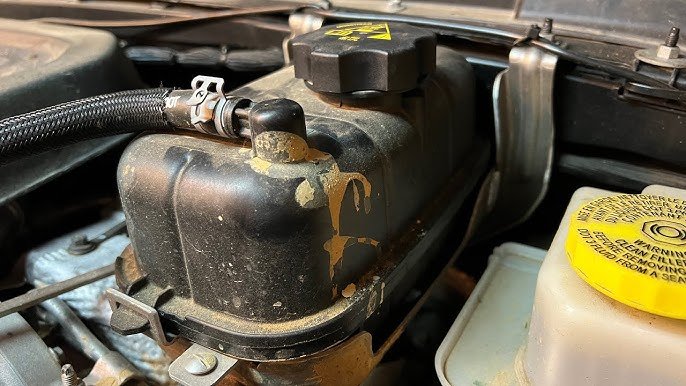
- Open the hood. Find the coolant reservoir—it’s usually a white plastic tank near the radiator with a bright cap labeled “engine coolant.”
- Check the coolant level. The side of the reservoir has “MIN” and “MAX” lines. If the liquid is below “MIN,” you need to add coolant.
- Remove the cap. Turn it slowly to let any pressure escape.
- Mix the coolant. If using concentrated coolant, mix it 50/50 with distilled water. Pre-mixed coolant can be used directly.
- Add coolant. Use a clean funnel to pour coolant into the reservoir until it reaches the “MAX” line. Do not overfill.
- Replace the cap. Make sure it is tight to prevent leaks.
- Run the engine. Start the Jeep and let it idle for a few minutes. Watch the temperature gauge and look for leaks.
- Top off if needed. After the engine cools again, recheck the level and add more if it drops.
Typical Coolant Capacity
| Engine | Coolant Capacity (quarts) |
|---|---|
| 3.6L V6 (2012–2018) | 14.0 |
| 3.8L V6 (2007–2011) | 13.4 |
Common Mistakes To Avoid
Even experienced Jeep owners sometimes make these errors:
- Mixing coolant types: Never mix orange/yellow HOAT with purple OAT. It causes sludge and can damage the engine.
- Using tap water: Minerals in tap water cause deposits and corrosion. Always use distilled water.
- Overfilling: Too much coolant can cause leaks or pressure problems.
- Ignoring leaks: If you have to add coolant often, look for leaks. A sweet smell or puddle under your Jeep means you need a repair.
Extra Tips For Jeep Owners
- Check hoses and clamps for cracks or leaks when adding coolant. A bad hose can cause sudden coolant loss.
- Carry spare coolant on long trips, especially if you go off-road or travel far from help.
- Flush the system every 5 years or 100,000 miles, or as Jeep recommends. Old coolant loses its protective power.
- Use a flashlight to check the reservoir if the coolant is hard to see.
- Mark the date you added coolant. This helps track how often you need to top up.
Signs Your Jeep Needs Coolant
Don’t wait for the temperature gauge to hit red. Look for these signs:
- Heater blows cold air when set to hot
- Temperature warning light on the dash
- Steam or sweet smell from under the hood
- Visible leaks under the Jeep
If you notice any of these, check your coolant as soon as possible.
What To Do After Adding Coolant
After topping off, drive your Jeep for a short distance and monitor the temperature gauge. If the needle stays in the normal range, you’ve done it right. If it climbs into the hot zone, stop the engine and recheck for leaks or air in the system.
Some Jeeps may need “burping” to remove air bubbles. This usually means running the engine with the radiator cap off until bubbles stop, but it’s best left to a mechanic if you’re unsure.
When To Seek Professional Help
If you keep losing coolant, see a mechanic. Common causes include:
- Leaking radiator
- Blown head gasket
- Faulty water pump
Fixing these problems early can save thousands of dollars. For more detailed technical advice, check the official Jeep Maintenance Page.
Frequently Asked Questions
What Type Of Coolant Should I Use For My Jeep Wrangler Jk?
Use the coolant type listed in your owner’s manual. Most 2007–2012 JKs use HOAT (orange/yellow), while most 2013+ JKs use OAT (purple). Never mix types.
How Often Should I Check My Coolant Level?
Check your coolant at least every oil change (about every 3,000 5,000 miles), or more often if you drive in extreme temperatures.
Is It Safe To Drive With Low Coolant?
No. Low coolant can cause engine overheating and serious damage. Always top up before driving if the level is below “MIN.”
Can I Use Pre-mixed Coolant?
Yes, pre-mixed coolant is easy to use and safe if it matches your Jeep’s requirements. If you use concentrate, mix it 50/50 with distilled water.
What Should I Do If I See Coolant Leaking?
Check all hoses, clamps, and the radiator for damage. If you cannot find the leak or keep losing coolant, visit a mechanic as soon as possible.
Taking care of your Jeep’s cooling system is simple and helps you avoid breakdowns wherever your adventures take you. With the right coolant and a few careful steps, your Wrangler JK will be ready for the road ahead.