If you’re getting ready to tow with your Jeep Grand Cherokee, having working trailer lights is essential for safety and legal reasons. Many drivers struggle with activating trailer lights, especially if they are new to towing or don’t use their trailer often. This guide explains everything you need to know to activate trailer lights on your Jeep Grand Cherokee, from basic setup to troubleshooting. Whether you’re towing a boat, camper, or utility trailer, you’ll learn clear steps and practical tips.
Understanding Trailer Lights And Your Jeep Grand Cherokee
Trailer lights connect to your vehicle to signal turns, brakes, and running lights. The Jeep Grand Cherokee comes with a factory or aftermarket towing package, which usually includes a wiring harness and connector for trailer lights. Knowing the type of connector your Grand Cherokee has is important.
| Connector Type | Common Usage | Number of Pins |
|---|---|---|
| 4-Pin Flat | Small trailers | 4 |
| 7-Pin Round | Large trailers, RVs | 7 |
Most newer Grand Cherokees have a 7-pin round connector, which handles all trailer light functions. If your model has a 4-pin connector, you may need an adapter for larger trailers.
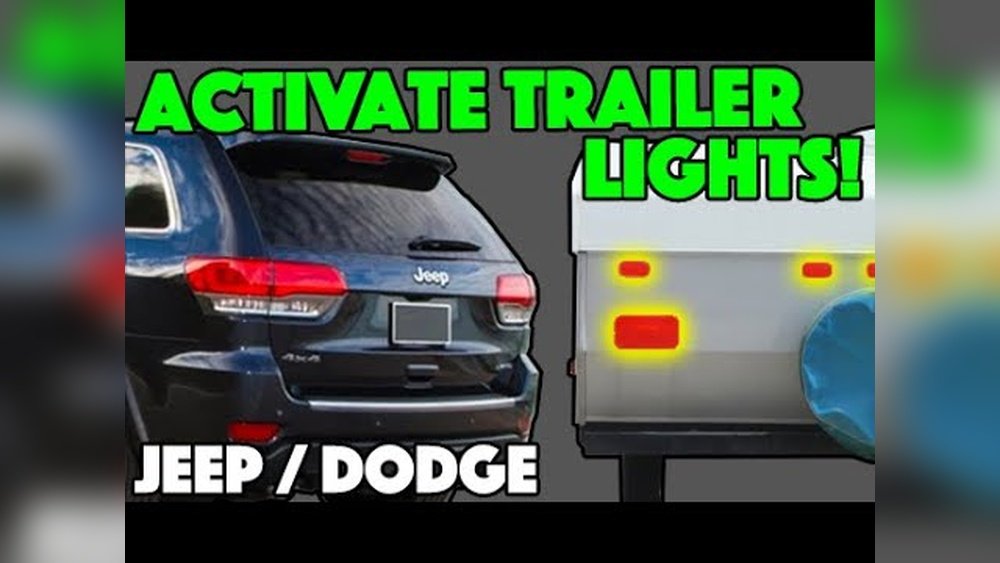
Preparing Your Jeep Grand Cherokee For Trailer Lights
Before activating trailer lights, check a few things:
- Confirm Towing Package: Make sure your Grand Cherokee has a towing package or aftermarket wiring installed. The wiring harness is usually located near the rear bumper.
- Inspect Connectors: Look for dirt, corrosion, or damage in the connector. Clean with electrical contact cleaner if needed.
- Check Trailer Light Bulbs: Replace any burnt-out bulbs in your trailer before connecting.
- Gather Tools: You may need a test light, screwdriver, and adapter (if trailer connector doesn’t match your vehicle).
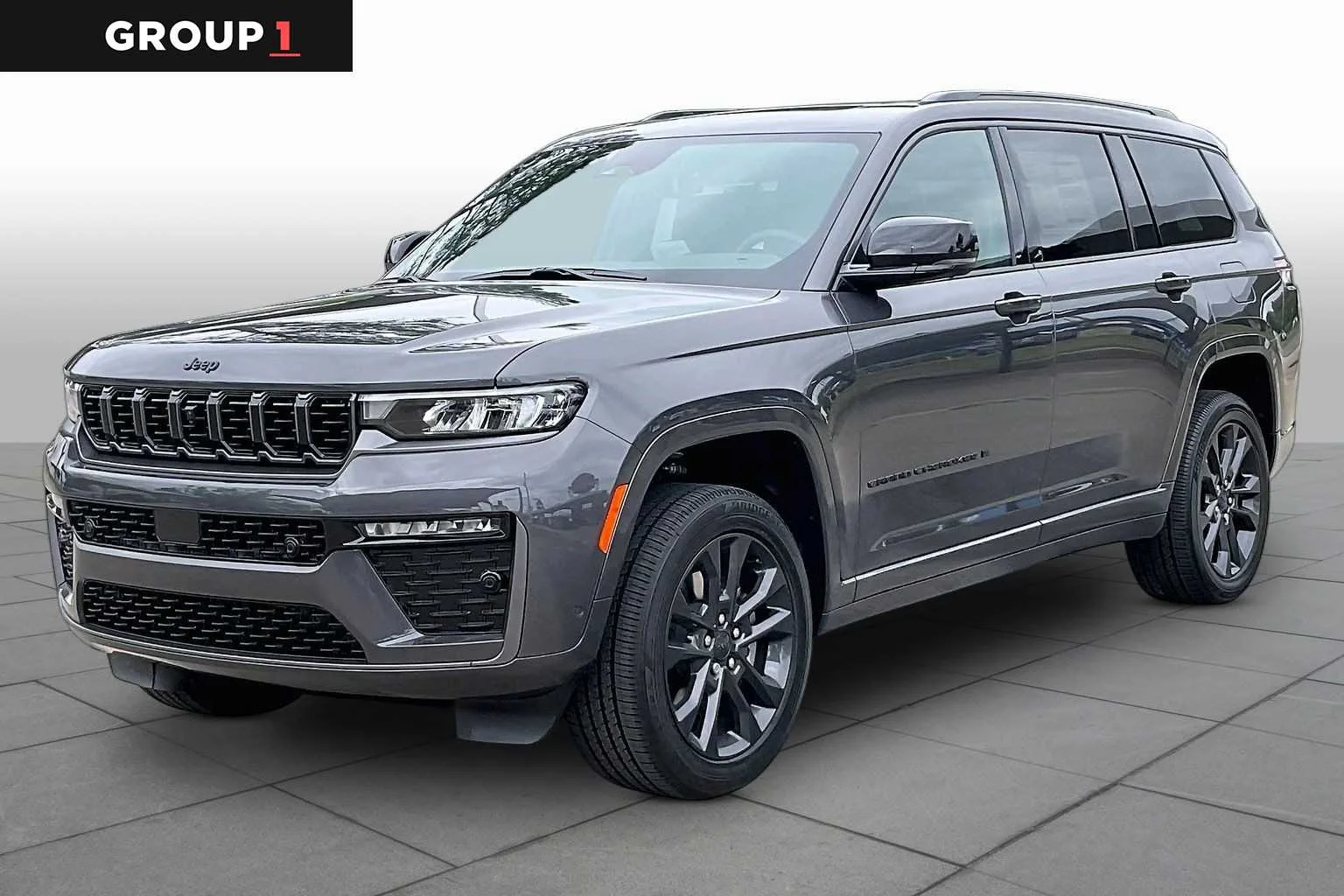
Step-by-step: Activating Trailer Lights
Activating trailer lights involves more than just plugging in the connector. Here’s a clear process:
1. Connect The Trailer Plug
- Align the trailer plug with the vehicle connector.
- Push firmly until fully seated.
- If you have a 4-pin trailer and a 7-pin vehicle connector, use an adapter.
2. Turn On Your Vehicle Lights
- Start your Jeep Grand Cherokee.
- Switch on headlights, brake lights, and turn signals.
- Observe trailer lights to confirm they respond.
3. Test Each Light Function
Use a helper or walk around the trailer to check:
- Tail lights: Should turn on with vehicle headlights.
- Brake lights: Should activate when brake pedal is pressed.
- Turn signals: Each side should blink when selected.
- Reverse lights (7-pin only): Should light up in reverse gear.
If any lights don’t work, check the connector or wiring.
4. Troubleshoot Common Problems
If trailer lights fail to activate:
- Inspect both vehicle and trailer connectors for corrosion.
- Check fuse box in the Grand Cherokee. Trailer lights use dedicated fuses.
- Verify wiring harness is securely attached.
- Use a test light to check power at the connector.
| Symptom | Likely Cause | Fix |
|---|---|---|
| No lights | Blown fuse | Replace fuse |
| One light not working | Bad bulb or wire | Replace bulb, check wiring |
| Flickering lights | Poor connection | Clean connector |
Advanced Tips For Reliable Trailer Lighting
Many beginners miss these useful insights:
- Check ground connection: Trailer lights need a good ground. A loose or rusty ground wire causes many issues.
- Upgrade to LED bulbs: LED trailer lights use less power and last longer. They are less likely to cause wiring problems.
- Carry spare fuses and bulbs: If a fuse blows during a trip, you can replace it quickly.
Some newer Grand Cherokee models have a trailer detection feature. When you connect the trailer, the system automatically adjusts brake and lighting signals. This makes activation easier, but you should still check each light manually.
| Model Year | Connector Location | Trailer Detection |
|---|---|---|
| 2015-2020 | Rear bumper | Yes |
| 2011-2014 | Under bumper | No |

Safety Checks Before Driving
Always do a final safety check before you start towing:
- Make sure all trailer lights work properly.
- Secure wiring harness to prevent dragging or snagging.
- Check trailer brakes if your trailer has them.
- Confirm load is balanced and tied down.
Driving with faulty trailer lights is illegal and dangerous. Reliable lights help other drivers see your trailer and react safely.
When To Seek Professional Help
If trailer lights still don’t work after basic troubleshooting, it’s smart to get help from a mechanic or trailer specialist. Electrical issues can be complex. Professionals have diagnostic tools and experience. Incorrect wiring can damage your Jeep’s electrical system.
You can find more detailed wiring diagrams and instructions on the official Jeep website or from trusted sources like etrailer.com.
Frequently Asked Questions
How Do I Know If My Jeep Grand Cherokee Has A Towing Package?
Most models with a towing package have a factory-installed hitch and a wiring harness near the rear bumper. Check your vehicle manual or look for a 7-pin or 4-pin connector.
What Fuse Controls Trailer Lights In The Grand Cherokee?
Trailer light fuses are usually located in the rear fuse box or under the hood. The manual shows the exact location and amp rating. Always use the recommended fuse type.
Can I Use A Trailer With Led Lights On My Jeep Grand Cherokee?
Yes, but some older models may need a LED-compatible wiring harness. LEDs use less power and sometimes confuse standard wiring systems. Check compatibility before towing.
Why Do My Trailer Lights Flicker Or Stop Working?
Flickering lights often mean a poor connection, dirty contacts, or a loose ground wire. Clean the connectors and check all wiring. Replace corroded parts.
Is It Safe To Drive If Only Some Trailer Lights Work?
No. All trailer lights must work before you drive. Missing brake or turn signals can cause accidents or fines. Fix any issues before towing.
Activating trailer lights on your Jeep Grand Cherokee is simple if you follow these steps. Proper lighting makes your trip safer and keeps you legal.
Take time to check every light and connection before you hit the road. If issues persist, don’t hesitate to get professional help safe towing always comes first.


















