Activating 4×4 on a Jeep Wrangler isn’t just about pushing a lever or pressing a button. The process can be easy, but using it at the right moment makes a big difference. Many drivers, especially beginners, miss some important details. Knowing how to use each 4×4 mode can help you drive safely, protect your Jeep, and get the best performance. This article will guide you through every step, explain the four key items you must know, and show how to avoid common mistakes.
Understanding Jeep Wrangler 4×4 Modes
The Jeep Wrangler comes with a 4×4 system that gives you four main modes. Each mode is designed for different driving situations. Here’s a quick overview:
- 2H (Two-Wheel Drive High)
- 4H (Four-Wheel Drive High)
- N (Neutral)
- 4L (Four-Wheel Drive Low)
You need to know when and how to use each mode. Let’s go through them one by one.
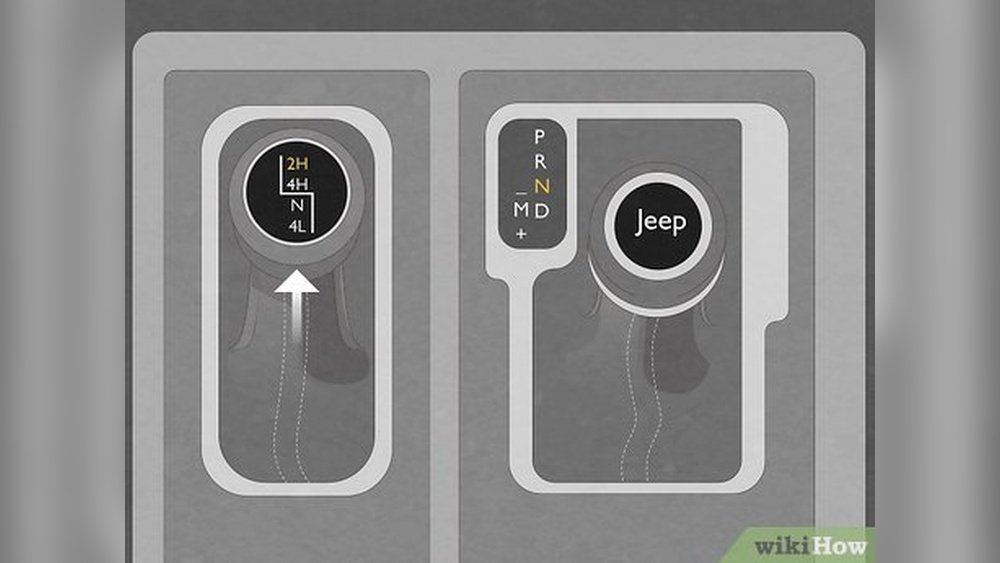
1. 2h (two-wheel Drive High)
This is the default setting for most driving. The 2H mode sends power only to the rear wheels. It’s best for city streets and highways where roads are dry and smooth.
How to activate:
Simply leave the transfer case lever in the 2H position. No extra steps are needed.
When to use:
- Normal driving
- Good weather
- Smooth, paved roads
Why it matters:
Using 2H saves fuel because only two wheels receive power. Many beginners don’t realize that driving in 4H or 4L on dry pavement can cause extra wear on the drivetrain.

2. 4h (four-wheel Drive High)
4H is used when roads are slippery, muddy, or covered with snow. All four wheels get power, which helps you keep control.
How to activate:
- Slow down to under 55 mph.
- Shift the transfer case lever from 2H to 4H.
- You can do this while moving, but lifting off the gas pedal can make it smoother.
When to use:
- Rain, snow, ice
- Dirt or gravel roads
- Light off-roading
Pro tip:
Many people forget to shift back to 2H when the road improves. Staying in 4H too long on dry roads can damage your Jeep.
Comparison: 2h Vs 4h
Here’s how 2H and 4H differ for everyday driving:
| Mode | Wheel Power | Best Use | Fuel Efficiency |
|---|---|---|---|
| 2H | Rear Wheels | Dry, paved roads | High |
| 4H | All Wheels | Slippery/off-road | Lower |
3. N (neutral)
The N (Neutral) mode disconnects the wheels from the engine. You rarely use this, but it’s important for towing your Jeep.
How to activate:
- Stop the vehicle completely.
- Shift the transmission to Neutral.
- Move the transfer case lever to N.
When to use:
- Flat towing behind another vehicle
Warning:
Never drive your Jeep with the transfer case in N. It won’t move and can cause damage.
4. 4l (four-wheel Drive Low)
4L is for tough off-road situations: deep mud, sand, steep hills, or rocks. This mode gives you maximum torque and control at low speeds.
How to activate:
- Stop or slow to under 3 mph.
- Shift the transmission to Neutral.
- Firmly move the transfer case lever from 4H to 4L.
- Wait for the 4L indicator light.
When to use:
- Deep mud or sand
- Steep climbs
- Heavy off-road
Expert tip:
Don’t use 4L for everyday driving. It’s only for low-speed, high-power situations. Some drivers mistakenly use 4L for snow, but 4H is better in most cases.
Comparison: 4h Vs 4l
Let’s see the difference between 4H and 4L:
| Mode | Speed Range | Torque | Typical Use |
|---|---|---|---|
| 4H | Up to 55 mph | Normal | Slippery roads |
| 4L | Under 25 mph | High | Off-road obstacles |
Common Mistakes When Using 4×4
Many new Jeep owners make avoidable errors:
- Using 4H or 4L on dry roads: This stresses the system.
- Shifting too fast: Always slow down before changing modes.
- Not understanding N mode: Only use it for towing.
- Forgetting to return to 2H: When conditions improve, switch back.
Step-by-step Activation Guide
Here’s a quick walkthrough for activating each mode:
- For 4H:
- Slow down
- Move lever from 2H to 4H
- Keep driving
- For 4L:
- Stop or crawl
- Shift transmission to Neutral
- Move lever from 4H to 4L
- Wait for indicator
- For N:
- Stop
- Shift transmission to Neutral
- Move lever to N
Tip: Always check your owner’s manual for your specific model. Some newer Wranglers use electronic switches instead of levers.
Real-world Example
Imagine you’re driving a Jeep Wrangler Rubicon in Colorado. You hit a snowy mountain road:
- You start in 2H on dry pavement.
- As snow appears, you shift to 4H while moving.
- Reaching a steep, icy hill, you stop, shift to 4L, and climb slowly.
- Later, you return to 2H once conditions improve.
This sequence keeps your Jeep safe and your trip smooth.
Data: Jeep Wrangler 4×4 Usage
According to a 2023 Jeep owner survey, over 60% of users forget to switch out of 4H after off-roading, leading to higher maintenance costs. Proper use of 4×4 modes can extend your Jeep’s lifespan by up to 15%.

Frequently Asked Questions
How Do I Know If 4×4 Is Engaged On My Jeep Wrangler?
Look for the indicator light on your dashboard. Also, you’ll feel extra traction and hear different sounds from the drivetrain.
Can I Switch To 4h While Driving?
Yes, you can shift to 4H at speeds below 55 mph. It’s best to lift off the gas pedal for a smoother transition.
Is It Bad To Use 4h On Dry Pavement?
Yes, using 4H on dry roads can cause drivetrain binding and extra wear. Always switch back to 2H when roads are clear.
When Should I Use 4l Instead Of 4h?
Use 4L for very slow driving in tough terrain, such as deep mud, sand, rocks, or steep hills. 4H is for slippery but not extreme conditions.
Can I Flat Tow My Jeep Wrangler?
Yes, you can flat tow by using the N (Neutral) mode on the transfer case. Always follow your manual’s instructions.
Making the most of your Jeep Wrangler’s 4×4 system is about more than just flipping switches. Knowing the right mode for each situation, understanding how to activate them, and avoiding common mistakes will help you enjoy every adventure and keep your vehicle in top shape. For more details about Jeep Wrangler systems, visit the official Jeep website.


















