Many Jeep Wrangler owners love the power and control of four-wheel drive. It lets you tackle tough terrain, snow, mud, and steep hills with more confidence than two-wheel drive. But if you’re new to the Wrangler, you might wonder—how do you actually activate 4 wheel drive? The process can be confusing, especially since Jeep offers different systems and each has its own steps.
This guide covers how to activate 4 wheel drive in a Jeep Wrangler, explains the four main modes, and shares practical tips that even experienced drivers sometimes miss. By the end, you’ll know exactly what to do, what to avoid, and how to get the most from your Wrangler’s 4×4 system.
Understanding Jeep Wrangler 4 Wheel Drive Modes
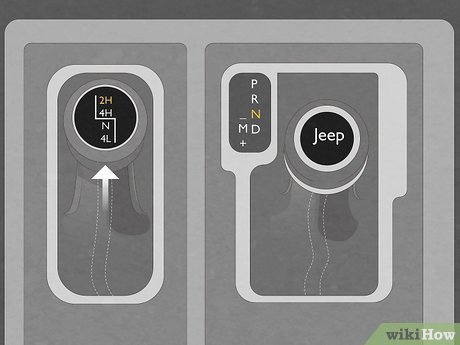
Jeep Wranglers typically come with a part-time 4WD system. The most common modes are:
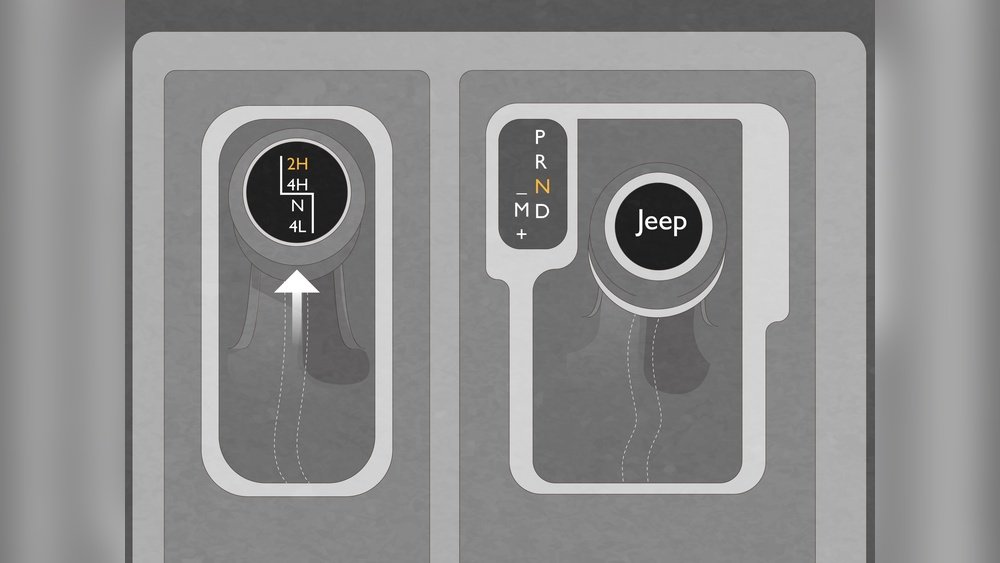
- 2H (Two High)
- 4H (Four High)
- N (Neutral)
- 4L (Four Low)
Each mode serves a different purpose. Using the right mode at the right time keeps your Jeep safe and efficient.
Quick Mode Comparison
| Mode | Best For | Max Speed | How to Engage |
|---|---|---|---|
| 2H | Dry pavement, daily driving | All speeds | Default |
| 4H | Sand, snow, gravel | Up to 55 mph | Shift on the fly (rolling) |
| N | Towing, transfer case disconnect | 0 mph | Stop vehicle |
| 4L | Deep mud, rocks, steep hills | Up to 25 mph | Stop, shift to neutral |
How To Activate Each 4 Wheel Drive Mode
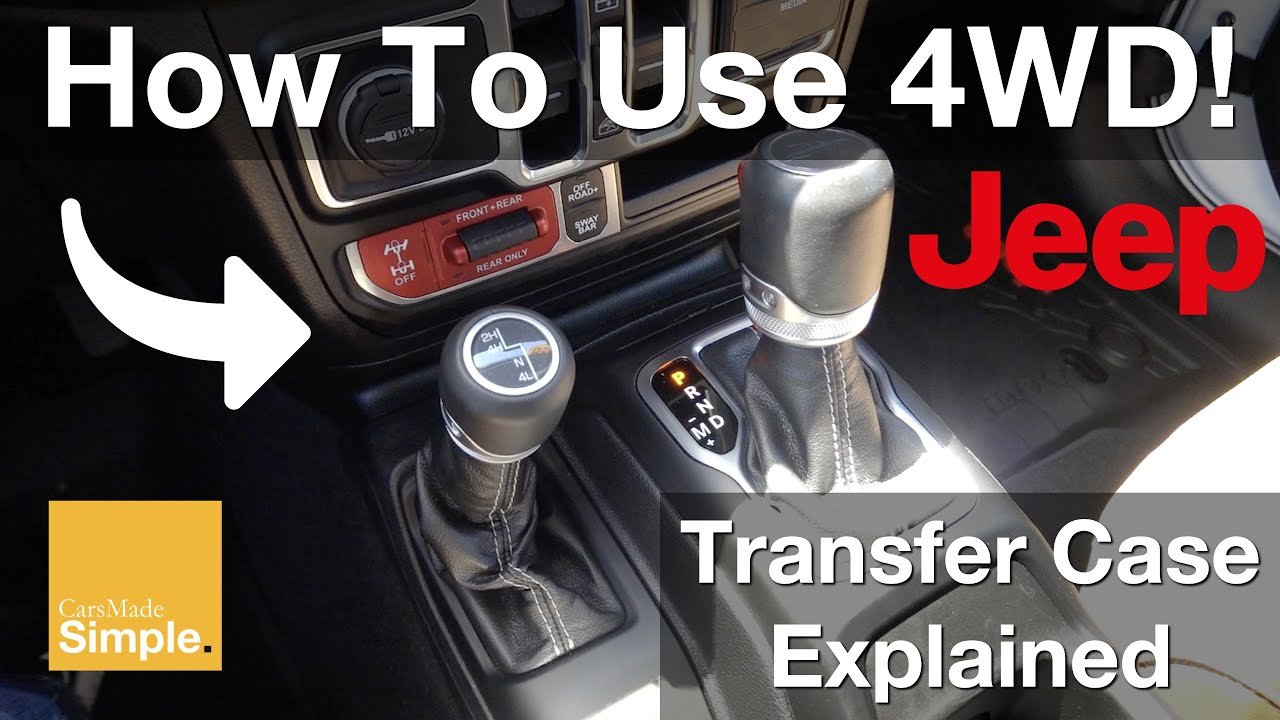
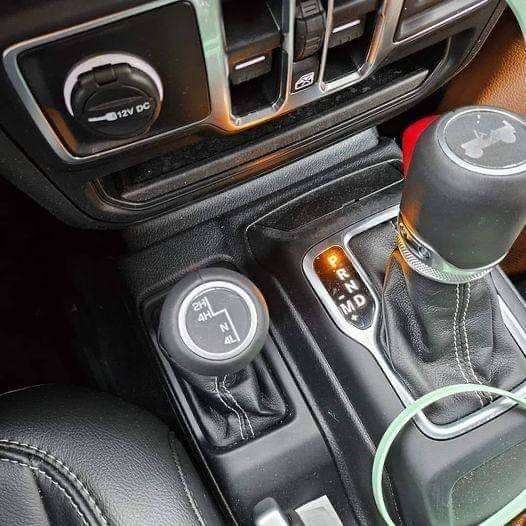
Let’s look at each mode and the steps to engage it. This section covers both lever and dial-based systems, but most Wranglers use a manual lever near the gear shifter.
1. 2h (two High)
2H is your normal driving mode. Power goes to the rear wheels only.
- When to use: Dry, paved roads
- How to engage: Move the lever to 2H. This is the default mode when starting your Jeep.
Tip: Always shift back to 2H when you return to normal roads. Using 4WD on dry pavement can damage your drivetrain.
2. 4h (four High)
4H gives power to all four wheels. Use it for slippery or loose surfaces.
- When to use: Snow, sand, gravel, or muddy roads where you need more traction
- How to engage: While driving below 55 mph, take your foot off the accelerator and gently pull the transfer case lever from 2H to 4H. You may hear a click or feel a slight thud.
Practical insight: You can shift between 2H and 4H “on the fly” at moderate speeds, but avoid sudden acceleration or braking during the shift.
3. N (neutral)
Neutral disconnects the transmission from the driveshaft. It’s not for driving, but for towing or certain off-road recovery needs.
- When to use: Flat towing your Jeep behind another vehicle, or in rare recovery situations
- How to engage: Bring your Wrangler to a complete stop. Shift the transmission to Neutral (N) and then move the transfer case lever to N. Confirm the vehicle does not roll when the brake is released.
Beginner mistake: Never drive with the transfer case in Neutral. It can cause severe transmission damage.
4. 4l (four Low)
4L gives maximum torque and control. Use it for rock crawling, deep mud, or steep climbs.
- When to use: Very rough, slow off-road terrain, or when you need extra power at low speeds
- How to engage: Bring your Jeep to a complete stop. Put the transmission in Neutral. Firmly pull the transfer case lever from 4H straight down to 4L. Wait for the 4L light to appear on the dashboard before moving.
Non-obvious insight: Always shift to 4L only when completely stopped and transmission is in Neutral. Trying this while moving can damage your gears.
4 Wheel Drive System Comparison
Not all Jeep Wranglers have the same 4WD system. Here’s a simple comparison of the two main types:
| System | Shift Method | Available Modes | Best Use |
|---|---|---|---|
| Part-Time 4WD | Manual lever | 2H, 4H, N, 4L | Classic off-roading |
| Selec-Trac | Dial or lever | 2H, 4H Auto, 4H Part-Time, N, 4L | Mix of on-road/off-road |
Tips For Smooth And Safe 4 Wheel Drive Activation
- Read your owner’s manual for model-specific instructions.
- Shift only when it’s safe—never on sharp turns or while accelerating hard.
- After using 4L, switch back to 2H as soon as you’re back on normal roads.
- Practice shifting in a safe area before heading off-road.
- If the transfer case feels stuck, gently roll the vehicle forward or backward a few inches and try again.
Common Mistakes To Avoid
- Using 4H or 4L on dry pavement—this can cause binding and wear out your drivetrain.
- Forgetting to shift to Neutral before engaging 4L or N.
- Ignoring warning lights—if the 4WD light flashes or stays on, check your system.
- Going too fast in 4L—never exceed recommended speed limits.
- Not checking tires—uneven tire sizes or pressure can strain your 4WD.
Real-world Example
Imagine you’re driving your Jeep Wrangler on a snowy mountain road. As the road gets slick, you slow to 20 mph, shift from 2H to 4H, and feel your traction improve.
When you reach a steep, icy hill, you stop, shift to Neutral, engage 4L, and climb with control.
Back on clear roads, you return to 2H for safe and efficient driving.
Frequently Asked Questions
What Happens If I Use 4wd On Dry Pavement?
Using 4WD on dry pavement can cause drivetrain binding, increased tire wear, and possible damage to your Jeep’s transfer case.
Can I Switch From 2h To 4h While Driving?
Yes, you can shift from 2H to 4H while moving under 55 mph, as long as you’re driving straight and not accelerating hard.
How Do I Know If My 4wd Engaged Properly?
Look for the 4WD indicator light on your dashboard. You should also feel a slight change in driving response, especially in slippery conditions.
Is 4l Suitable For Highway Driving?
No, 4L is only for slow, challenging terrain like rocks, mud, or steep inclines. Never use 4L on highways or at high speeds.
Where Can I Find More Details About My Jeep’s 4wd System?
Check your owner’s manual or visit the official Jeep Wrangler page for the latest information and support.
When you understand how to activate and use all four Jeep Wrangler 4WD modes, you’re ready for whatever the road or trail throws at you.
Practice the steps, respect the limits of each mode, and you’ll get the most from your Wrangler’s legendary capability.