Taking your Jeep Wrangler off the beaten path is a thrilling experience. The secret to exploring rough terrain lies in understanding how to use your 4-wheel drive (4WD) system properly. Whether you’re facing snow, mud, or rocky trails, knowing when and how to engage each 4WD mode can make the difference between a fun adventure and an expensive mistake. Many new Wrangler owners are unsure about 4WD controls, so this guide will walk you through the four main modes, practical tips, and common pitfalls to avoid.
Understanding Jeep Wrangler 4wd Modes
The Jeep Wrangler typically offers four main 4WD modes: 2H, 4H, 4L, and Neutral. Each one serves a different purpose. Let’s break down what they do and when to use them.
2h (two-wheel Drive High)
In 2H, only the rear wheels receive power. This is the mode for everyday driving on dry, paved roads. It delivers better fuel efficiency and less wear on your drivetrain.
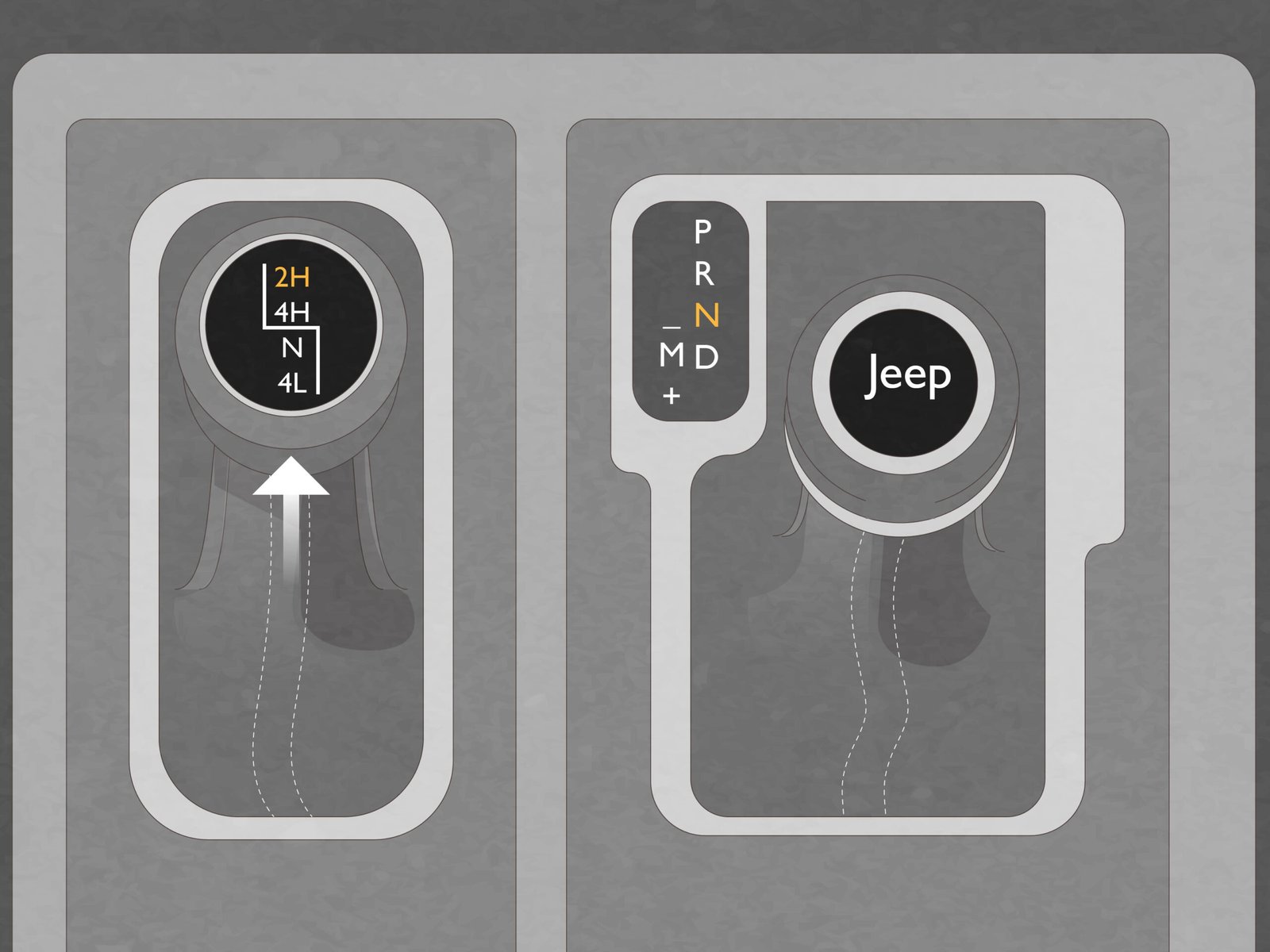
- Best for: Normal street driving
- Speed: Any speed allowed by law
- Traction: Standard, not for slippery conditions
4h (four-wheel Drive High)
4H sends power to all four wheels equally, helping you maintain control in slippery conditions like rain, snow, gravel, or light off-road trails.
- Best for: Slippery roads, shallow mud, light off-roading
- Speed: Up to 55 mph (check your owner’s manual)
- Traction: Improved on loose or wet surfaces
4l (four-wheel Drive Low)
Switching to 4L means maximum power and torque at low speeds. This mode is for tough terrain—think steep hills, deep mud, sand, or rocky climbs.
- Best for: Rock crawling, deep mud, sand, steep hills
- Speed: Under 25 mph; slow and steady
- Traction: Maximum, for serious obstacles
Neutral
The Neutral position disconnects the transmission from the wheels. Use this mode only when towing your Wrangler behind another vehicle. Never drive in Neutral.
- Best for: Flat towing your Jeep
- Speed: N/A (not for driving)
- Traction: None
How To Shift Between 4wd Modes
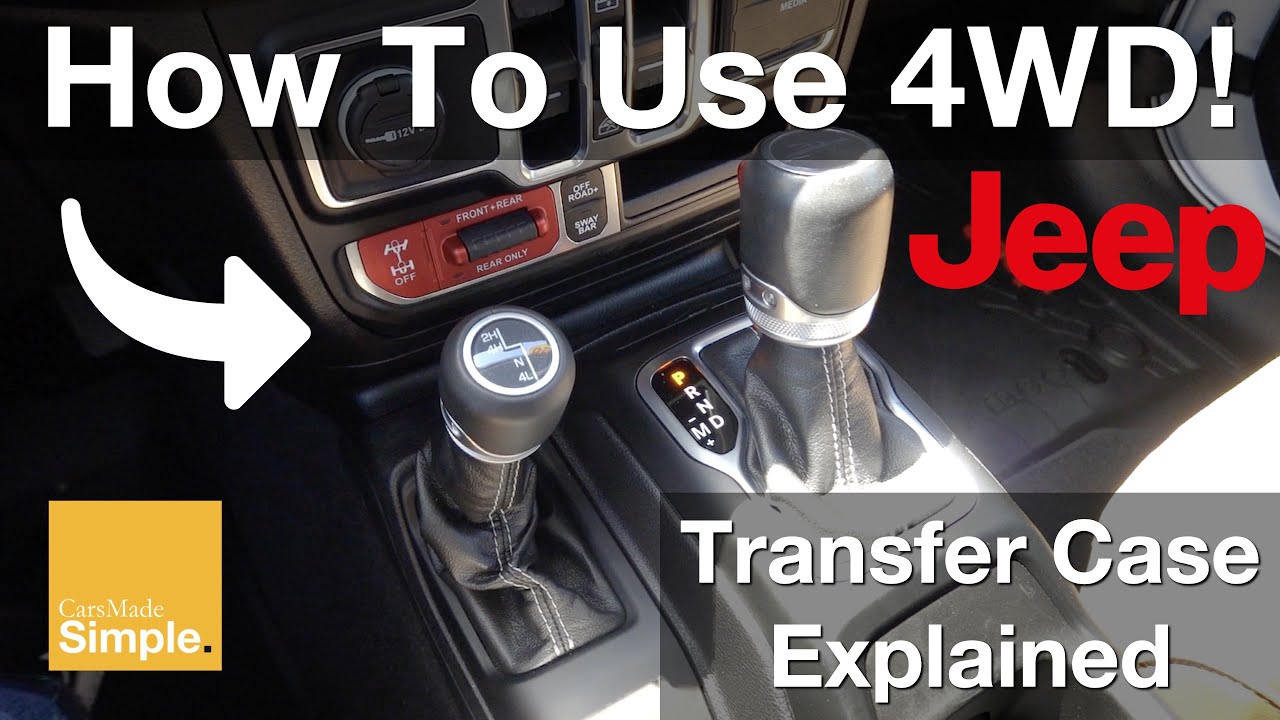
Understanding each mode is just the start. Using the 4WD shifter or electronic switch the right way is essential. Here’s what you need to know:
- From 2H to 4H: You can shift “on the fly” while driving under 55 mph. Simply pull the lever or turn the knob to 4H.
- From 4H to 4L: Stop the vehicle, shift to Neutral, then move the lever or knob to 4L. Wait for the indicator light to confirm engagement.
- From 4L to 4H or 2H: Bring the Jeep to a complete stop, shift into Neutral, then switch back.
| Mode | When to Use | Speed Limit |
|---|---|---|
| 2H | Dry pavement | No limit |
| 4H | Rain, snow, light trails | Up to 55 mph |
| 4L | Steep hills, deep mud | Up to 25 mph |
| Neutral | Flat towing only | Do not drive |
Pro tip: If the shifter feels stiff, keep your foot on the brake and roll the Jeep forward slightly while shifting.
2h: Everyday Use And Efficiency
2H is ideal for regular roads. Many beginners forget that using 4H or 4L on dry pavement can damage the drivetrain and cause tire wear. Unless the road is slippery or you’re off-roading, stick with 2H.
- Fuel economy: Best in 2H
- Tire life: Longest in 2H
- Noise/Vibration: Lowest in 2H
Insight: Driving in 4WD on dry roads causes “driveline binding,” which can lead to expensive repairs. Always switch back to 2H when you return to normal roads.
4h: Handling Slippery Surfaces
When conditions turn bad—rain, snow, or loose dirt—4H is your friend. It sends power to all wheels, making it less likely you’ll spin out.
- Engage 4H before you get stuck, not after
- Do not use 4H on dry pavement
Example: If you see snow ahead, shift into 4H before entering the slick area. Waiting until you’re stuck can make shifting harder.
4l: Tackling Extreme Terrain
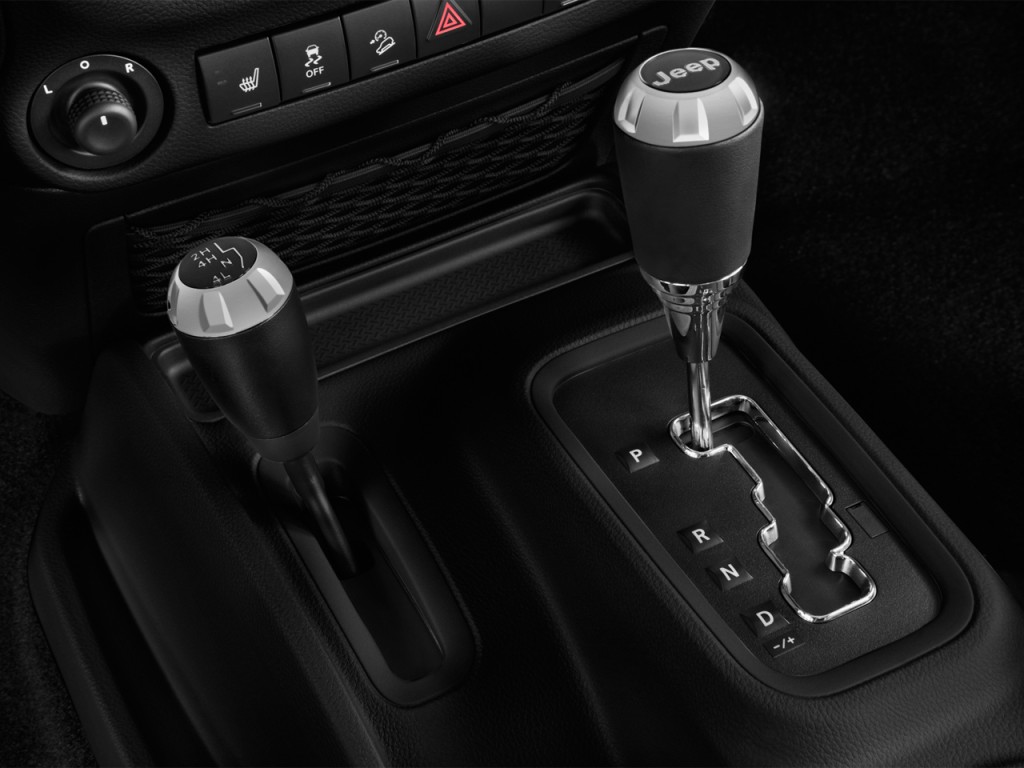
4L gives you the muscle to crawl over rocks or pull out of deep mud. It multiplies engine torque but limits speed.
- Use only when needed. 4L stresses the drivetrain if used on easy surfaces.
- Shift to 4L while stopped and in Neutral.
Non-obvious tip: After using 4L, always double-check that you shift fully back into 2H or 4H. Incomplete shifts can leave your Jeep stuck between gears.
Neutral: Towing Safety
Most owners never need Neutral, but it’s crucial for safe flat towing. If you plan to tow your Wrangler behind a motorhome, follow the manual’s instructions to the letter. Incorrect use can severely damage the transmission.
Key reminder: Never use Neutral for normal driving or coasting.
When Not To Use 4wd
Many people think 4WD means “always safer. ” In reality, 4WD helps you move, but it doesn’t improve stopping or cornering on ice or wet roads.
| Condition | 4WD Needed? | Common Mistake |
|---|---|---|
| Dry highway | No | Driving in 4H |
| Heavy snow | Yes | Forgetting to shift to 4H |
| Off-road trail | Yes | Staying in 2H |
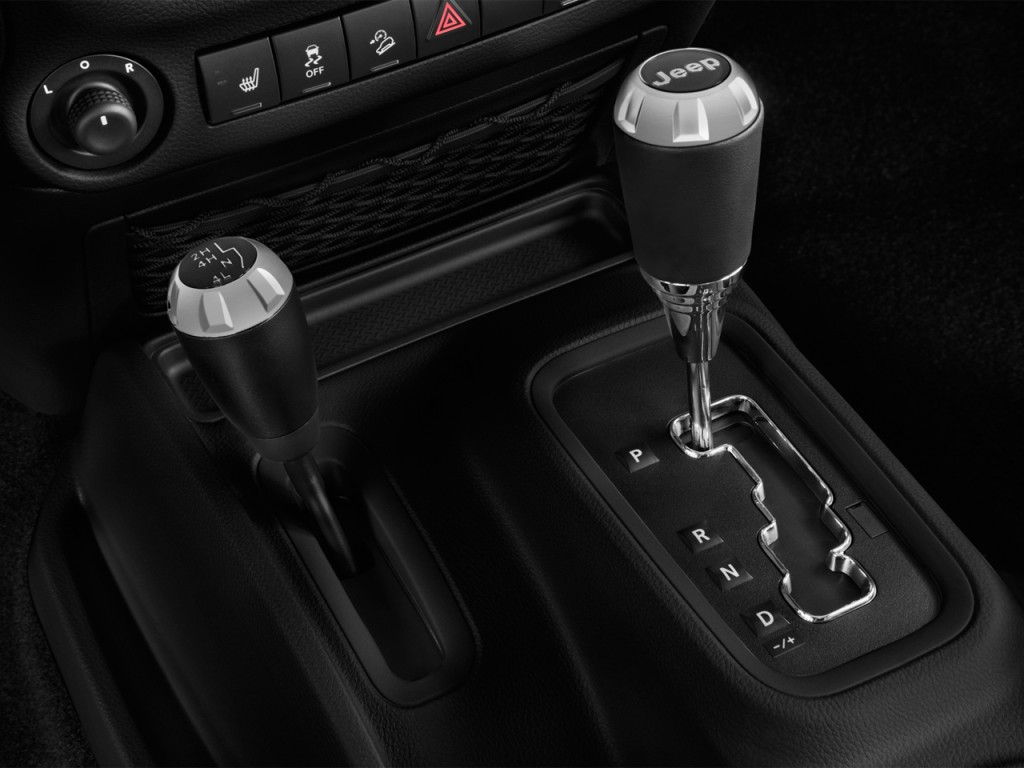
Unexpected insight: Some automatic Jeep Wranglers have a “4WD Auto” mode, which sends power to the front wheels only when needed. Check your trim and owner’s manual if your shifter has this option.
Maintenance And Long-term Care
- Engage all 4WD modes a few times a year, even if you don’t use them often, to keep parts lubricated.
- Listen for strange noises after shifting. Grinding or clunks may mean the shift didn’t complete.
- If you’re unsure, consult a certified Jeep mechanic.
Frequently Asked Questions
How Do I Know If 4wd Is Engaged On My Jeep Wrangler?
Most Wranglers have a dashboard indicator light that shows when 4H or 4L is active. If the light blinks or doesn’t turn on, try shifting again or check your manual.
Can I Switch To 4h While Driving?
Yes, you can shift from 2H to 4H while moving, as long as you’re under 55 mph. Always shift smoothly to avoid gear damage.
What Should I Do If My Jeep Gets Stuck In 4wd?
Stop the vehicle, place the transmission in Neutral, and try shifting back to 2H or 4H. If it’s still stuck, roll the Jeep slightly forward or backward. If the issue continues, seek professional help.
Is It Bad To Drive In 4wd All The Time?
Yes, driving in 4H or 4L on dry pavement can harm your drivetrain and tires. Use 4WD only when necessary.
Where Can I Find More Information About Jeep Wrangler 4wd Systems?
Visit the official Jeep website for detailed guides and updates.
Exploring with your Jeep Wrangler is more fun when you know exactly how to use your 4WD system. By understanding each mode and when to use it, you’ll protect your vehicle and get more out of every adventure.
Always check your manual for model-specific details, and enjoy the drive, wherever the road leads.