A Gladiator lifespan cannot be predicted from one mileage number. Towing, payload, trails, tires, modifications, corrosion, service records and repair decisions all influence how the truck ages.
Quick Answer
Judge a Gladiator through maintenance history, current condition, scan results, recall status and an independent inspection. Build the ownership plan around the truck in front of you, not a universal mileage promise.
Truck Use Changes Wear
A Gladiator used for towing, payload or frequent trails may need a different inspection from a commuter truck.
Modifications Deserve Evidence
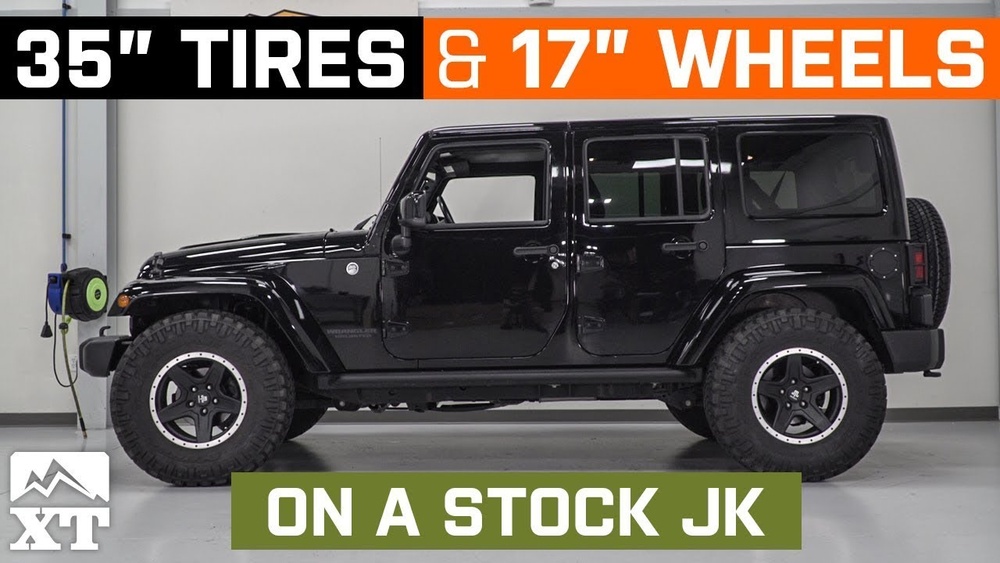
Lifts, tires, wheels, bumpers and lighting may affect alignment, steering, braking and repair cost. Ask for receipts and alignment records.
Inspect the Bed and Hitch Areas
Look for damage, wiring issues, corrosion and signs of heavy use. A clean cabin does not describe the truck’s workload.
Cold Start and Scan Add Evidence
Watch warning lamps, listen for abnormal noise and review stored or pending codes.
Recall Research Stays Current
Use the VIN with official lookup tools. Save the results and follow active campaign instructions.
First-Year Budget Matters
Include fluids, tires, brakes, battery, suspension and catch-up maintenance. Leave room after the purchase.
Key Details to Check
| Item | What to verify | Why it matters |
|---|---|---|
| Records | Maintenance timeline | Shows care quality |
| Use history | Towing, payload and trails | Explains wear |
| Modifications | Parts and alignment receipts | Affects drivability |
| Scan report | Codes and module response | Adds evidence |
| Recall lookup | Current VIN result | Checks active campaigns |
Step-by-Step Review
- Identify the model year, trim and equipment.
- Review records and ask how the truck was used.
- Inspect the bed, hitch, underside, tires and suspension.
- Start cold, scan modules and road-test the truck.
- Run a VIN recall lookup.
- Price immediate work and first-year maintenance.
- Choose based on evidence, not a mileage slogan.
Create a Vehicle-Specific Record
For How Long Does A Jeep Gladiator Last, keep VIN, mileage, service file, towing history, modification receipts, scan report and recall status. A short record for How Long Does A Jeep Gladiator Last prevents the next inspection, quote or update from relying on memory alone.
When to Stop and Get Qualified Help
Pause the DIY process for How Long Does A Jeep Gladiator Last when the truck has unsafe steering, structural corrosion, overheating, active recall precautions or unexplained electrical warnings. A controlled inspection is safer than changing several parts or assumptions at once.
Common Mistakes to Avoid
- Treating mileage as a guarantee.
- Ignoring towing and trail history.
- Assuming modifications add value automatically.
- Skipping the underside inspection.
- Using the entire budget on the purchase.
Frequently Asked Questions
Can a Gladiator last a long time?
It may, but maintenance, use, corrosion and repair decisions shape the outcome.
Do modifications reduce lifespan?
They may affect wear and drivability when the setup is poorly planned or installed.
Should I check recalls before buying?
Yes. Run a current VIN lookup and save the results.
Inspect the Truck Bed as a Work Record
Scratches, dents, tie-down wear, wiring changes and hitch condition reveal how the Gladiator may have been used. None of these automatically disqualify the truck, but they help you plan the inspection and price the first year.
Look for Modification Documentation
Ask for receipts, alignment reports and original parts. A lift or tire change should be evaluated with the steering, brakes and driveline.
Good documentation makes the modification easier to understand and maintain.
Create a Towing and Trail Log
After purchase, record towing weights, trail trips, tire rotations and fluid services. The log gives future maintenance decisions more context and makes the next inspection more efficient.
Use Workload, Not Mileage Alone
A Gladiator used for towing, payload and trails should have a maintenance plan that reflects the workload. Add trailer weights, off-road trips, tire rotations and fluid checks to the log.
The record gives a better longevity picture than an odometer number without context.
Track Workload in the Maintenance File
Record towing, payload, trail days, long road trips and tire rotations. Add fluid-service dates and inspection findings.
The log makes maintenance decisions more accurate because it reflects how the Gladiator was actually used.
Review Modifications as a System
A lift, larger tires and heavier accessories affect more than appearance. Check steering, braking, alignment and driveline behavior together.
Good receipts and alignment records make a modified truck easier to own.
Schedule Inspections Before Problems Grow
A regular underside and suspension review catches wear earlier, especially after trail use or towing. Note new noises, leaks and tire wear before they become normal to the driver.
Separate Age From Workload
A Gladiator that has spent years towing, carrying payload or driving rough trails deserves a different inspection from a lightly used commuter. Review tire wear, fluid-service history, hitch use and suspension condition together.
This workload summary gives the mileage figure practical meaning and helps set the next maintenance priorities.
Final Editorial Check
For How Long Does A Jeep Gladiator Last, complete the last review with records, modifications and recall lookup.
Save the VIN context and source date beside the result so the page remains useful for Gladiator longevity and used truck inspection on the exact Jeep being discussed.
Publication Review
Before publishing How Long Does A Jeep Gladiator Last, read the answer once as an owner and once as a technician or buyer.
Remove any statement that is not supported by the model year, VIN context or the editorial source list for Gladiator longevity and used truck inspection.
- How Long Will Jeep Grand Cherokee Last
- Best Truck Bed Tent For Jeep Gladiator
- Is A Jeep Gladiator A Good Truck
Final Takeaway
A Gladiator longevity estimate should be based on records, workload, modifications and inspection findings. Buy the condition, keep a repair reserve and check recalls by VIN.