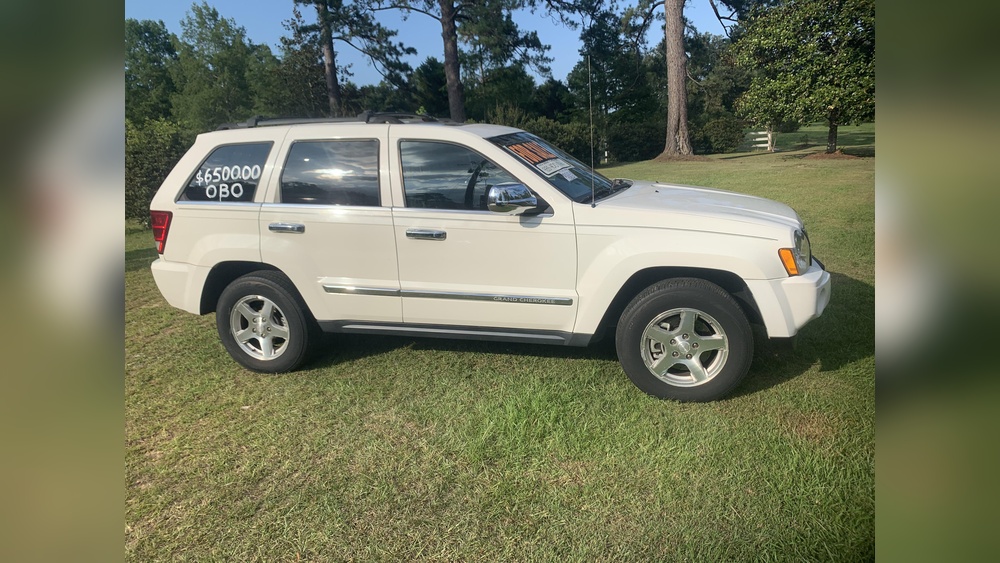
The Jeep Grand Cherokee is one of the most recognized SUVs in the United States. Many buyers want to know how long this vehicle will actually last before needing major repairs or replacement. This is not just about years or miles—it’s about what real owners experience. If you plan to buy a used Grand Cherokee, or keep your current one for as long as possible, understanding its lifespan helps you make smart choices.
Average Lifespan Of A Jeep Grand Cherokee
Most Jeep Grand Cherokee models last between 150,000 to 250,000 miles with proper care. That means if you drive about 15,000 miles per year, you can expect 10 to 16 years of service before significant issues appear. Some owners even report reaching over 300,000 miles with regular maintenance and a bit of luck.
But, not every Jeep makes it this far. The lifespan depends on several factors including model year, engine type, and how the SUV was maintained.
Key Factors That Affect Longevity
Maintenance And Care
The number one factor is maintenance. Regular oil changes, fluid checks, brake inspections, and replacing worn parts keep the engine and other systems running smoothly. Skipping recommended service can shorten the lifespan by tens of thousands of miles.
Model Year Differences
Older Grand Cherokees (1990s and early 2000s) have a reputation for strong engines, but some had issues with transmissions and electronics. Newer models offer better technology and safety, but can be more expensive to fix if major parts fail.
Driving Habits
Aggressive driving, heavy towing, and frequent off-roading put extra stress on the vehicle. City driving with lots of stop-and-go can also cause more wear than steady highway miles.
Climate And Environment
If you live in a region with harsh winters or salted roads, rust can become a problem. Hot climates may accelerate wear on the cooling system and AC. Garaging your SUV and regular cleaning help fight these effects.
Common Problems Over Time
No SUV is perfect. The Grand Cherokee is known for a few issues as it ages:
- Transmission failures (especially on older models)
- Electrical problems like window switches and dashboard lights
- Suspension wear leading to clunks or uneven tire wear
- Cooling system leaks and radiator issues
Catching these problems early can reduce repair costs and keep your Jeep running longer.
Jeep Grand Cherokee Reliability Compared To Rivals
How does the Grand Cherokee’s lifespan compare with other midsize SUVs? Here’s a quick look:
| Model | Expected Lifespan (Miles) | Reliability Rating (1-5) |
|---|---|---|
| Jeep Grand Cherokee | 150,000 – 250,000 | 3.5 |
| Toyota 4Runner | 200,000 – 300,000 | 4.5 |
| Ford Explorer | 150,000 – 250,000 | 3.0 |
| Honda Pilot | 180,000 – 250,000 | 4.0 |
Insight: While the Grand Cherokee performs well, it isn’t quite as famous for durability as the Toyota 4Runner. However, its comfort and features often beat more basic rivals.
Cost Of Ownership Over The Years
Keeping a Jeep Grand Cherokee running isn’t just about repairs. Consider these annual costs (average for a 10-year-old model):
| Cost Type | Average Annual Cost |
|---|---|
| Maintenance | $500 – $700 |
| Repairs | $400 – $800 |
| Insurance | $1,100 – $1,400 |
| Fuel | $1,500 – $2,500 |
Non-obvious tip: Some owners skip small repairs to save money, but this can lead to bigger (and more expensive) problems later.
What Owners Can Do To Increase Lifespan
- Follow the service schedule: Check the manual for oil change and fluid replacement intervals.
- Fix small problems quickly: Address warning lights, leaks, or strange noises before they grow.
- Use quality parts and fluids: Cheap parts can shorten your vehicle’s life.
- Drive smoothly: Avoid sudden acceleration and hard braking.
- Rustproof and clean regularly: Especially important if you live in snowy or humid climates.
Real-world Examples
Many Jeep Grand Cherokee owners share stories of their vehicles reaching high mileage with minimal trouble. For example, some forums feature owners with 200,000+ miles on their original engines. One driver from Illinois mentioned regular fluid changes and quick repairs as the keys to his Jeep’s long life.
On the other hand, Jeeps that miss oil changes or are used for heavy towing without proper upgrades often need major repairs before 150,000 miles.
When To Let Go
Even with the best care, there comes a time when repairs cost more than the vehicle is worth. Signs it may be time to move on:
- Engine or transmission failure in a high-mileage SUV
- Serious rust on the frame or suspension
- Repeated electrical or computer problems
- Repair costs that equal more than half the value of the vehicle

Frequently Asked Questions
How Many Miles Can A Jeep Grand Cherokee Last?
With good care, most Grand Cherokees reach 200,000 miles or more. Some can go beyond 250,000 miles if well maintained.
Are Jeep Grand Cherokees Expensive To Maintain?
They are not the cheapest, but not the most expensive either. Expect to pay $500–$700 per year for maintenance, and more if you need major repairs.
What Year Grand Cherokee Is The Most Reliable?
The 2010–2013 models are often seen as reliable, with fewer reported issues. Always check the vehicle’s history before buying used.
Is The Jeep Grand Cherokee A Good Choice For Long-term Ownership?
It can be a solid choice if you keep up with maintenance and accept a few repairs over time. It offers comfort and off-road ability many rivals lack.
Where Can I Find More Information About Jeep Grand Cherokee Reliability?
For more owner reviews and data, visit the Consumer Reports website.
Owning a Jeep Grand Cherokee is about enjoying the drive and being proactive with care. With attention and regular service, your Grand Cherokee can last for many years—possibly longer than you might expect.