If you drive a 1996 Jeep Cherokee, you know reliability is one of its best features. But even tough vehicles sometimes have electrical issues. One of the most important parts under the hood is the fuse box. This small box keeps your vehicle’s electrical systems safe. Understanding the under hood fuse box diagram can help you solve problems faster, save money, and avoid mistakes. Let’s explore how the fuse box works, what each fuse protects, and how to use the diagram for troubleshooting.
What Is The Under Hood Fuse Box?
The under hood fuse box is often called the power distribution center. It sits on the driver’s side, near the battery. Inside, you’ll find fuses and relays. Each fuse protects a different electrical circuit—like your headlights, cooling fans, or fuel pump. If something stops working, checking the fuse box is a smart first step.
1996 Jeep Cherokee Under Hood Fuse Box Diagram
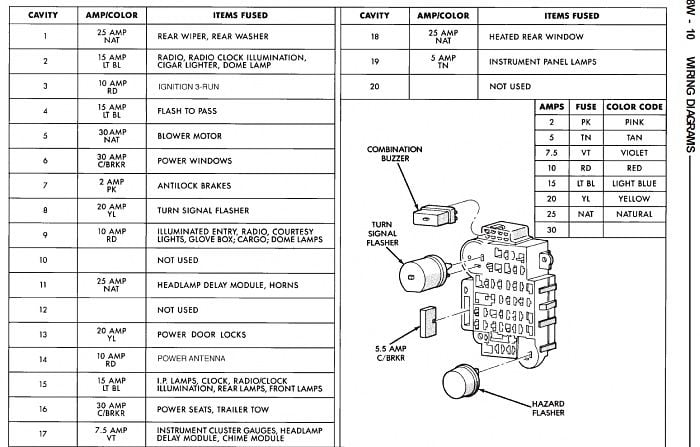
Here is a typical layout for the 1996 Jeep Cherokee’s under hood fuse box. Each fuse and relay is labeled, so you can quickly identify what it controls.
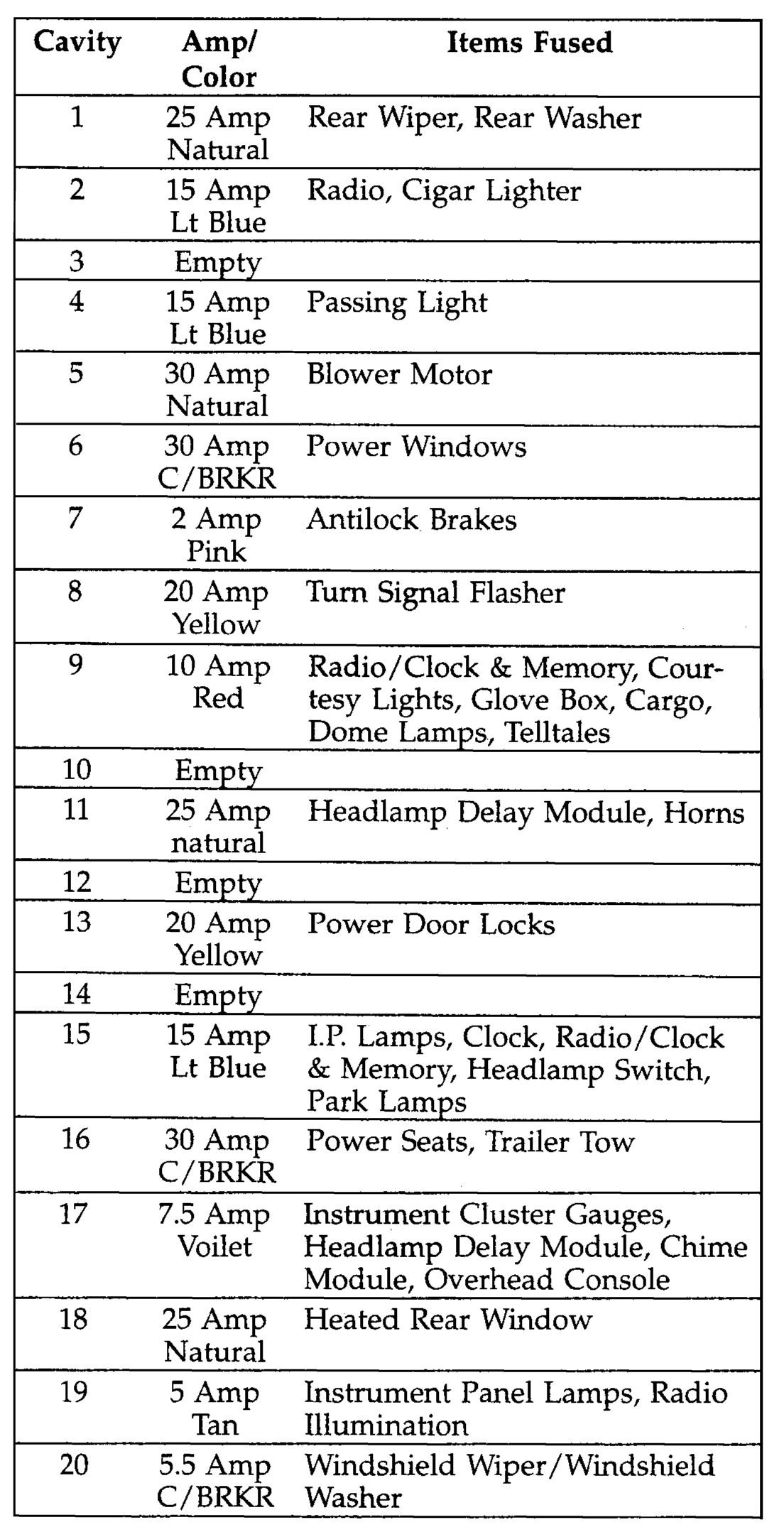
| Fuse/Relay | Amperage | Function |
|---|---|---|
| Fuse 1 | 30A | Radiator Fan |
| Fuse 2 | 40A | Ignition Switch |
| Fuse 3 | 30A | Fuel Pump |
| Fuse 4 | 20A | Headlights |
| Fuse 5 | 10A | Air Conditioning |
| Relay 1 | — | Starter |
| Relay 2 | — | Horn |
| Relay 3 | — | Cooling Fan |
| Relay 4 | — | A/C Compressor |
| Relay 5 | — | Fuel Pump |
The fuse box cover usually has a diagram showing each fuse and relay. If your cover is missing, this layout matches most 1996 Cherokee models.
How To Read The Fuse Box Diagram
Reading the diagram is easier than it looks. Each spot in the box is numbered or labeled. Match the number to the chart above. For example, if the radiator fan isn’t working, check Fuse 1 first. If the horn stops, look at Relay 2. Always use the right amperage—never replace a 20A fuse with a 30A fuse, or you risk damage.
Common Fuse Box Problems
Some issues happen more often than others:
- Blown fuse: If a circuit draws too much power, the fuse breaks to protect your vehicle.
- Corrosion: Moisture under the hood can cause rust and bad connections.
- Loose relays: Vibrations from driving can loosen relays.
- Wrong fuse size: Using the wrong amperage can damage your electrical system.
If your Jeep has electrical problems, always check the fuse box first. If you replace a fuse and it blows again, there might be a bigger problem in the circuit.
Practical Tips For Fuse Box Maintenance
Keeping the fuse box in good shape can prevent many headaches. Here are a few tips:
- Check for corrosion: Clean terminals gently with a brush.
- Keep the cover on: This stops water and dirt from getting inside.
- Use OEM fuses and relays: Cheap parts might not protect your Cherokee well.
- Label replacements: Note which fuses you replace, especially if you change amperages.
Many owners forget to check the fuse box cover for spare fuses. Jeep often includes extras in the lid, which can be a lifesaver on the road.
Comparing Cherokee Fuse Box To Other Models
How does the 1996 Cherokee’s fuse box compare to other SUVs? Here’s a quick look:
| Vehicle | Number of Fuses | Common Issues |
|---|---|---|
| 1996 Jeep Cherokee | 10 | Corrosion, blown fuses |
| 1996 Ford Explorer | 15 | Loose relays, melted fuses |
| 1996 Toyota 4Runner | 12 | Water damage, aging plastics |
Cherokee’s fuse box is simple and easy to access. Other models may have more circuits but can be harder to troubleshoot.
Troubleshooting With The Diagram
When something electrical fails, use the diagram to guide your checks:
- Find the failed system (e.g., headlights).
- Check the matching fuse in the diagram.
- Remove and inspect the fuse—look for a broken wire inside.
- If the fuse is fine, try the relay.
- Replace parts only with the correct amperage and type.
For example, if your fuel pump isn’t running, check Fuse 3 and Relay 5. If both are good, the problem may be deeper—like a wiring fault or bad pump.
Data Table: Fuse Box Amperage Range
Knowing the typical amperage range helps avoid mistakes:
| Circuit | Normal Amperage | Safe Replacement |
|---|---|---|
| Radiator Fan | 30A | 30A |
| Ignition Switch | 40A | 40A |
| Fuel Pump | 30A | 30A |
| Headlights | 20A | 20A |
| Air Conditioning | 10A | 10A |
Never use higher amperage “just to get by” it can cause expensive damage.

Two Insights Owners Often Miss
Many Jeep owners overlook spare fuses in the fuse box cover. Also, a weak relay can cause intermittent problems like headlights flickering. Don’t just check fuses; test relays too.
Frequently Asked Questions
How Do I Find The Under Hood Fuse Box In A 1996 Jeep Cherokee?
The fuse box is on the driver’s side, right next to the battery. It’s a black plastic box with a snap-on cover.
What Happens If I Use The Wrong Fuse Amperage?
Using a higher amperage fuse can damage your electrical system and cause fires. Always match the fuse to the diagram.
Can I Use Aftermarket Fuses And Relays?
It’s best to use OEM parts. Aftermarket fuses sometimes don’t break at the right amperage, risking your Jeep’s safety.
Why Do My Fuses Keep Blowing?
Repeated blown fuses mean a problem in the circuit like a short or a faulty device. Don’t just replace the fuse; find the cause.
Where Can I Find A Detailed Cherokee Fuse Box Diagram?
You can find official diagrams in the owner’s manual or online at Jeep’s official site.
Understanding your 1996 Jeep Cherokee under hood fuse box diagram can save you time, money, and stress. With the right knowledge and tools, you’ll keep your Cherokee running strong for years. If you ever get stuck, the diagram and these tips will help you solve most electrical problems quickly and safely.