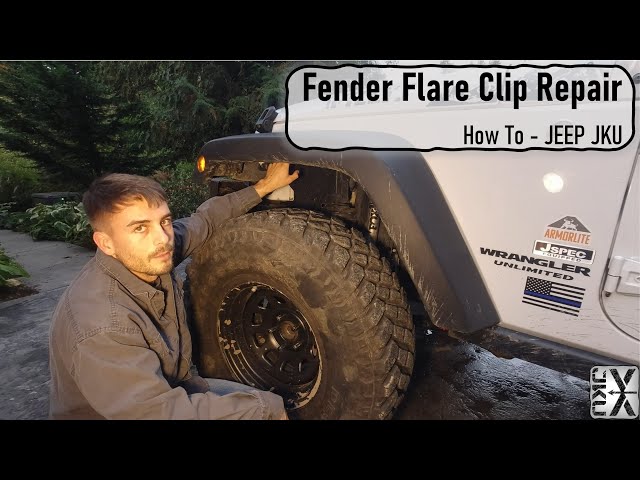
Replacing Jeep Wrangler fender clips might sound tricky, but it’s a job many owners can handle with just a few tools and a bit of patience. These small, often plastic, fasteners hold your fender flares and liners tightly in place.
Over time, clips can break or wear out—especially if you drive off-road, in harsh weather, or simply remove your fenders often.
If you notice a loose fender or missing clips, it’s time for a quick fix that can save you money and help protect your Jeep from dirt and debris.
Why Fender Clips Matter
Fender clips are more than just minor parts. They keep your fender flares secure, preventing them from rattling, shifting, or even falling off. This is especially important on rough terrain, where vibration and impacts are common. Poorly secured fenders can lead to paint damage, moisture buildup, or even allow debris to reach sensitive areas, causing rust or electrical issues.
You may not notice a missing or broken clip right away. However, even one missing clip can make the fender less stable.
In some cases, a loose fender can interfere with your tires or suspension, leading to more expensive repairs.
Tools And Materials You’ll Need
Getting the right tools helps prevent extra damage to your fender or liner. Here’s what you’ll need:
- Replacement fender clips (make sure they match your Jeep’s year and model)
- Flathead screwdriver or plastic trim removal tool
- Needle-nose pliers
- Clean cloth
- Spray lubricant (optional)
- Gloves (optional)
If you’re not sure which fender clips to buy, check your Jeep’s manual or ask at a local auto parts store. There are different types and sizes depending on model year, and using the wrong clip can make your fender unstable.
Step-by-step Guide: Replacing Jeep Wrangler Fender Clips
1. Prepare Your Jeep
Park on a level surface and turn off the engine. If possible, wash the area around the fender to remove dirt and mud.
This will help you see all the clips and prevent debris from falling into the holes.
2. Locate The Damaged Or Missing Clips
Inspect each fender flare and inner liner. Count how many clips are broken, missing, or loose.
Take note of their positions some clips are hidden behind the fender flare or inside the wheel well.
3. Remove The Old Clips
Use a flathead screwdriver or trim tool to gently pry out the broken clips. Insert the tool under the clip’s edge and twist slowly.
If a clip is stuck, use needle-nose pliers to pull out the remaining part. Avoid pulling too hard, as this can crack the plastic fender or liner.
4. Clean The Area
Wipe the holes and surrounding area with a clean cloth. If there’s dirt or rust, spray a small amount of lubricant and wipe again.
Clean holes make it easier for new clips to fit snugly.
5. Insert New Clips
Line up the replacement clip with the hole and press firmly until it clicks or snaps into place. For tight spots, use pliers to help push the clip in.
Check that each clip is fully seated loose clips can fall out quickly.
6. Double-check Your Work
Once all clips are installed, gently tug on the fender flare and liner. They should feel secure, with no rattling or movement.
If anything feels loose, check that the clip is installed correctly or try a slightly larger clip if needed.
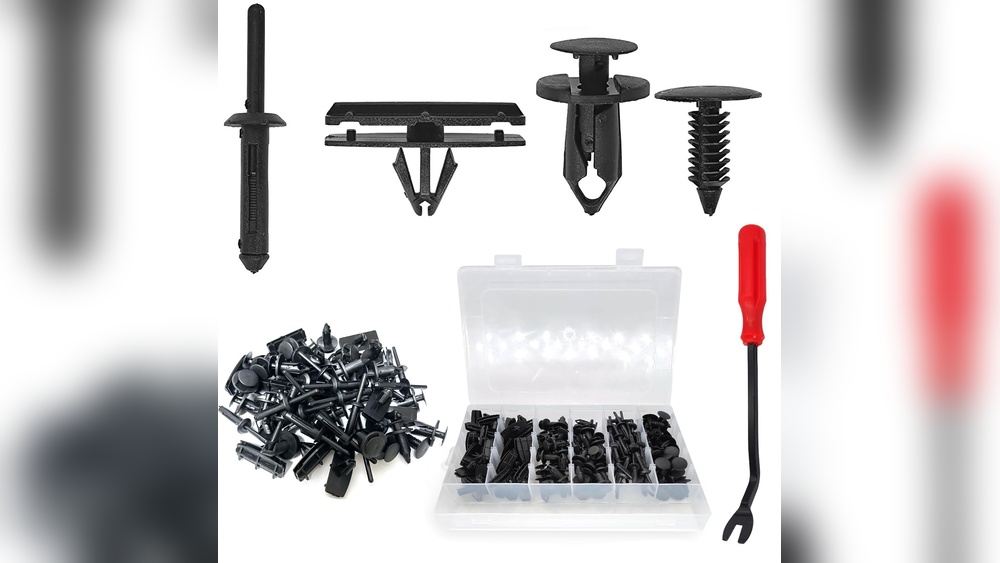
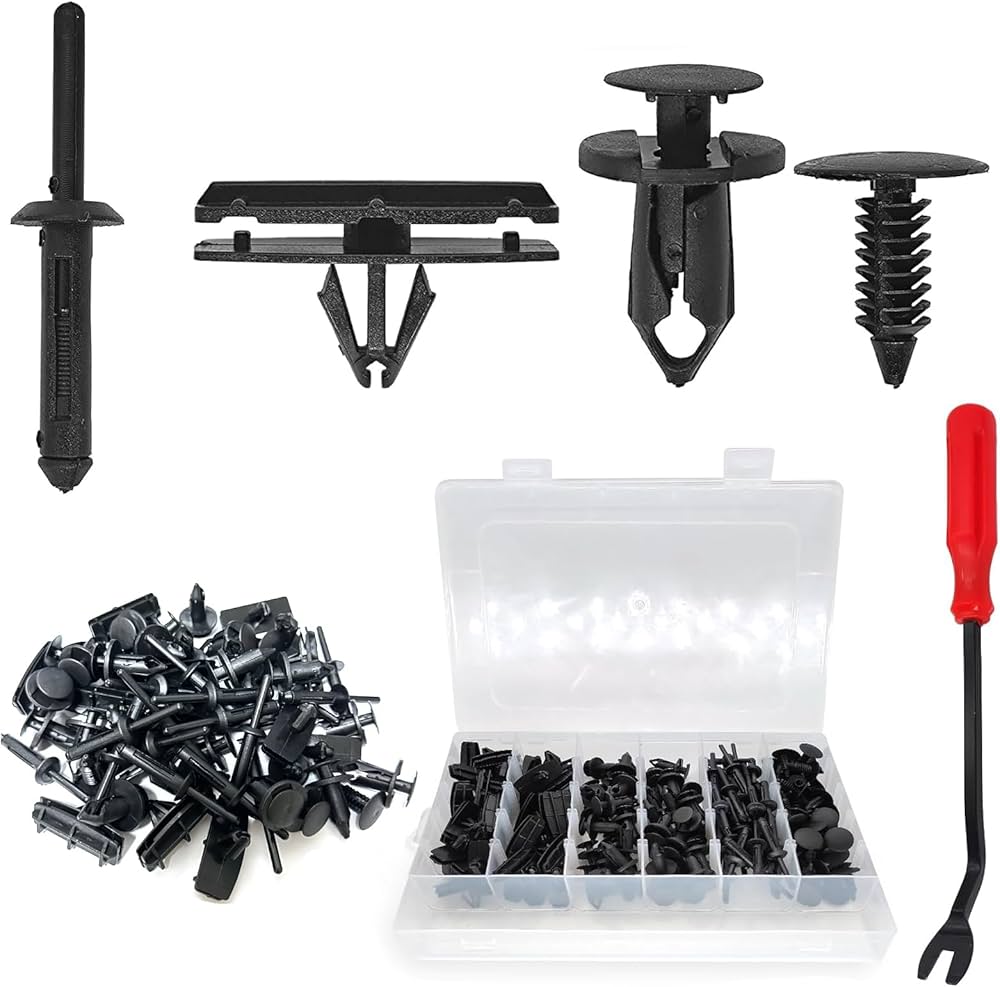
Common Types Of Jeep Wrangler Fender Clips
Not all fender clips are the same. Here’s a quick comparison of the most common types found on Jeep Wranglers:
| Clip Type | Material | Typical Use | Fits Models |
|---|---|---|---|
| Push-Type | Plastic | Fender Flares | JK, JL |
| Rivet-Type | Nylon | Inner Liners | TJ, JK |
| Screw-Type | Metal/Plastic | Heavy-duty areas | All Models |
It’s important to match the clip type to your Jeep’s model and the location on the fender.

Tips For A Smooth Replacement
- Buy extra clips: Some may break during removal.
- Use plastic tools: Metal tools can scratch paint or crack plastic parts.
- Work slowly: Rushing increases the chance of breaking the fender or liner.
- Check after off-road trips: Inspect clips after rough driving, as they can loosen.
- Store spare clips: Keep a few in your glove box for quick fixes on the trail.
Many Jeep owners overlook the importance of using the correct insertion angle. Clips should be pushed in straight, not at an angle, to avoid bending the fender material. Also, if you see rust in the clip holes, clean and treat it to prevent spreading.
How Much Does It Cost?
The price to replace fender clips is quite low compared to bodywork repairs. Here’s a look at typical costs:
| Item | Average Price (USD) | Comments |
|---|---|---|
| Plastic clips (pack of 20) | $10 – $20 | Most common choice |
| Metal clips (pack of 10) | $15 – $30 | Used in high-stress areas |
| Professional installation | $50 – $100 | Labor only |
Doing it yourself saves money and gives you a better understanding of your Jeep’s needs.
When To Get Professional Help
Most owners can handle this job, but there are times when calling a body shop makes sense. If the fender is cracked, holes are stripped, or you see hidden rust, a professional can repair or reinforce the area. They may also use specialty clips not available at regular stores.
Frequently Asked Questions
How Often Should I Replace Jeep Wrangler Fender Clips?
Most clips last several years. Replace them whenever you notice a loose fender, after off-road trips, or if they break during maintenance.
Can I Reuse Old Fender Clips?
Usually, no. Old clips lose tension and may crack when removed.
It’s best to use new ones for a secure fit.
Are All Jeep Wrangler Fender Clips The Same Size?
No, sizes and styles differ by model year and location on the vehicle. Always check your Jeep’s manual or consult a parts expert.
What If A Clip Hole Is Damaged Or Too Large?
You can use a slightly larger universal clip or a repair washer to hold the fender in place. For major damage, a body shop can repair or reinforce the area.
Where Can I Find More Information On Jeep Wrangler Maintenance?
You can visit the official Jeep maintenance page for detailed guides and service schedules.
Replacing Jeep Wrangler fender clips is a simple job that protects your vehicle’s looks and function. With the right tools and careful steps, you can do this repair yourself, saving time and money while keeping your Jeep ready for adventure.