Owning a Jeep Rubicon means you’re ready for adventure. Whether you’re crawling over rocks or crossing muddy trails, one feature sets the Rubicon apart: its lockers. But how do Jeep Rubicon lockers work, and why are they so important for off-roading? This guide explains everything in plain, simple English, even if you’re new to 4×4 vehicles.
What Are Lockers In A Jeep Rubicon?
Lockers, or locking differentials, are special devices in the Rubicon’s drivetrain. In basic terms, they connect the wheels on the same axle so both turn together, no matter what. Normally, a differential lets wheels spin at different speeds. This is good for turning corners, but not so good when one wheel loses traction, like on slippery rocks or mud.
When you activate lockers, both wheels move as a team. If one wheel is slipping, the other keeps pulling. This is what gives the Rubicon its famous off-road power.
How Do Rubicon Lockers Work Mechanically?
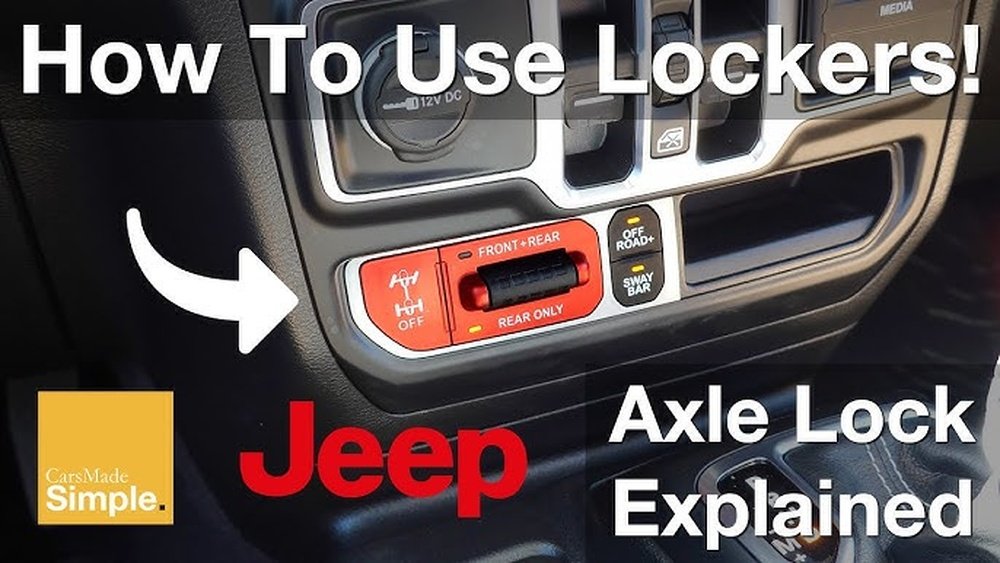
The Jeep Rubicon uses electronic lockers. This means you press a button inside the cabin, and the lockers engage. Here’s a simple breakdown:
- Electronic signal: You press the locker button.
- Actuator engages: An electric motor inside the differential moves a locking mechanism.
- Locking the axle: This mechanism connects both axle shafts, forcing the wheels to turn together.
Let’s compare a normal differential vs a locked differential:
| Type | Wheel Action | Traction |
|---|---|---|
| Open Differential | Wheels spin independently | Low if one wheel slips |
| Locked Differential | Wheels spin together | High, even if one wheel slips |
Rubicon lockers are available for both front and rear axles. You can choose which to lock, depending on the terrain.

When Should You Use Rubicon Lockers?
Lockers are not for everyday driving. Using them on dry, paved roads can damage your drivetrain. Here’s when to use them:
- Rock crawling: When one wheel hangs in the air or loses grip.
- Deep mud/snow: When you need maximum traction.
- Steep climbs: When wheels might slip or spin.
A common mistake is to use lockers too early. Wait until you really need extra grip.
This saves your Jeep’s parts and makes driving easier.
Rubicon Lockers Compared To Other Systems
Some 4x4s use limited-slip differentials or traction control systems. The Rubicon’s lockers offer stronger control.
| System | How It Works | Best For |
|---|---|---|
| Lockers | Locks wheels together | Extreme off-road |
| Limited-Slip | Transfers some power if one wheel slips | Mixed surfaces |
| Traction Control | Uses brakes to control wheel spin | Light off-road, daily driving |
Lockers give the Rubicon a big advantage. On tough trails, they help you keep moving when other vehicles might get stuck.
Practical Tips For Using Rubicon Lockers
- Engage lockers only when needed: Don’t use them on dry roads.
- Use low gear: Lockers work best with 4-Low.
- Unlock after the obstacle: Once you’re clear, turn them off.
- Check your tires: Good tires are just as important as lockers.
- Practice: Try lockers in a safe area before going on tough trails.
One insight many beginners miss: lockers can make steering harder. When both wheels are locked, the Jeep wants to go straight. Turn slowly and carefully.
Another tip: lockers don’t fix everything. If you’re stuck because all wheels are spinning in mud, lockers won’t help. Traction matters most.
Real-world Example: Jeep Rubicon On Moab Trails
On famous off-road spots like Moab, Utah, Rubicon owners use lockers to climb steep rocks. Without lockers, a wheel might spin uselessly. With lockers, the Jeep crawls up easily, keeping all wheels working together. Some Rubicon drivers report finishing trails others can’t, thanks to the locking differentials.
Rubicon lockers have a strong reputation. According to Jeep, the Dana 44 axles and lockers help drivers tackle “the toughest terrain on Earth.” This makes the Rubicon one of the top choices for serious off-roaders.

Rubicon Locker Maintenance And Common Issues
Lockers are tough, but they need care. Here are some tips:
- Check wiring: Electronic lockers rely on wiring and sensors. Inspect them after rough trips.
- Listen for noises: Clicking or grinding means something’s wrong.
- Service axles: Change axle fluid regularly to keep everything smooth.
If lockers fail, your Jeep may lose traction. Get them checked by a mechanic if you notice problems.
Here’s a quick comparison of locker maintenance vs open differential maintenance:
| Type | Service Interval | Common Issues |
|---|---|---|
| Rubicon Locker | Every 12,000 miles | Wiring, actuator failure |
| Open Differential | Every 30,000 miles | Fluid leaks |
Frequently Asked Questions
What Makes Rubicon Lockers Different From Regular Jeep Models?
Rubicon lockers are electronic and can lock both front and rear axles. Regular Jeeps often have open or limited-slip differentials, which are less effective for hard off-road use.
Can I Use Lockers On Paved Roads?
No. Lockers are for off-road only.
Using them on pavement can damage your Jeep’s drivetrain and make steering difficult.
How Do I Know When To Activate The Lockers?
If you feel a wheel spinning or losing grip, and you’re on tough terrain, activate the lockers. Wait until you really need extra traction.
Are Rubicon Lockers Reliable?
Yes, but they require regular maintenance. Check wiring and axle fluid often, especially after heavy off-road use.
Do Lockers Improve Towing Or Hauling?
Lockers don’t help with towing. They’re designed for off-road traction, not for pulling heavy loads.
Jeep Rubicon lockers are a powerful tool for anyone serious about off-roading. Understanding how they work—and when to use them—can make your adventures safer and more fun. For more technical details, you can visit the official Jeep site: Jeep Wrangler Rubicon. With the right knowledge and care, your Rubicon will take you anywhere the trail leads.