If you own a Jeep, you know it’s built for adventure. But when your Jeep needs repairs or upgrades, it’s important to know exactly what’s under the hood—or, in this case, under the body.
One part many owners overlook is the transfer case. This crucial component splits power between the front and rear axles, giving your Jeep its legendary off-road capability.
If you need replacement parts, want to upgrade, or are just curious, you’ll need to identify your Jeep’s transfer case correctly.
Misidentifying the transfer case can lead to wrong parts, wasted money, and even damage. Let’s break down how you can quickly and accurately identify the transfer case in your Jeep, even if you have little mechanical experience.
Why Transfer Case Identification Matters
Every Jeep model can come with different transfer cases based on the year, trim, and drivetrain. For example, a Wrangler TJ from 2003 might have a different case than a 2015 Grand Cherokee. Getting the right information saves you from headaches later.
- Transfer cases impact gear ratios, towing capacity, and even fuel economy.
- Certain transfer cases accept upgrades like a slip yoke eliminator, while others do not.
- Some transfer cases are chain-driven, others are gear-driven. This changes their strength and noise level.
Quick Ways To Identify Your Jeep Transfer Case
You don’t need to be a mechanic to identify your transfer case. Here are the easiest methods:
1. Check The Id Tag Or Plate
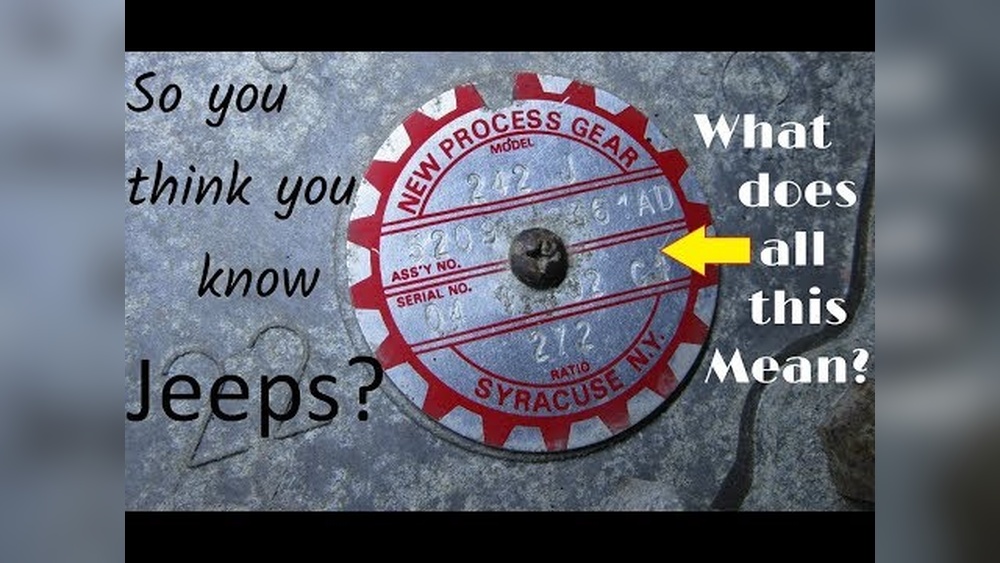
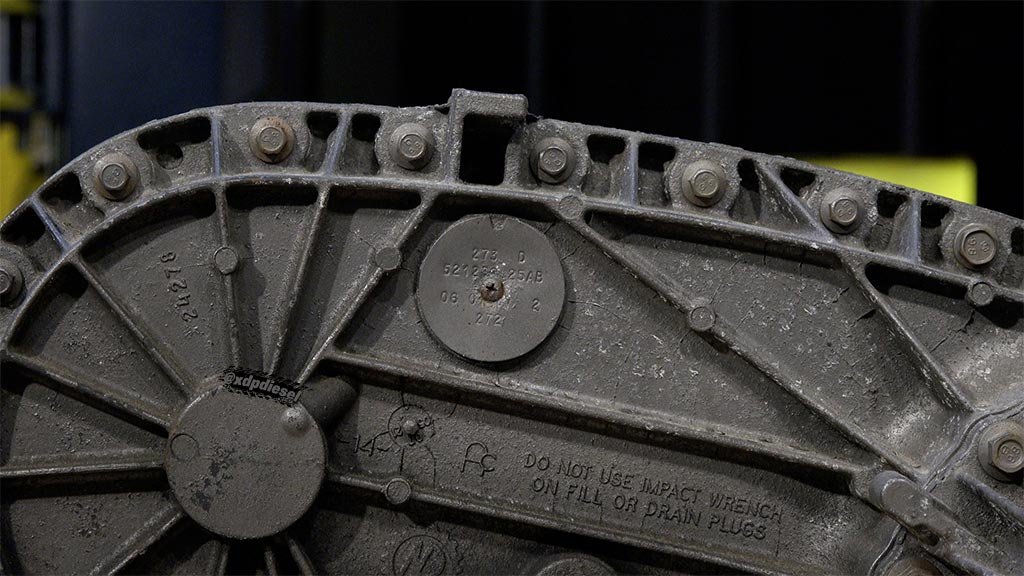
Most Jeep transfer cases have a metal tag or sticker attached to the case itself. This tag will list the model number, serial number, and sometimes even the gear ratio.
- Common locations: Rear of the case, near the input shaft, or on the side.
- Use a flashlight and rag to clean off dirt for better visibility.
- Look for Casting Numbers
If the ID tag is missing or unreadable, try looking for raised numbers or letters cast directly into the metal housing. These can help cross-reference the model.
3. Compare Shifter Patterns
Each transfer case has a unique shifter pattern (the way you move the lever to select 2WD, 4WD, Neutral, etc.). For example:
- NP231: 2H–4H–N–4L
- NP242: 2H–4H Full Time–4H Part Time–N–4L
- Check Your Owner’s Manual or Build Sheet
The owner’s manual often lists the transfer case. For more precise info, you can use your Jeep’s VIN to get the build sheet online, which specifies the transfer case from the factory.
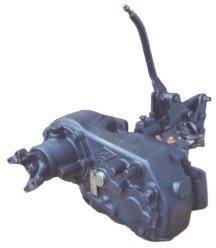
5. Visual Comparison
The shape, size, and number of bolts on the transfer case can also help. Comparing to online reference images is a practical approach.
Common Jeep Transfer Case Models
Jeep has used several main transfer cases over the decades. Here’s a quick comparison of the most common models:
| Model | Years Used | Main Jeep Models | Type |
|---|---|---|---|
| NP231 | 1987–2006 | Wrangler YJ/TJ, Cherokee XJ | Chain-driven, Part-time 4WD |
| NP242 | 1987–2001 | Cherokee XJ, Grand Cherokee ZJ | Chain-driven, Full/Part-time 4WD |
| NP241 | 2007–present | Wrangler JK/JL | Chain-driven, Part-time 4WD |
| NP247 | 1999–2004 | Grand Cherokee WJ | Chain-driven, Full-time 4WD |
How To Decode Your Transfer Case Tag
If you find your transfer case tag, it might look like a string of letters and numbers. Here’s how to break it down:
| Tag Example | Model | Serial Number | Build Date |
|---|---|---|---|
| 231J 123456 07 15 95 | NP231 (Jeep version) | 123456 | July 15, 1995 |
| 242J 654321 03 10 98 | NP242 (Jeep version) | 654321 | March 10, 1998 |
The first part (e.g., 231J) is your model—J stands for Jeep. The rest is the unique serial number and build date.
What If The Tag Is Missing?
Don’t panic if your tag is gone or unreadable. Here’s what you can do:
- Take clear photos of the case from all angles.
- Count the bolts on the rear output housing—different models use a unique number.
- Measure the length from input to output. NP231s are about 16.5 inches, NP242s are roughly 20 inches.
- Look at the input and output shaft splines (fine or coarse). Some cases have unique patterns.
If you’re still unsure, Jeep forums and groups are filled with experts who can help you identify your transfer case using your photos and details.
Non-obvious Insights For Beginners
- Not all 4WD systems are the same: Some Jeeps have full-time, some have part-time 4WD. The transfer case model determines this. Installing the wrong one can mess up your drivetrain.
- Aftermarket upgrades depend on model: Want a heavy-duty SYE kit or low-range gears? Not all transfer cases accept them. Knowing your model first avoids wasted purchases.
Common Mistakes To Avoid
- Assuming all Wranglers use the same transfer case. Even within a single year, different trims may have different models.
- Ignoring the build sheet. It’s the most accurate source for your Jeep’s factory equipment.
- Buying parts based only on year or Jeep model. Always confirm with the transfer case tag or visual inspection.
Practical Example
Let’s say you have a 1997 Jeep Cherokee XJ. You crawl under and see a tag that says “231J.” That means you have an NP231 transfer case. You can now search for NP231-specific parts, knowing they’ll fit your Jeep.
Where To Find More Information
If you need to decode VINs or search for build sheets, the official Mopar Jeep site offers free tools for Jeep owners.
Frequently Asked Questions
How Do I Know If My Jeep Transfer Case Is Full-time Or Part-time?
Check the shifter pattern on your center console. If it says “4WD Full Time,” you have a full-time system (like the NP242 or NP247). If it only shows “4WD Part Time,” it’s a part-time system (like the NP231).
Can I Upgrade My Transfer Case To A Different Model?
Yes, but it’s not always simple. Swapping to a different model often means changing driveshafts, linkages, or even transmission adapters. Research compatibility before buying anything.
Is The Transfer Case Tag Always Present?
Not always. Over time, tags can fall off or get covered in grime.
If yours is missing, use visual clues and measurements to help identify it.
What Does “chain-driven” Vs. “gear-driven” Mean?
Chain-driven transfer cases use a chain to link shafts. They’re lighter and quieter but may stretch over time. Gear-driven ones use only gears—stronger but heavier and sometimes noisier.
How Do I Find My Jeep’s Build Sheet?
Use your Jeep’s VIN on the official Mopar site or ask a Jeep dealer. The build sheet lists all original equipment, including the transfer case.
Identifying your Jeep’s transfer case isn’t hard if you know what to look for. Taking a few minutes to check the tag, compare patterns, and use your VIN can save you time, money, and frustration down the road.
With this knowledge, you can confidently buy the right parts and keep your Jeep ready for any adventure.