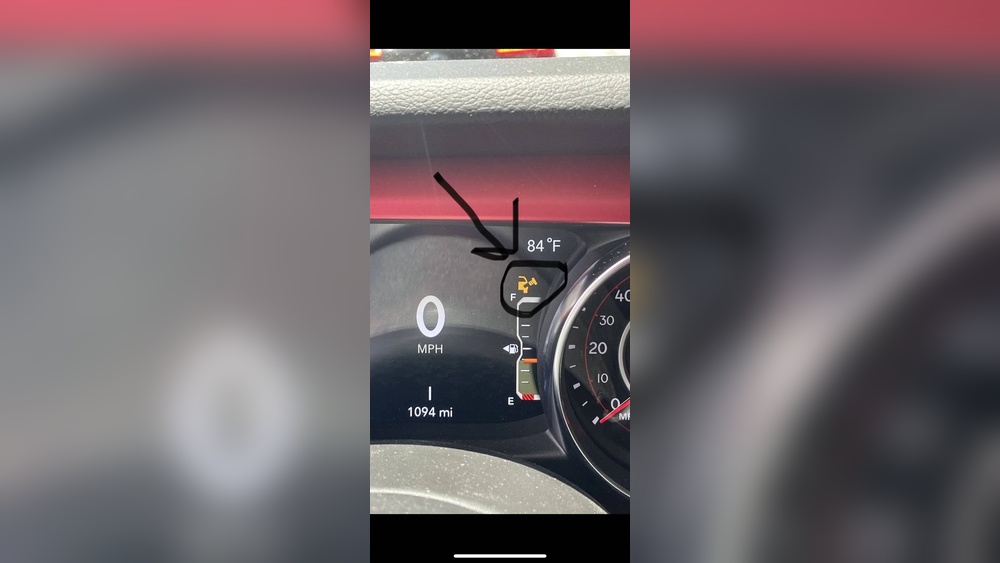
Seeing the gas cap light come on in your Jeep can be confusing and a little worrying. You might wonder, “Is it safe to keep driving?
What’s really causing this warning? ” That little light isn’t just a random alert it’s your Jeep’s way of telling you there could be a problem with the fuel system, usually related to the gas cap or the evaporative emissions system.
But don’t panic. Understanding what triggers this light and how to fix it can save you time, money, and stress.
Keep reading, and you’ll discover simple steps to diagnose and solve the gas cap light issue on your Jeep so you can get back on the road with confidence.
Gas Cap Light Causes
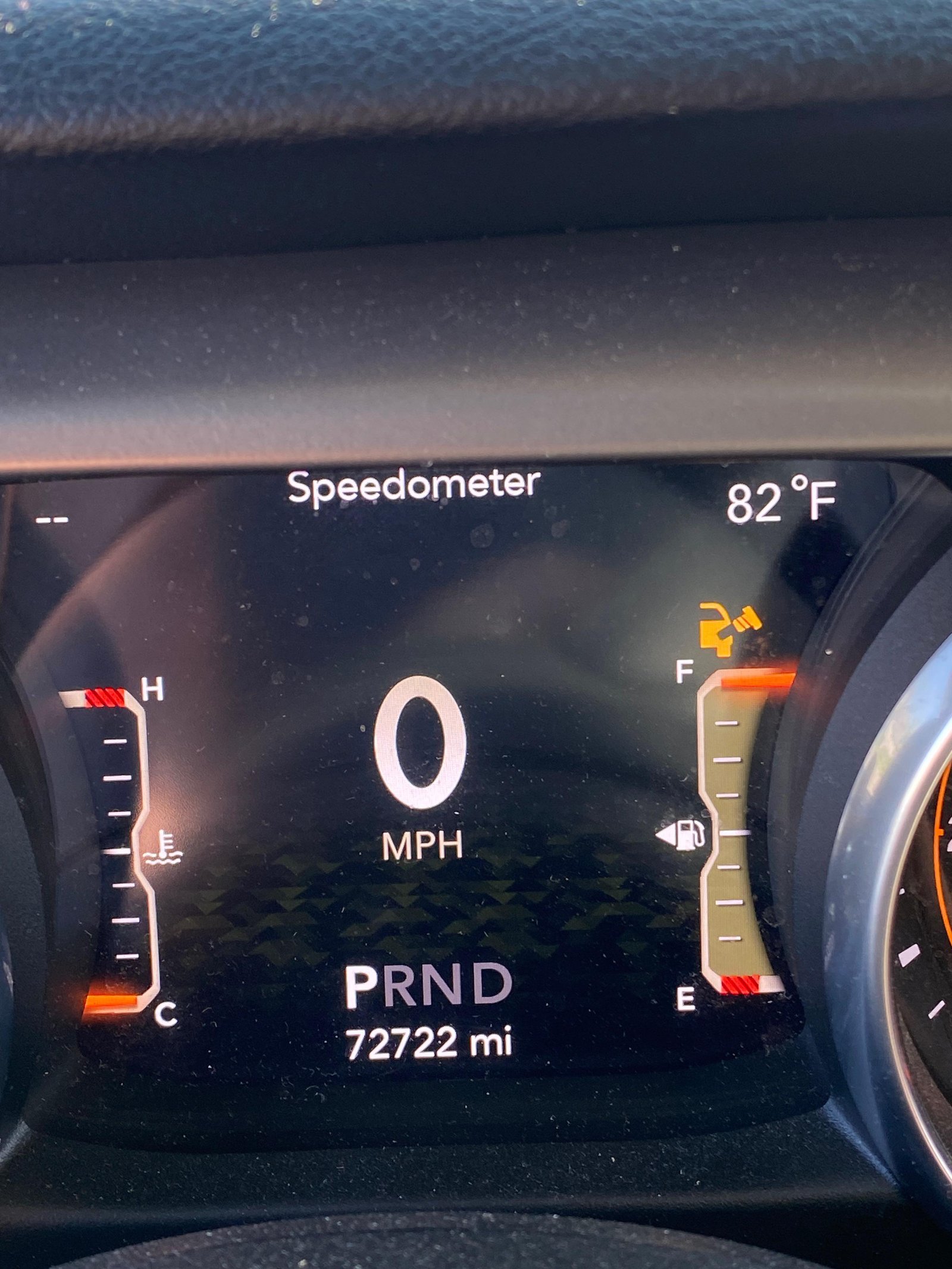
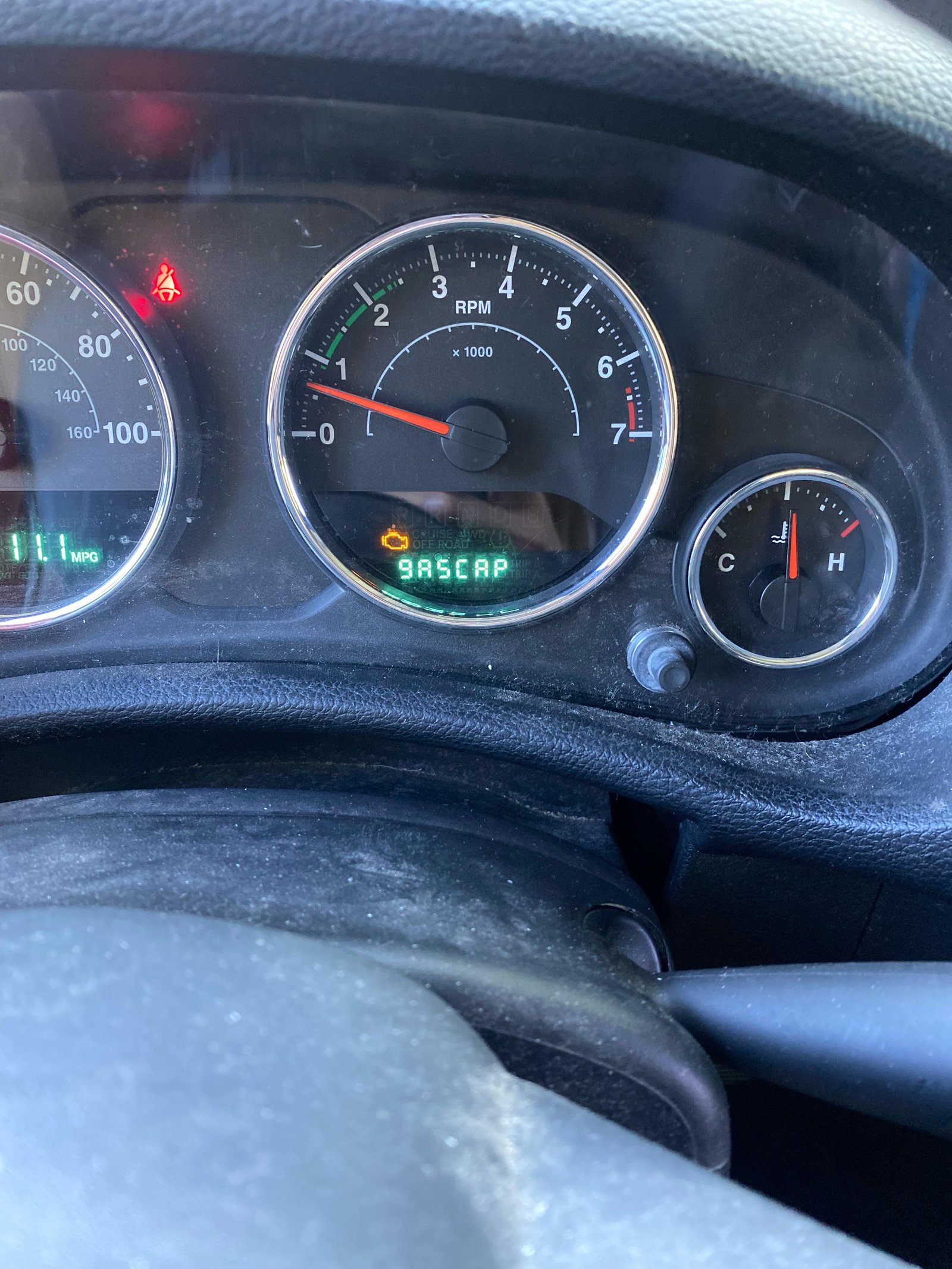
The gas cap light on a Jeep often signals a problem with the fuel system. This warning helps protect the environment by monitoring fuel vapor leaks.
Several issues can trigger this light, ranging from simple to complex. Understanding the causes helps you address the problem quickly and avoid further damage.
Loose Or Missing Gas Cap
A loose or missing gas cap is the most common cause of the gas cap light. The cap seals the fuel tank, preventing vapors from escaping.
If the cap is not tightened properly or lost, vapors leak out. This triggers the EVAP system to turn on the warning light.
Damaged Gas Cap Or Gasket
The gas cap and its gasket can wear out over time. Cracks or damage reduce the seal’s effectiveness.
A damaged gasket allows fuel vapors to escape. Even if the cap is tight, the light may stay on if the seal is broken.
Cracked Evap Hoses
EVAP hoses connect the fuel tank to the emissions system. These hoses can crack or break due to heat and age.
Cracks cause vapor leaks, which the system detects. A cracked hose often causes the gas cap light to come on.
Faulty Sensors
Sensors in the EVAP system monitor pressure and vapor leaks. Sometimes, these sensors fail or give false readings.
A faulty sensor can trigger the gas cap light without any actual leak. Replacing the sensor might be necessary to fix the issue.
Rust Around Filler Neck
Rust can build up around the fuel filler neck where the gas cap sits. Rust prevents the cap from sealing tightly.
Even a small gap lets vapors escape. This causes the gas cap light to turn on, signaling a leak in the system.
Quick Gas Cap Fixes
Quick gas cap fixes can often solve the gas cap light issue on your Jeep. This light signals a problem with the evaporative emissions system.
Usually, it points to a loose or faulty gas cap. Simple checks and repairs help turn off the warning light fast.
These fixes do not require special tools or skills. Anyone can perform them with a little care.
Try these steps before visiting a mechanic. They save time and money while keeping your Jeep running smoothly.
Tighten The Gas Cap Properly
Start by removing the gas cap and putting it back on. Turn the cap clockwise until it clicks.
The clicks show the cap is tight enough. A loose cap often triggers the warning light.
Check that it fits snugly and seals the tank well.
Replace Worn Or Damaged Gas Cap
Inspect the gas cap for cracks or worn seals. Old caps lose their ability to seal the fuel system.
Buy a new, genuine Mopar OEM gas cap for the best fit. Replace the old cap and tighten it properly.
This step often clears the gas cap light.
Inspect And Repair Evap Hoses
Look under the hood for cracked or loose EVAP hoses. These hoses connect the fuel tank to the emissions system.
Damaged hoses cause leaks and trigger the light. Fix small cracks with tape or replace hoses if needed. Make sure all connections are tight.
Clean Rust From Filler Neck
Rust around the fuel filler neck can stop the gas cap from sealing well. Use fine sandpaper or a wire brush to remove rust gently.
Wipe the area clean before replacing the gas cap. A smooth surface helps the cap seal tightly and stops leaks.
Reset The Warning Light
After fixing the gas cap issue, the light may stay on for some time. Drive your Jeep for several trips to let the system reset.
If the light does not turn off, disconnect the battery for 10 minutes. Reconnect it to reset the vehicle’s computer. This action often clears the warning.
When Light Stays On
The gas cap light on a Jeep may stay on despite tightening or replacing the cap. This usually points to a deeper issue in the fuel system.
The onboard computer senses a leak or pressure loss in the evaporative emissions system. Fixing just the gas cap might not solve the problem.
Look beyond the gas cap to find hidden leaks or damaged parts. These small issues can trigger the warning light and affect your Jeep’s performance.
Follow these steps to diagnose and address the problem properly.
Check For Leaks Beyond Gas Cap
Inspect the area around the gas tank carefully. Look for cracks or loose fittings in hoses and connections.
Small leaks can let fuel vapors escape and keep the light on. Pay attention to the filler neck and nearby seals.
Inspect Fuel System Components
Examine hoses, clamps, and valves connected to the fuel tank. Check for splits, wear, or damage that can cause leaks.
The charcoal canister and purge valve are common spots for problems. Replace parts showing signs of aging or corrosion.
Use Oem Parts For Replacement
Replace faulty parts with original equipment manufacturer (OEM) components. Genuine Mopar parts fit better and maintain system integrity.
Cheap or generic parts may not seal correctly or last long. OEM parts help keep the evaporative system airtight.
Temporary Tape Repairs For Hoses
Use high-quality tape to cover small hose cracks temporarily. This can stop vapor leaks until proper repairs happen.
Avoid using regular tape that cannot withstand heat or chemicals. Temporary fixes help prevent the light from staying on while waiting for parts.
Seek Professional Diagnosis
Visit a trusted mechanic if the light remains on after checks and repairs. Professionals can perform detailed tests on the EVAP system.
They use scanners and smoke machines to find hidden leaks. A correct diagnosis saves time and money on unnecessary part replacements.
Driving With Gas Cap Light
Seeing the gas cap light on your Jeep can be worrying. This light signals a problem with the fuel system’s seal.
Many drivers wonder if it is safe to keep driving. Understanding the risks helps you decide what to do next.
Is It Safe To Drive?
Driving with the gas cap light on is usually safe for short trips. The light means the system detects a small leak or loose cap.
It does not mean the engine will stop working. Still, avoid long drives until the issue is fixed.
A loose gas cap can cause fuel to evaporate, which wastes gas and may smell unpleasant.
Potential Impact On Emissions
The gas cap light signals a problem with the evaporative emissions system. This system stops harmful fuel vapors from escaping into the air.
A loose or damaged gas cap can let vapors out. This increases pollution and can cause your Jeep to fail an emissions test.
Fixing the issue helps protect the environment and keeps your Jeep legal.
When To Visit A Mechanic
If tightening the gas cap does not turn off the light, visit a mechanic. The problem could be a cracked hose or a faulty sensor.
Mechanics can check the entire fuel system for leaks. They will replace worn parts to stop the light from coming on again.
Do not ignore the warning light for too long. Early repairs prevent bigger, expensive problems later.
Preventing Gas Cap Issues
Preventing gas cap issues on your Jeep helps avoid the annoying gas cap light. This light usually appears because the system detects a leak or pressure loss in the fuel system.
You can save time and money by taking simple steps to prevent these problems. Proper care keeps your Jeep running smoothly and your dashboard free of warning lights.
Regular Gas Cap Inspections
Check your gas cap often for cracks or damage. A damaged cap cannot seal the fuel tank properly.
Inspect the rubber seal or O-ring for wear or brittleness. Replace the cap if it shows signs of damage.
Tighten the gas cap until you hear a click each time you refuel. Loose caps cause the gas cap light to come on.
Proper Fueling Habits
Avoid overfilling your gas tank. Stop fueling when the pump clicks off automatically.
Overfilling can damage the fuel system and cause leaks. Always screw the gas cap on tightly after fueling.
Make sure the cap is secure to prevent vapor leaks that trigger the warning light.
Using Quality Replacement Parts
Use only high-quality gas caps designed for your Jeep model. Cheap or generic caps often fail to seal correctly.
Genuine Mopar OEM gas caps fit perfectly and last longer. They help maintain the integrity of the fuel system.
Always buy parts from trusted sources to ensure reliability and safety.
Frequently Asked Questions
Is It Okay To Drive With The Gas Cap Light On?
Driving with the gas cap light on is not recommended. It may cause fuel vapor leaks and trigger the check engine light.
Tighten or replace the gas cap promptly to avoid emissions issues and possible fuel system damage. If the light stays on, inspect the EVAP system for leaks.
How Do You Clear A Gas Cap Light?
Tighten the gas cap firmly until it clicks. Drive for a few miles to reset the light.
Replace the cap if the light stays on.
Why Does My Car Keep Saying Check Gas Cap When Everything Is Fine?
The “check gas cap” message can appear due to a loose cap, worn seal, cracked EVAP hose, or a faulty sensor even if the cap seems fine. Inspect the cap, seals, and fuel system for leaks or damage to resolve the issue.
What Else Can Cause A Gas Cap Light To Come On?
A gas cap light can also come on due to a cracked EVAP hose, faulty sensor, worn gas cap gasket, or rust around the filler neck.
These issues cause leaks or pressure loss in the evaporative emissions system, triggering the warning even if the cap is tight.
Conclusion
The gas cap light on your Jeep signals a possible fuel system issue. Start by tightening or replacing the gas cap.
Keep an eye on hoses and seals for cracks or leaks. Rust near the filler neck can also cause problems.
If the light stays on, inspect the EVAP system thoroughly. Addressing these issues early helps avoid costly repairs.
Drive safely and keep your Jeep running smoothly.