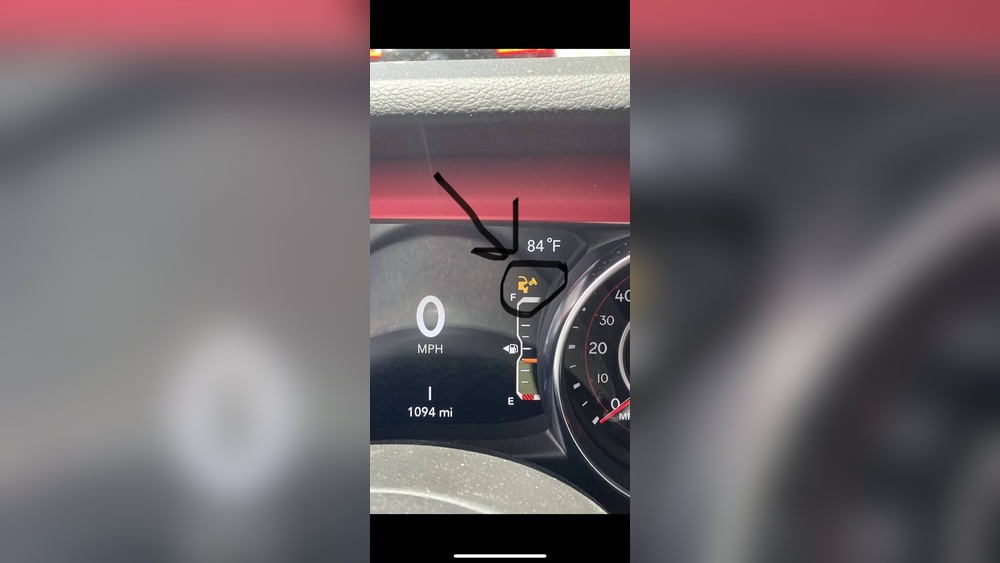
Seeing the gas cap light on your Jeep can be frustrating and confusing. You might wonder if it’s something serious or just a simple fix.
This little warning light is more important than you think it’s your Jeep’s way of telling you there could be a problem with the fuel system. Ignoring it might lead to bigger issues down the road, but don’t worry.
You’ll learn exactly why your gas cap light comes on, what it means, and the easy steps you can take to fix it yourself.
Keep reading to save time, avoid costly repairs, and keep your Jeep running smoothly.
Gas Cap Light Causes
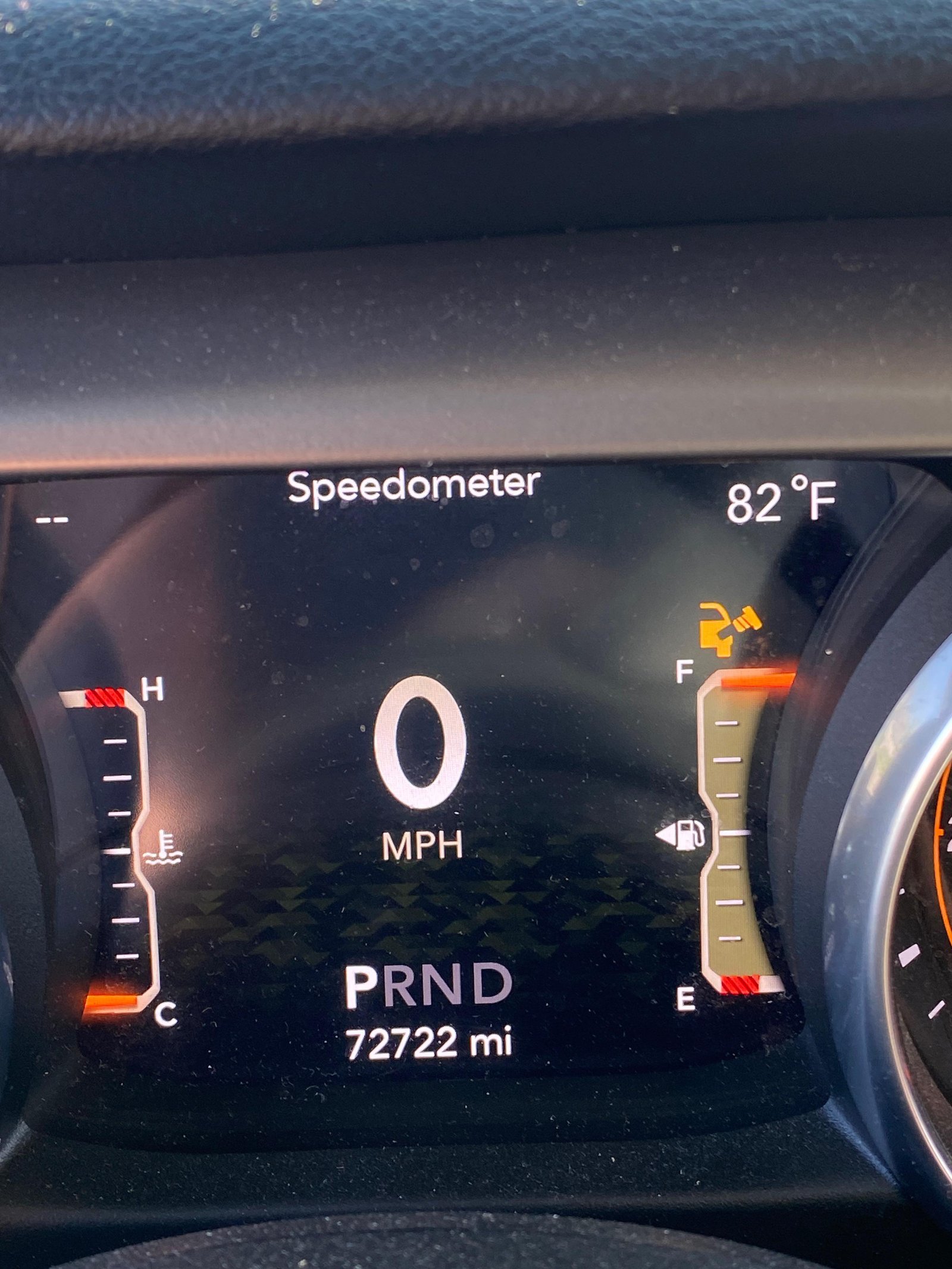
The gas cap light on a Jeep signals a problem with the vehicle’s evaporative emissions system. This system controls fuel vapors and prevents them from escaping into the air.
Several common causes can trigger the gas cap light to turn on. Understanding these causes helps in addressing the issue quickly and avoiding further problems.
Loose Or Improperly Seated Cap
A loose or improperly sealed gas cap is the most frequent cause of the gas cap light. If the cap is not tightened correctly, fuel vapors can leak out.
This leak causes the system to detect a pressure loss. Always ensure the cap clicks several times when closing it.
This simple check often resolves the warning light.
Worn Or Damaged Gasket
The gas cap has a rubber gasket that creates a tight seal. Over time, this gasket can wear out or crack.
A damaged gasket fails to seal the fuel tank properly. This failure allows vapors to escape, triggering the gas cap warning.
Replacing the gas cap usually fixes this problem.
Cracked Evap Hoses
The EVAP system uses hoses to carry fuel vapors to the charcoal canister. These hoses can crack or break due to age or heat exposure.
Cracked hoses cause leaks in the system. The gas cap light turns on as the system detects these leaks.
Inspecting and replacing damaged hoses is necessary to fix the issue.
Faulty Sensors
Sensors monitor the EVAP system’s pressure and vapor flow. A faulty sensor can send incorrect signals to the vehicle’s computer.
This error may cause the gas cap light to turn on even if the cap and hoses are fine. Diagnosing sensor problems requires professional equipment. Replacing bad sensors restores proper system function.
Quick Gas Cap Fixes
Seeing the gas cap light on your Jeep? Quick fixes often solve this issue fast.
Many times, the problem is simple and easy to correct. These fixes help restore your Jeep’s fuel system seal.
A secure seal stops fuel vapors from leaking out.
Try these easy steps before visiting a mechanic. They save time and money.
A small action like tightening or cleaning the gas cap can turn off that annoying light. Let’s explore some practical fixes you can do yourself.
Tightening The Gas Cap
Start by checking if the gas cap is loose. Twist the cap until you hear it click three to five times.
This ensures it is tight enough to seal the fuel tank. A loose cap often triggers the gas cap warning light.
After tightening, drive for a few miles. The light should turn off if the cap was the issue.
If it stays on, try the next step.
Replacing The Gas Cap
Gas caps wear out over time. The rubber seal inside can crack or break.
This causes vapor leaks and triggers the warning light. Buy a new gas cap made for your Jeep model for the best fit.
Remove the old cap and screw on the new one firmly. This fix usually clears the warning quickly.
It is a low-cost solution that often works well.
Cleaning The Filler Neck
Dirt and grime can build up around the gas tank opening. This buildup stops the gas cap from sealing tightly.
Use a clean cloth to wipe the filler neck area. Remove any dust, rust flakes, or debris.
A clean surface helps the gas cap seal better. After cleaning, tighten the cap again and check if the light turns off.
Checking For Rust
Rust on the filler neck can block the gas cap from sealing properly. Look closely for rust or corrosion around the metal area where the cap rests. Rust creates uneven surfaces that cause leaks.
Light rust can be cleaned with a wire brush or sandpaper. For heavy rust, seek professional help to avoid further damage.
Fixing rust issues may stop the gas cap light from coming on.
When Light Stays On
The gas cap light on your Jeep signals a problem with the fuel system’s seal or pressure. If the light stays on after tightening or replacing the gas cap, the cause might be deeper in the system.
Persistent warnings suggest a leak or damage beyond the cap itself. Checking other parts of the fuel system helps find the issue fast and keeps your Jeep running smoothly.
Inspecting O-rings And Seals
O-rings and seals keep fuel vapors from escaping the tank. These rubber parts can wear out or crack over time.
A damaged O-ring causes the gas cap light to stay on. Remove the gas cap and check the rubber ring closely.
Replace it if you see cracks or hard spots. Use genuine Mopar OEM parts for the best fit and seal.
Tracing Hoses For Cracks Or Leaks
Fuel hoses connect the tank to the EVAP system. Cracks or breaks in these hoses cause leaks that trigger the warning light.
Follow the hoses from the gas tank to the charcoal canister and purge valve. Look for splits, holes, or loose connections.
Replace any damaged hoses to restore the seal and turn off the light.
Examining Fuel System Components
Other parts in the fuel system can cause the gas cap light to stay on. Check the metal filler neck for rust or damage.
Rust can stop the gas cap from sealing properly. Inspect the charcoal canister and purge valve for faults.
Any broken or faulty parts should be replaced. Proper repairs ensure the fuel system stays sealed and safe.
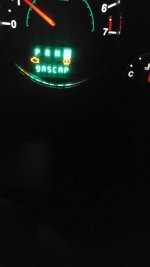
Resetting The Gas Cap Light
Resetting the gas cap light on your Jeep is a simple step after fixing the gas cap issue. The light signals a problem in the evaporative emissions system, often caused by a loose or faulty gas cap.
Once you tighten or replace the cap, the warning may not disappear immediately. This section explains easy ways to reset the gas cap light and get your Jeep back to normal.
Driving To Clear The Warning
Driving your Jeep is the easiest way to clear the gas cap light. The vehicle’s computer checks the system as you drive.
Usually, 10 to 20 minutes of driving lets the system detect the fix. The light will turn off once the system confirms no leaks.
Avoid turning off the engine during this time to help the process.
Manual Reset Methods
Some Jeep models allow a manual reset of the gas cap light. Start by turning the ignition to the ON position without starting the engine.
Press and hold the gas cap warning button or check engine light reset button for about 10 seconds. Release the button and turn off the ignition.
Start the engine to see if the light is off. This method works only if the problem is fixed.
Using An Obd-ii Scanner
An OBD-II scanner is a tool that reads and clears warning codes in your Jeep’s computer. Plug the scanner into the vehicle’s OBD port, usually under the dashboard. Turn on the ignition and follow the scanner’s instructions to read codes. Once you confirm the gas cap code is cleared, use the scanner’s erase function. This resets the light instantly. This method is helpful if the light stays on after fixing the cap.
Safety And Driving Tips
Seeing the gas cap light on your Jeep can be confusing and concerning. Safety and driving tips help you handle this issue properly.
Knowing what to do keeps you safe and protects your vehicle.
This section explains if it is safe to drive with the light on, possible fuel system problems, and when to visit a mechanic.
Is It Safe To Drive With Light On?
The gas cap light means the fuel system may not be sealed correctly. Driving for a short time with the light on is usually safe.
Avoid long trips until you fix the problem. A loose or damaged gas cap can cause fuel vapors to leak.
This may reduce fuel efficiency and increase pollution. Tighten the gas cap firmly and check if the light turns off.
Potential Fuel System Issues
A gas cap light can signal more than a loose cap. The EVAP system may have a leak or faulty sensor.
Common issues include a cracked hose, worn gasket, or damaged fuel tank parts. These problems can cause fuel odors or poor engine performance.
Ignoring the light can lead to costly repairs or engine trouble. Inspect the gas cap and fuel system regularly to catch issues early.
When To Visit A Mechanic
Visit a mechanic if the gas cap light stays on after tightening the cap. Mechanics check for leaks in hoses, seals, and sensors.
They use special tools to find hidden problems. A professional can replace damaged parts safely and correctly.
Do not delay a visit if you smell fuel or notice poor car performance. Early repair helps keep your Jeep running smoothly and safely.
Preventing Future Gas Cap Issues
Preventing future gas cap issues on your Jeep helps avoid warning lights and fuel system problems. A good approach keeps your vehicle running smoothly.
Regular care and the right parts make a big difference. Simple habits protect the gas cap and related components.
This section covers key steps to prevent gas cap warnings and ensure proper sealing.
Using Genuine Mopar Caps
Always use genuine Mopar gas caps for your Jeep. These caps fit perfectly and seal tightly.
Genuine caps prevent leaks that trigger the gas cap light. They come with high-quality gaskets that resist wear and cracking.
Avoid cheap or generic caps that may cause fit issues. Mopar caps maintain the correct pressure in the fuel system.
Replacing old caps with genuine ones reduces warning light problems.
Regular Fuel System Inspection
Inspect your fuel system regularly to catch issues early. Check the gas cap and surrounding areas for damage or rust.
Look for cracks or splits in EVAP hoses near the tank. Replace worn or damaged parts promptly to prevent leaks.
Clean the filler neck to ensure the cap seals properly. Regular inspections help spot small problems before they cause warning lights.
Keep your Jeep’s fuel system in good condition for better performance.
Proper Fueling Habits
Use proper fueling habits to protect the gas cap and fuel system. Tighten the gas cap until it clicks to ensure a secure seal.
Avoid over-tightening, which can damage the cap or gasket. Fill the tank slowly to prevent fuel spills that harm the cap and seal.
Close the cap immediately after fueling to keep dirt out. Following these habits helps keep the gas cap light off.
It also extends the life of your fuel system components.

Frequently Asked Questions
Why Does My Jeep Dashboard Say Gas Cap?
Your Jeep dashboard shows “gas cap” when the EVAP system detects a loose, damaged, or missing gas cap causing a fuel vapor leak.
Is It Okay To Drive With The Gas Cap Light On?
Driving with the gas cap light on is not ideal. It may cause fuel vapor leaks and reduce fuel efficiency.
Tighten or replace the gas cap promptly to avoid engine issues or emissions problems.
How To Reset Jeep Gas Cap?
Tighten the gas cap firmly until it clicks several times. Drive for a few miles to reset the system.
Replace the cap if the light stays on.
Why Does My Car Keep Saying Check Gas Cap When Everything Is Fine?
Your car may detect leaks in the EVAP system despite a tight gas cap. Check for worn seals, cracked hoses, or sensor faults.
Conclusion
The gas cap light on your Jeep signals a fuel system issue. Often, a loose or damaged cap causes this warning.
Check the gas cap first and tighten or replace it if needed. If the light stays on, inspect hoses and seals for leaks or damage.
Fixing these problems keeps your Jeep running smoothly and avoids costly repairs. Regular checks help catch issues early and keep your Jeep safe on the road.
Don’t ignore the gas cap light it’s your Jeep’s way of asking for attention.