Is the ESP BAS light glowing on your Jeep’s dashboard, leaving you worried about what’s wrong? You’re not alone, and more importantly, you don’t have to stay stuck with that warning light on.
The ESP BAS light signals a problem with your Jeep’s Electronic Stability Program or Brake Assist System, which are crucial for your safety on the road.
But here’s the good news: many common causes behind this light are easier to fix than you might think.

You’ll discover simple, step-by-step solutions to get that light off and your Jeep running smoothly again.
Whether it’s a quick sensor reset, checking your brake fluid, or inspecting key components, you’ll learn exactly what to do so you can drive with confidence and peace of mind. Keep reading and take control of your Jeep’s health today!
Esp Bas Light Causes
The ESP BAS light on a Jeep signals issues with the Electronic Stability Program or Brake Assist System. Understanding the causes helps fix the problem quickly.
The light often comes on due to sensor faults or low brake fluid. Diagnosing these causes is key to safe driving and proper vehicle function.
Steering Angle Sensor Issues
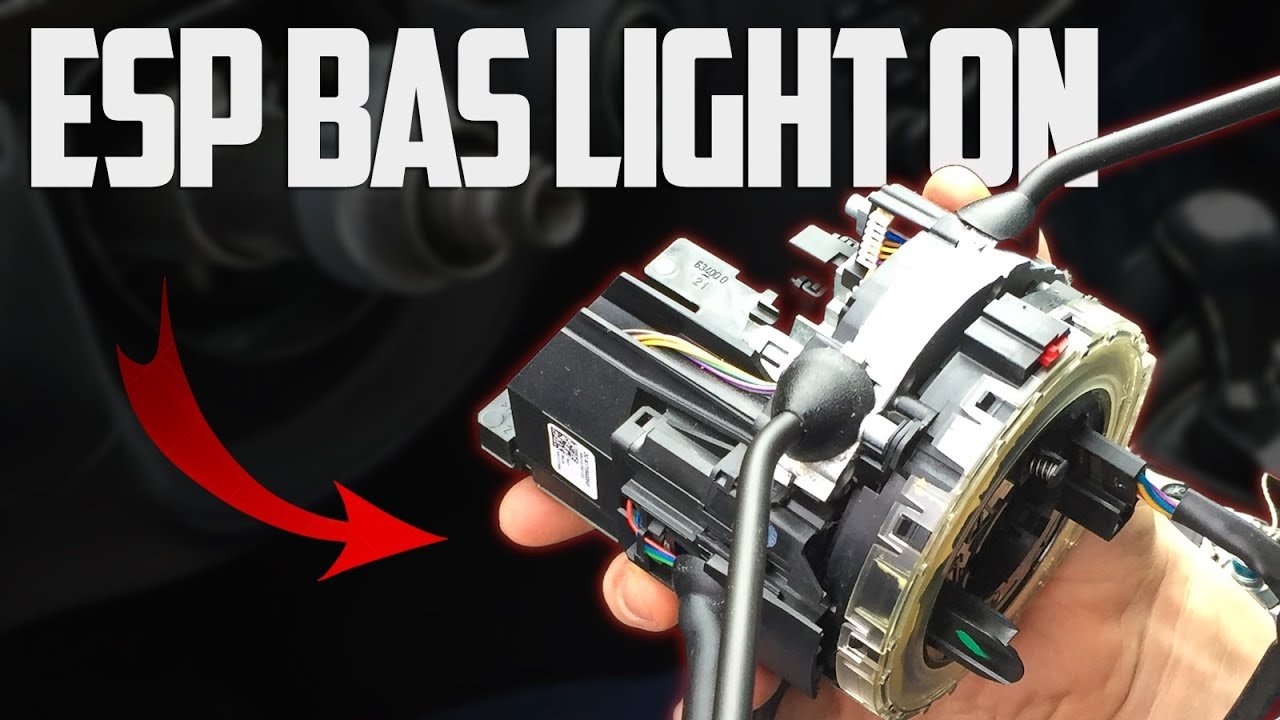
The steering angle sensor tells the system the wheel direction. If this sensor fails or loses calibration, the ESP BAS light turns on.
Misaligned wheels or recent battery disconnection can cause this sensor to lose its center point. Resetting the sensor by turning the steering wheel fully left, then right, and back to center often fixes the issue.
Wheel Speed Sensor Faults
Wheel speed sensors monitor each wheel’s rotation speed. Faulty sensors can send wrong signals to the ESP system.
Dirt, damage, or electrical issues can cause sensor failure. Cleaning or replacing the wheel speed sensor usually resolves the ESP BAS light problem.
Brake Light Switch Problems
The brake light switch sends signals when you press the brake pedal. A blown fuse or faulty switch triggers the ESP BAS warning light.
Test the brake lights by pressing the pedal and checking if the lights turn on. Fixing or replacing the switch clears the warning.
Low Brake Fluid Levels
Brake fluid is vital for brake system function. Low fluid levels can activate the ESP BAS light.
Check the brake fluid reservoir regularly. Add fluid if it is below the minimum mark to restore proper brake function and turn off the warning light.
Wiring And Sensor Damage
Damaged wires or connectors affect sensor signals and cause warning lights. Road debris, corrosion, or wear can harm the wiring harness.
Inspect the wiring for breaks or loose connections. Repairing or replacing damaged wires often solves the ESP BAS light issue.
Quick Steering Angle Sensor Reset
The Quick Steering Angle Sensor Reset is a simple fix for ESP BAS light issues on Jeeps. This reset helps the vehicle recognize the correct position of the steering wheel.
It is important after wheel alignment or battery disconnection. Resetting the sensor can turn off the warning light and restore normal driving behavior.
Many Jeep drivers face ESP BAS light problems due to the steering angle sensor. This sensor measures the steering wheel’s position and sends data to the vehicle’s control system.
If the sensor is out of sync, the ESP BAS light will remain on. A quick reset can solve this without expensive repairs.
Centering The Steering Wheel
Start by making sure your Jeep is parked on a flat surface. The wheels should point straight ahead.
This is the center position for the steering wheel. If the wheel is off-center, the sensor will give wrong readings.
Turn the steering wheel fully to the left. Keep turning until it stops.
Then turn the wheel fully to the right until it stops. Finally, bring the wheel back to the exact center position.
This process helps the sensor find its correct zero point.
Reset Procedure Steps
Begin the reset by turning your Jeep’s ignition to the ON position. Do not start the engine yet.
Press and hold the brake pedal firmly. This step ensures the brake system is active during reset.
Next, turn the steering wheel fully to the left and hold it there for about 5 seconds. Then, turn the wheel fully to the right and hold for 5 seconds.
Return the wheel back to the center position and hold for another 5 seconds.
Release the brake pedal and turn the ignition off. Wait a few seconds before starting the engine.
The ESP BAS light should now be off. If the light stays on, a deeper diagnostic may be needed.
Brake System Checks
The brake system plays a key role in your Jeep’s safety and performance. Regular brake system checks can help prevent issues that trigger the ESP BAS light.
These checks ensure your brake components function correctly and safely.
Simple inspections can spot problems early. This helps avoid costly repairs and keeps your Jeep running smoothly.
Two important areas to check are the brake light switch and the brake fluid levels.
Testing The Brake Light Switch
The brake light switch signals the car when you press the brake pedal. A faulty switch can cause the ESP BAS light to turn on.
To test the switch, start your Jeep and press the brake pedal. Look at the brake lights.
If they do not light up, the switch may be broken.
Replacing the brake light switch is often a quick fix. This simple step can clear the ESP BAS warning and restore proper brake function.
Checking Brake Fluid Levels
Brake fluid is essential for the brake system to work well. Low fluid levels can trigger the ESP BAS light.
Locate the brake fluid reservoir under the hood. Check the fluid level against the marks on the reservoir.
If the fluid is low, top it up with the recommended brake fluid type. Avoid overfilling.
Regularly checking brake fluid keeps the braking system reliable and safe.

Inspecting Wheel Speed Sensors
Wheel speed sensors are critical for your Jeep’s safety systems. They monitor the speed of each wheel and send data to the Electronic Stability Program (ESP).
Faulty sensors can trigger the ESP BAS light. Inspecting these sensors helps identify problems early.
This ensures your Jeep remains safe and reliable on the road.
Cleaning Sensor Contacts
Dirt and debris often cause sensor problems. Start by locating each wheel speed sensor near the wheels.
Gently remove any dirt from the sensor and its contacts. Use a soft brush or cloth for cleaning.
Avoid harsh chemicals that may damage the sensor. Clean contacts improve signal quality and may turn off the ESP BAS light.
Replacing Faulty Sensors
Some sensors wear out and stop working properly. If cleaning does not fix the issue, replacement is necessary.
Disconnect the faulty sensor carefully. Purchase a new sensor that matches your Jeep’s model.
Install the new sensor securely and reconnect wiring. Test drive the Jeep to ensure the ESP BAS light stays off.
Wiring And Fuse Inspection
Inspecting the wiring and fuses is a key step in fixing the ESP BAS light on a Jeep. Faulty wiring or blown fuses often cause this warning light to turn on. Careful examination can identify the exact problem.
Checking wiring and fuses ensures the electrical systems work properly. This prevents further damage and keeps the vehicle safe.
Locating And Checking Fuses
Begin by locating the fuse box in your Jeep. It is usually under the dashboard or in the engine compartment.
Use the owner’s manual to find the exact location.
Identify the fuses related to the ESP and BAS systems. Carefully remove each fuse and inspect it for damage.
A blown fuse will have a broken metal strip or a darkened appearance.
Replace any blown fuses with a new fuse of the same rating. Never use a fuse with a higher rating, as it can cause more damage.
Repairing Damaged Wiring
Look for visible signs of damaged wiring around the ESP and BAS components. Check for frayed wires, loose connections, or corrosion.
Use a multimeter to test the continuity of suspect wires. If a wire is broken, cut out the damaged section and splice in new wire.
Secure all connections with electrical tape or heat shrink tubing. Ensure wiring harnesses are firmly connected and free from moisture.
Using Diagnostic Tools
Using diagnostic tools is key to fixing the ESP BAS light on a Jeep. These tools help find the exact problem fast.
They save time and avoid guesswork. Anyone can learn to use them with basic instructions.
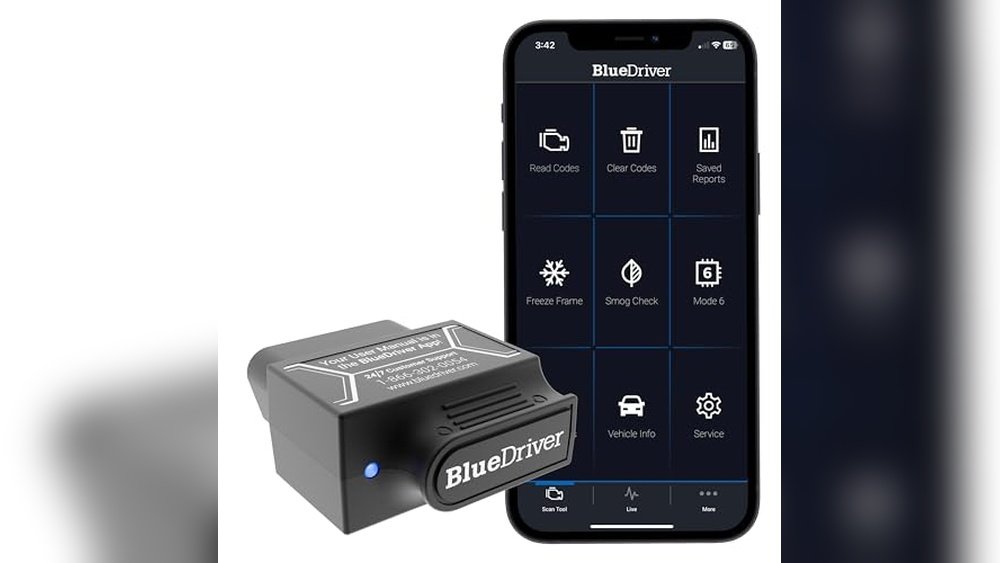
The first step is to connect a scanner to the vehicle’s computer system. This scanner reads trouble codes stored by the Jeep’s sensors.
Reading Trouble Codes
Start by connecting an OBD-II scanner to the Jeep’s port. This port is usually under the dashboard. Turn on the ignition without starting the engine. The scanner will communicate with the Jeep’s computer and pull stored trouble codes.
Each code points to a specific issue. Codes related to ESP and BAS systems often start with “C” or “U”.
Write down the codes for later reference. These codes help pinpoint if sensors or other parts fail.
Clear the codes after reading them. Then check if they return after driving a short distance.
Identifying Faulty Components
Use the trouble codes to find the faulty parts. Common issues include wheel speed sensors, steering angle sensors, and brake light switches.
Inspect these parts for damage or dirt. Clean or replace any parts that look worn out or broken.
Test the brake light switch by pressing the brake pedal. Check if the brake lights turn on.
No light means the switch may be bad. For wheel speed sensors, look for loose wires or corrosion.
The steering angle sensor may need resetting if the wheels were recently moved.
When To Seek Professional Help
Knowing when to seek professional help for the ESP BAS light on your Jeep is important. Some problems require special tools and expertise.
Trying to fix these issues alone might cause more damage or be unsafe. Below are signs that show it’s time to consult a mechanic.
Complex Sensor Replacements
The ESP BAS system uses several sensors to work correctly. Replacing sensors like the steering angle sensor or wheel speed sensors can be tricky.
These parts need precise calibration after installation. A small mistake can cause the warning light to stay on or lead to poor vehicle control.
Professionals have the right tools and knowledge to replace and calibrate these sensors safely and accurately.
Advanced Electrical Issues
Electrical problems in your Jeep’s ESP BAS system can be complicated. Faulty wiring, bad fuses, or a malfunctioning brake light switch may cause the warning light.
Diagnosing electrical faults requires special diagnostic devices. A mechanic can trace wiring problems and test electrical components effectively.
Attempting electrical repairs without experience may result in further system failures or safety risks.
Cost Estimates For Repairs
Repairing the ESP BAS light on a Jeep can vary in cost depending on the issue. Understanding the price range helps you plan your budget effectively.
Different parts and labor charges affect the final repair bill.
Some repairs are simple and inexpensive. Others require more time and expertise, increasing the cost.
Getting an accurate estimate prevents surprises and helps you decide on the best repair option.
Common Fix Price Ranges
Resetting the steering angle sensor usually costs between $50 and $150. Replacing a faulty wheel speed sensor can range from $100 to $300 per sensor.
Brake light switch repairs often fall between $50 and $120. Low brake fluid top-ups are typically under $30.
Labor costs depend on the mechanic’s rates and the Jeep model. Simple fixes may take less than an hour.
Complex sensor replacements could take two hours or more. Expect to pay $75 to $150 per hour for labor.
Diy Vs Professional Costs
DIY repairs save money but require basic tools and some knowledge. Resetting sensors or topping brake fluid can be done at home for under $50. You avoid labor fees this way.
Replacing sensors or brake switches yourself may cost only parts price. However, mistakes can cause more damage or safety risks.
Professional repairs cost more but offer expertise and warranty.
Choose DIY only if you are confident and have clear instructions. Otherwise, a trusted mechanic ensures the job is done right.
Compare parts prices and labor fees before deciding.
Safety Tips While Driving
Driving with any warning light on your Jeep’s dashboard needs careful attention. The ESP BAS light signals issues with stability or brake assist systems.
These systems help keep control of your vehicle, especially in slippery or emergency conditions. Knowing safety tips while driving can reduce risk and protect you and others on the road.
Driving With Esp Bas Light On
Driving with the ESP BAS light on means your stability or brake assist may not work properly. Your Jeep might skid or lose control easier.
Drive slower and keep more distance from other cars. Avoid sharp turns and sudden braking.
Choose smooth, steady movements to keep better control. If possible, avoid driving on wet or icy roads.
Watch out for unusual noises or feelings from the brakes. Stop and check your vehicle as soon as you can.
Precautions Before Repair
Before fixing the ESP BAS light, make sure your Jeep is parked safely. Turn off the engine and engage the parking brake.
Check the brake fluid level and refill if low. Inspect brake lights to ensure they work correctly.
Look for damaged or loose wires near sensors and switches. Use proper tools to avoid harming the vehicle’s electrical system.
If unsure, get help from a professional mechanic. Never ignore warning lights for long periods.
Frequently Asked Questions
What Would Cause The Esp Bas Light To Come On?
The ESP BAS light comes on due to faulty wheel speed sensors, a bad brake light switch, low brake fluid, or steering angle sensor issues. Wiring problems and blown fuses can also trigger the warning.
A diagnostic scan helps identify the exact cause.
How Much Does It Cost To Fix The Esp Bas Light?
Fixing the ESP BAS light typically costs between $100 and $300. This varies by sensor replacement or brake fluid top-up needs.
Diagnostic scans may add $50 to $100. Minor resets can be free.
Can I Drive With The Bas Esp Light On?
Driving with the BAS ESP light on is not recommended. It signals a fault in stability or brake assist systems.
Check brake fluid, sensors, and fuses promptly. Drive cautiously and get your vehicle inspected to ensure safety and prevent further damage.
How To Get The Esp Bas Light Off?
Reset the steering angle sensor by turning the wheel fully left, then right, and centering it. Check brake fluid, fuses, and brake light switch.
Inspect wheel speed sensors for damage or dirt. Use a diagnostic scan tool if the light stays on.
Conclusion
Fixing the ESP BAS light on your Jeep is important for safe driving. Common causes include sensor issues, low brake fluid, or wiring problems.
Simple checks like resetting the steering angle sensor or inspecting the brake light switch can help.
Always ensure your wheels point straight before resetting. Clean or replace faulty sensors to clear the warning.
Regular maintenance keeps your Jeep running smoothly. Take action early to avoid bigger problems later.
Stay safe and keep your vehicle in good shape.