If you’ve seen the DTC P2096 warning pop up on your Jeep’s dashboard, you’re probably wondering what it means and how it affects your ride. This trouble code signals a lean condition in the exhaust system, which can lead to rough idling, engine misfires, and poor fuel economy.
Ignoring it won’t make the problem go away in fact, it could cause more damage down the road. You’ll learn exactly what causes the P2096 code, how to spot the symptoms early, and what steps you can take to fix it.
Keep reading to protect your Jeep’s performance and avoid costly repairs.

Symptoms Of P2096 Code
The P2096 code in your Jeep signals a lean condition in the exhaust system. This means the engine gets too much air and not enough fuel.
Recognizing the symptoms helps you address the problem early. Below are common signs to watch for.
Check Engine Light Indicators
The check engine light often turns on with the P2096 code. It may flash or stay solid.
This light warns you of engine or emissions issues. Ignoring it can lead to bigger problems.
Engine Performance Issues
Your Jeep may run rough or stall. You might notice engine misfires or hesitation during acceleration.
These issues happen because the engine fuel mixture is off balance. The vehicle can also idle unevenly or feel weaker than usual.
Fuel Economy Impact
The lean condition can reduce fuel efficiency. Your Jeep may use more gas than normal.
Poor fuel economy increases running costs and adds stress to engine parts. Fixing the code can help restore normal fuel use.
Causes Of P2096 In Jeep
The P2096 code in Jeep signals a lean condition in the exhaust system. This means the engine runs with too much air and not enough fuel.
The condition can cause rough idling, misfires, and poor fuel economy. Understanding the causes helps in fixing the problem quickly and correctly.
Exhaust Leaks Between O2 Sensors
Exhaust leaks between the oxygen sensors allow extra air to enter the exhaust stream. This extra air tricks the engine control unit (ECU) into thinking the engine runs lean.
Small cracks, loose connections, or damaged gaskets in the exhaust pipe can cause these leaks. The ECU then adjusts the fuel mix incorrectly, triggering the P2096 code.
Faulty Oxygen Sensors
Oxygen sensors monitor the air-fuel ratio in the exhaust. When these sensors fail or send wrong signals, the ECU gets bad data.
Faulty sensors can cause the engine to run lean or rich. Worn out or damaged sensors are common reasons for the P2096 code.
Replacing bad oxygen sensors often solves the issue.
Clogged Or Failing Catalytic Converter
The catalytic converter helps reduce harmful emissions by breaking down exhaust gases. A clogged or failing converter cannot process gases well.
This causes poor engine performance and changes the exhaust flow. The oxygen sensors detect this change and may set the P2096 code.
Checking and replacing a bad catalytic converter is essential.
Vacuum Leaks And Air Intake Problems
Vacuum leaks let unmetered air enter the engine. This extra air causes a lean fuel mixture.
Cracked hoses or loose clamps often cause these leaks. Air intake blockages can also affect airflow and engine performance.
Both problems confuse the ECU and lead to the P2096 code. Inspecting vacuum lines and intake parts is important for diagnosis.
Diagnosing Emission Problems
Diagnosing emission problems in your Jeep is essential for maintaining engine health and meeting environmental standards. Emission issues often trigger trouble codes like DTC P2096, indicating a lean condition after the catalytic converter.
Proper diagnosis helps pinpoint the root cause and prevents further damage.
Using An Obd-ii Scanner
An OBD-II scanner reads the vehicle’s computer system and retrieves trouble codes. Connect the scanner to the Jeep’s diagnostic port under the dashboard. The scanner displays codes related to sensors and emission systems. Use these codes to guide your inspection and repairs. This tool provides a quick start to identifying emission faults.
Visual Inspection Techniques
Look for visible signs of damage or wear in the exhaust and intake systems. Check for cracked pipes, loose clamps, and damaged gaskets.
Inspect the oxygen sensors for corrosion or frayed wires. Examine vacuum lines for cracks or disconnections.
Visual problems often cause air leaks leading to emission faults.
Smoke Test For Leaks
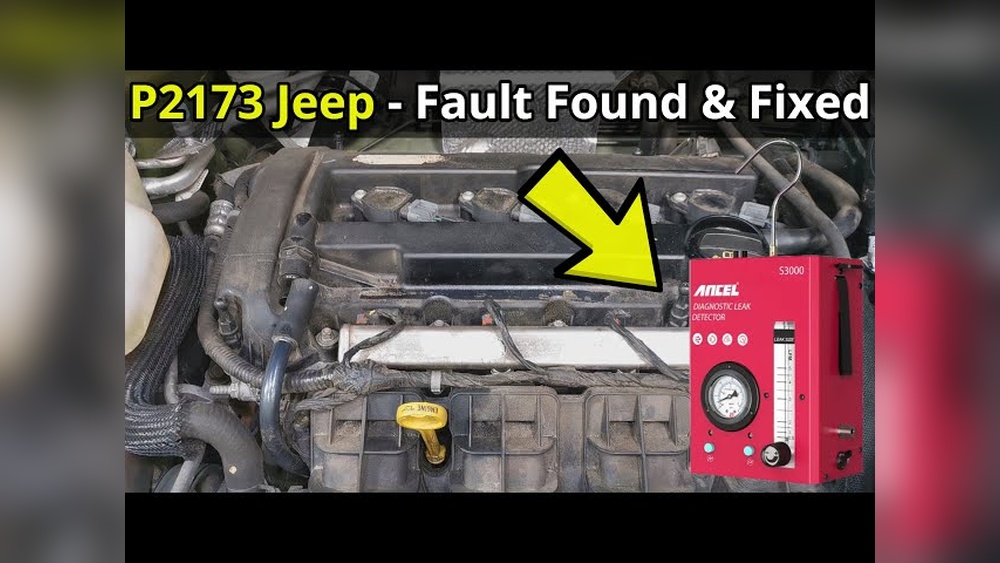
A smoke test helps find hidden leaks in the exhaust and intake systems. Introduce smoke into the system and watch for any escaping smoke.
Leaks allow extra air to enter, causing the engine to run lean. This test is effective for detecting small cracks or holes invisible to the naked eye.
Checking Fuel System Components
Inspect fuel injectors, fuel pressure, and fuel filters for proper operation. Low fuel pressure or clogged injectors reduce fuel delivery, causing a lean mixture.
Test the fuel pump and replace filters if dirty. Ensuring fuel system health helps maintain correct air-fuel ratios and reduces emission problems.
Fixing Exhaust Leaks
Fixing exhaust leaks is crucial for solving the DTC P2096 Jeep code. Exhaust leaks cause incorrect oxygen sensor readings.
This leads to a lean running condition, which can harm engine performance and fuel economy. Addressing leaks stops unmetered air from entering the system.
Properly fixing leaks improves engine smoothness and reduces emissions. It also prevents damage to other exhaust parts.
The process involves finding leak points and replacing worn or damaged parts. This section explains key steps to fix exhaust leaks effectively.
Locating Leak Sources
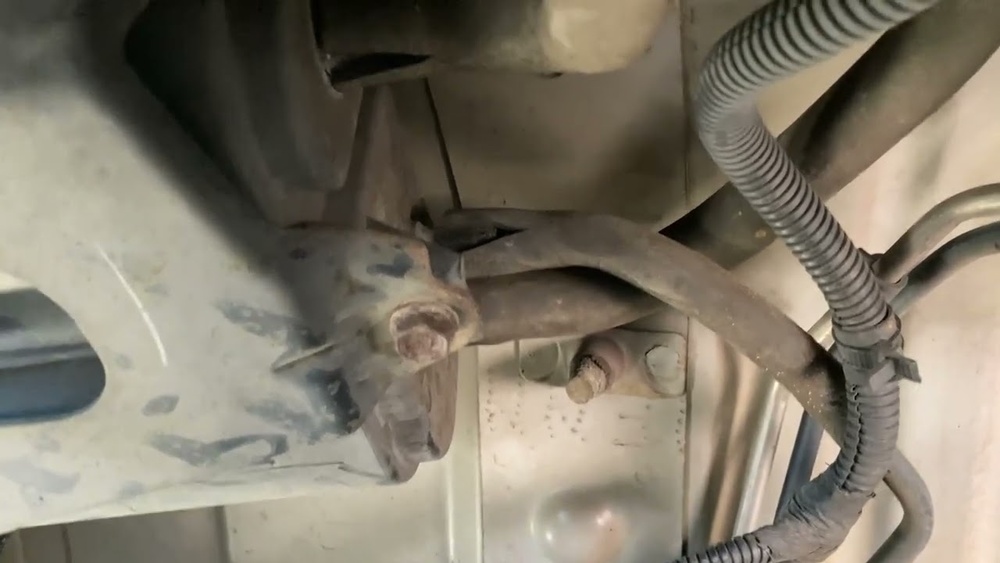
Start by inspecting the exhaust system visually. Look for cracks, holes, or rust spots on pipes.
Listen for hissing sounds while the engine runs. These sounds often signal leaks near the manifold or joints.
Use a smoke test to find hidden leaks if needed.
Check connections between exhaust components. Loose or damaged flanges may cause leaks.
Pay special attention to areas between oxygen sensors. Leaks here can trigger the P2096 code.
Replacing Gaskets And Flanges
Old gaskets often crack or wear out, causing leaks. Remove the old gasket carefully and clean the surface.
Install a new gasket that fits your Jeep model. Ensure flanges align correctly before tightening bolts.
Replace damaged flanges if they are bent or broken. Use new bolts and tighten them evenly to prevent leaks.
Proper sealing here stops unmetered air from entering the exhaust system.
Repairing Or Replacing Damaged Pipes
Inspect exhaust pipes for holes, rust, or cracks. Small holes can be patched with exhaust repair kits.
Larger damage requires pipe replacement for safety and performance.
Use OEM or high-quality pipes to ensure durability. Secure new pipes tightly to avoid future leaks.
Proper pipe repair restores correct exhaust flow and sensor readings.
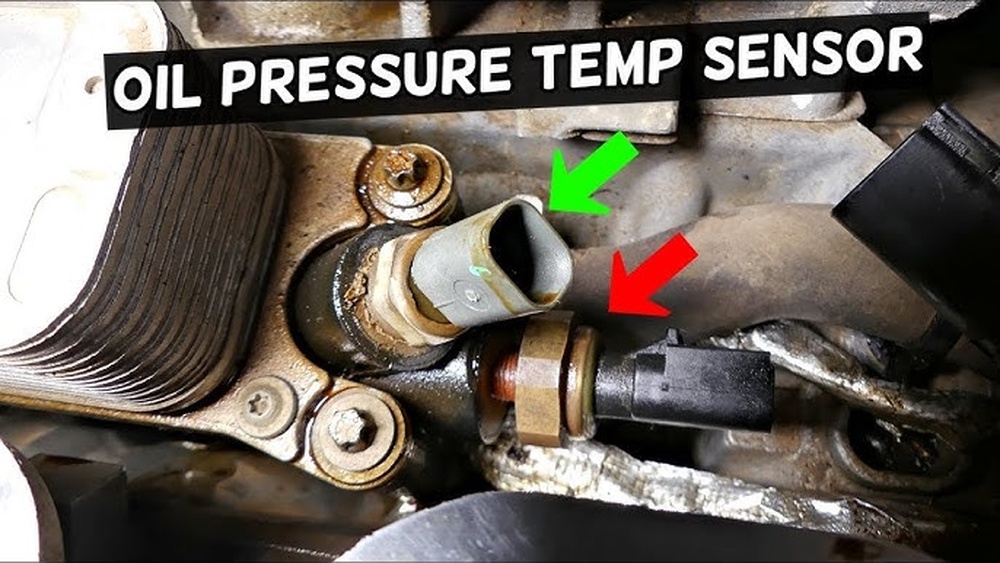
Replacing Faulty Oxygen Sensors
Replacing faulty oxygen sensors is crucial for resolving the DTC P2096 Jeep error. These sensors monitor the amount of oxygen in the exhaust and help the engine run efficiently.
A bad sensor can cause poor fuel economy, rough idling, and a check engine light. Fixing the sensors restores your Jeep’s performance and lowers emissions.
Identifying Bad Sensors
Look for signs like a check engine light or poor fuel economy. A diagnostic scanner can read the trouble codes and confirm if oxygen sensors are the problem.
Strange engine behavior, such as stalling or rough idling, also hints at sensor issues. Visual inspection might show damaged wiring or soot buildup on the sensors.
Step-by-step Sensor Replacement
Start by disconnecting the battery to avoid electrical shocks. Locate the faulty oxygen sensor using your vehicle’s manual.
Use an oxygen sensor socket to remove the old sensor carefully. Apply anti-seize compound to the threads of the new sensor.
Screw the new sensor into place and reconnect the wiring harness. Double-check all connections before reconnecting the battery.
Resetting The Engine Control Module
After replacing the sensor, reset the engine control module (ECM) to clear error codes. Disconnect the battery for about 15 minutes to reset the system.
Reconnect the battery and start the engine. Use a scanner tool to verify if the code is cleared.
This step ensures your Jeep’s computer reads the new sensor correctly.
Addressing Catalytic Converter Issues
Addressing catalytic converter issues in your Jeep is crucial for smooth engine performance and lower emissions. The catalytic converter helps reduce harmful gases.
When it fails, your Jeep may run poorly and the check engine light can appear. Early attention to this problem saves money and prevents bigger repairs.
Understanding the signs of converter failure and your options for fixing it helps you make smart choices. This section covers how to spot problems, decide between cleaning or replacement, and consider costs.
Signs Of Converter Failure
A failing catalytic converter can cause several noticeable problems. Your Jeep might have a rough idle or hesitate during acceleration.
You could hear unusual rattling noises from underneath. Fuel economy often drops when the converter is clogged.
The check engine light usually comes on with a P2096 code. Some drivers also notice a sulfur or rotten egg smell from the exhaust.
Cleaning Vs Replacement Options
Minor clogging can sometimes be fixed by cleaning the catalytic converter. Special cleaning products help dissolve deposits inside the converter.
Cleaning is cheaper and quicker but not always effective. If the converter is cracked or severely clogged, replacement is necessary.
A new converter restores full function and meets emission standards. Choose cleaning only as a temporary fix or if you are sure the damage is minor.
Cost Considerations And Recommendations
Replacing a catalytic converter for a Jeep usually costs between $800 and $1,500. Prices vary by model and labor fees.
Cleaning products cost much less, around $20 to $50, but may not solve serious issues. Consider replacement if your Jeep has high mileage or repeated problems.
Always use quality parts to avoid future failures. Professional diagnosis before repair saves money and ensures the right solution.
Preventing Future Emission Problems
Preventing future emission problems in your Jeep helps keep it running smoothly. Emission issues can cause poor engine performance and higher fuel costs.
Taking simple steps can stop these problems before they start. Consistent care and attention are key to avoiding trouble codes like DTC P2096.
Regular Maintenance Tips
Check your Jeep’s exhaust system for leaks or damage often. Replace worn-out gaskets and tighten loose clamps.
Change the air filter regularly to keep airflow clean and steady. Inspect oxygen sensors as part of routine service.
Clean or replace spark plugs on time. Follow the manufacturer’s schedule for oil changes and tune-ups.
These steps keep the engine running efficiently and reduce emissions.
Fuel Quality And Additives
Use high-quality fuel designed for your Jeep’s engine. Poor fuel can cause incomplete combustion and increase emissions.
Avoid cheap or contaminated gasoline. Add fuel system cleaners occasionally to remove deposits in injectors and valves.
These additives help maintain fuel flow and combustion quality. Clean fuel means fewer emission problems and better engine health.
Monitoring Engine Performance
Pay attention to how your Jeep drives every day. Notice rough idles, stalling, or loss of power.
Use an OBD-II scanner to check for error codes regularly. Early detection of issues helps prevent bigger problems.
Keep an eye on fuel economy, as sudden drops can signal emission faults. Regularly monitor engine sensors and performance to stay ahead of potential issues.
When To Seek Professional Help
Identifying the DTC P2096 code in your Jeep signals a lean exhaust condition. Some fixes seem simple but may hide bigger problems.
Knowing when to seek professional help saves time and money. Professional mechanics have skills and tools to diagnose and repair the issue correctly.
Complex Diagnostics
The P2096 code can stem from various causes. Exhaust leaks, faulty oxygen sensors, or a clogged catalytic converter may trigger it.
Pinpointing the exact problem requires advanced diagnostic skills. Professionals use specialized scanners and test equipment to find hidden faults.
DIY attempts may miss subtle issues or lead to wrong repairs.
Specialized Repair Tools
Fixing P2096 often involves tools that most drivers lack. Mechanics use exhaust gas analyzers and smoke machines to check leaks.
Oxygen sensor replacement demands precise handling and calibration. Catalytic converter repairs require proper welding and fitting tools.
Professional repair shops ensure safety and quality work with these tools.
Warranty And Legal Compliance
Many Jeep parts and repairs come with warranties. Unauthorized repairs may void these guarantees.
Certified mechanics follow manufacturer guidelines and protect your warranty. Emission laws require proper repair of exhaust systems.
Professionals ensure your Jeep meets these legal standards. This avoids fines and future inspection failures.
Frequently Asked Questions
How To Fix Jeep Code P2096?
Fix Jeep code P2096 by checking for exhaust leaks, replacing faulty oxygen sensors, and inspecting the catalytic converter. Clear the code after repairs.
What Is The Most Common Cause Of The P2096 Code?
The most common cause of P2096 code is an exhaust leak between the upstream and downstream oxygen sensors.
How Long Can I Drive With A P2096 Code?
Driving with a P2096 code is risky. Limit driving to short trips and fix the issue quickly to avoid engine damage.
Is A New O2 Sensor Required For P2096?
A new O2 sensor may be needed for code P2096 if the current sensor is faulty. Check for exhaust leaks or catalytic converter issues first.
Replace the sensor only after confirming it causes the lean condition. Proper diagnosis ensures effective repair and prevents unnecessary part replacement.
Conclusion
DTC P2096 in your Jeep points to a lean exhaust condition. This can cause rough idling and lower fuel efficiency.
Common causes include exhaust leaks or a failing catalytic converter. Addressing these issues early keeps your Jeep running smoothly.
Regular checks help avoid costly repairs later.
Stay attentive to engine performance and warning lights. Taking action soon ensures a safer, more reliable drive.