If your Jeep’s check engine light just came on and the code reader shows DTC P0300, you’re likely facing a random or multiple cylinder misfire. This issue can cause rough idling, poor fuel economy, and even damage your engine if left unchecked.
But don’t worry you’re not alone, and fixing it might be simpler than you think. Understanding what triggers this code in your Jeep and knowing where to start looking can save you time, money, and stress.
Keep reading to discover the common causes behind P0300, how to diagnose the problem, and practical steps to get your Jeep running smoothly again.

Causes Of P0300 In Jeep
The P0300 code in your Jeep means the engine is misfiring randomly. This can make your Jeep run rough and lose power.
Several problems may cause this code. Understanding these issues helps you fix the problem faster.
Below are common causes of P0300 in Jeep vehicles. Each one affects the engine’s performance in different ways.
Ignition System Problems
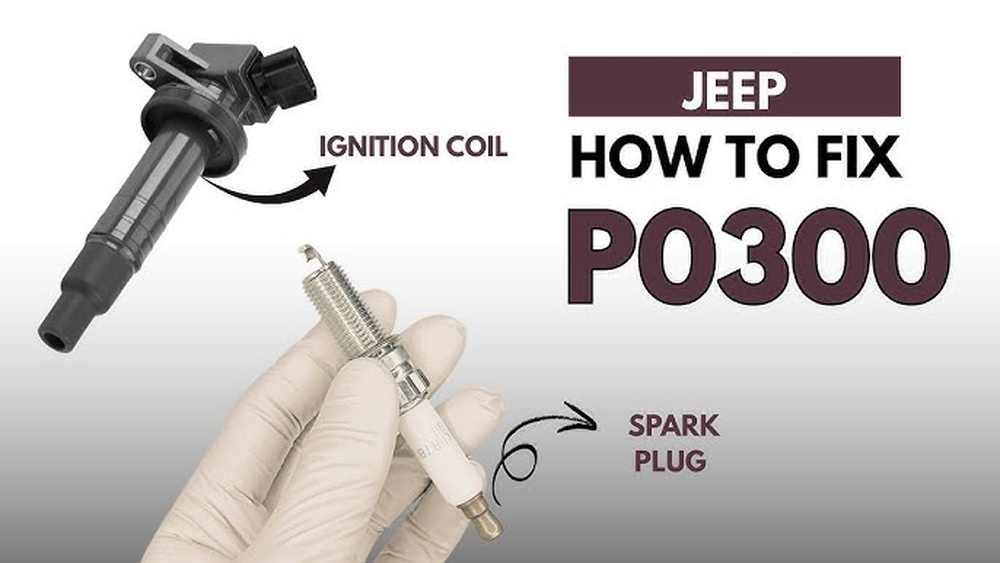
The ignition system starts the engine’s combustion process. Worn spark plugs can cause weak or no spark.
Cracked ignition coils may stop the spark from reaching cylinders. Faulty plug wires can also interrupt spark delivery.
These problems lead to misfires and trigger the P0300 code.
Fuel Delivery Issues
Your engine needs the right fuel amount to run smoothly. Clogged fuel injectors block fuel flow to cylinders.
Low fuel pressure means not enough fuel reaches the engine. Both conditions cause cylinders to misfire.
Fuel system problems often cause random misfires in Jeeps.
Air And Vacuum Leaks
Engines require a precise air-fuel mix for combustion. Cracked intake hoses let unmetered air enter the engine.
Bad manifold gaskets cause vacuum leaks. These leaks change the air-fuel ratio, making the engine misfire.
Air and vacuum leaks are common in older Jeep models.
Jeep-specific Electrical Faults
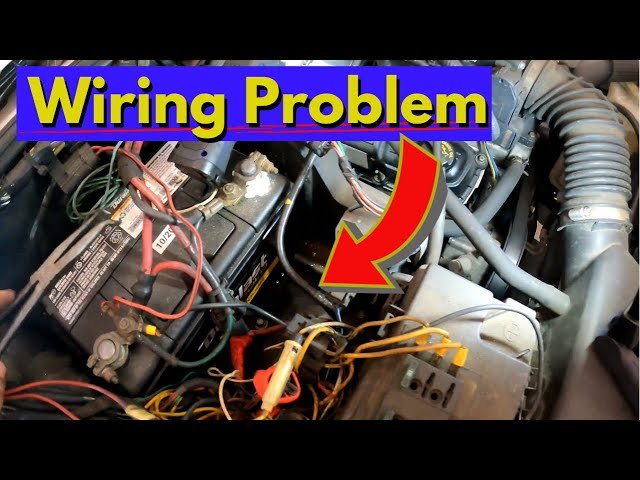
Some Jeeps have unique electrical parts affecting engine performance. A burnt Auto Shutdown (ASD) relay or fuse cuts power to the ignition system.
This causes random misfires and the P0300 code. Checking these parts is important during diagnosis.
Signs Of Engine Misfire
Engine misfires can cause serious problems for your Jeep. They happen when one or more cylinders fail to fire properly.
This can affect your vehicle’s performance and safety. Recognizing the signs early helps prevent further damage.
Below are key signs that your Jeep may be experiencing an engine misfire related to the DTC P0300 code.
Check Engine Light Activation
The most common sign is the check engine light turning on. Your Jeep’s computer detects random or multiple cylinder misfires.
It then triggers this warning to alert you. Do not ignore this light.
It means the engine is not running smoothly.
Engine Performance Drops
You may notice your Jeep’s engine lacks power. Acceleration can feel weak or rough.
The engine might hesitate or stall during driving. This happens because the misfire disrupts the normal combustion process.
Fuel efficiency also drops, causing higher fuel costs.
Unusual Noises And Vibrations
Misfires often cause strange sounds from the engine. You might hear popping or sputtering noises.
The engine can vibrate more than usual, especially at idle. These vibrations are a sign that cylinders are not firing correctly. It can make driving uncomfortable and unsafe.
Tools Needed For Diagnosis
Diagnosing the DTC P0300 code on your Jeep requires specific tools. These tools help find the exact cause of random or multiple cylinder misfires.
Having the right equipment makes the job easier and more accurate.
Some tools are simple hand tools. Others are more technical, like scanners or gauges.
Each tool plays a role in checking different parts of the engine and fuel system.
Obd-ii Scanner
An OBD-II scanner reads the Jeep’s computer codes. It shows the P0300 trouble code and other related codes. This scanner helps identify which cylinders misfire randomly. You can clear codes after repairs to see if the problem returns.
Many scanners connect via Bluetooth to a smartphone. Others have their own screen.
This tool is essential for quick and clear diagnosis.
Basic Hand Tools
Basic hand tools include wrenches, screwdrivers, and pliers. These tools help remove spark plugs and ignition coils.
Inspecting these parts helps find worn or damaged components causing misfires.
You may need a spark plug socket to safely remove plugs. Also, a ratchet and extension bar can reach tight spots. Keep these tools handy for thorough inspection.
Fuel Pressure Gauge
A fuel pressure gauge measures the pressure in the fuel system. Low fuel pressure can cause misfires by starving the engine.
This tool connects to the fuel rail or test port.
Checking fuel pressure confirms if the fuel pump or filter works properly. Accurate readings help decide if fuel delivery needs repair.
This gauge is important for diagnosing fuel-related misfires.
Step-by-step Diagnosis
Diagnosing the DTC P0300 code on your Jeep requires a clear, step-by-step approach. This code signals a random or multiple cylinder misfire.
Misfires can cause poor engine performance and increased emissions. Pinpointing the exact cause helps fix the issue quickly and avoid costly repairs.
Start with basic ignition checks. Then, test the Auto Shutdown (ASD) relay.
Next, inspect for vacuum leaks that may affect engine air flow. Finally, evaluate the fuel system for proper delivery and pressure. Follow these steps carefully for accurate diagnosis.
Checking Ignition Components
Remove the ignition coil pack and spark plugs. Look for signs of wear or damage.
Check spark plugs for fouling or cracks. Inspect ignition coils for cracks or corrosion.
Examine plug wires for breaks or burns. Replace any parts that show damage or wear.
Testing The Asd Relay
Locate the ASD relay, usually in the fuse box. Check the relay pins for corrosion or burning.
Use a multimeter to test relay continuity. Swap with a known good relay if unsure.
A faulty ASD relay can cause intermittent ignition loss.
Inspecting For Vacuum Leaks
Examine all vacuum hoses for cracks or disconnections. Check intake manifold gaskets for leaks or damage.
Spray carburetor cleaner around hoses and gaskets while engine runs. Listen for RPM changes that indicate leaks.
Fix any leaks to restore proper air flow.
Evaluating Fuel System
Check fuel injectors for clogs or leaks. Test fuel pressure with a gauge at the fuel rail.
Ensure fuel pump delivers correct pressure. Replace clogged injectors or faulty pump as needed.
Proper fuel delivery is critical to prevent misfires.
Common Fixes For P0300
The P0300 code signals a random or multiple cylinder misfire in your Jeep. This issue can lower engine performance and increase emissions.
Fixing it often involves addressing ignition, fuel, or air intake problems. Understanding common repairs helps restore your Jeep’s smooth running quickly.
Replacing Spark Plugs And Coils
Worn spark plugs cause weak or no spark, leading to misfires. Cracked ignition coils also fail to ignite fuel properly.
Replacing these parts restores proper firing and engine performance. Check for oil leaks around spark plug wells, as they can damage coils and plugs.
Cleaning Or Replacing Fuel Injectors
Clogged fuel injectors reduce fuel flow and cause rough running. Cleaning injectors removes buildup and improves spray pattern.
If cleaning fails, replacing injectors ensures correct fuel delivery. Proper fuel injection supports smooth combustion and avoids misfires.
Repairing Vacuum Leaks
Vacuum leaks let extra air enter the engine, upsetting the fuel-air mix. Common leak points include cracked hoses and faulty manifold gaskets.
Inspect and replace damaged parts to seal leaks. Fixing vacuum leaks stabilizes engine idle and stops misfires.
Replacing Faulty Relays And Fuses
A burnt Auto Shutdown (ASD) relay or blown fuse can cut power to the ignition system. This causes intermittent misfires or stalls.
Testing and replacing faulty relays or fuses restores consistent ignition power. Check these electrical components on Jeep models prone to ASD issues.
Preventive Maintenance Tips
Preventive maintenance plays a key role in avoiding the DTC P0300 code in your Jeep. This code signals random or multiple cylinder misfires.
Regular care helps keep the engine running smoothly. It also reduces repair costs and prevents breakdowns.
Focus on ignition and fuel systems. Check for air leaks too.
Simple checks can stop issues before they start. Follow these tips to maintain your Jeep’s health and performance.
Regular Spark Plug Inspections
Inspect spark plugs every 30,000 miles or as stated in the manual. Worn or dirty plugs cause misfires.
Remove each plug and look for deposits or damage. Replace plugs if they look worn or cracked.
Proper spark plugs ensure strong ignition and smooth running.
Fuel System Cleaning
Fuel injectors can clog over time. This reduces fuel flow and causes misfires.
Use a fuel system cleaner to remove deposits. Clean the fuel filter regularly to keep fuel flowing freely.
A clean fuel system improves combustion and engine power.
Routine Vacuum Hose Checks
Vacuum leaks allow unmetered air into the engine. This disturbs the fuel-air mix and causes misfires.
Check all vacuum hoses for cracks, holes, or loose connections. Replace any damaged hoses right away.
Maintaining vacuum lines helps your engine run efficiently and prevents P0300 errors.
When To Seek Professional Help
Knowing when to get professional help for your Jeep’s P0300 code can save time and money. Some issues are simple to fix at home.
Others need expert tools and knowledge. Understanding the signs can protect your engine and keep your Jeep running smoothly.
Persistent Misfire Issues
If your Jeep keeps misfiring after basic fixes, see a mechanic. Persistent misfires can damage the engine over time.
A professional can find hidden problems causing repeated misfires. They use diagnostic tools to pinpoint the exact cause quickly.
Complex Electrical Problems
Electrical faults can trigger the P0300 code. These problems often involve wiring, sensors, or control modules.
A mechanic can safely test and repair complex electrical systems. Avoid guessing with electrical issues, as this may cause more damage.
Engine Performance Concerns
Notice rough idling, poor fuel economy, or loss of power? These signs show your engine struggles.
Professionals can check fuel delivery, ignition, and air intake systems. They ensure your Jeep runs efficiently and reduces harmful emissions.
Frequently Asked Questions
How Do I Fix P0300 Random Misfire?
Fix P0300 by checking spark plugs, ignition coils, and plug wires for damage. Inspect fuel injectors and fuel pressure.
Look for vacuum leaks and intake manifold issues. Test and replace the Auto Shutdown (ASD) relay if corroded or burnt. Address oil leaks around spark plugs.
What Is The Most Common Reason For P0300?
The most common cause of P0300 is worn ignition components like bad spark plugs or cracked ignition coils causing random misfires.
How Do I Fix Code Po300?
To fix code P0300, inspect ignition components like spark plugs and coils for damage. Check for vacuum leaks and faulty fuel injectors.
Test the Auto Shutdown (ASD) relay on Jeep models. Replace any worn or damaged parts to stop random or multiple cylinder misfires.
How Much Does It Cost To Fix A P300 Code?
Fixing a P300 code typically costs between $150 and $500. Costs vary by parts, labor, and vehicle model.
Conclusion
The DTC P0300 code signals a random or multiple cylinder misfire in your Jeep. Common causes include worn spark plugs, faulty ignition coils, or fuel delivery problems.
Air leaks and Jeep-specific issues like a burnt ASD relay also matter. Checking ignition parts, the ASD relay, and vacuum hoses can help you find the problem.
Fixing these issues improves your Jeep’s performance and stops the engine light. Regular care keeps your Jeep running smoothly and avoids costly repairs.
Stay alert and address the P0300 code quickly for safe driving.