Your 2001 Jeep Cherokee starts idling rough, stumbles off the line, or throws a check engine light out of nowhere, and nine times out of ten, a tired coil pack is the reason. Two coil packs run the entire 4.
0L ignition system on this Jeep, and when one starts to fail, you feel it in every gear.
Ignore it for a few weeks, and the problem doesn’t stay small. A skipped cylinder dumps raw, unburned fuel straight into the exhaust, and that fuel can cook your catalytic converter, turning a $60 part into a $600 repair.
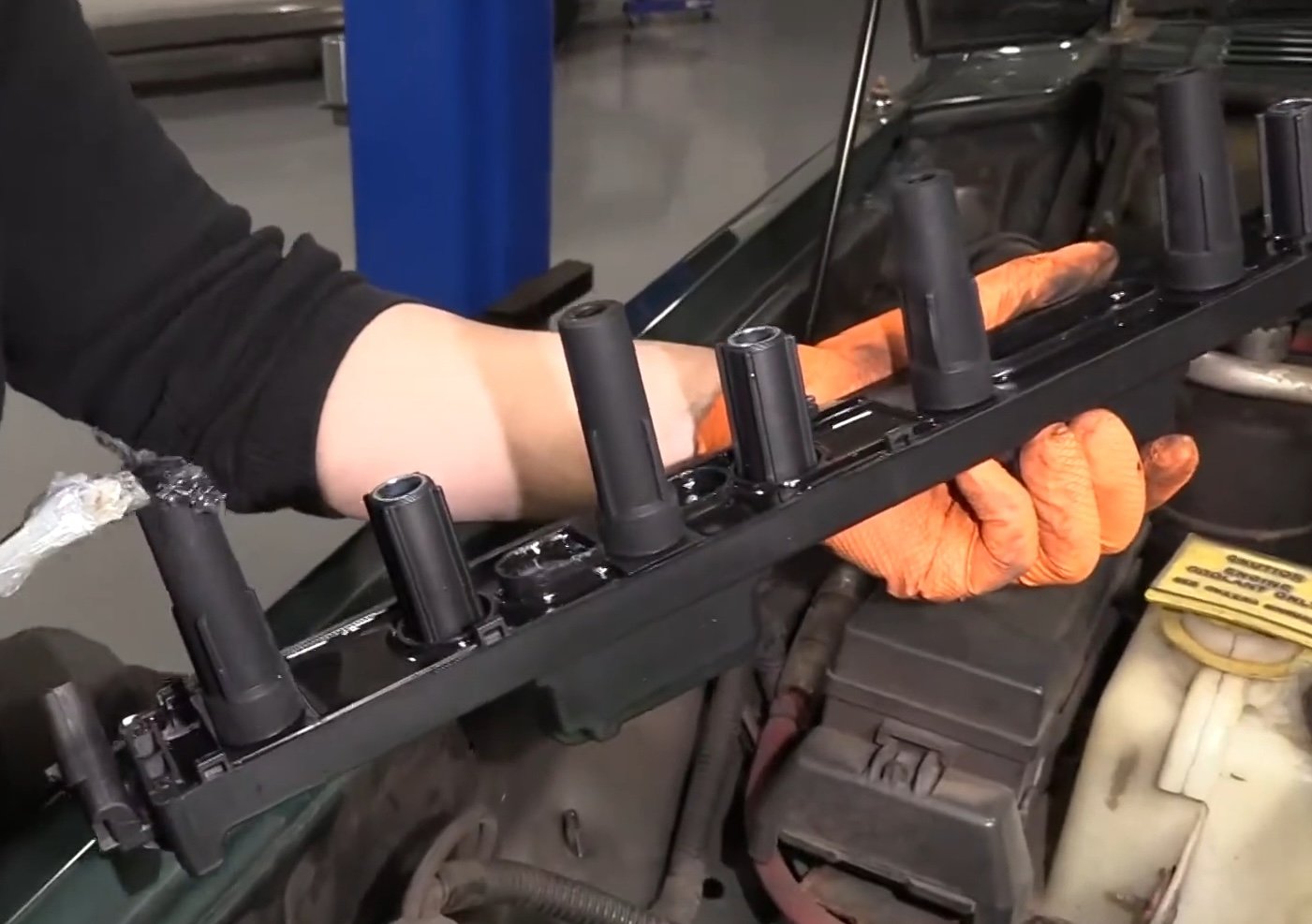
The good news: diagnosing and swapping a 2001 Jeep Cherokee coil pack is one of the more approachable jobs you can tackle in your own driveway, and this guide walks through the symptoms, the diagnosis, the fix, and what it really costs.
A failing 2001 Jeep Cherokee coil pack typically causes rough idling, a hesitating or stumbling engine under acceleration, a check engine light with a P030X misfire code, and reduced fuel economy. Because the 4.0L runs two coil packs in a waste-spark setup, one bad coil affects two cylinders at once.
Understanding The Coil Pack System In A 2001 Jeep Cherokee
The 2001 Cherokee’s ignition system delivers a high-voltage spark to each plug at exactly the right moment. That spark ignites the compressed fuel-air mixture in the cylinder, and the coil pack is what makes it happen.
A coil pack is a step-up transformer. It takes the 12-volt current from your battery and turns it into 30,000 to 50,000 volts, then sends that charge down the plug wires.
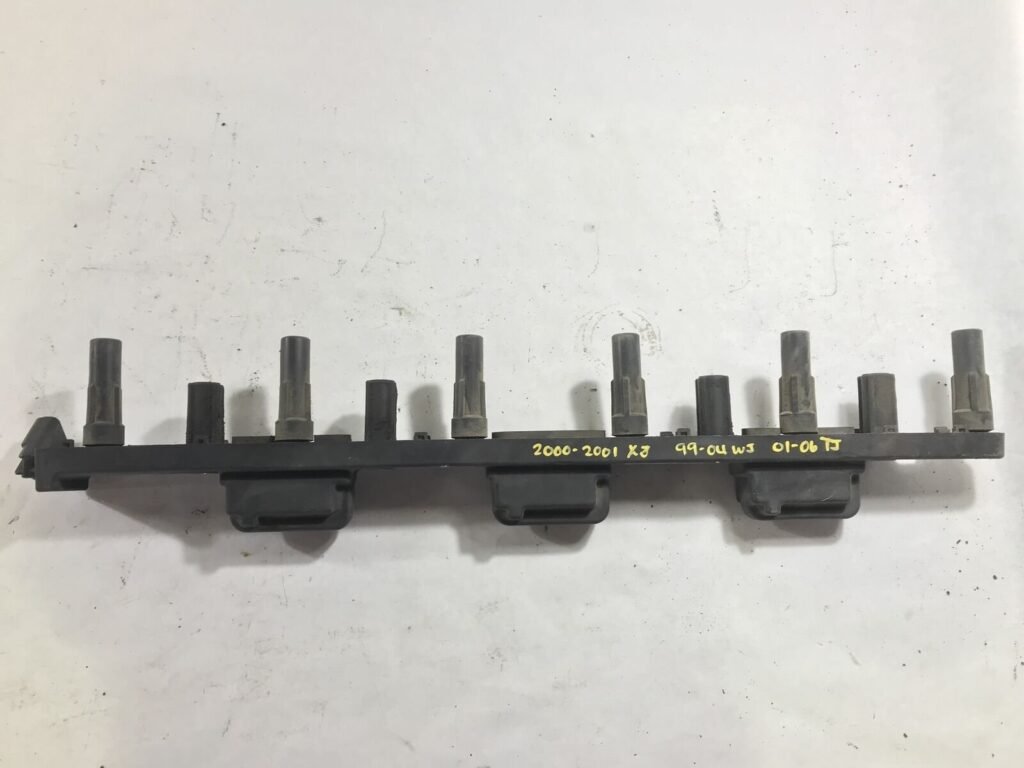
Instead of a distributor, your Cherokee uses a distributorless ignition system (DIS) with two coil packs. Each one fires two spark plugs at once — one cylinder on its power stroke, the other on exhaust.
Mechanics call this a waste spark system, and it’s the reason a single bad coil always affects two cylinders together, never just one.
The engine control module (ECM) times each spark by watching engine speed, throttle position, and oxygen sensor data. Get that timing wrong, even by a hair, and you’ll feel it in the idle.
Symptoms Of A Failing 2001 Jeep Cherokee Coil Pack
Rough idle is usually the first thing owners notice, especially on a cold start or at a stoplight. The engine can hesitate or stumble on acceleration, and some drivers describe a distinct jerk as a cylinder skips a beat.
A check engine light almost always follows. The stored code will usually point to a specific cylinder or an ignition coil circuit fault, which narrows down which of the two coils is at fault.
Fuel economy drops too, since an unburned cylinder wastes gas instead of using it. In worse cases, you’ll feel a real loss of power climbing hills or merging onto the highway, and a fully dead coil can stall the engine or keep it from starting at all.
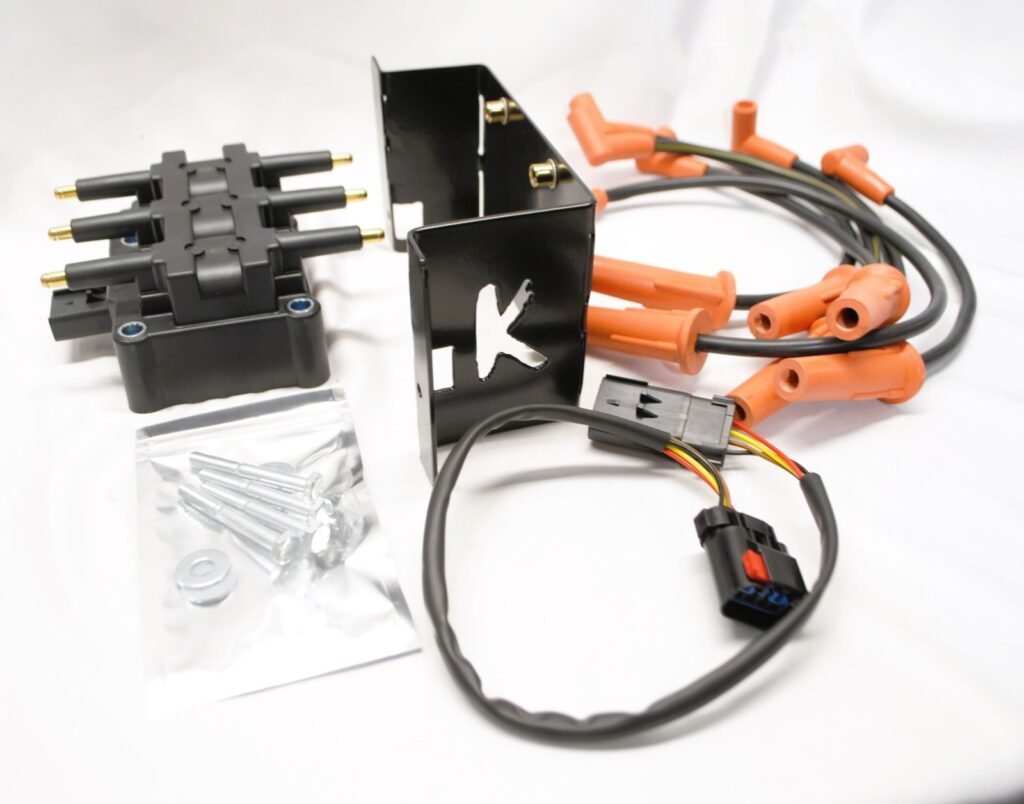
Worn spark plugs and bad plug wires can mimic these same symptoms, so don’t assume it’s the coil until you’ve ruled those out.
How To Diagnose A Bad Coil Pack
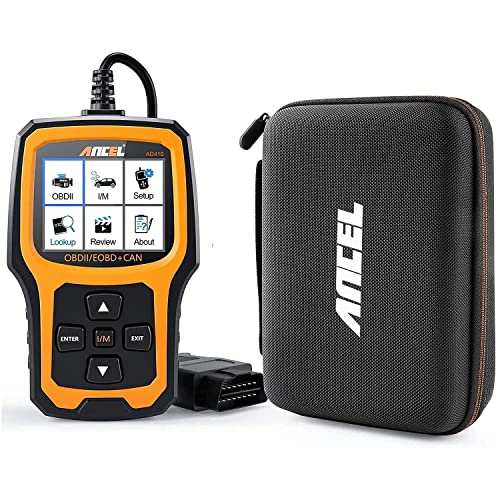
Start with an OBD-II scanner if the check engine light is on. A basic code reader plugs into the port under the dash and pulls the stored trouble codes in seconds — a code like P0301 or P0302 tells you which cylinder pair to investigate first, since each coil serves two cylinders on this waste-spark setup.
If you don’t have a scanner, you can test by ear. With the engine running, gloves and eye protection on, carefully pull one spark plug wire at a time.
If the idle doesn’t change when you disconnect a wire, that cylinder isn’t firing. Stay clear of moving parts and high-voltage components while you do this.
Swapping the two coil packs is the cleanest confirmation. If you suspect the coil for cylinders 1 and 5, swap it with the one for 2 and 6.
If the misfire follows the coil to the new cylinders, you've found your culprit.
What Causes Coil Packs To Fail
Heat is the biggest factor. Engine bays run hot, and repeated heat cycling breaks down the insulation inside a coil pack over years of driving.
Vibration from the 4.0L inline-six loosens internal connections over time, and age alone degrades the windings even on a coil that’s never overheated.
Moisture and road salt corrode the electrical connectors, and a cheap aftermarket coil installed years ago may simply be wearing out ahead of schedule.
Worn spark plugs and damaged plug wires put extra strain on a coil pack too, which is one reason mechanics often recommend replacing plugs and wires at the same time as the coils.
Chrysler actually flagged this exact failure mode. Technical service bulletin 09-003-03, issued in October 2003, covers 4.0L multiple-cylinder misfire on Jeep Cherokee and Grand Cherokee models — a good sign this isn’t a fluke on your Jeep specifically.
You can search TSBs and complaints for your Cherokee directly on NHTSA’s vehicle safety database.
How To Replace The Coil Packs On A 2001 Jeep Cherokee
It’s worth replacing both coils at once, even if only one is misfiring. They’re the same age and mileage, and the second one is usually close behind.
What you’ll need: a socket wrench set, a spark plug wire puller (optional but helps), gloves, and two replacement coil packs.
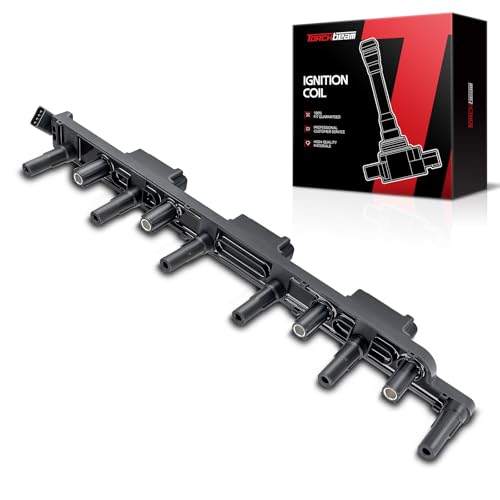
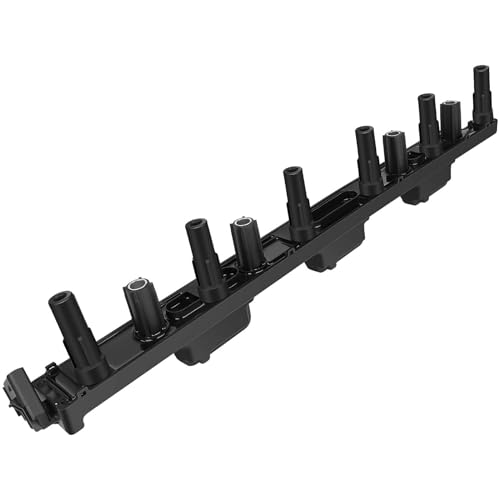
- Disconnect the negative battery terminal. This kills power to the ignition system and prevents any accidental shorts while you’re working near the coils.
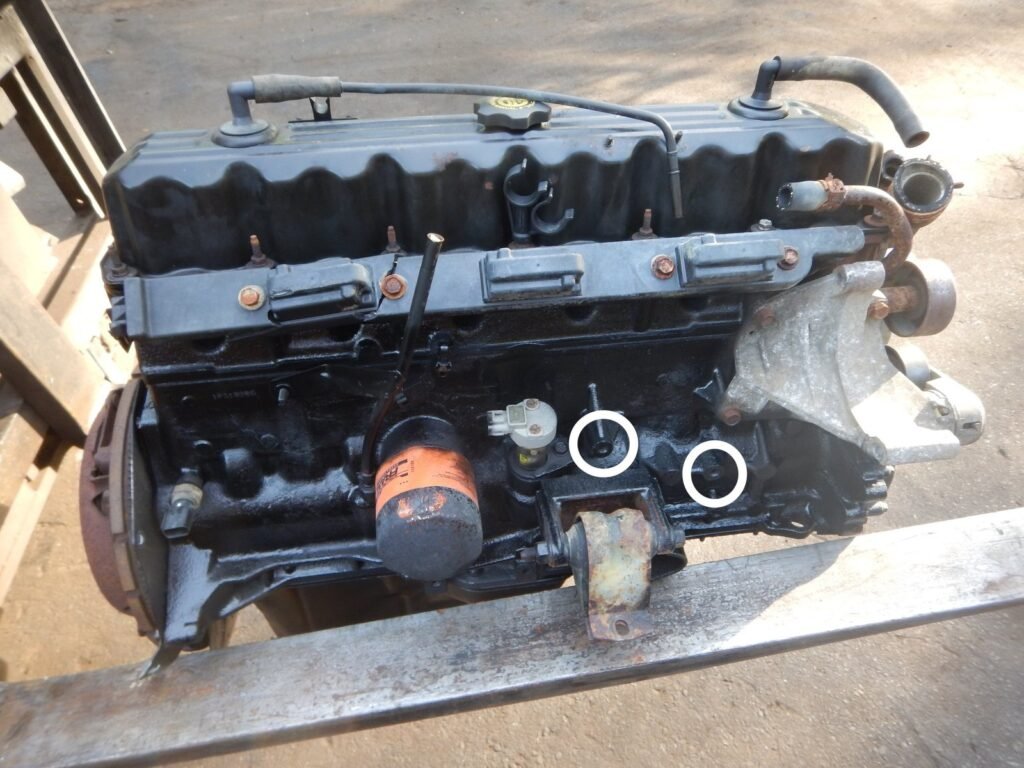
- Locate the two coil packs. They sit on the driver’s side of the engine, near the firewall, each with plug wires running to two spark plugs.
- Label and remove the spark plug wires. Note which wire came from which terminal before pulling them, so the new coil goes back together the same way. A wire puller tool helps avoid tearing the boots.
- Unplug the electrical connector. Press or lift the small release tab on the side of the coil, then pull the connector free.
- Remove the mounting bolts. Each coil pack is held by one or two bolts. Take them out with the appropriate socket.
- Pull the old coil pack free. Gently wiggle it loose and lift it straight up, then check the mounting area for debris or corrosion before moving on.
- Inspect the spark plugs and wires. If they’re worn, cracked, or fouled, replace them now while everything is already apart.
- Install the new coil pack. Seat it on the mounting bracket and reinstall the bolts you removed in step 5.
- Reconnect the plug wires and electrical connector. Match each wire to its original terminal and make sure the connector clicks fully into place.
- Repeat steps 3 through 9 for the second coil pack, then reconnect the negative battery terminal.
- Start the engine and test drive. Confirm the idle is smooth, the misfire is gone, and the check engine light stays off.
How Much Does A 2001 Jeep Cherokee Coil Pack Cost To Replace?
Parts run affordably here since the 4.0L only needs two coils, not six individual coil-on-plug units like newer Jeeps.
A quality aftermarket pair typically lands in the $60 to $140 range depending on brand, and genuine Mopar coils cost more but tend to outlast the cheapest aftermarket options.
Labor is minimal if a shop does the work, since the coils are easy to reach near the firewall. Most shops can swap both in well under an hour, so the total bill stays modest compared to other ignition repairs.
How long do coil packs last on a Jeep Cherokee?
Most coil packs last 50,000 to 100,000 miles, though heat, vibration, and part quality all shift that number. A coil that’s already been replaced once with a cheap aftermarket unit may not make it nearly that far.
Can I drive with a bad coil pack?
You can, but you shouldn’t for long. A misfiring cylinder sends unburned fuel into the exhaust, and that fuel can overheat and damage your catalytic converter — a repair that costs far more than the coil pack itself.
Can a bad coil pack damage other parts of my Jeep?
Yes. Beyond the catalytic converter, a persistent misfire can foul spark plugs and contaminate your oxygen sensors, adding repair costs that go well beyond the ignition system if you let it ride.
Final Thoughts
A 2001 Jeep Cherokee coil pack is a small part with an outsized job, and catching the warning signs early keeps a $60 fix from turning into a $600 one. With a basic socket set, a code reader, and an hour in the driveway, most owners can knock this repair out themselves.
If the misfire code sticks around after you’ve swapped both coils, it’s worth reading through our BlueDriver vs. OBDLink MX+ comparison to rule out worn plugs, cracked wires, or a failing crank position sensor next.
Have you had to chase down a coil pack misfire on your XJ? Drop your symptoms or fix in the comments; it might save the next reader a diagnosis headache.
Last update on 2026-10-24 / Affiliate links / Images from Amazon Product Advertising API