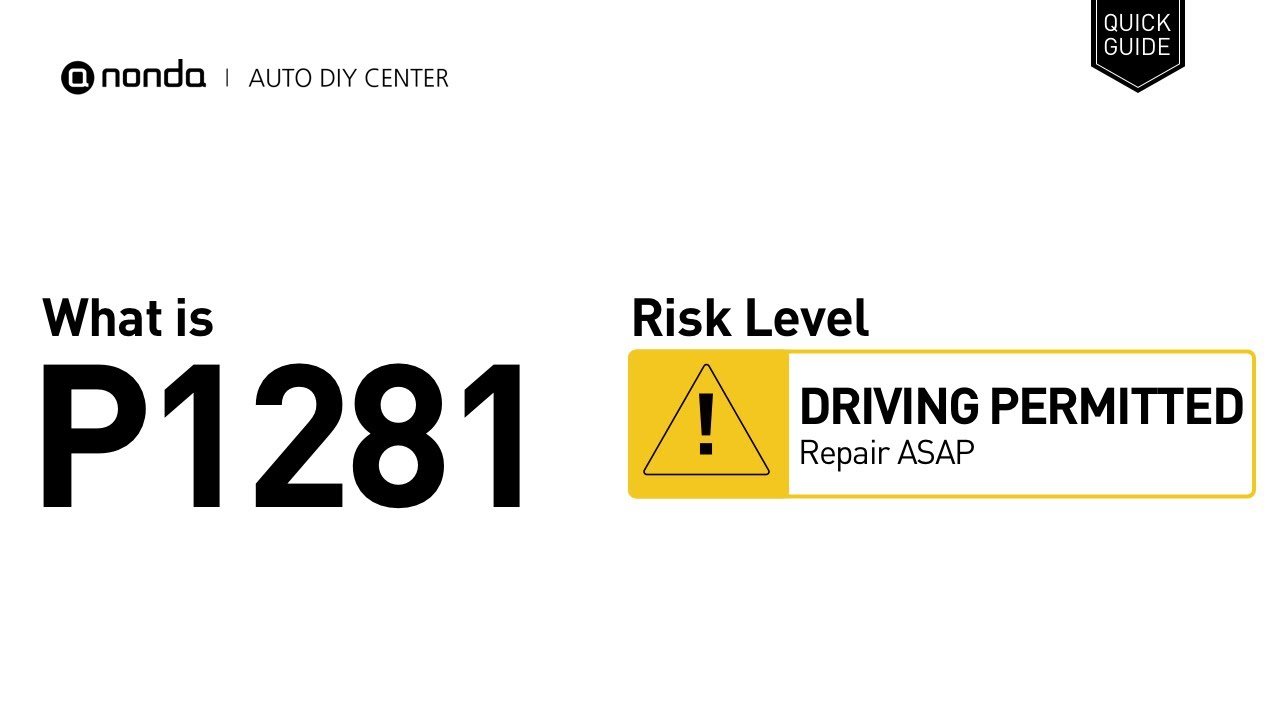
If you’re seeing the code P1281 on your Jeep, it means your engine is staying cold longer than it should. This might not sound like a big deal, but it can cause poor performance, lower fuel efficiency, and even damage over time.
You want your Jeep’s engine to warm up quickly and run smoothly, right? Understanding what causes this code and how to fix it can save you time, money, and headaches down the road.
Keep reading to find out exactly what triggers the P1281 code, common signs to watch for, and simple steps you can take to get your Jeep back on the road with confidence.
What P1281 Means
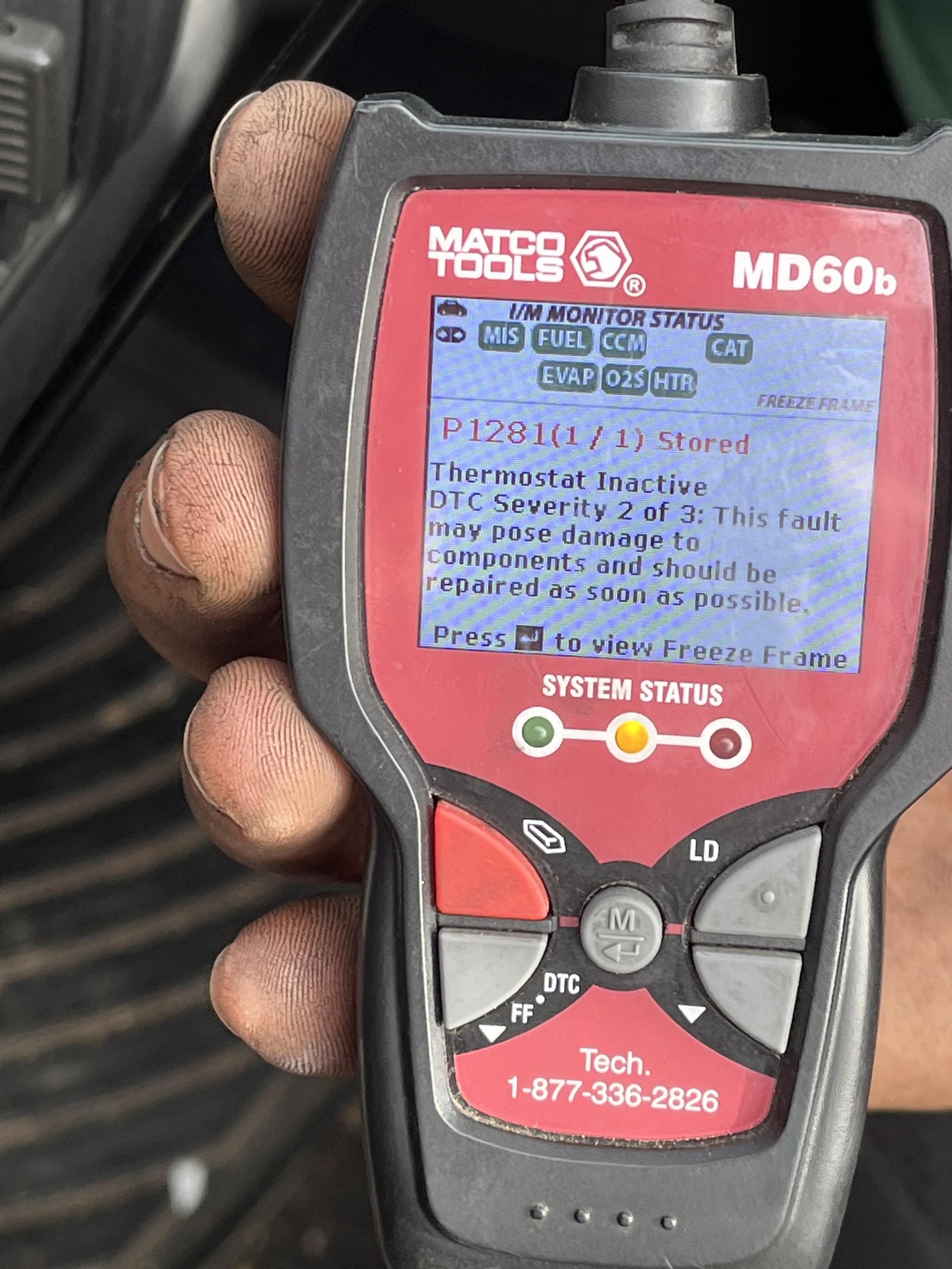
The Code P1281 in a Jeep points to a problem with the engine’s coolant temperature system. This code signals that the engine is not warming up as it should.
It often means the engine is running colder than the computer expects.
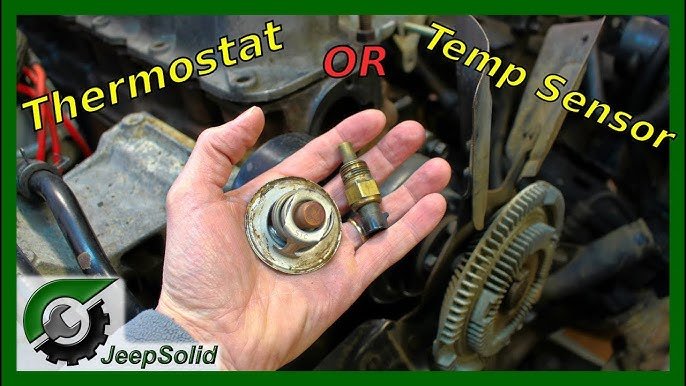
Understanding what P1281 means helps in diagnosing the issue quickly. It relates to the thermostat or the coolant temperature sensor.
Both parts are important for engine temperature control and performance.
Error Code Explanation
Code P1281 shows the engine temperature is lower than normal. The thermostat may be stuck open.
When this happens, coolant flows too freely through the radiator. This prevents the engine from reaching its ideal temperature.
The coolant temperature sensor might also send wrong data to the engine control unit. The computer then thinks the engine is cold even when it is not. This causes the engine to run inefficiently.
Impact On Engine Performance
A cold engine can reduce fuel efficiency. The engine might use more fuel than needed. This also raises emissions and lowers power.
The heater inside the Jeep may not work well. Passengers could feel less warmth inside the cabin.
Engine parts could wear out faster if the engine runs too cold for long periods.
Addressing P1281 early prevents bigger engine problems. It keeps the Jeep running smooth and saves money on repairs.
Common Causes
The Code P1281 in Jeep vehicles often points to engine temperature issues. Understanding the common causes helps in quick diagnosis and repair.
This code usually means the engine is not reaching its proper operating temperature. Several parts can lead to this problem, mainly related to the cooling system.
Here are the most frequent reasons behind the P1281 code in a Jeep.
Stuck-open Thermostat
The thermostat controls coolant flow to keep the engine warm. If it stays open, coolant flows continuously.
This stops the engine from warming up quickly. A stuck-open thermostat causes poor fuel economy and higher emissions.
It is the most common cause of the P1281 code. Replacing the thermostat usually fixes the problem.
Faulty Coolant Temperature Sensor
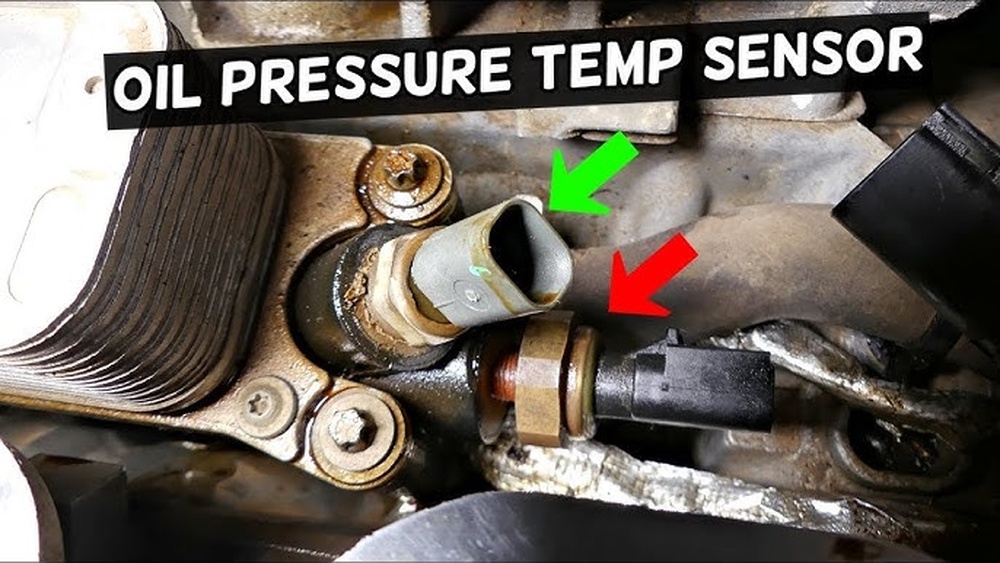
The coolant temperature sensor tells the engine computer how hot the engine is. A bad sensor may send wrong signals.
The computer may think the engine is cold all the time. This leads to wrong fuel mixture and poor engine performance.
Testing and replacing the sensor can solve this issue.
Low Coolant Level
Coolant keeps the engine temperature balanced. Low coolant means the engine may not heat properly.
This causes the temperature sensor to read incorrectly. Low coolant can also damage the engine.
Checking and topping off the coolant is an easy fix. Ensure no leaks are causing the coolant loss.
Symptoms To Watch For
Recognizing the symptoms of Code P1281 in your Jeep helps you act quickly. This code signals a problem with the engine temperature system.
Watch for signs that show your engine is not warming up properly. These issues affect performance and fuel efficiency. Spotting symptoms early can prevent bigger problems.
Engine Cold Too Long
The engine stays cold longer than normal. It takes more time to reach the right temperature.
This delay causes poor fuel economy and rough idling. A stuck-open thermostat often causes this symptom.
Coolant flows continuously through the radiator, preventing the engine from heating up.
Temperature Gauge Issues
The temperature gauge on your dashboard may act strangely. It might stay low or fluctuate unexpectedly.
This happens because the sensor sends wrong data to the computer. The gauge could show the engine is cold even after running for a while.
It makes it hard to tell the real engine temperature.
Poor Engine Warm-up
The engine struggles to warm up during short drives. Heating accessories like the heater may blow cold air.
The performance drops since the engine runs too cold. This symptom can cause increased emissions and engine wear.
A faulty coolant temperature sensor or low coolant level can cause this.
Diagnosing The Problem
Fixing the Code P1281 issue on your Jeep requires careful steps. This code often points to problems with the engine’s cooling system.
Addressing it quickly helps avoid engine damage and improves performance. Below are key repair methods that focus on the main causes.
Thermostat Replacement
The thermostat controls engine temperature by regulating coolant flow. A stuck-open thermostat causes the engine to stay cold too long.
Replace the thermostat to restore proper heating. Start by draining some coolant, then remove the old thermostat carefully.
Install the new part and refill the coolant. This fix helps the engine reach the right temperature faster.
Sensor Repair Or Replacement
The coolant temperature sensor sends vital data to the engine computer. A faulty sensor may give wrong readings, causing the P1281 code.
Test the sensor with a multimeter to check its resistance. Replace the sensor if it fails the test.
Repairing or changing this sensor ensures accurate temperature reporting, improving engine control and fuel efficiency.
Coolant Top-off And Flush
Low or dirty coolant affects engine temperature and sensor readings. Check the coolant level and add more if needed.
Flushing the cooling system removes old coolant and debris. Use a coolant flush kit or take your Jeep to a professional.
Clean coolant flows better and prevents overheating or cold engine issues. Regular coolant maintenance supports engine health.
Fixing The Issue
Preventive maintenance plays a key role in avoiding the Code P1281 error on your Jeep. Small checks and routine inspections keep the cooling system running smoothly.
These simple steps help identify problems early. They protect your engine and improve performance.
Regular Coolant Checks
Check the coolant level every month. Low coolant can cause engine overheating and trigger error codes.
Use the correct type of coolant for your Jeep model. Look for leaks or discoloration in the coolant.
Replace old coolant as recommended in the owner’s manual. Clean coolant helps the system work efficiently.
Thermostat Inspection Schedule
Inspect the thermostat at least once a year. A faulty thermostat can cause the engine to run too cold or too hot.
Feel the radiator hose after starting the engine cold. If it heats up too fast or stays cool, the thermostat may be stuck. Replace the thermostat promptly to avoid damage.
Sensor Function Testing
Test the coolant temperature sensor regularly. This sensor sends data to the engine control unit.
Faulty sensors give wrong readings and cause the P1281 code. Use a scan tool to check sensor output.
Replace sensors that show inconsistent or no signals. Proper sensor function ensures correct engine temperature control.
Preventive Maintenance Tips
Knowing when to take your Jeep to a mechanic for a P1281 code is important. This code often points to engine temperature problems that affect your vehicle’s performance.
Early action can prevent bigger issues and costly repairs.
Watch for signs that your Jeep needs professional attention. Some problems are clear and persistent, while others appear after failed attempts to fix them yourself.
Persistent Engine Cold Issues
If your engine stays cold for too long, it signals a problem. The thermostat might be stuck open, or the coolant temperature sensor could be faulty.
These issues stop the engine from reaching the right temperature. Continuous cold engine problems need a mechanic’s diagnosis.
Multiple Warning Lights
Seeing more than one warning light on your dashboard is a serious sign. It means your Jeep’s computer detects several issues at once.
This can confuse DIY fixes and worsen the situation. A mechanic can read the codes properly and find the root cause.
Failed Diy Repairs
Trying to fix the P1281 code yourself is common. But if the problem returns or gets worse, stop and seek expert help.
Incorrect repairs can damage parts further. A trained mechanic has the right tools and knowledge to fix the issue safely.
Is It Okay To Drive With P0128?
Driving with a P0128 code is possible but not ideal. It indicates the engine runs too cold, affecting efficiency.
Fix the thermostat or coolant sensor soon to avoid poor performance and increased emissions.
How To Fix P1281?
Fix P1281 by checking and replacing a faulty thermostat stuck open or a bad coolant temperature sensor. Also, ensure coolant levels are adequate.
How Do I Fix A P0128 Engine Code?
Fix a P0128 code by checking and replacing a stuck-open thermostat. Verify coolant levels and test the coolant temperature sensor.
Replace faulty parts to ensure proper engine warm-up.
How To Tell If A Jeep Thermostat Is Bad?
A bad Jeep thermostat causes the engine to stay cold too long or overheat. Check if the upper radiator hose heats quickly after starting cold.
A stuck-open thermostat needs replacement to restore proper engine temperature control.
Conclusion
The P1281 code means your Jeep's engine stays cold too long. This can cause poor performance and higher fuel use.
Common reasons include a stuck-open thermostat or a faulty coolant temperature sensor. Check coolant levels and engine temperature to spot issues early.
Fixing these parts helps your Jeep run smoothly and saves money on repairs. Keep an eye on engine heat to avoid bigger problems.
Regular maintenance prevents this code from coming back. Simple checks and timely fixes keep your Jeep reliable and safe on the road.