If you’ve seen the code P0440 pop up on your Jeep Grand Cherokee’s dashboard, you’re probably wondering what it means and how it affects your ride.
This code points to an issue with your vehicle’s EVAP system — the part responsible for controlling fuel vapors and keeping emissions in check.
Ignoring it could lead to worse problems, but don’t worry, you don’t have to be an expert mechanic to understand what’s going on.
You’ll learn what triggers the P0440 code, how to spot the signs, and the simple steps you can take to diagnose and fix the problem.
Stick with me, and you’ll feel confident handling this common Jeep issue before it turns into a costly repair.
Evap System And P0440 Code
The EVAP system in your Jeep Grand Cherokee controls fuel vapors. It stops these vapors from escaping into the air. The system stores and recycles fuel vapors back into the engine. This helps reduce pollution and keeps the environment cleaner.
Code P0440 signals a problem in the EVAP system. It means the system has a leak or a failure.
The vehicle’s computer detects this issue and stores the code. Understanding this code helps in fixing the problem faster.
What Triggers Code P0440
Code P0440 appears when the EVAP system fails to maintain proper pressure. A leak or broken part causes this pressure loss.
Common triggers include a loose gas cap or damaged hoses. Faulty purge or vent valves can also cause the code.
The Evaporative System Integrity Monitor (ESIM) may fail too. This sensor tests the EVAP system’s ability to hold pressure.
Role Of Evap System In Emissions
The EVAP system captures fuel vapors from the gas tank. It sends these vapors back to the engine to burn.
Without this system, vapors would escape into the air. This release harms the environment and increases pollution.
The EVAP system reduces harmful emissions from your Jeep. It helps your vehicle meet strict emissions laws.
Proper EVAP function improves fuel efficiency and lowers pollution.
Common Causes In Jeep Grand Cherokee
The P0440 code in a Jeep Grand Cherokee signals a problem with the EVAP system. This system traps fuel vapors to reduce pollution. Common causes often relate to parts that fail to hold or release pressure properly. Understanding these issues helps spot problems early.
Several components can cause the P0440 code in your Jeep. Each plays a role in sealing or venting fuel vapors.
Faulty parts lead to leaks and trigger the error code.
Failed Esim Switch
The ESIM switch monitors the EVAP system’s pressure. It is near the charcoal canister, usually behind the driver’s rear wheel.
If the ESIM switch or its O-ring fails, it cannot seal or detect pressure. This failure causes the system to report leaks and triggers the P0440 code.
Faulty Purge Valve
The purge valve controls fuel vapor flow to the engine. It is often near the engine itself.
A faulty purge valve can stick open or closed. This causes incorrect pressure readings and sets off the P0440 code.
Electronic failure inside the valve also causes issues.
Malfunctioning Vent Valve
The vent valve allows fresh air into the EVAP system. It must open and close at the right times.
If the vent valve sticks or fails electronically, it disrupts pressure balance. This triggers the P0440 code and causes emission problems.
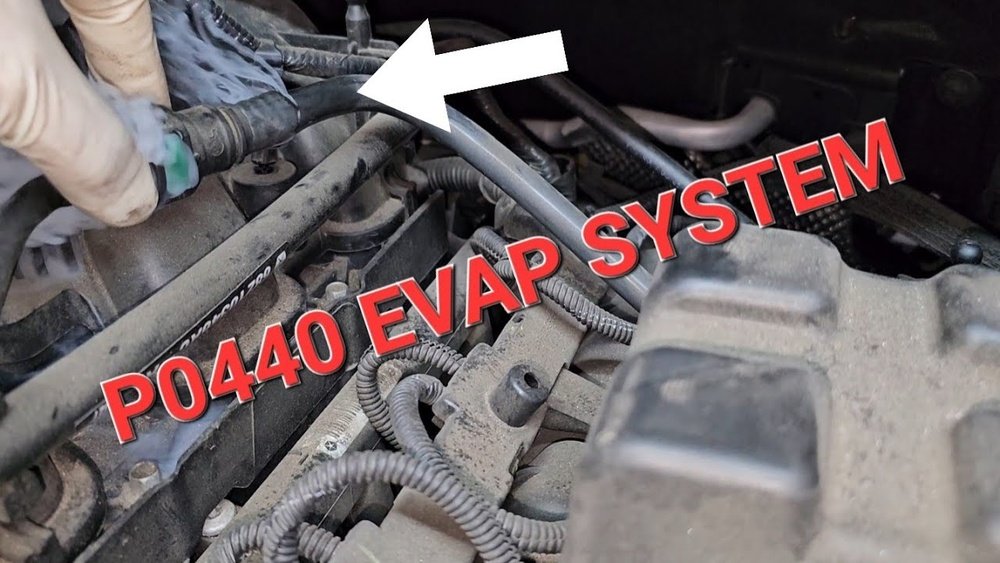
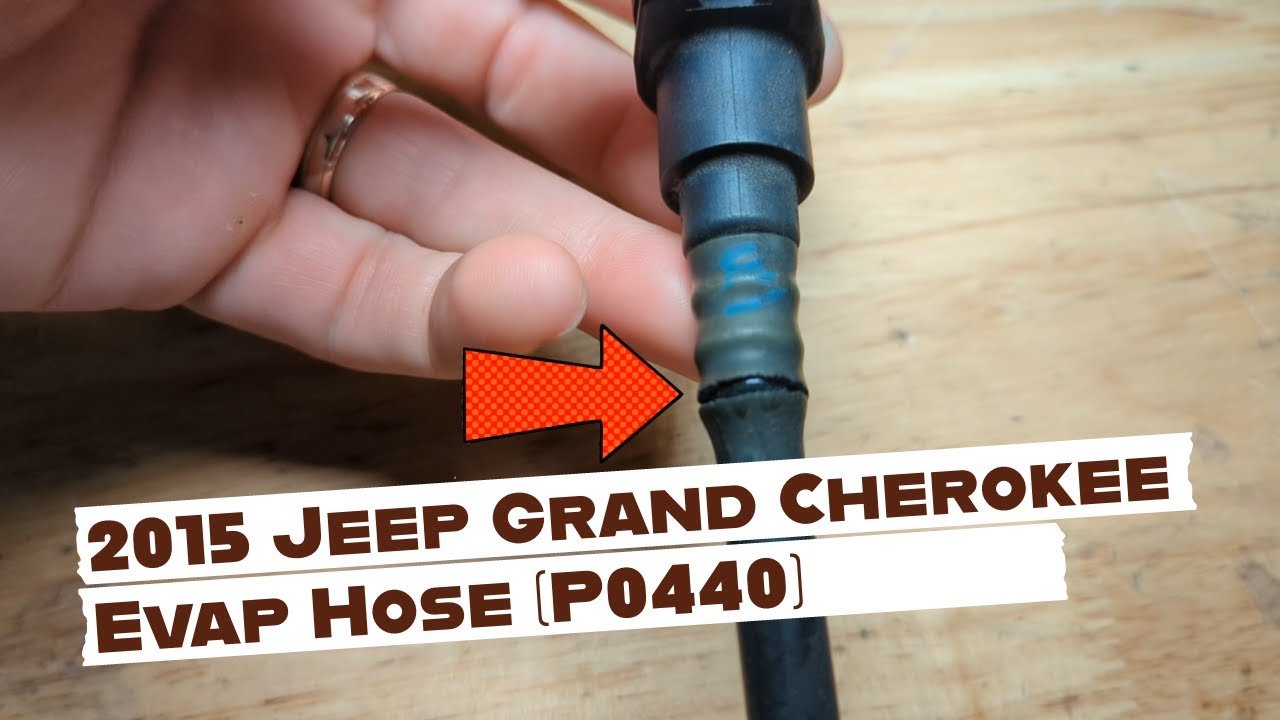
Cracked Or Disconnected Hoses
EVAP hoses carry fuel vapors inside the system. Over time, these rubber hoses crack or disconnect.
Even small cracks let vapors escape, causing leaks. Loose or disconnected hoses also cause pressure loss. This leads to the P0440 error code.
Symptoms Of Evap System Issues
The EVAP system in your Jeep Grand Cherokee controls fuel vapors to reduce pollution. When this system has problems, you might notice certain signs.
These symptoms help identify EVAP system issues early. Detecting problems fast can prevent bigger damage and costly repairs.
Check Engine Light Activation
The most common sign of EVAP issues is the check engine light turning on. The light can come on suddenly or blink intermittently.
It signals the onboard computer found a problem in the EVAP system. A diagnostic scan tool can confirm if code P0440 caused the alert.
Driving Performance Effects
EVAP system faults can affect your Jeep’s engine performance. You may feel a rough idle or hesitation during acceleration.
The engine might stall or run unevenly at times. Fuel efficiency could also drop due to improper vapor management.
These issues reduce driving comfort and vehicle reliability.
Unusual Odors And Fuel Smell
A faulty EVAP system can cause fuel vapors to escape. This leads to a strong gas smell around the vehicle, especially near the fuel tank or engine.
Unusual odors may be noticeable inside or outside the Jeep. These smells indicate leaks or venting issues in the EVAP system.
Diy Inspection Tips
DIY inspection helps identify the cause of the P0440 code in your Jeep Grand Cherokee. It saves time and money before visiting a mechanic.
Follow these simple steps to check key components of the EVAP system.
Checking Under-hood Hoses
Start by opening the hood and locating the EVAP hoses. These are usually thin rubber or plastic tubes near the engine.
Look closely for cracks, splits, or loose connections. Even small damage can cause leaks and trigger the P0440 code.
Press gently on the hoses to feel for brittleness. Replace any hose that looks worn or damaged.
Make sure all clamps are tight and secure to prevent leaks.
Inspecting The Esim Module
The ESIM module monitors the EVAP system’s pressure. It sits near the charcoal canister, usually behind the driver-side rear wheel.
Check if the ESIM is firmly locked in place. Remove the module carefully to inspect the rubber O-ring for cracks or wear.
A faulty O-ring causes pressure loss and system errors. Replace the O-ring or the entire module if damaged.
Reinstall the ESIM with care to ensure a tight seal.
Testing Purge And Vent Valves
The purge and vent valves control vapor flow in the EVAP system. Locate the purge valve near the engine intake manifold.
The vent valve is often near the charcoal canister. Listen for clicking sounds when you activate the valves with the key in the “on” position.
Use a multimeter to test valve resistance and check for electrical faults. Valves that do not open or close properly must be replaced.
Proper valve function keeps the EVAP system sealed and working.
Step-by-step Diagnosis
Diagnosing the P0440 code on a Jeep Grand Cherokee requires a clear, step-by-step approach. This code points to an issue in the EVAP system, which controls fuel vapor emissions.
Proper diagnosis helps avoid unnecessary part replacements. Follow these key steps to find the root cause of the problem.
Using An Obd-ii Scanner
Begin by connecting an OBD-II scanner to the Jeep’s diagnostic port. This tool reads trouble codes stored by the engine computer. Confirm the presence of code P0440 and check for related codes. Clear the codes and run the vehicle to see if the code returns. This step narrows down possible EVAP system faults.
Performing A Smoke Test
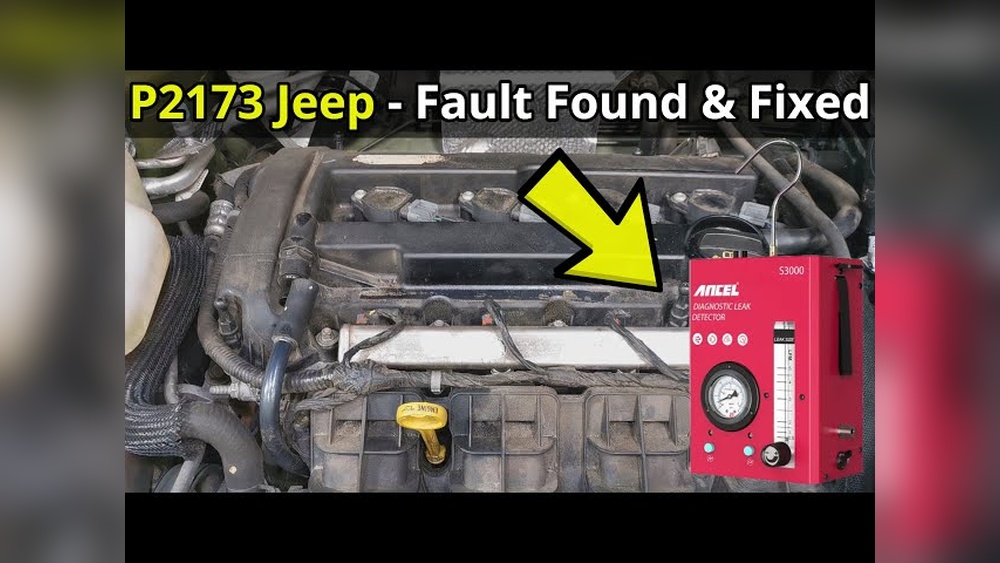
A smoke test reveals leaks in the EVAP system. Introduce smoke into the system through the service port.
Watch carefully for smoke escaping from hoses, valves, or the fuel tank. Even small cracks or loose fittings can cause EVAP leaks.
Mark any areas where smoke appears for further inspection.
Pressure Testing The Evap System
Pressure testing measures the system’s ability to hold vacuum or pressure. Attach a pressure tester to the EVAP service port.
Apply pressure and observe if it holds steady over time. A drop in pressure indicates a leak.
Use this test to verify if components like the ESIM, purge valve, or vent valve are faulty.

Quick Fixes For P0440
The P0440 code signals an issue in the Jeep Grand Cherokee’s EVAP system. Quick fixes can often resolve this problem without costly repairs.
These fixes focus on restoring the system’s ability to hold pressure and prevent vapor leaks. Simple checks and replacements can clear the code and improve your vehicle’s performance.
Addressing the P0440 code starts with pinpointing the faulty components. Regular inspection and maintenance help keep the EVAP system in good condition.
Below are the common quick fixes that target the main causes of the P0440 error.
Replacing Faulty Esim Switch
The ESIM switch controls pressure testing in the EVAP system. It sits near the charcoal canister by the rear wheel.
A broken ESIM switch or worn O-ring can cause leaks and trigger the P0440 code. Replacing the faulty ESIM switch restores proper pressure control.
This fix often stops the error code from returning. Ensure the new switch fits tightly and the O-ring seals well.
Repairing Or Swapping Hoses
Cracked or loose hoses disrupt the vapor path and cause the P0440 code. Visual checks can identify damaged or disconnected EVAP hoses.
Replace cracked hoses or swap them with new ones to seal leaks. Tighten hose clamps to prevent air from escaping.
Proper hose repair keeps the vapor contained and the system working smoothly.
Cleaning Or Replacing Valves
The purge and vent valves manage vapor flow in the EVAP system. Dirt or electronic failure may cause valves to stick open or closed.
Cleaning the valves can sometimes fix the issue. If cleaning fails, replace the faulty valve with a new one.
This restores correct valve operation and stops P0440 errors. Valve maintenance is key to a healthy EVAP system.
Expert Solutions And Repairs
Addressing the P0440 code on a Jeep Grand Cherokee requires expert solutions and precise repairs. This code signals a problem in the vehicle’s EVAP system, which controls fuel vapor emissions.
Proper repairs ensure your Jeep runs efficiently and meets emission standards.
Specialized knowledge and tools are necessary to fix this issue correctly. The EVAP system is complex, with many components that can cause leaks or malfunctions.
Skilled technicians use advanced methods to find and repair these problems quickly.
Professional Leak Detection
Finding leaks in the EVAP system is the first step to solving code P0440. Professionals use smoke machines to introduce harmless smoke into the system.
The smoke escapes through leaks, revealing their exact location. This method is accurate and saves time compared to guesswork.
Technicians also perform pressure tests to check system integrity. These tests detect small leaks that are otherwise hard to find.
Accurate leak detection prevents unnecessary part replacements and reduces repair costs.
Advanced Evap System Repairs
Once leaks are found, repairs must restore the system’s full function. Common fixes include replacing cracked hoses, faulty valves, or damaged seals.
Some Jeep Grand Cherokee models have specific parts like the ESIM switch that may fail.
Technicians use OEM parts to ensure compatibility and durability. They also clean components to remove dirt or debris that could cause issues.
Proper repair techniques extend the life of the EVAP system and prevent recurring trouble codes.
When To Visit A Mechanic
DIY checks can identify some problems, but professional help is often needed. Visit a mechanic if the check engine light stays on after simple fixes.
Strange smells, rough idling, or poor fuel economy are signs to seek expert service.
Mechanics have tools to read detailed codes and run tests beyond basic diagnostics. Early professional intervention avoids costly damage and keeps your Jeep running safely.
Trust experts to handle complex EVAP repairs correctly.

Cost Factors For Repair
Repairing the P0440 code on a Jeep Grand Cherokee involves several cost factors. These factors affect the total amount spent on fixing the evaporative emission control system.
Understanding these elements helps prepare for the expenses ahead.
Costs vary depending on the parts needed and labor required. Some repairs might be simple, while others could demand more time and expertise.
Choosing between DIY and professional services also influences the final price.
Parts And Labor Estimates
Replacement parts for the EVAP system can range from $50 to $300. Common parts include the purge valve, vent valve, or the ESIM module.
Labor costs depend on the mechanic’s rates and the repair complexity.
On average, labor may cost between $80 and $150 per hour. Simple repairs might take an hour, but complex issues could require more time.
Total repair costs often fall between $150 and $600.
Diy Vs Professional Repair Costs
DIY repairs save money on labor but need proper tools and knowledge. Parts still cost the same, but no mechanic fees apply.
Mistakes during self-repair can cause more damage and higher costs later.
Professional repair ensures correct diagnosis and quality work. It comes with a service warranty.
For many, paying for professional help avoids risks and saves time.
Warranty And Recall Information
Check if your Jeep Grand Cherokee is still under warranty. Some EVAP parts may be covered, reducing your expenses.
Also, verify if there are any recalls related to the EVAP system.
Manufacturers sometimes fix defects at no cost. This can save a significant amount on repairs.
Contact your dealer or visit the official Jeep website for updates.
Maintaining Your Evap System
Maintaining the EVAP system in your Jeep Grand Cherokee is key to avoiding error code P0440. The EVAP system traps fuel vapors and stops them from escaping into the air.
Keeping it in good shape helps your vehicle run cleaner and prevents costly repairs.
Simple care steps can extend the life of your EVAP system. Regular checks catch issues early.
Preventing leaks keeps the system working right. Following Jeep-specific tips improves system reliability.
Regular Inspections
Look over the EVAP hoses and connections often. Check for cracks, holes, or loose fittings.
Inspect the ESIM module near the rear wheel for damage or wear. Make sure the purge and vent valves open and close properly.
Small problems found early save money and stress later.
Preventing Future Leaks
Use quality fuel and avoid overfilling the gas tank. Overfilling can damage the EVAP system’s seals and valves.
Replace worn O-rings and gaskets quickly. Keep the gas cap tight and in good condition.
These steps reduce the chance of vapor leaks and system faults.
Best Practices For Jeep Grand Cherokee
Follow Jeep’s maintenance schedule for EVAP checks. Use parts designed for the Grand Cherokee model.
Clean the charcoal canister area to prevent clogging. Avoid DIY fixes that might harm the system.
Trust trained mechanics for system repairs and diagnostics.
Frequently Asked Questions
How To Fix Jeep Code P0440?
To fix Jeep code P0440, inspect EVAP hoses for leaks or damage. Check and replace faulty purge or vent valves.
Test the ESIM switch near the charcoal canister and replace if defective. Clear the code after repairs to ensure the EVAP system works properly.
How Much Does It Cost To Fix An Evap Leak On A Jeep Grand Cherokee?
Fixing an EVAP leak on a Jeep Grand Cherokee typically costs between $150 and $500. Prices vary by part and labor.
What Is The Most Common Cause Of P0440?
The most common cause of P0440 is a faulty Evaporative System Integrity Monitor (ESIM) switch or pump failure.
Is P0440 Safe To Drive Jeep Grand Cherokee?
Driving a Jeep Grand Cherokee with P0440 code is generally safe but may reduce fuel efficiency. Get the EVAP system checked soon.
Conclusion
The P0440 code in your Jeep Grand Cherokee points to an EVAP system issue. This problem affects your vehicle’s ability to control fuel vapors properly.
Checking hoses, valves, and the ESIM sensor can help find the cause. Fixing this code can improve fuel efficiency and reduce emissions.
Regular maintenance keeps your Jeep running smoothly and avoids costly repairs. Stay alert to warning signs and address them quickly for safe driving.