You’re driving your Jeep Liberty when suddenly, that dreaded check engine light flickers on. It’s easy to feel a spike of worry, what does it mean?
Can you keep driving, or do you need to stop immediately? The truth is, your check engine light can signal a range of issues, from something as simple as a loose gas cap to more serious engine problems. But don’t panic just yet.
You’ll learn exactly why your Jeep Liberty’s check engine light might be on, how to quickly diagnose the problem, and what steps you can take to fix it. Keep reading to protect your vehicle and avoid costly repairs down the road.
Common Causes
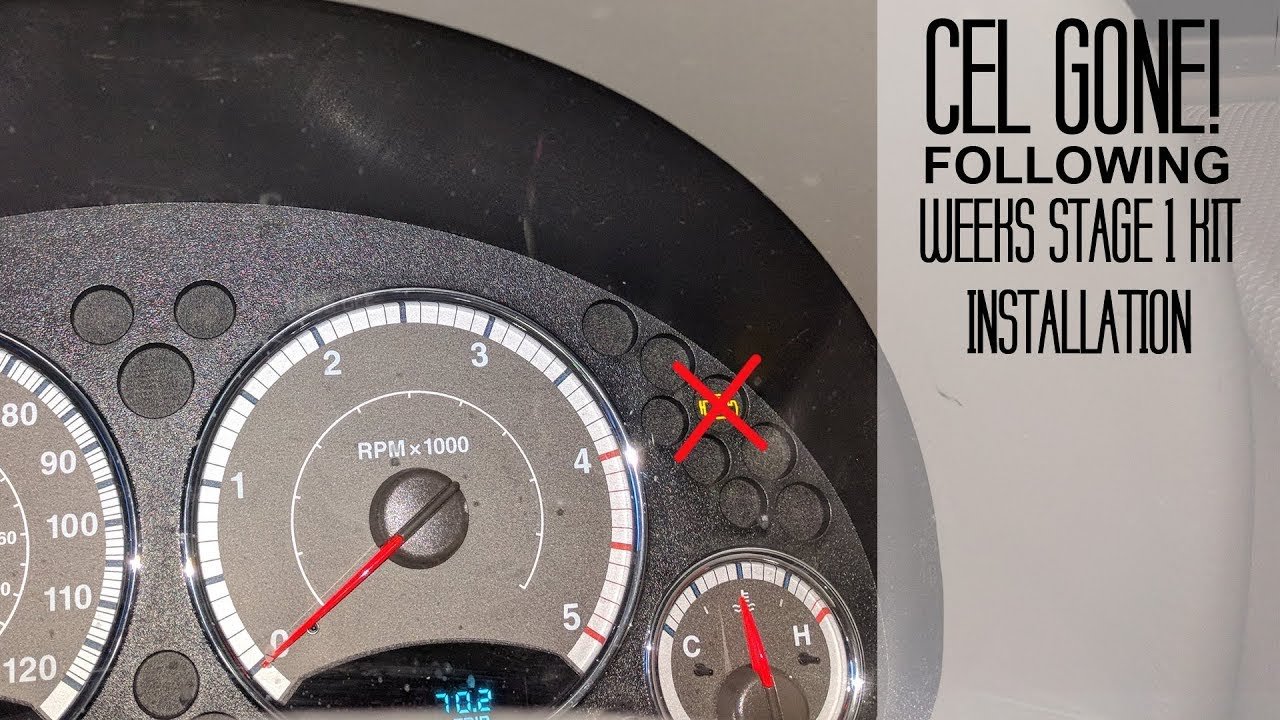
The Check Engine Light on your Jeep Liberty signals a problem in the vehicle’s system. It often points to common issues that need attention. Understanding these causes can help you avoid bigger repairs and keep your Jeep running smoothly.
frequent reasons why the Check Engine Light might come on.
Loose Gas Cap
A loose or damaged gas cap can trigger the Check Engine Light. This cap seals the fuel tank and prevents fuel vapors from escaping. If it’s not tight, the system detects a leak and turns on the light. Tightening or replacing the cap often fixes this issue quickly.
Faulty Oxygen Sensor
The oxygen sensor measures the amount of oxygen in the exhaust. A faulty sensor sends wrong data to the engine’s computer. This causes poor fuel economy and higher emissions. Replacing a bad oxygen sensor restores proper engine function and can turn off the light.
Catalytic Converter Issues
The catalytic converter reduces harmful gases in the exhaust. Problems with this part can cause the Check Engine Light to come on. A clogged or damaged converter limits engine performance and increases pollution. Repair or replacement is necessary to solve this problem.
Worn Spark Plugs
Spark plugs ignite the fuel-air mixture in the engine. Worn or dirty plugs cause misfires, poor fuel economy, and rough idling. The system detects these problems and lights up the engine warning. Changing spark plugs can improve performance and stop the light.
Evap System Faults
The EVAP system stops fuel vapors from escaping into the air. Leaks or faults in this system trigger the Check Engine Light. Common causes include broken hoses or a faulty purge valve. Fixing these parts helps keep emissions low and clears the warning light.
Diagnosing The Problem
The check engine light on a Jeep Liberty signals a detected issue. Diagnosing the problem helps identify the cause quickly. This section guides you through the basic steps to find the root of the trouble. Simple tools and clear steps make this process easy.
Locating The Obd-ii Port
The first step is finding the OBD-II port. It is usually under the dashboard near the steering wheel. The port is a small, trapezoidal connector. Make sure the vehicle is off before looking for it. This port connects to a code scanner for diagnosis.
Using A Code Scanner
A code scanner reads trouble codes from your Jeep Liberty. Plug the scanner into the OBD-II port. Turn the ignition to the “on” position without starting the engine. Follow the scanner instructions to retrieve the codes. Many scanners show codes on a small screen.
Reading Diagnostic Trouble Codes
Once connected, the scanner displays diagnostic trouble codes (DTCs). These codes point to specific problems in the vehicle. Write down each code exactly as shown. Some scanners also provide a brief description of the code. This step is key to understanding the issue.
Interpreting Common Codes
Common codes include P0171 (lean fuel mixture) and P0300 (random misfire). A loose gas cap often triggers P0455. Oxygen sensor faults show as P0135 or P0141. Use the code description to plan your next step. Fixing simple issues may clear the check engine light.
Quick Fixes
The check engine light on your Jeep Liberty can turn on for several reasons. Some problems are simple and easy to fix. Quick fixes can save time and money before visiting a mechanic. These solutions often clear the light fast and keep your Jeep running smoothly.
Tightening Or Replacing The Gas Cap
A loose or faulty gas cap is a common cause of the check engine light. The gas cap keeps fuel vapors sealed in the tank. If it is not tight or damaged, the light may come on. Turn off the engine and try tightening the gas cap until it clicks. If the light stays on, try replacing the gas cap with a new one.
Cleaning Or Replacing Sensors
Dirty or failing sensors often trigger the check engine light. Oxygen sensors and mass airflow sensors are usual culprits. Cleaning the sensors with proper tools can restore their function. If cleaning does not help, replacing the sensors is the next step. This fix improves fuel efficiency and reduces emissions.
Resetting The Check Engine Light
Resetting the check engine light may clear minor issues or false alerts. You can do this with an OBD-II scanner or by disconnecting the battery for a few minutes. After resetting, watch if the light comes back on. If it does, further diagnosis is necessary to find the root cause.
Checking For Loose Connections
Loose or corroded wiring connections can cause the check engine light to activate. Inspect the engine bay for any disconnected or damaged wires. Secure any loose connections and clean corroded terminals. This simple step often solves electrical issues and turns off the warning light.

When To Seek Professional Help
The check engine light on your Jeep Liberty signals a problem inside the vehicle. Knowing when to seek professional help saves time and prevents damage. Some issues need expert attention right away. Other problems might wait a little. Here are clear signs to take your Jeep to a mechanic.
Persistent Or Flashing Light
A steady check engine light means a problem that needs checking soon. A flashing light signals a serious issue. This could harm the engine. Stop driving and get help quickly. Ignoring a flashing light risks expensive repairs and safety.
Multiple Trouble Codes
Sometimes, the onboard scanner shows several trouble codes. This means multiple parts might be failing. A professional mechanic can read these codes properly. They will find the root cause and fix it. Trying to fix multiple problems alone may cause confusion and waste money.
Engine Performance Issues
If your Jeep Liberty runs rough, stalls, or loses power, the engine has a problem. These symptoms often appear with the check engine light. A trained technician can diagnose the cause. They have the right tools to fix engine troubles safely and quickly.
Preventive Maintenance Tips
Preventive maintenance plays a key role in avoiding the check engine light on your Jeep Liberty. Routine care helps keep the engine and its systems running smoothly. Small steps can prevent costly repairs and improve your vehicle’s performance.
Regular Tune-ups
Schedule regular tune-ups according to your Jeep Liberty’s manual. Mechanics check spark plugs, ignition systems, and engine timing. These checks prevent engine misfires that trigger the check engine light. Tune-ups keep your engine efficient and reduce emissions.
Using Quality Fuel
Fill your Jeep with high-quality gasoline from trusted stations. Low-grade fuel can cause engine knocking and poor combustion. Clean fuel helps maintain the fuel system and protects sensors from damage. Good fuel reduces the chance of warning lights.
Inspecting Emission Components
Check emission parts like the catalytic converter and oxygen sensors regularly. Faulty emission components often cause the check engine light to come on. Early inspection helps identify worn or damaged parts. Replace them promptly to keep emissions low and systems working.
Keeping Sensors Clean
Clean sensors like the mass airflow sensor and oxygen sensors to ensure accurate readings. Dirt and grime can cause false signals, triggering the check engine light. Use proper cleaning products or visit a mechanic for sensor maintenance. Clean sensors help the engine run efficiently.

Driving With The Light On
The check engine light glowing on your Jeep Liberty can cause concern. Driving with this light on requires caution and awareness. It signals your vehicle’s system has found a fault. Not every issue is urgent, but some need immediate attention. Knowing how to respond helps protect your Jeep and safety on the road.
Assessing Severity
Check if the light is steady or flashing. A steady light often means a minor issue. A flashing light signals a serious problem. Listen for strange noises or changes in performance. Smell for unusual odors like burning or fuel. Check for reduced power or rough idling. These signs suggest a severe fault needing quick service.
Short-term Driving Advice
Drive gently and avoid hard acceleration. Keep your speed moderate and steady. Stop driving if the light flashes or the car feels unsafe. Avoid long trips until the problem is fixed. Find a safe place to have your Jeep checked. Using an OBD-II scanner can help identify the issue. Tighten the gas cap if it is loose; this simple step may turn off the light.
Risks Of Ignoring The Warning
Ignoring the check engine light can cause damage. Small problems can turn into costly repairs over time. Engine or emission issues may worsen without care. Fuel efficiency may drop, raising your fuel costs. In some cases, the Jeep might break down suddenly. Safety risks increase if critical systems fail. Prompt attention saves money and keeps you safe.
<!– wp:rank-math/faq-block {"questions":[{"id":"faq-question-c452e300fe26","title":"Can I Still Drive My Car If The Check Engine Light Just Came On?","content":"
You can drive briefly if the check engine light just came on. Schedule a diagnostic check promptly to avoid damage.
“,”visible”:true},{“id”:”faq-question-2b0465495eb0″,”title”:”What Is The First Thing To Check When The Check Engine Light Comes On?”,”content”:”The first thing to check is the gas cap. Ensure it is tightly secured and not damaged. This often triggers the light.
“,”visible”:true},{“id”:”faq-question-d5e49770f9be”,”title”:”How Serious Is A Solid Check Engine Light?”,”content”:”A solid check engine light signals a persistent issue needing prompt diagnosis. It may indicate minor or serious problems affecting vehicle performance.
nnnnAvoid driving long distances without inspection to prevent potential damage or safety risks.
“,”visible”:true},{“id”:”faq-question-ec6cc21652b6″,”title”:”Can I Drive $1000 Miles With The Check Engine Light On?”,”content”:”Driving 1,000 miles with the check engine light on risks severe damage. Have a mechanic diagnose the issue before long trips.
“,”visible”:true}]} –>Can I Still Drive My Car If The Check Engine Light Just Came On?
You can drive briefly if the check engine light just came on. Schedule a diagnostic check promptly to avoid damage.
What Is The First Thing To Check When The Check Engine Light Comes On?
The first thing to check is the gas cap. Ensure it is tightly secured and not damaged. This often triggers the light.
How Serious Is A Solid Check Engine Light?
A solid check engine light signals a persistent issue needing prompt diagnosis. It may indicate minor or serious problems affecting vehicle performance.
Avoid driving long distances without inspection to prevent potential damage or safety risks.
Can I Drive $1000 Miles With The Check Engine Light On?
Driving 1,000 miles with the check engine light on risks severe damage. Have a mechanic diagnose the issue before long trips.
Conclusion
The check engine light on your Jeep Liberty signals a need for attention. Don’t ignore it or delay a diagnosis.
Simple issues like a loose gas cap can cause the light to come on. More serious problems may affect your engine’s performance and fuel efficiency.
Use an OBD scanner to find the exact cause. Fixing the problem early saves time and money.
Drive safely and keep your Jeep running smoothly by addressing the check engine light promptly.


















