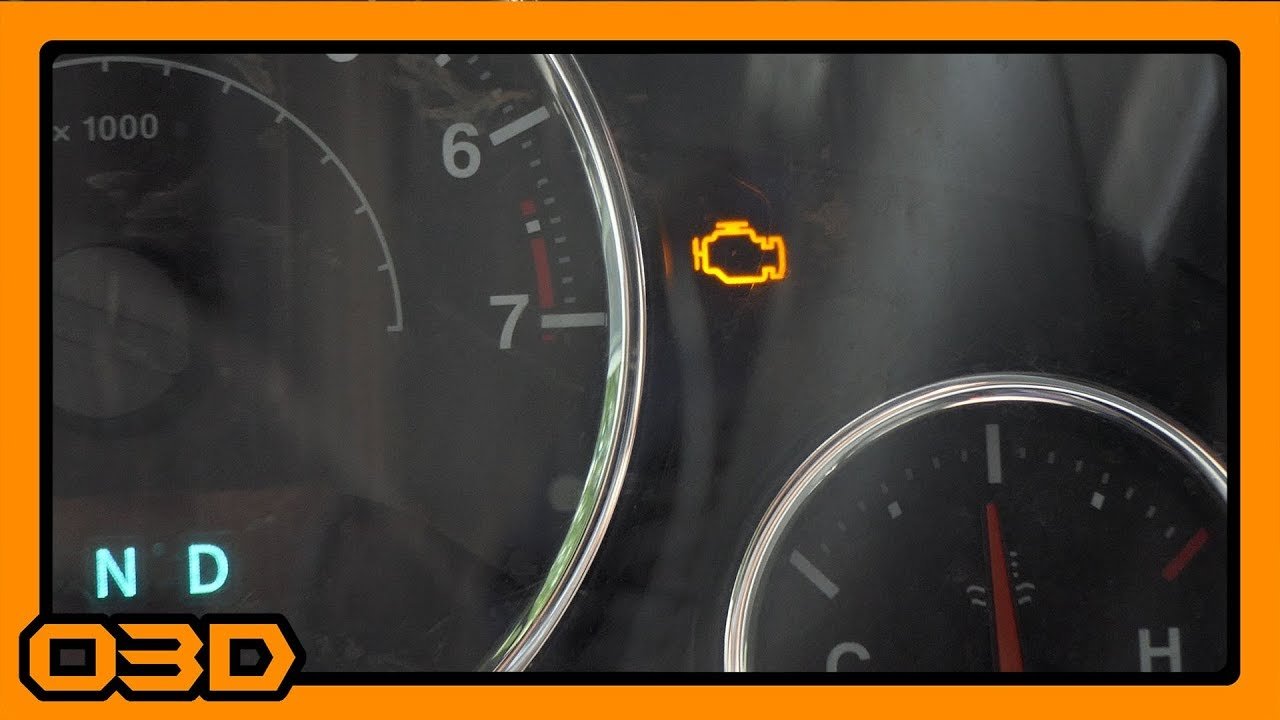
If you see the check engine light glowing on your Jeep Wrangler’s dashboard, you’re probably wondering what it means and what you should do next. That little warning isn’t just there to annoy you, it’s your Jeep’s way of telling you something needs attention.
Whether it’s a simple issue like a loose gas cap or something more serious like a misfiring spark plug, ignoring it could lead to costly repairs down the road.
You’ll learn how to understand why your check engine light came on, how to quickly check the trouble codes yourself, and what steps to take to keep your Wrangler running smoothly.
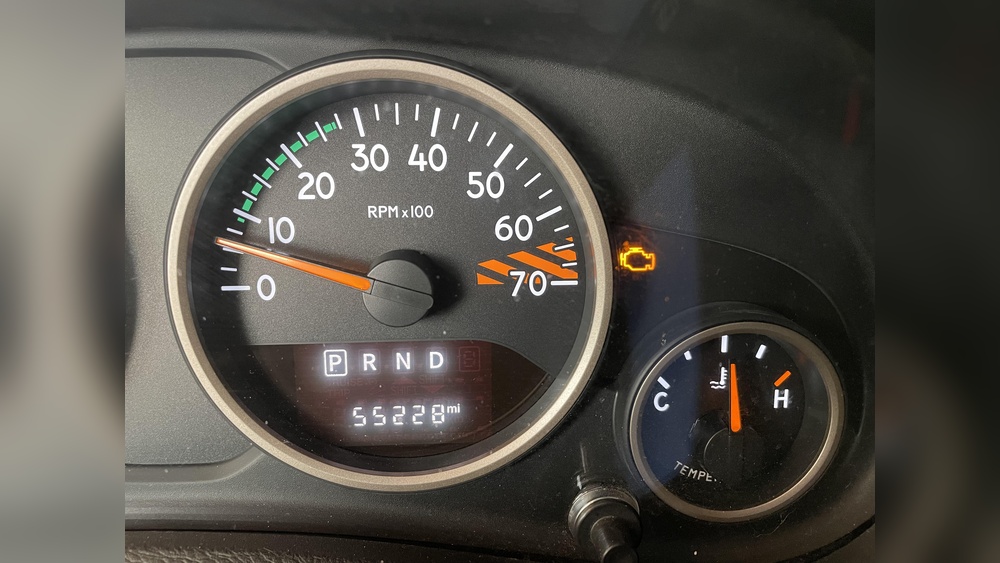
Keep reading to take control of the situation and avoid unexpected breakdowns on your next adventure.

Jeep Wrangler Check Engine Light Basics
The Jeep Wrangler’s check engine light is an important alert on your dashboard. It signals that the vehicle’s system has found a problem. Understanding this light helps you respond quickly and avoid damage. The light can mean a small issue or a serious fault. Knowing the basics keeps your Jeep running smoothly.
What The Light Means
The check engine light shows when the vehicle’s computer detects a problem. It could be something simple, like a loose gas cap. Or it might be a bigger problem, such as engine misfires or emissions faults. The light means your Jeep needs attention. Ignoring it can lead to more damage and costly repairs.
How The System Detects Issues
Your Jeep has sensors and a computer system called OBD-II. These sensors monitor engine functions and emissions. When something is wrong, the system records a trouble code. This code triggers the check engine light. The codes help mechanics find and fix the exact problem quickly. This system protects your engine and environment.
Common Causes
The check engine light in your Jeep Wrangler signals a problem detected by the vehicle’s computer. It can point to simple issues or more serious faults. Knowing the common causes helps you understand what might be wrong. This knowledge can guide your next steps to fix the problem effectively.
Loose Or Damaged Gas Cap
A loose or damaged gas cap lets fuel vapors escape. This triggers the evaporative emissions system to detect a leak. The check engine light turns on to warn you. Tightening or replacing the gas cap often solves the issue quickly.
Faulty Spark Plugs Or Ignition Coils
Worn or dirty spark plugs cause the engine to misfire. Faulty ignition coils can also disrupt spark delivery. These problems lead to rough idling or poor engine performance. The check engine light may flash or stay on with these faults.
Oxygen Sensor Problems
The oxygen sensor measures exhaust gases to help control fuel mix. A failing sensor sends wrong data to the engine’s computer. This causes poor fuel efficiency and higher emissions. The check engine light will alert you to this sensor’s failure.
Catalytic Converter Issues
The catalytic converter reduces harmful exhaust emissions. When it gets clogged or damaged, the engine runs poorly. This failure triggers the check engine light. Ignoring this problem can cause expensive damage to the engine.
Mass Airflow Sensor Faults
The mass airflow sensor measures air entering the engine. A dirty or faulty sensor sends incorrect signals. This results in rough running or stalling. The check engine light will come on to indicate this fault.
Vacuum Leaks
Vacuum leaks let extra air enter the engine unexpectedly. This disturbs the air-fuel balance needed for smooth running. The engine may idle unevenly or stall. The check engine light warns you of these leaks for timely repair.
Reading The Codes
The check engine light on your Jeep Wrangler means the car’s computer found a problem. It stores a code that explains the issue. Reading these codes helps you understand what needs fixing.
There are several ways to read these codes. Each method suits different needs and tools. Choose the one that works best for you.
Using The Onboard Dashboard Method
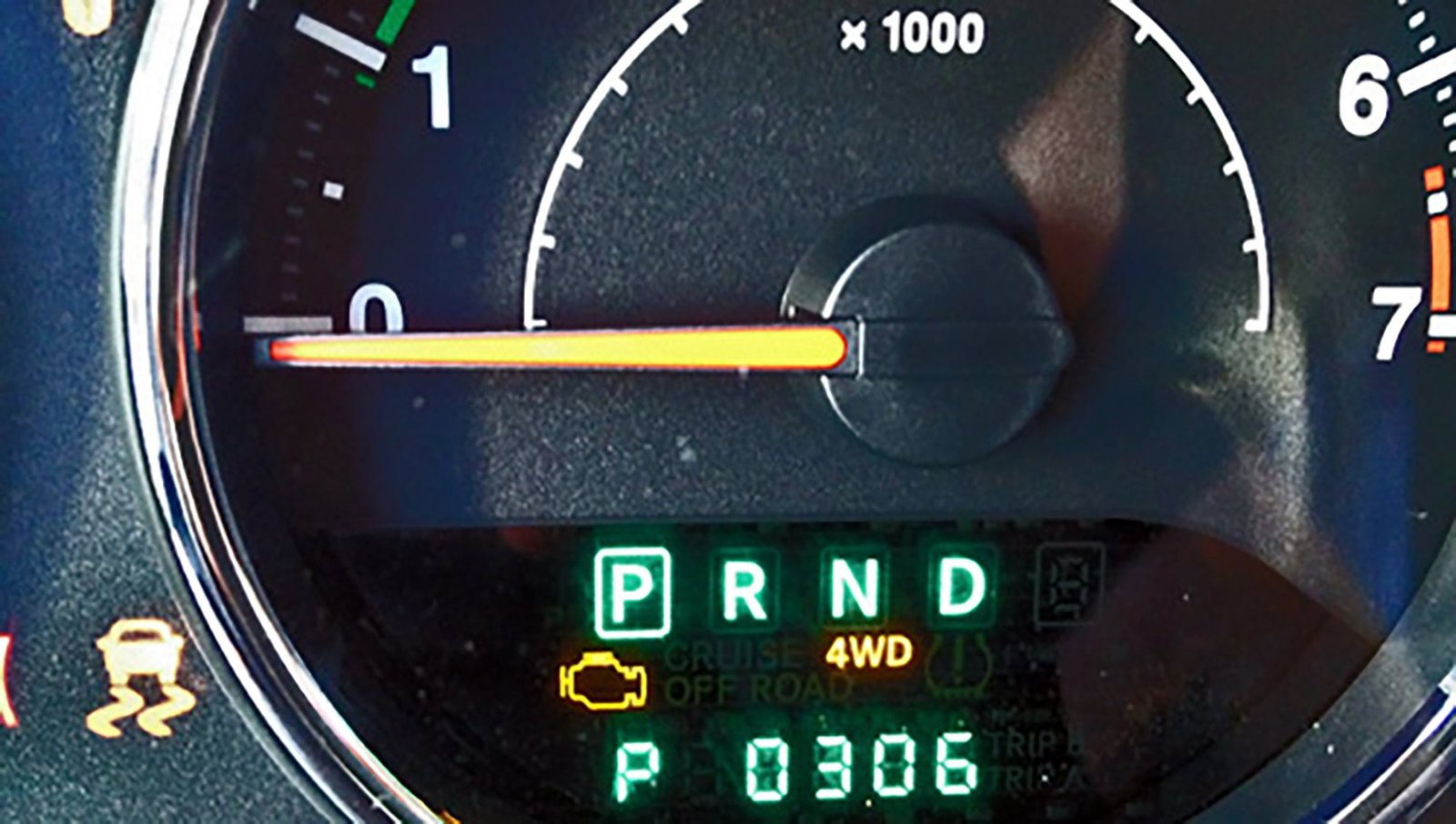
Many Jeep Wranglers show error codes right on the dashboard. Sit in the driver’s seat with doors closed. Insert the key and turn it from OFF to ON three times quickly. Do not start the engine. End with the key in the ON position. The odometer screen will flash a code. Write down the numbers to check later.
Using An Obd-ii Scanner
An OBD-II scanner plugs into your Jeep’s diagnostic port. This port is usually under the dashboard. Turn on the scanner and your car’s ignition. The scanner reads stored codes from the computer. It shows detailed information about the problem. You can clear codes or save them for repair shops.
Bluetooth Scanners And Apps
Bluetooth scanners connect to your Jeep’s diagnostic port. They link wirelessly to your phone or tablet. Download a free or paid app to read codes. These apps give easy-to-understand explanations. Some apps suggest fixes or let you track your car’s health over time.
Quick Fixes
The check engine light on your Jeep Wrangler can feel worrying. Many issues are simple to fix without a mechanic. Quick fixes often solve common problems and turn off the light fast. These fixes save time and money.
Tightening Or Replacing Gas Cap
A loose or damaged gas cap often triggers the check engine light. The cap keeps fuel vapors sealed in the tank. If it is loose, vapors escape and cause an error code. Tighten the gas cap until it clicks. If the light stays on, replace the gas cap with a new one. This fix is easy and usually solves the problem.
Replacing Spark Plugs
Old or worn spark plugs cause engine misfires. Misfires can make the check engine light blink or stay on. Replacing spark plugs improves engine performance and fuel efficiency. Remove old plugs with a spark plug socket. Install new plugs with the correct gap size. This fix helps the engine run smoothly and stops the warning light.
Cleaning Or Replacing Sensors
Sensors monitor engine parts and send data to the computer. Dirty or failing sensors cause false alerts and trigger the check engine light. Common sensors to check include oxygen sensors and mass airflow sensors. Clean sensors carefully with proper cleaner or replace them if damaged. This fix restores accurate readings and can clear the warning light quickly.
When To Visit A Mechanic
The check engine light on your Jeep Wrangler signals a problem detected by its computer system. Not every light means a serious issue, but some require quick action. Knowing when to visit a mechanic helps protect your vehicle and keeps you safe on the road.
Flashing Check Engine Light
A flashing check engine light means the problem is urgent. It often signals a severe engine misfire. Driving with this condition can damage the engine quickly. Stop driving and have a mechanic check your Jeep immediately.
Persistent Or Multiple Codes
If the check engine light stays on for days, it is a sign of a continuing issue. Sometimes the light comes with more than one trouble code. Multiple codes mean more than one system may be failing. A mechanic can diagnose and fix these complex problems.
Engine Performance Issues
Notice if your Jeep runs rough, stalls, or loses power. These signs often come with the check engine light. Poor engine performance means your vehicle needs attention. Visiting a mechanic will help restore smooth and safe driving.
Preventive Tips
Keeping your Jeep Wrangler’s check engine light off starts with smart, simple care. Preventive steps help spot issues before they grow. They keep your Jeep running smoothly and save money on repairs. Follow these easy tips to protect your Jeep’s engine and enjoy safe drives.
Regular Maintenance Schedule
Stick to your Jeep’s maintenance plan. Change oil and filters on time. Replace worn parts before they fail. Regular checks catch small problems early. This keeps your engine healthy and avoids check engine alerts.
Using Oem Parts
Choose original equipment manufacturer (OEM) parts for repairs. OEM parts fit perfectly and work like new. They maintain your Jeep’s performance and reduce risk of engine issues. Avoid cheap, generic parts that may cause trouble.
Monitoring Fluids And Filters
Check engine oil, coolant, and transmission fluid often. Low or dirty fluids can trigger the check engine light. Replace air and fuel filters regularly. Clean filters help your engine breathe and run well. Keeping fluids and filters in check prevents many engine problems.
Driving With The Light On
Seeing the check engine light on your Jeep Wrangler can cause concern. This warning means the vehicle’s computer has found a problem. Driving with this light on requires careful thought. Some issues are minor, but others could affect safety or cause damage. Understanding when it is safe to drive and what risks exist helps you respond well.
Safe To Drive Or Not?
The check engine light can be steady or flashing. A steady light often means a less urgent issue. You may drive short distances, but get the problem checked soon. A flashing light usually signals a severe problem. Driving with a flashing light can harm your engine. Stop driving immediately and get help. When in doubt, it is safer to avoid driving.
Potential Risks
Ignoring the check engine light may lead to bigger problems. Engine damage is a common risk if you keep driving. Fuel efficiency may drop, costing more money. Emissions can increase, harming the environment. Some issues can cause your Jeep to stall or lose power. This situation can be dangerous, especially on busy roads or highways.
Steps To Take Immediately
Check if the gas cap is loose. Tighten it if needed, then see if the light turns off. Avoid hard acceleration or heavy loads on the engine. Use a scanner or visit a mechanic to read the error code. This code helps identify the exact problem. Schedule repairs promptly to avoid costly damage. Stay calm and drive carefully to a safe place if needed.
<!– wp:rank-math/faq-block {"questions":[{"id":"faq-question-90b57f3623bd","title":"What Does It Mean When The Check Engine Light Comes On In A Jeep Wrangler?","content":"The check engine light in a Jeep Wrangler signals the onboard system detected a problem. Causes range from a loose gas cap to engine issues.
nnnnIt warns you to diagnose and address potential faults promptly to avoid damage.
“,”visible”:true},{“id”:”faq-question-d538a85fd138″,”title”:”Can I Drive My Jeep With The Engine Light On?”,”content”:”You can drive your Jeep briefly with the engine light on, but avoid long trips. Check the issue promptly.
nnnnIgnoring it may cause severe damage or unsafe conditions. Use an OBD-II scanner or visit a mechanic to diagnose and fix the problem quickly.
“,”visible”:true},{“id”:”faq-question-2a14a756cdde”,”title”:”Can Low Oil Cause A Check Engine Light?”,”content”:”Low oil can trigger the check engine light by causing engine damage or sensor alerts. Keep oil levels adequate to avoid this.
“,”visible”:true},{“id”:”faq-question-a8550b735790″,”title”:”Can I Drive $1000 Miles With The Check Engine Light On?”,”content”:”Driving 1000 miles with the check engine light on risks severe damage. Diagnose and fix the issue before long trips.
“,”visible”:true}]} –>What Does It Mean When The Check Engine Light Comes On In A Jeep Wrangler?
The check engine light in a Jeep Wrangler signals the onboard system detected a problem. Causes range from a loose gas cap to engine issues.
It warns you to diagnose and address potential faults promptly to avoid damage.
Can I Drive My Jeep With The Engine Light On?
You can drive your Jeep briefly with the engine light on, but avoid long trips. Check the issue promptly.
Ignoring it may cause severe damage or unsafe conditions. Use an OBD-II scanner or visit a mechanic to diagnose and fix the problem quickly.
Can Low Oil Cause A Check Engine Light?
Low oil can trigger the check engine light by causing engine damage or sensor alerts. Keep oil levels adequate to avoid this.
Can I Drive $1000 Miles With The Check Engine Light On?
Driving 1000 miles with the check engine light on risks severe damage. Diagnose and fix the issue before long trips.
Conclusion
A check engine light on your Jeep Wrangler signals a detected issue. It might be something simple, like a loose gas cap.
Sometimes, it points to more serious problems needing attention. Don’t ignore the light check it quickly to avoid bigger troubles.
Use a scanner or follow dashboard codes to find the cause. Regular care keeps your Jeep running smoothly and safely.
Stay alert and address any warning early to enjoy worry-free drives.