Changing the oil on a Jeep Wrangler is a practical skill that helps keep your vehicle running smooth and strong. Whether you own a classic TJ, a newer JL, or anything in between, regular oil changes are one of the most important parts of basic maintenance. Many Jeep owners, especially beginners, worry about the process—but with the right guidance, it’s simple. You don’t need fancy tools or advanced knowledge; just a little patience and the correct steps. If you want to save money, understand your Jeep better, and avoid common mistakes, this guide is for you.
Why Oil Changes Matter For Jeep Wrangler
The engine oil in your Jeep Wrangler has a big job. It lubricates moving parts, reduces heat, and prevents wear. Over time, oil breaks down and collects dirt, which can harm your engine. If you skip oil changes, your Jeep may lose power, develop leaks, or even face engine failure. Most experts recommend changing oil every 5,000 to 7,500 miles, but if you drive off-road or in harsh conditions, you might need to do it more often. Keeping your oil fresh helps your Wrangler last longer and perform at its best.
Tools And Materials Needed
Before you start, gather these items:
- Socket wrench (usually 13mm or 15mm)
- Oil filter wrench
- Drain pan
- Funnel
- New oil filter
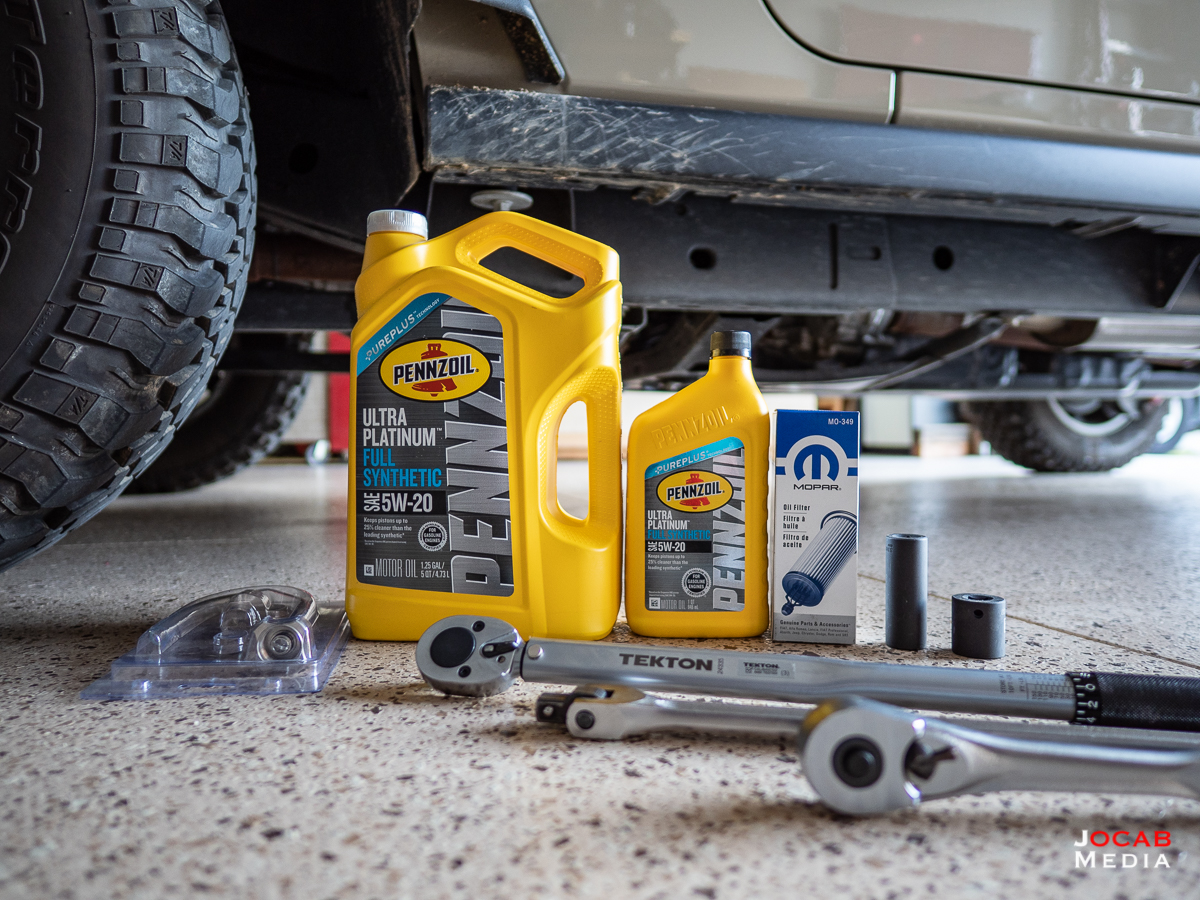
- Engine oil (check your owner’s manual for type and quantity)
- Gloves
- Shop towels
- Jack and jack stands (if needed)
- Replacement crush washer (sometimes required for the drain plug)
Many Jeep Wrangler models use 5W-20 or 5W-30 oil. The amount is usually between 5 and 6 quarts, but always confirm for your specific year and engine size. Using the wrong oil can cause damage or reduce performance.
Step-by-step Oil Change Guide
Changing the oil is easier than you think. Follow these steps for a clean and safe process:
1. Prepare Your Jeep
Park your Wrangler on a level surface and let the engine cool for at least 15 minutes. Hot oil can burn you. Engage the parking brake. If your Jeep sits low, use a jack and jack stands to lift the front.
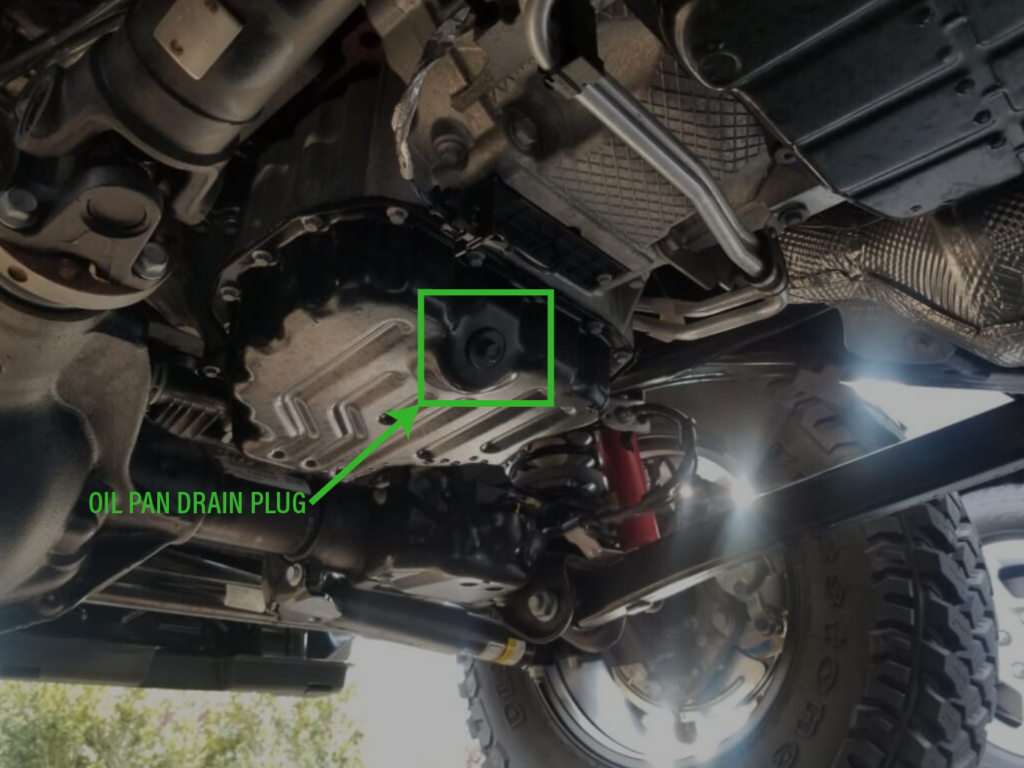
2. Locate The Drain Plug
Crawl under the engine and find the oil pan drain plug. It’s usually near the center, at the bottom of the engine. Place your drain pan underneath.
3. Remove The Drain Plug
Use your socket wrench to loosen and remove the drain plug. Oil will flow out quickly.
Let it drain completely this can take 5 10 minutes. Wipe the area with a towel to remove dirt and oil.
4. Change The Oil Filter
Locate the oil filter. It’s often on the side of the engine block. Use your filter wrench to loosen it. Some oil will spill; keep the drain pan close. Take out the old filter and clean the mounting surface.
Before installing the new filter, apply a thin layer of fresh oil to its rubber gasket. Screw it on by hand do not overtighten.
This prevents leaks and makes it easier to remove next time.
5. Replace The Drain Plug
Check the crush washer (if your Jeep uses one) and replace it if damaged. Tighten the drain plug securely, but don’t force it. Overtightening can strip the threads.
6. Add New Oil
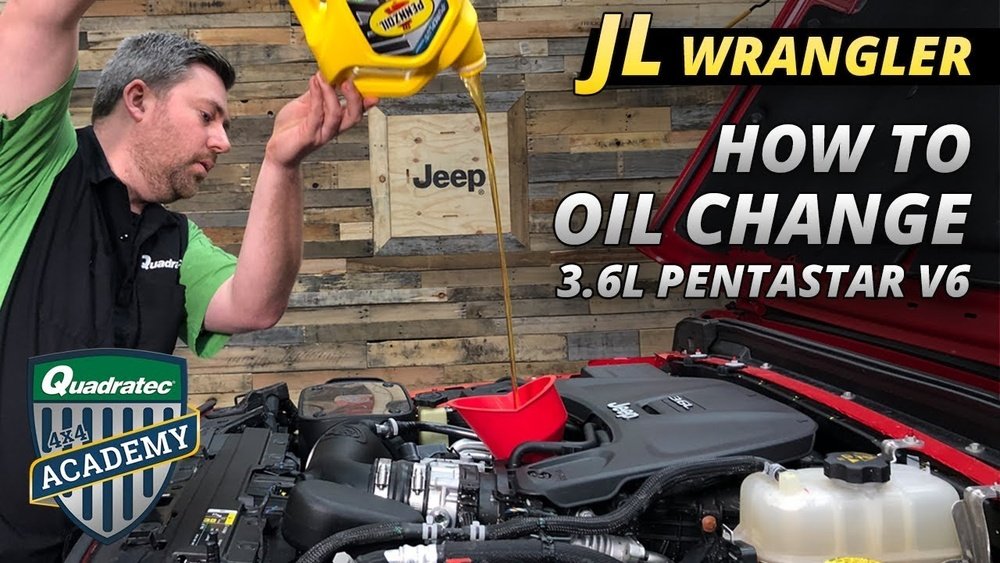
Open the hood and remove the oil filler cap. Insert the funnel and pour in the recommended amount and type of oil. Go slowly to avoid spills. After pouring, replace the cap.
7. Check Oil Level
Start the engine and let it run for 2 3 minutes. Turn it off, wait a few minutes, then check the oil level with the dipstick. If it’s low, add more oil.
8. Dispose Of Old Oil Properly
Never pour used oil down the drain. Take it to a recycling center or auto parts store. Many places accept old oil for free.
Choosing The Right Oil And Filter
Picking the correct engine oil and filter is crucial for performance and protection. Here’s a comparison for popular Jeep Wrangler engines:
| Model Year | Engine Type | Recommended Oil | Oil Capacity | Filter Type |
|---|---|---|---|---|
| 2012–2024 | 3.6L Pentastar V6 | 5W-20 | 6 quarts | Cartridge |
| 2007–2011 | 3.8L V6 | 5W-20 | 5 quarts | Spin-on |
| 1997–2006 | 4.0L Inline-6 | 10W-30 | 6 quarts | Spin-on |
Always use high-quality filters from trusted brands. Cheap filters can leak or fail, leading to engine trouble.
Common Mistakes And How To Avoid Them
Many beginners make errors during their first oil change. Here are some to watch for:
- Forgetting to replace the oil filter: Changing only the oil leaves old dirt inside.
- Using the wrong oil type: Can cause engine noise or poor performance.
- Overfilling or underfilling oil: Too much oil can damage seals; too little can starve your engine.
- Not tightening the drain plug: Can lead to leaks or falling out while driving.
- Neglecting to reset the oil change light: Modern Wranglers have a dashboard reminder. After changing oil, turn the ignition on (without starting), press the gas pedal three times, then turn off. This resets the warning.
Benefits Of Changing Oil Yourself
Doing your own oil change has advantages:
- Save money: Shops charge $40–$100, but DIY costs less.
- Learn about your Jeep: Understand how your vehicle works.
- Control quality: Pick the best oil and filter.
- Convenience: No waiting at busy shops.
Many Jeep owners report better performance and longer engine life after switching to regular DIY oil changes.
How Often Should You Change Oil?
The frequency depends on your driving style:
| Driving Conditions | Recommended Interval | Reason |
|---|---|---|
| Normal (highway/city) | 7,500 miles | Less stress on engine |
| Off-road or towing | 5,000 miles | Higher heat and dirt exposure |
| Extreme temperatures | 3,000–5,000 miles | Oil breaks down faster |
Synthetic oils last longer and protect better, but always check your manual.
Practical Tips For A Cleaner Oil Change
- Warm up the engine for 5 minutes before draining. Warm oil flows out faster and removes more dirt.
- Use gloves to protect your hands from oil and chemicals.
- Keep a shop towel handy to wipe spills and parts.
- If your Jeep is lifted, you may not need a jack. For stock height, use jack stands for safety.
- Always double-check the oil drain plug and filter for tightness before starting the engine.
Many beginners miss checking for old gasket material stuck to the engine when replacing the filter. If left behind, it can cause leaks.
Jeep Wrangler Oil Change Costs: Diy Vs Shop
Let’s compare typical costs:
| Service | DIY Cost | Shop Cost | Notes |
|---|---|---|---|
| Oil (5–6 quarts) | $25–$45 | Included | Depends on oil type |
| Oil Filter | $7–$15 | Included | Brand matters |
| Labor | $0 | $35–$70 | DIY saves money |
| Disposal Fee | $0 | $0–$5 | Most shops include |
Doing it yourself can save $40–$100 per change. Over a year, that adds up.
Non-obvious Insights For Beginners
- Some Jeep Wranglers require a special oil filter wrench due to tight spaces. Always check your engine bay before buying tools.
- After an oil change, the engine may run smoother but sometimes feels louder for a few days as fresh oil circulates. This is normal and improves as the oil settles.
Another tip: If you notice metal shavings in the old oil, it could mean internal engine wear. Consider consulting a mechanic if this happens.
Useful Resources
For more details on Jeep maintenance and oil specifications, visit the official Jeep Owner’s Vehicle Care page.
Frequently Asked Questions
How Much Oil Does A Jeep Wrangler Need?
Most Jeep Wranglers take 5–6 quarts of oil, depending on the engine. Always check your manual or the sticker under the hood for exact numbers.
What Type Of Oil Should I Use?
Use 5W-20 or 5W-30 for most models from 2007 onward. Older engines may need 10W-30. Synthetic oil is best for newer Wranglers.
How Do I Know When To Change My Oil?
Look for dashboard warning lights, check the oil color on the dipstick (dark or dirty oil), or count mileage since your last change. Off-road driving may require more frequent changes.
Can I Change Oil Without Lifting My Jeep?
Yes, if your Wrangler is lifted or has enough ground clearance. For stock models, a jack and stands make the job easier and safer.
What Should I Do With Used Oil?
Take old oil to a recycling center or auto parts store. Many locations accept used oil for free. Never dispose of it in the trash or down drains.
Changing the oil on your Jeep Wrangler is a smart, rewarding task. With the right oil, tools, and care, you can improve your Jeep’s reliability and save money.
Even if you’re new to car maintenance, following these steps will help you avoid mistakes and keep your Wrangler adventure-ready.