Changing the oil in your Jeep Wrangler is one of the most important maintenance tasks for keeping your engine healthy and running strong. Many Jeep owners love to do this themselves, not just to save money but also to feel more connected to their vehicle. You don’t need fancy tools or advanced skills—just a bit of time, the right supplies, and a careful approach. This guide explains everything you need, step by step, including some tips even experienced DIYers sometimes miss.
Why Oil Changes Matter For Your Jeep Wrangler
Engine oil does more than just lubricate moving parts. It keeps the engine clean, reduces friction, and helps with cooling. In a rugged vehicle like the Jeep Wrangler, which often faces tough driving conditions, oil quality drops faster than in regular cars. If you skip oil changes, dirty oil can cause:
- Increased engine wear
- Poor fuel economy
- Overheating
- Costly engine damage
Changing your oil on time is the simplest way to protect your investment and enjoy reliable adventures.
How Often Should You Change Jeep Wrangler Oil?
Jeep recommends changing the oil every 5,000 to 7,500 miles for most modern Wranglers, or at least once a year. However, if you drive in dusty areas, tow heavy loads, or do a lot of off-roading, consider changing it every 3,000 to 5,000 miles. Always check your owner’s manual for the exact interval for your model and engine.
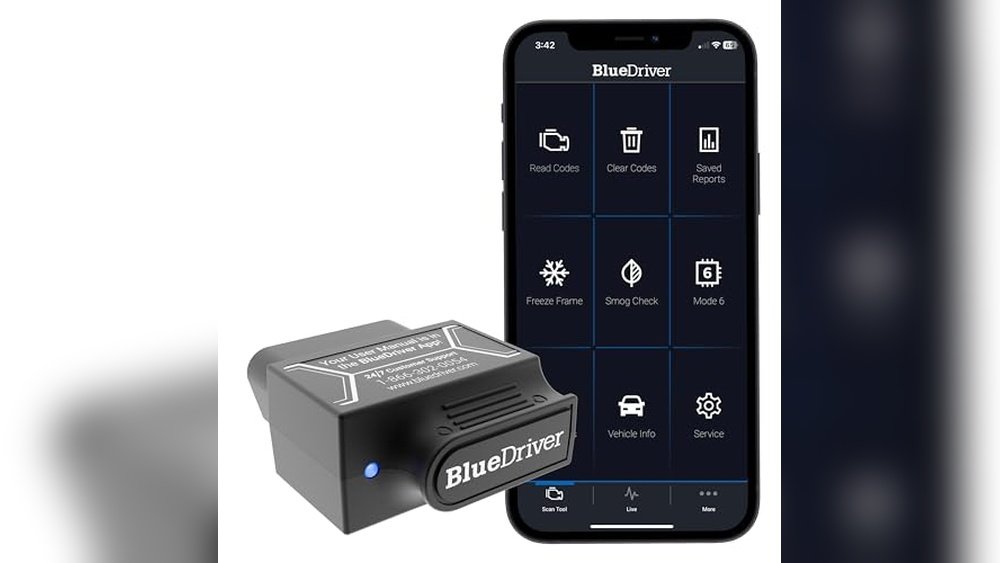
Some newer Wranglers have an oil life monitor system. This dashboard light tells you when to change oil based on actual driving conditions, not just mileage.
But remember, it’s a smart idea to check your oil level and color every month especially if you drive in extreme conditions.
Tools And Materials You Need
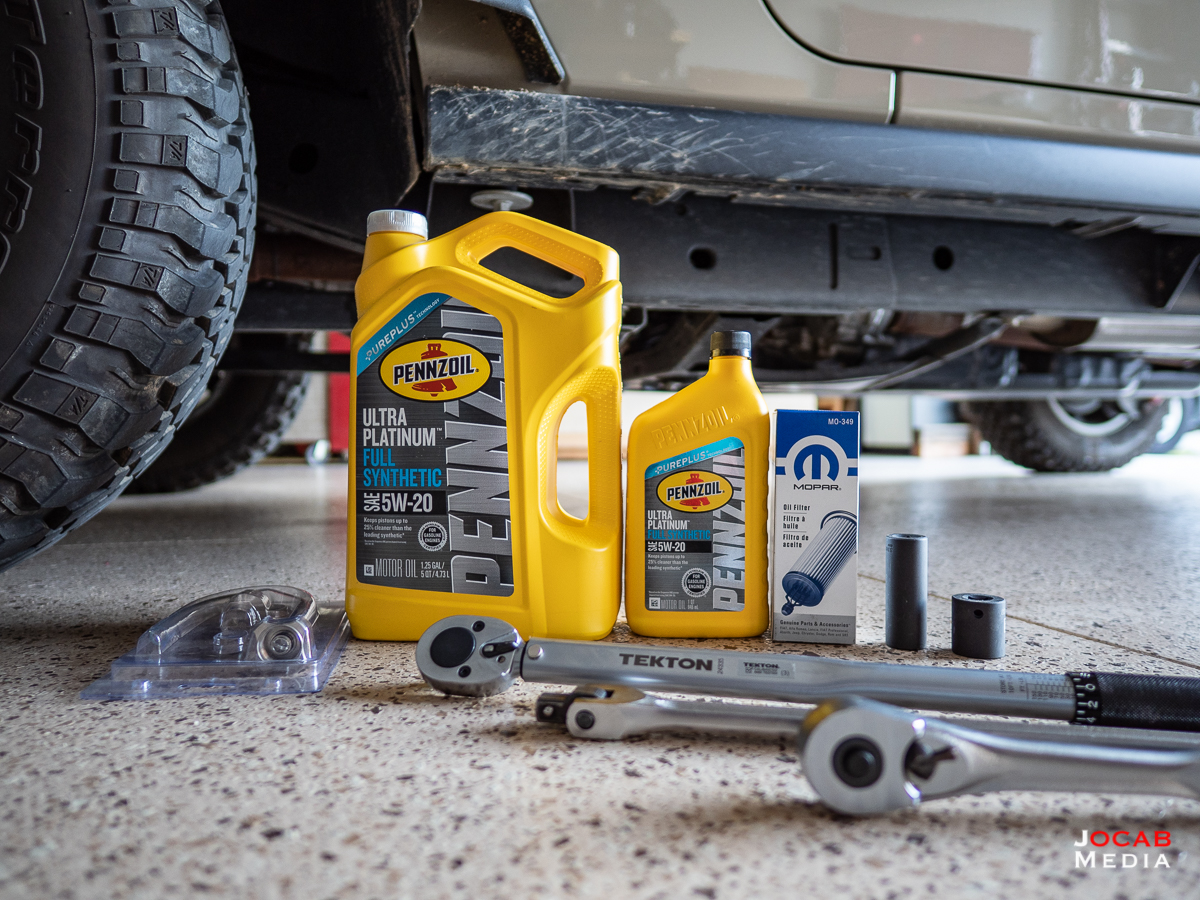
Gather all your supplies before you start. Here’s what you’ll need for a typical Jeep Wrangler oil change:
- Oil filter (check your model year and engine type)
- Engine oil (usually 5W-20 or 0W-20 for most Wranglers, but confirm for your vehicle)
- Wrench or socket set (usually 13mm or 15mm)
- Oil filter wrench
- Oil drain pan (at least 6-quart capacity)
- Funnel
- Gloves and rags
- Jack and jack stands (if needed for access)
- New crush washer for drain plug (some models)
Don’t forget to dispose of old oil and filters responsibly most auto parts stores will accept used oil for recycling.
Preparing Your Jeep Wrangler For An Oil Change
Park your Wrangler on a flat, level surface and let the engine cool for at least 15 minutes if it’s been running. Warm oil drains faster but avoid working on a hot engine.
Engage the parking brake and, if needed, lift the front with a jack and secure with jack stands.
Open the hood and remove the oil fill cap. This helps air flow and allows the oil to drain out more smoothly.
Step-by-step Guide: Changing Oil In A Jeep Wrangler
Follow these steps carefully for a safe, clean oil change.
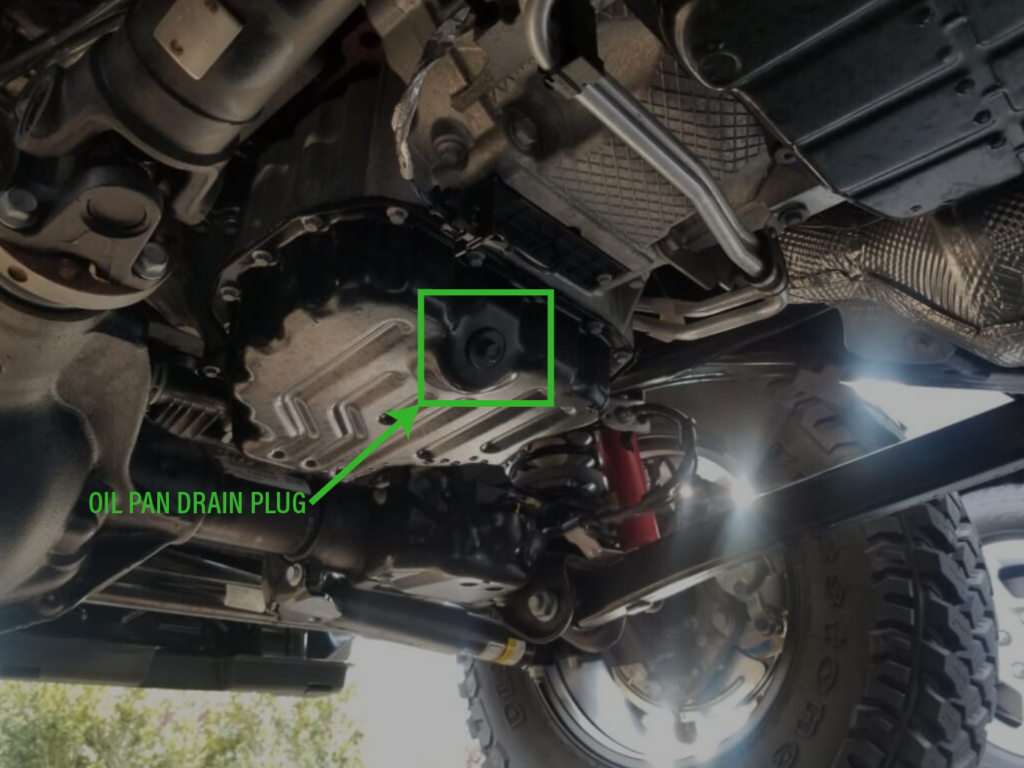
1. Locate The Oil Drain Plug
Most Wranglers have the oil pan drain plug on the bottom or side of the oil pan under the engine. Slide your drain pan under the plug.
2. Remove The Drain Plug
Using your wrench, loosen the drain plug slowly. Wear gloves to protect your hands from hot oil.
Let the oil flow into the drain pan. Inspect the plug and washer for wear replace the washer if needed.
3. Remove And Replace The Oil Filter
Move the drain pan under the oil filter area (usually on the side or bottom of the engine). Use the oil filter wrench to loosen the filter.
Expect some oil to spill this is normal.
Before installing the new filter, apply a thin film of fresh oil to the gasket. This helps it seal and makes removal easier next time.
Screw the new filter on by hand until snug, then tighten about 3/4 turn more.
Don’t overtighten.
4. Reinstall The Drain Plug
Wipe the area clean and install the drain plug with a new washer if needed. Tighten to the manufacturer’s torque spec (usually 20-30 ft-lbs).
Overtightening can strip threads or damage the pan.
5. Add New Oil
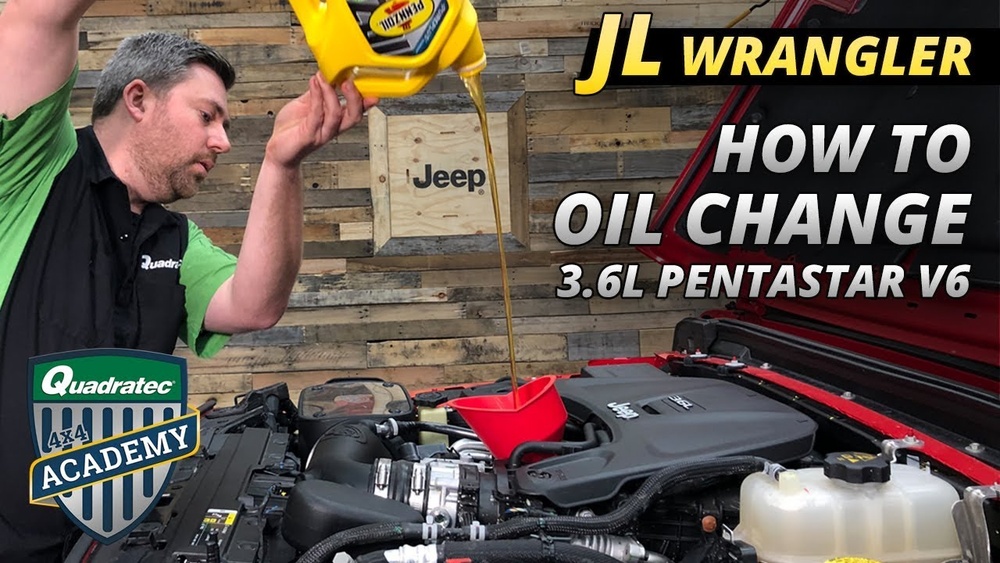
Place a funnel in the oil fill hole. Pour in the recommended amount and type of oil—Wranglers typically need 5 to 6 quarts. Check your manual for the exact amount.
6. Check For Leaks And Oil Level
Start the engine and let it run for 30 seconds. Turn off and wait 2 minutes.
Check under the vehicle for leaks. Use the dipstick to check the oil level, adding more if needed.
7. Clean Up
Dispose of the old oil and filter properly. Wipe away any drips and check that all tools are removed from the engine bay.
Oil Types And Capacities For Jeep Wrangler Models
Choosing the right oil is key for engine life. Here is a quick comparison for popular Wrangler engines:
| Engine | Oil Type | Capacity (quarts, with filter) | Oil Filter Part # |
|---|---|---|---|
| 3.6L Pentastar V6 | 5W-20 | 5.0 | MO-744 |
| 2.0L Turbo I4 | 0W-20 | 5.0 | MO-349 |
| 3.0L EcoDiesel | 5W-40 (synthetic) | 9.0 | MO-339 |
| 4.0L I6 (older models) | 10W-30 | 6.0 | MO-090 |
Pro tip: Always verify specs in your owner’s manual, since part numbers and oil types can change by year.
Synthetic Vs Conventional Oil: What’s Best For Your Wrangler?
Many Jeep owners wonder if it’s worth paying more for synthetic oil. Here’s a side-by-side look:
| Type | Benefits | Drawbacks |
|---|---|---|
| Synthetic | Better engine protection, resists breakdown at high temps, longer oil life | Higher cost, but worth it for heavy use or extreme climates |
| Conventional | Lower price, works well for normal driving | Needs more frequent changes, less protection for hard-driving/off-roading |
For most Wranglers, especially those used for towing or off-road, synthetic oil is a smart choice. But if you mostly drive on-road and stick to regular intervals, conventional oil is fine.
Common Mistakes To Avoid
Even experienced DIYers sometimes make mistakes. Watch out for these:
- Forgetting the new oil filter gasket – Always oil the rubber gasket before installing.
- Overtightening the drain plug – This can strip threads or crack the oil pan.
- Adding too much oil – Overfilling can cause foaming, leaks, or damage.
- Using the wrong oil type or filter – Always double-check your manual.
- Not checking for leaks – Run the engine and inspect before you finish.
One non-obvious tip: When you remove the old oil filter, make sure the rubber gasket comes off with it. Sometimes it sticks to the engine, causing leaks if doubled up.
Tips For A Cleaner, Easier Oil Change
- Use a large piece of cardboard under the vehicle to catch drips.
- Wear nitrile gloves to keep oil off your skin.
- If the filter is hard to reach, try a cap-style oil filter wrench.
- Have paper towels ready for spills.
- Write the date and mileage of your oil change on a sticker or in a logbook.
These small steps can save time and make future oil changes smoother.
Signs Your Jeep Needs An Oil Change Sooner
Don’t just rely on mileage. Watch for these signs that your Wrangler needs fresh oil:
- Engine oil looks black and gritty on the dipstick
- Engine runs louder than usual
- Oil pressure warning light appears
- Unusual exhaust smoke or burning oil smell
If you notice any of these, check the oil level and schedule a change as soon as possible.
How Much Does A Jeep Wrangler Oil Change Cost?
DIY oil changes usually cost between $35 and $70, depending on oil type and filter quality. Dealership or shop oil changes can range from $75 to $140. Here’s a comparison:
| Service Type | Estimated Cost | Included Services |
|---|---|---|
| DIY | $35 – $70 | Oil, filter, your labor |
| Dealership | $75 – $140 | Oil, filter, inspection, labor |
| Quick Lube Shop | $50 – $90 | Oil, filter, basic check |
Remember, doing it yourself gives you peace of mind and a closer connection to your Wrangler.
What To Do With Used Oil And Filter
Never pour used oil down the drain or on the ground. Place the old oil in a sealed container and take it to an auto parts store or recycling center.
Used oil filters also need special disposal most stores that accept oil will also take the filters.
For more information on oil recycling and environmental impact, visit the EPA Used Oil Recycling page.
Frequently Asked Questions
How Do I Reset The Oil Change Light On My Jeep Wrangler?
Turn the ignition to “On” (do not start the engine). Slowly press the gas pedal all the way down three times within 10 seconds.
Turn off the ignition. The oil change light should reset. If not, repeat the process.
Can I Use A Different Oil Brand Than Recommended?
Yes, as long as the oil meets the required API certification and viscosity (like 5W-20). Quality matters more than brand. Stick to well-known brands for best results.
What Happens If I Overfill The Engine With Oil?
Too much oil can cause foaming, leaks, or increased pressure, which may damage engine seals or sensors. If you overfill, drain the excess immediately.
Is It Safe To Change Oil On A Hot Engine?
Warm oil drains faster, but a hot engine can burn you. Let the engine cool for at least 15 minutes after driving before you start your oil change.
Should I Replace The Oil Drain Plug Washer Every Time?
It’s a good idea, especially if your Wrangler uses a soft crush washer. A fresh washer helps prevent leaks and is a cheap way to avoid problems.
Changing the oil in your Jeep Wrangler is a rewarding task that offers real benefits for engine life and performance. With the right tools, a careful approach, and attention to detail, you can handle this job confidently even if it’s your first time.
Stay on top of your maintenance, and your Wrangler will be ready for every road and trail ahead.