If you own a Jeep and have come across the code "B2204," you might be wondering what it means and how it affects your ride.
This code often points to an issue with your vehicle's electronic control system, which can lead to frustrating problems like warning messages or even trouble starting your Jeep.
Understanding what causes the B2204 code and how to fix it can save you time, money, and stress. You’ll discover simple explanations and practical steps to get your Jeep back to running smoothly.
Keep reading you’ll gain the knowledge you need to tackle this common Jeep issue confidently.

B2204 Code Basics
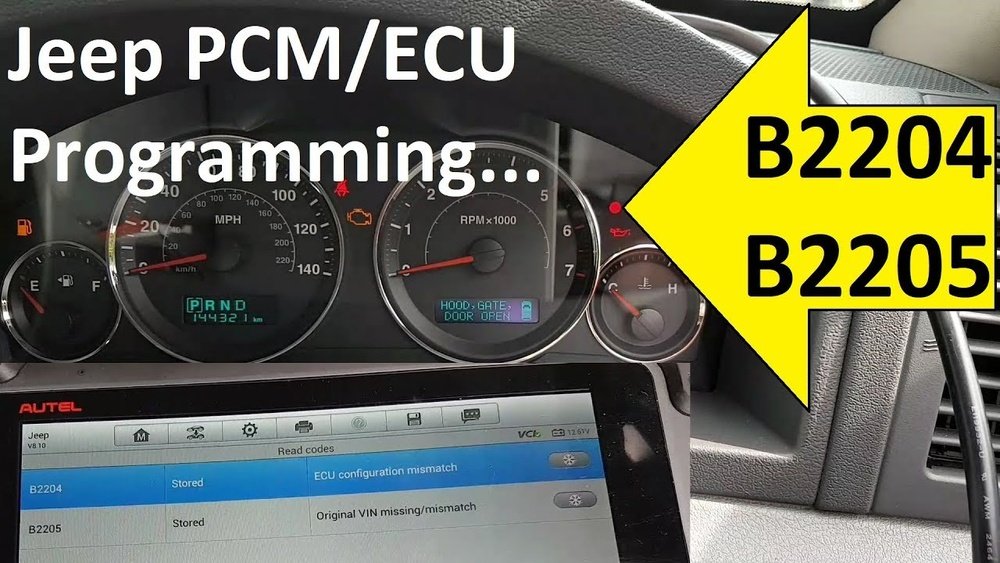
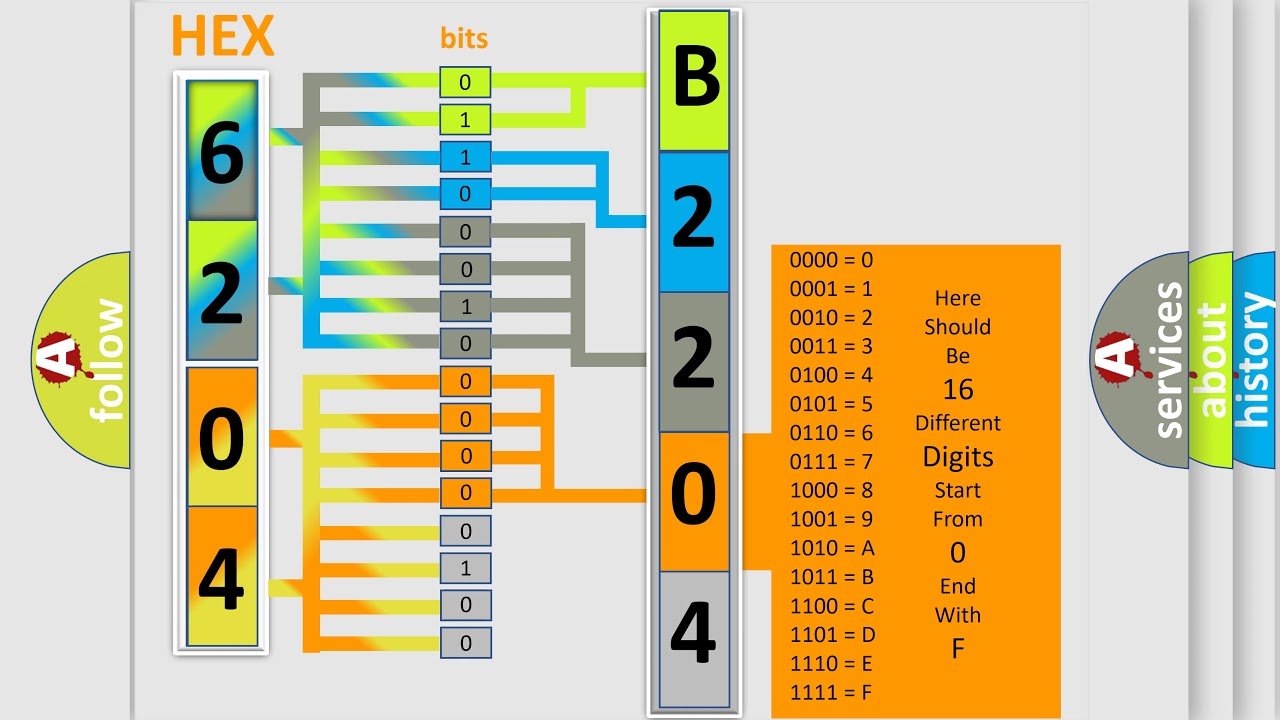
The B2204 code in a Jeep signals an issue with the vehicle’s electronic control unit (ECU). This error often means there is a mismatch in the ECU configuration.
The ECU controls many functions in the Jeep, including engine and safety systems. When the ECU detects a mismatch, it triggers the B2204 code to alert the driver.
This code can appear after replacing modules like the radio, airbag, or seat sensors without proper pairing. It also shows up if wiring is damaged or fuses are blown.
Understanding this code helps in quick diagnosis and repair.
What Triggers B2204
B2204 is triggered by a communication problem between the ECU and other electronic modules. Installing new parts without digital pairing often causes this.
Damaged CAN bus wiring or bad connectors can also trigger the code. A broken pin in the power distribution center may be the cause.
Battery issues can sometimes lead to ECU errors as well.
Common Symptoms
Jeep owners may see warning lights on the dashboard when B2204 occurs. The vehicle might show a “Service Air Suspension” message.
Sometimes the Jeep will not start, or it may crank slowly. Other times, some electronic systems like the radio or GPS stop working.
These symptoms point to a communication failure in the vehicle’s network.
Ecu Configuration Mismatch
Diagnosing the B2204 code on a Jeep requires a clear understanding of the vehicle’s electronic systems. This code often points to an issue with the vehicle’s ECU or communication errors between modules.
Proper diagnosis helps prevent unnecessary part replacements and saves time.
Effective diagnosis begins with the right tools and careful reading of error codes. Technicians need to know what each code means and how to use the data to find the root cause.
Using Diagnostic Tools
Start by connecting a reliable OBD-II scanner to the Jeep’s diagnostic port. This tool reads trouble codes stored in the ECU memory. Some scanners offer live data streams for deeper analysis.
Advanced diagnostic tools can access specific Jeep modules. These tools help detect communication errors or mismatched configurations.
The scanner must support Jeep protocols for accurate results.
Always check the scanner’s battery and software version. Outdated software may not recognize newer Jeep codes like B2204.
Use a stable power source during scanning to avoid interruptions.
Interpreting Scan Results
Once the scanner displays the B2204 code, review the accompanying data carefully. This code often signals an ECU configuration mismatch or a GPS antenna fault.
Look for related codes that might clarify the problem. For example, codes about communication errors or missing VIN data may appear. These clues point to wiring issues or faulty modules.
Compare the scan results to Jeep’s official repair guides. These guides list common causes and recommended fixes.
Narrow down the problem by checking module pairings and wiring harnesses.
Clear the codes after inspection and test drive the Jeep. If the B2204 returns, deeper investigation is needed.
Use logical steps to isolate the fault and avoid guessing.
Conclusion
The B2204 Jeep code points to an ECU communication issue. It often appears after installing new parts or wiring problems.
Checking battery health and clearing error codes can help. Fixing wiring or pairing new modules properly is important.
Understanding this code helps keep your Jeep running smoothly.
Stay attentive to warning signs and act quickly. This keeps your vehicle safe and reliable on the road.