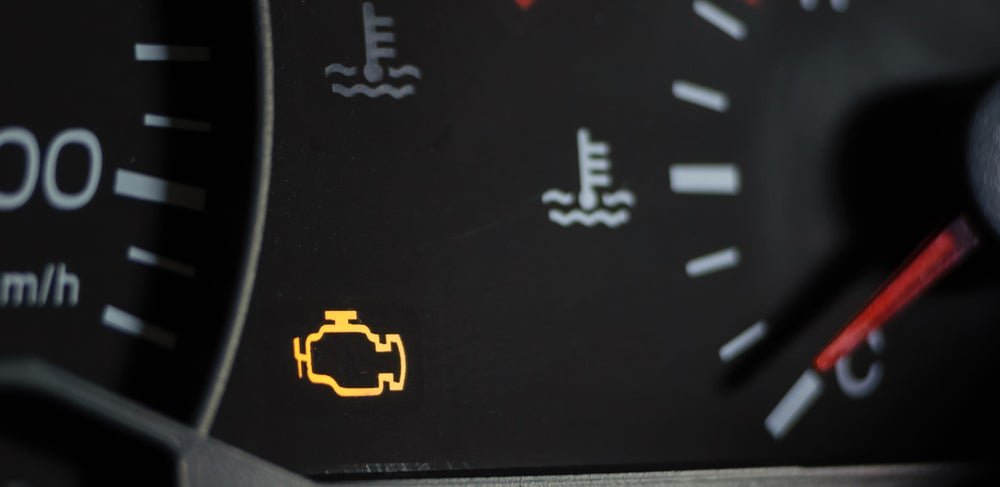
If your Jeep’s check engine light starts flashing, you need to pay close attention right now. This isn’t just a regular warning—it signals a serious engine misfire that could lead to costly damage if ignored.
You might be wondering, “Can I keep driving? What’s causing this?
How urgent is it? ” The truth is, a flashing check engine light means unburned fuel is entering your exhaust system, which can destroy your catalytic converter and harm your engine in minutes.
Don’t panic, but don’t wait either. Understanding what this warning means and what steps to take next could save your Jeep and your wallet.
Keep reading to find out exactly what a flashing check engine light means for your Jeep, why it happens, and what you should do immediately to avoid major repairs.

Flashing Light Signals
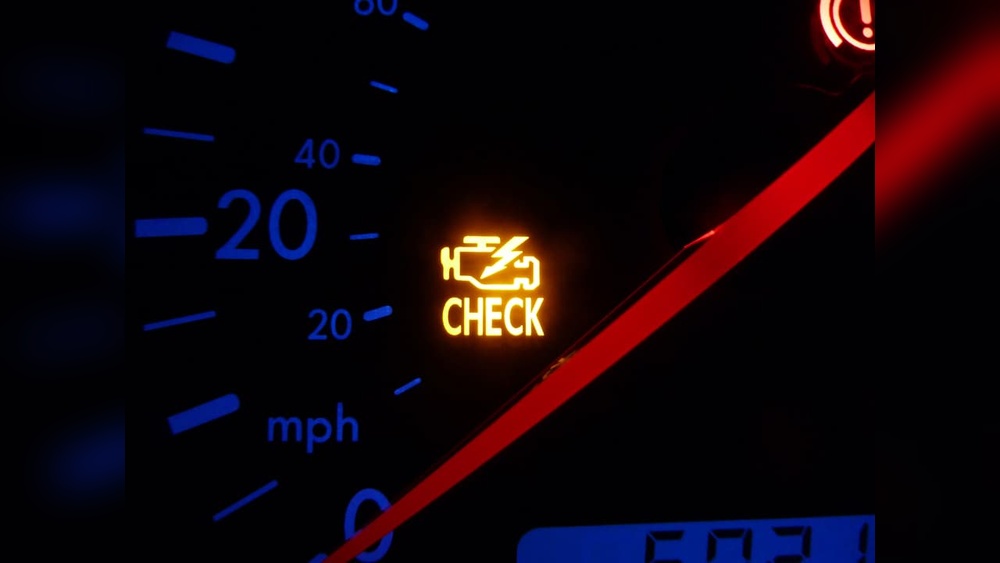
The flashing check engine light in your Jeep is a serious warning. It means your engine has a problem that needs quick attention.
This light is not like the regular solid check engine light. It signals an urgent issue that can harm your vehicle.
Understanding the flashing light helps you know what to do next. It points to engine misfires, which can damage key parts.
Acting fast can save you from costly repairs. Let’s explore what the flashing light means and why it happens.
Difference Between Solid And Flashing Light
A solid check engine light means a minor or moderate problem. It tells you to get your Jeep checked soon.
The engine may still run fine for a while.
A flashing light means a severe problem. The engine is misfiring actively.
This causes unburned fuel to enter the exhaust system. It can quickly damage the catalytic converter and engine parts.
Driving with a flashing light can lead to costly repairs or engine failure.
Why Misfires Trigger Flashing
Misfires happen when fuel in the engine does not burn properly. This causes rough running or shaking.
The unburned fuel flows into the exhaust system.
The catalytic converter gets damaged by this fuel. It overheats and can fail.
The flashing light warns you that this damage is happening now. It shows the engine needs immediate attention to avoid worse problems.
Urgent Causes
A flashing check engine light on your Jeep signals urgent engine trouble. This warning means the engine is misfiring.
Misfires can cause serious damage fast. Immediate attention is necessary to avoid costly repairs.
Below are some urgent causes that need quick action.
Bad Ignition Coil
The ignition coil sends electricity to spark plugs. A bad coil can cause weak or no spark.
This leads to engine misfires. Your Jeep may run rough or stall.
Replacing a faulty coil restores proper ignition and smooth running.
Faulty Spark Plugs
Spark plugs ignite the fuel-air mix in cylinders. Worn or dirty plugs cause poor combustion.
This creates misfires and rough engine performance. Faulty plugs reduce fuel efficiency and power. Changing spark plugs often solves the problem.
Fuel Injector Issues
Fuel injectors deliver fuel to the engine cylinders. Clogged or leaking injectors disrupt fuel flow.
This causes uneven fuel delivery and misfires. Your Jeep may hesitate or lose power. Cleaning or replacing injectors fixes this issue.
Timing Belt Or Chain Problems
The timing belt or chain controls engine timing. If it slips or breaks, valves and pistons lose sync.
This causes severe misfires and engine damage. Early replacement prevents costly repairs.
Listen for unusual noises and check timing regularly.
Cylinder Head Concerns
Issues with the cylinder head, like cracks or gasket failure, affect engine compression. This leads to misfires and overheating.
Signs include smoke or coolant leaks. Immediate repair is critical to stop engine damage.
Immediate Actions
A flashing check engine light in your Jeep signals an urgent problem. Immediate actions can protect your engine from serious damage.
Acting fast helps avoid costly repairs and keeps you safe on the road.
Knowing the right steps to take will prevent further issues. Focus on safely stopping your vehicle and assessing the situation carefully.
Safe Pull Over Tips
Look for a safe spot to stop your Jeep. Use your turn signal to show other drivers.
Avoid sudden moves or hard braking. Pull over to the shoulder or a parking lot.
Turn on your hazard lights to alert others. Once stopped, turn off the engine.
Stay inside your vehicle if it is safe.
Why Driving Is Risky
A flashing light means the engine is misfiring. Misfires cause unburned fuel to enter the exhaust.
This can damage the catalytic converter quickly. Driving further risks severe engine damage.
Repairs will become more expensive if ignored. It also increases the chance of breaking down on the road.
When To Call A Mechanic
Call a mechanic immediately if the light flashes. Do not try to drive far.
Ask for a tow to the nearest repair shop. Describe the flashing light and any symptoms.
The mechanic will diagnose and fix the engine issue. Early repair saves money and prevents bigger problems.
Common Misfire Symptoms
A flashing check engine light on your Jeep signals a serious engine misfire. Recognizing misfire symptoms early helps prevent costly damage.
Misfires disrupt the engine’s smooth operation and can harm vital components. Watch for clear signs that your engine is misfiring.
These symptoms often appear before the light starts flashing.
Engine Roughness
Your Jeep’s engine may shake or vibrate unusually during a misfire. The idle might feel unstable or bumpy.
You could hear sputtering or knocking sounds from the engine bay. This roughness happens because one or more cylinders fail to fire properly.
The engine struggles to maintain smooth power delivery.
Power Loss
A misfiring engine loses power quickly. You may notice slow acceleration or difficulty climbing hills.
The Jeep feels less responsive when pressing the gas pedal. This power drop occurs as fuel and air do not combust efficiently.
Driving with reduced power can strain other engine parts.
Unusual Exhaust Smell
A strong smell of gasoline or rotten eggs from the exhaust often signals a misfire. Unburned fuel exits the engine and enters the exhaust system.
This fuel can damage the catalytic converter if ignored. The smell is a clear warning to check your engine without delay.
Diagnostic Steps
Diagnosing a flashing check engine light on your Jeep is crucial. This warning signals a serious engine misfire.
Early diagnosis helps prevent costly damage to the engine and catalytic converter. Follow these steps to identify the issue accurately.
Using An Obd-ii Scanner
Start by connecting an OBD-II scanner to your Jeep’s diagnostic port. This tool reads error codes stored in the engine’s computer. Codes point to specific problems like misfires or sensor failures. Clear the codes after reading and see if the light returns. This process guides your next actions.
Professional Inspection Needs
Some problems require a mechanic’s expertise. Professionals perform detailed inspections beyond basic code reading.
They check fuel delivery, ignition systems, and engine timing. A certified technician can identify hidden issues causing the flashing light.
Early professional help can save money and prevent further damage.
Spark Plug And Coil Testing
Faulty spark plugs or ignition coils often cause misfires. Test spark plugs for wear, cracks, or fouling.
Replace any plugs that look damaged or old. Check ignition coils for proper function using a multimeter.
Replacing bad coils or plugs often stops the flashing light. This step is key to restoring engine performance.
Fixing The Problem
A flashing check engine light on your Jeep signals a serious engine issue. Ignoring it can cause major damage quickly.
Fixing the problem fast protects your engine and saves repair costs. Understanding common repairs helps you take the right action.
Replacing Ignition Components
Faulty ignition parts often cause engine misfires and flashing lights. Replace worn spark plugs to restore proper firing.
Faulty ignition coils can stop the spark, so check and swap them as needed. New ignition wires ensure strong spark delivery and smoother engine running.
Fuel System Repairs
Fuel delivery problems also trigger engine misfires. Clean or replace clogged fuel injectors to improve fuel spray.
A failing fuel pump can starve the engine, causing rough running and flashing lights. Check fuel filters for blockages and replace to maintain steady fuel flow.
Addressing Engine Timing
Incorrect engine timing causes poor combustion and flashing check engine lights. Check the timing belt or chain for wear and replace if needed.
Ensure the camshaft and crankshaft are synchronized properly. Proper timing keeps the engine running smoothly and prevents damage.
Preventive Maintenance Tips
Regular maintenance reduces the risk of flashing engine lights. Change spark plugs and ignition parts on schedule.
Use quality fuel and keep the fuel system clean. Inspect engine timing components during routine service.
Early care prevents costly repairs and keeps your Jeep reliable.
Preventing Future Issues
Preventing future issues with your Jeep’s engine is crucial after seeing a flashing check engine light. Taking steps to maintain your vehicle helps avoid costly repairs and keeps your Jeep running smoothly.
Simple habits and regular care protect your engine from serious damage.
Regular Tune-ups
Schedule tune-ups at recommended intervals. Mechanics check spark plugs, ignition coils, and fuel injectors during these visits.
Replacing worn parts early prevents engine misfires. A well-maintained engine runs efficiently and reduces the risk of a flashing check engine light.
Quality Fuel Use
Use high-quality fuel from trusted stations. Low-grade fuel can cause deposits and poor combustion.
This leads to engine knocking and misfires. Clean fuel supports engine health and lowers the chance of warning lights appearing on your dashboard.
Monitoring Engine Performance
Pay attention to your Jeep’s performance. Notice changes in power, noise, or fuel economy.
Early detection of problems helps you act before damage occurs. Use an OBD-II scanner for quick checks or visit a professional if the engine light flashes.
Risks Of Ignoring The Light
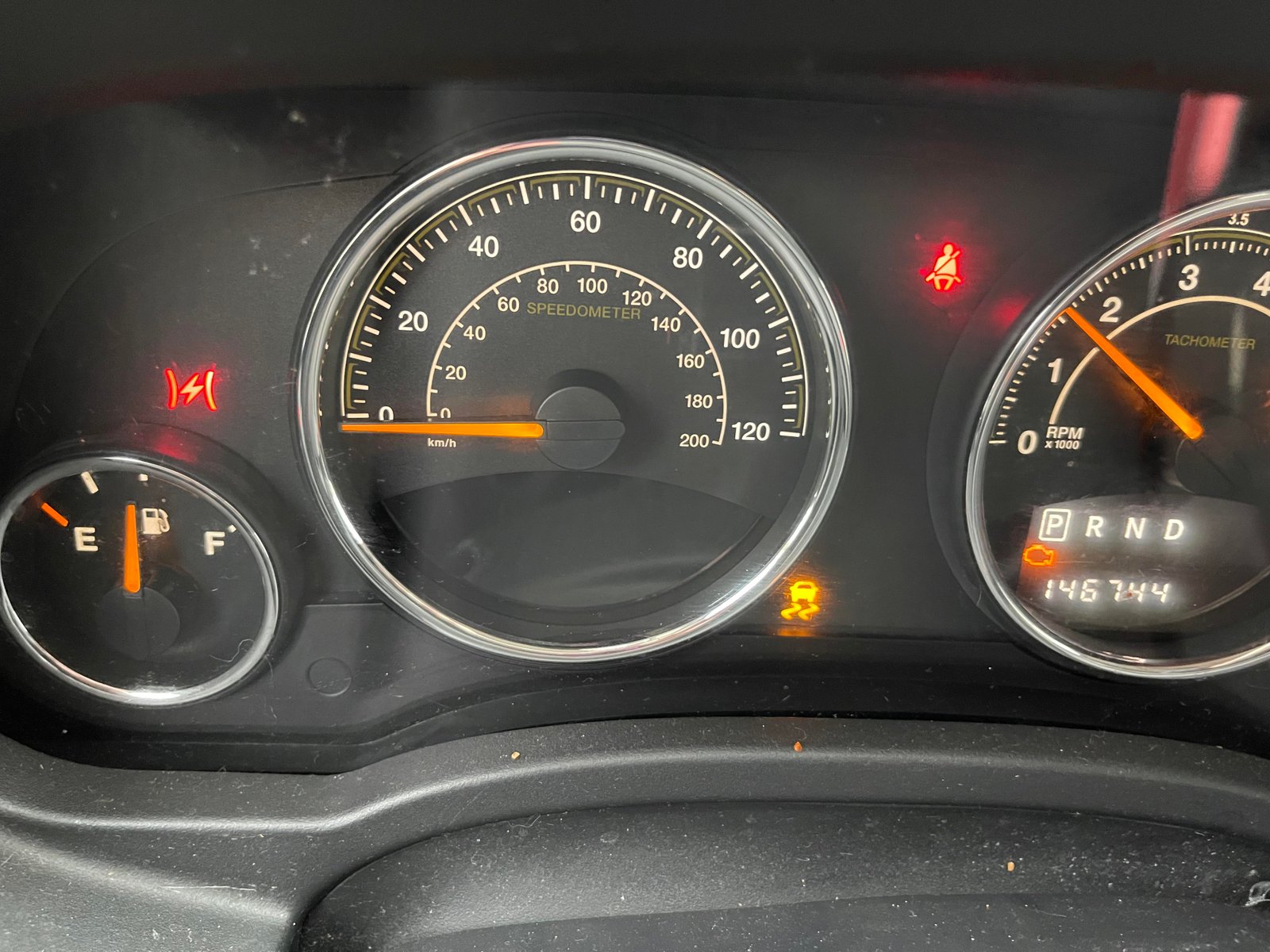
The flashing check engine light on your Jeep signals urgent trouble. Ignoring it risks severe damage and high costs.
This warning means the engine is misfiring and can cause critical issues fast. Acting quickly protects your Jeep and wallet.
Catalytic Converter Damage
A flashing light means unburned fuel enters the exhaust system. This fuel overheats and harms the catalytic converter.
A damaged converter reduces emissions control and may fail inspection. Repair or replacement costs are very high.
Engine Failure
Misfires stress the engine components and can cause failure. The engine may stall or lose power suddenly.
Continued driving risks permanent engine damage. Stopping soon prevents costly breakdowns and unsafe driving conditions.
Increased Repair Costs
Delaying repairs makes problems worse and more expensive. Minor ignition or fuel system fixes grow into major engine or exhaust repairs.
Early diagnosis saves money by avoiding extensive part replacements and labor.
Frequently Asked Questions
What Does A Flashing Check Engine Light Mean In A Jeep?
A flashing check engine light in a Jeep signals a severe engine misfire. Stop driving immediately to prevent costly damage.
Have a mechanic inspect spark plugs, ignition coils, or fuel injectors to fix the issue promptly.
What Is The Most Common Cause Of Flashing A Check Engine Light?
The most common cause of a flashing check engine light is a severe engine misfire. This often results from faulty spark plugs, ignition coils, or fuel injectors.
It signals immediate risk of damage to the catalytic converter and engine, so stop driving and get the vehicle inspected promptly.
Can You Drive With A Flashing Check Engine Light On?
A flashing check engine light signals a severe engine misfire. Stop driving immediately to prevent costly damage. Have your vehicle serviced promptly.
Why Is My Engine Light Flashing But My Car Is Running Fine?
A flashing engine light signals a serious misfire, risking engine and catalytic converter damage. Even if your car runs fine, stop driving and get it checked immediately.
Conclusion
A flashing check engine light on your Jeep signals a serious problem. It means the engine is misfiring and can cause major damage quickly.
Stop driving as soon as it happens. Find a safe place to pull over and turn off the engine.
Get your Jeep checked by a mechanic right away. Early action can save costly repairs and protect your vehicle’s health.
Don’t ignore this warning light it helps keep your Jeep running safely and smoothly.