The 2018 Jeep Grand Cherokee blends power, comfort, and off-road ability. Yet, like any modern SUV, it relies on emissions components to keep it running cleanly.
One critical part is the evap canister (evaporative emissions canister). If this part fails, it can trigger warning lights and cause frustrating problems.
Here’s what Jeep owners need to know about this system, how to spot issues, and what to do next.
Meta Description:
Learn about the 2018 Jeep Grand Cherokee evap canister: symptoms, fixes, costs, and compatibility. Find expert tips for owners in this detailed guide.
What Is The Evap Canister?
The evap canister is part of your Jeep’s emissions control system. It traps fuel vapors from the gas tank, preventing them from escaping into the air. These vapors are later sent to the engine and burned. The system helps your Grand Cherokee meet EPA standards and keeps your air cleaner.
How It Works
- Fuel vapors from the tank are collected in the canister.
- A purge valve opens at the right time, letting vapors flow to the engine.
- The engine burns the vapors during normal driving.
If any part of this system fails, the check engine light can come on, and your Jeep may fail an emissions test.
Common Symptoms Of A Bad Evap Canister
A faulty evap canister often shows clear signs. Watch for these symptoms in your 2018 Grand Cherokee:
- Check engine light: The most common warning.
- Gasoline smell: Extra vapors may leak near the rear of the vehicle.
- Rough idle: An air leak can upset the engine’s balance.
- Difficulty filling up: The gas pump may shut off too soon.
- Failed emissions test: The onboard computer detects leaks or malfunctions.
Not all symptoms will appear at once, but even one should prompt a closer look.
Main Causes Of Failure
Several factors can damage the evap canister or related parts:
- Age and mileage: Wear and tear break down the charcoal inside.
- Damaged hoses or seals: Cracks allow vapor to escape.
- Faulty purge or vent valves: These can stick or fail electronically.
- Contaminated fuel: Dirt or water entering the system.
It’s wise to check for these problems if your Grand Cherokee is over 60,000 miles.
Diagnosing Evap Canister Problems
Pinpointing an evap issue involves a few steps:
- Scan for codes: Use an OBD-II tool. Common codes are P0440, P0455, or P0441.
- Visual inspection: Check hoses and the canister for cracks or leaks.
- Smoke test: Mechanics often pump smoke into the system to spot leaks.
- Test solenoids: The purge and vent valves should open and close smoothly.
If you lack tools or experience, a trusted mechanic can quickly diagnose the issue.
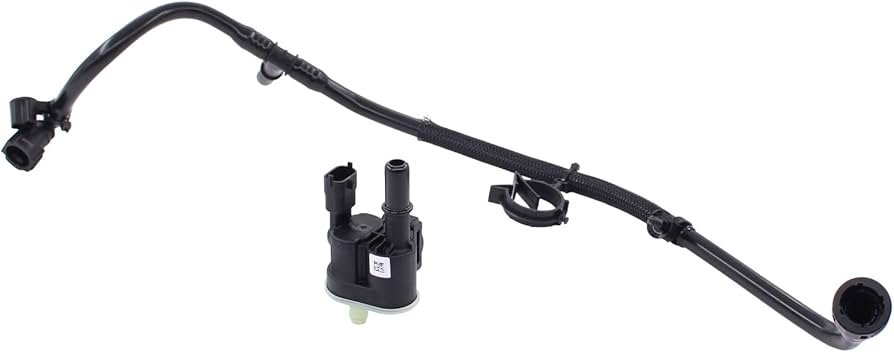
2018 Jeep Grand Cherokee: Model Details And Compatibility
Knowing your model year and trim is vital before buying replacement parts. The 2018 Grand Cherokee came in several trims (Laredo, Limited, Overland, Trailhawk, SRT, Trackhawk) and multiple engines.
Engine And Platform Differences
- WK2 platform: The 2018 Grand Cherokee uses the WK2 body, not the JK, JL, TJ, or XJ. Evap canister location and part numbers differ from other Jeep models.
- Engines: Choices include 3.6L V6, 5.7L V8, 6.4L SRT, and 6.2L supercharged V8 (Trackhawk). All use a similar evap system, but always verify part compatibility.
Key Specs Comparison
Here’s how the 2018 Grand Cherokee stacks up across trims:
| Trim | Engine | Transmission | Towing (lbs) | Evap System |
|---|---|---|---|---|
| Laredo | 3.6L V6 | 8-speed auto | 3,500 | Standard |
| Limited | 3.6L V6/5.7L V8 | 8-speed auto | 6,200 | Standard |
| Trackhawk | 6.2L S/C V8 | 8-speed auto | 7,200 | Standard |
Evap canister fitment is similar, but always match the part number with your VIN.
Replacing The Evap Canister: Steps And Costs
Replacing the evap canister in a 2018 Grand Cherokee is a moderate DIY job, but some owners prefer a mechanic. Here’s what to expect:
Basic Steps
- Raise the rear safely and support with jack stands.
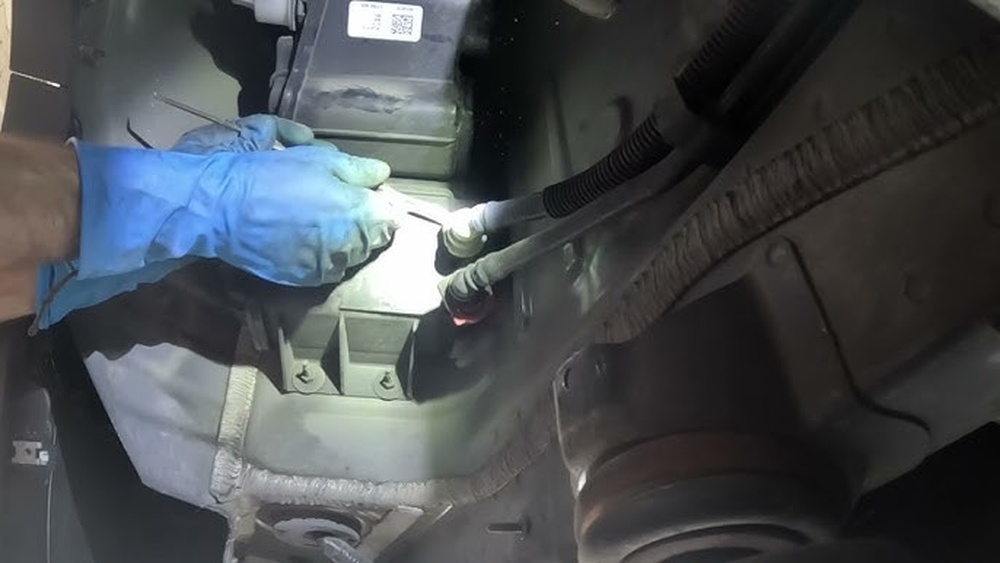
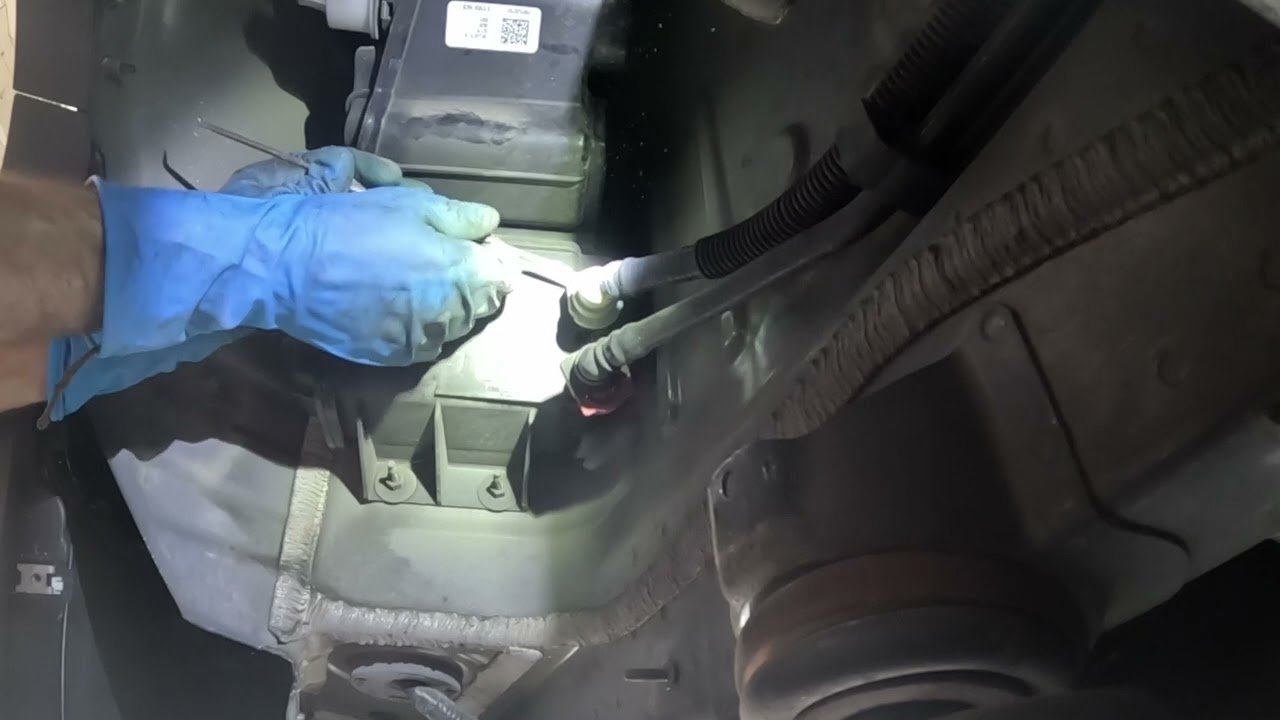
- Locate the canister: Usually near the fuel tank, driver’s side.
- Disconnect hoses and wiring: Mark each for easy reassembly.
- Remove mounting bolts.
- Install new canister, reconnect all hoses and wiring.
- Clear codes with a scan tool and test drive.
Estimated Costs
- Parts: $100–$250 for OEM or quality aftermarket.
- Labor: $100–$200 at a shop.
- Total: $200–$450 depending on region and labor rates.
DIY can save money, but be careful with fuel vapors and always wear gloves.
Choosing The Right Replacement Part
Avoid headaches by confirming these before buying:
- Part number: Check your VIN and compare with seller info.
- Platform: The 2018 Grand Cherokee (WK2) canister won’t fit older XJ, TJ, or JK models.
- Emissions package: California and federal versions may differ.
- Quality: OEM or top aftermarket brands are best for reliability.
Some sellers offer compatibility charts double-check before ordering.
Canister Vs Purge Valve Vs Vent Valve
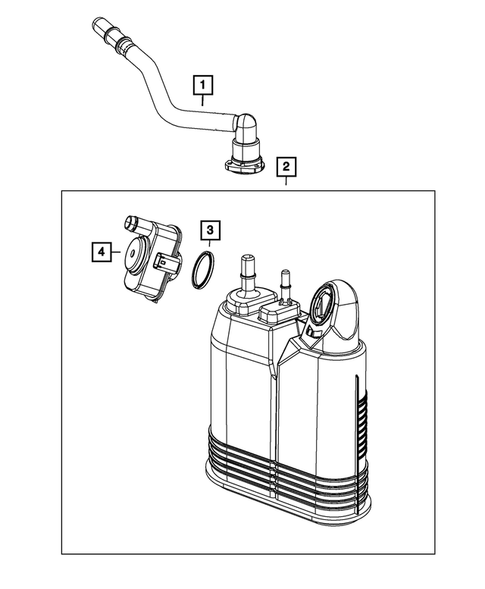
Jeep’s evap system has several parts. Here’s how they differ:
| Component | Main Function | Common Failure Sign |
|---|---|---|
| Evap canister | Stores fuel vapor | Gas smell, codes, test failure |
| Purge valve | Releases vapor to engine | Rough idle, hard start |
| Vent valve | Opens/closes system | Fill-up issues, codes |
If you’re unsure which part is bad, a mechanic’s smoke test can pinpoint it.
When To See A Mechanic
While some DIYers can tackle this repair, see a pro if:
- You smell strong fuel odors inside.
- The check engine light returns after repairs.
- You need to pass an emissions inspection soon.
- You lack tools or safe lifting equipment.
Many shops have the right tools to test and fix evap problems quickly.
Buying Tips And Compatibility Checks
Before ordering, follow these tips:
- Use your VIN to verify part fitment.
- Ask for warranty on new canisters.
- Check for signs of leaks or cracks in hoses.
- Don’t mix up Jeep platforms—WK2 only for 2011–2021 Grand Cherokee.
Look for parts from trusted auto stores or the official Mopar catalog. For more on emissions parts, visit the Wikipedia page on EVAP systems.
Frequently Asked Questions
What Does The Evap Canister Do In My 2018 Grand Cherokee?
The evap canister traps and stores fuel vapor, keeping it from polluting the air. It sends these vapors to the engine to be burned safely.
Where Is The Evap Canister Located On A 2018 Grand Cherokee?
It’s mounted underneath, near the rear axle and fuel tank on the driver’s side. You’ll need to lift the vehicle for easy access.
Can I Drive With A Bad Evap Canister?
You can drive short-term, but it’s not wise. Fuel odors and emissions can increase, and you may fail inspections.
How Do I Know If My Canister Or Purge Valve Is Bad?
Check for codes with a scan tool. A mechanic’s smoke test will tell you if the canister, purge valve, or vent valve is leaking.
Are All Jeep Evap Canisters The Same?
No. The WK2 Grand Cherokee uses a different canister than JK, JL, TJ, or XJ models. Always match your part number.
Related internal-link anchor texts:
- Grand Cherokee towing capacity
- Jeep WK2 maintenance tips
- Common Jeep check engine light causes