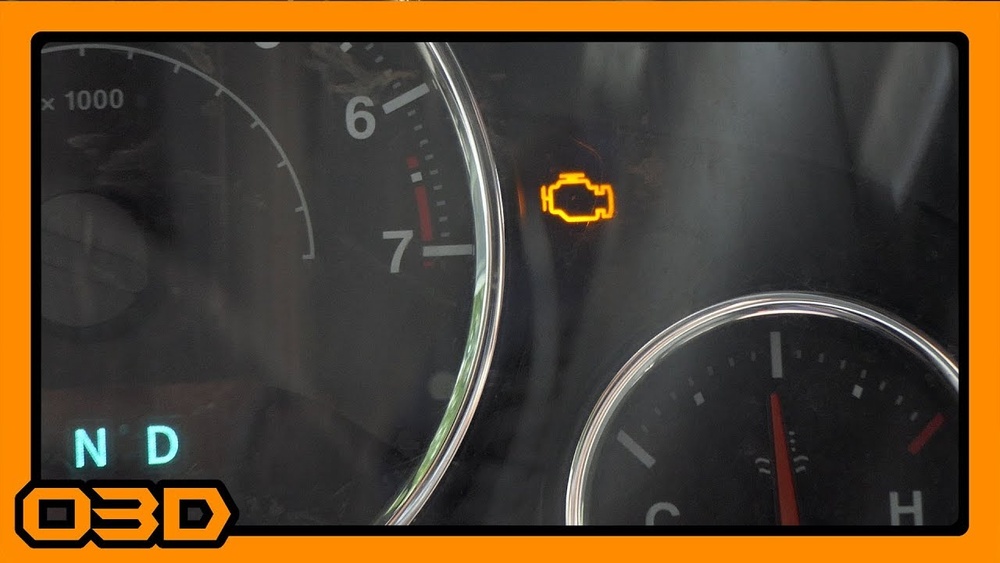
If you’ve noticed the engine light glowing on your 2016 Jeep Wrangler’s dashboard, you’re probably wondering what it means and what you should do next. That little warning light can cause a lot of stress, especially if you’re not sure what triggered it.
The good news? It doesn’t always mean a major problem.
Sometimes, the fix can be simple and inexpensive, like tightening your gas cap. But other times, it could signal something more serious that needs attention right away.
You’ll learn how to quickly identify the common reasons behind the engine light, how to check your Jeep’s diagnostic codes without expensive tools, and what steps to take to keep your Wrangler running smoothly and safely.
Keep reading, because understanding your Jeep’s engine light could save you time, money, and a lot of worry.

Common Causes
The 2016 Jeep Wrangler’s engine light turns on for various reasons. This light signals the onboard computer has found an issue.
It may relate to emissions, engine, or transmission problems.
Understanding common causes helps you decide your next step. Some issues are simple fixes. Others might need a mechanic’s help. Below are frequent reasons for the engine light in the Jeep Wrangler.
Loose Gas Cap
A loose or damaged gas cap is a top cause. It can let fuel vapors escape and trigger the light.
Unscrew the gas cap, then tighten it until you hear a click. Drive a few miles to see if the light turns off.
Faulty Mass Airflow Sensor
The mass airflow sensor measures air entering the engine. Dirt or damage can cause wrong readings.
This affects fuel mix and engine performance. Cleaning or replacing the sensor often solves this issue.
Bad Map Sensor
The MAP sensor reads air pressure in the intake manifold. A faulty MAP sensor leads to poor engine running.
You might notice rough idling or poor fuel economy. Replacing this sensor usually fixes the problem.
Oxygen Sensor Issues
Oxygen sensors monitor exhaust gases to adjust fuel use. A failing sensor can cause poor fuel economy and higher emissions.
This issue often triggers the engine light. Replacing the oxygen sensor restores proper function.
Spark Plug Problems
Worn or damaged spark plugs cause engine misfires. This leads to rough running and increased emissions.
Spark plug issues often light up the engine warning. Changing the plugs usually clears the problem.

Warning Light Types
The 2016 Jeep Wrangler engine light can show different warnings. These warnings help you understand the engine’s condition.
Knowing the type of warning light helps you decide what to do next.
There are two main types of check engine lights. Each type signals a different level of urgency.
Pay close attention to these lights to keep your Jeep safe and running well.
Steady Check Engine Light
A steady check engine light means a minor issue. It could be something like a loose gas cap or a small sensor problem.
Your Jeep can still be driven, but you should fix the issue soon. Ignoring it can cause bigger problems later.
This light usually means the engine is running but not perfectly. The onboard computer has detected a fault but it is not urgent.
Check parts like the gas cap, oxygen sensor, or spark plugs first.
Flashing Check Engine Light
A flashing check engine light signals a serious problem. This warning means the engine is misfiring.
Driving with this light on can damage the engine quickly. Stop driving as soon as it is safe to do so.
This urgent warning needs immediate attention. It may indicate a problem with the ignition system or fuel delivery.
Have a mechanic inspect your Jeep right away to avoid costly repairs.
Quick Troubleshooting Steps
The 2016 Jeep Wrangler engine light can turn on for several reasons. Quick troubleshooting helps spot simple issues before visiting a mechanic.
Follow these easy steps to check common causes.
Check Gas Cap Seal
A loose or damaged gas cap often triggers the engine light. Unscrew the gas cap and inspect the seal for cracks or dirt.
Screw it back on tightly until you hear a click. Drive the Jeep for a few trips.
The engine light may turn off if the gas cap was the problem.
Listen For Unusual Sounds
Strange noises from the engine area can hint at problems. Start the engine and listen carefully for hissing, knocking, or rattling sounds.
These noises might mean a vacuum leak, loose parts, or engine trouble. Identifying sounds early can prevent bigger issues.
Inspect Engine Hoses
Check all visible engine hoses for cracks, leaks, or disconnections. Damaged hoses can cause air or fluid leaks that trigger the engine light.
Look closely at the hose connections. Replace or secure any loose or broken hoses before driving further.
Monitor Vehicle Performance
Notice if the Jeep runs rough, stalls, or has reduced power. Poor performance often accompanies engine light warnings.
Pay attention to how the engine responds during acceleration and idling. These signs help identify whether the problem is urgent or minor.
Reading Error Codes Without A Scanner
Reading error codes without a scanner can save time and money. Your 2016 Jeep Wrangler’s onboard computer stores these codes.
They explain why the engine light turns on. You can access these codes manually.
This method helps you understand engine or transmission issues without special tools.
Using Ignition Key Method
First, close the driver’s door and turn off the Jeep completely. Insert the ignition key but do not start the engine.
Turn the key from OFF to ON three times in a row. End with the key in the ON position.
The engine light will flash a series of codes. Count the flashes carefully to note each code number.
Interpreting Diagnostic Trouble Codes
Each code has a specific meaning. For example, P0301 means a cylinder misfire in cylinder one.
Write down all the codes you receive. These codes point to the exact problem area.
Use simple code guides to understand what each number means. This helps avoid guessing and unnecessary repairs.
Online Code Lookup Resources
After noting the codes, use online tools to identify them. Many websites offer free code lookup services.
Just enter your Jeep’s code to get a clear explanation. These resources provide repair tips and part suggestions.
They are easy to use and reliable for quick checks.
When To Visit A Mechanic
Knowing the right time to visit a mechanic for your 2016 Jeep Wrangler engine light is crucial. The engine light can mean many things, from simple to serious issues.
Acting quickly can save you from costly repairs and keep your Jeep safe on the road.
Persistent Warning Light
If the engine light stays on for several days, take your Jeep to a mechanic. A steady light often means a minor issue, but ignoring it could lead to bigger problems.
A mechanic can diagnose the exact cause and fix it early.
Flashing Light Urgency
A flashing engine light signals a serious problem. Stop driving immediately to prevent damage.
This warning usually means engine misfire or other critical faults. Visit a mechanic right away for a thorough check and repair.
Complex Engine Issues
Sometimes the engine light comes on due to complicated engine or transmission problems. These need professional tools and skills to diagnose.
Trust a mechanic to handle these issues and keep your Jeep running smoothly.
Simple Fixes You Can Try
The 2016 Jeep Wrangler engine light can turn on for several reasons. Some causes are easy to fix without visiting a mechanic.
Trying simple fixes first can save time and money. These fixes address common issues that trigger the engine light.
Tighten Or Replace Gas Cap
A loose or damaged gas cap often causes the engine light. Unscrew the gas cap and check for cracks or damage.
Screw it back on tightly until you hear a click. Drive the Jeep for a few trips.
The engine light should turn off if the gas cap was the problem. Replace the gas cap if it is faulty.
Clean Airflow Sensors
The mass airflow sensor measures air entering the engine. Dirt and debris can clog this sensor.
Use a sensor cleaner spray to clean it gently. Avoid touching the sensor directly with your fingers.
Cleaning the sensor improves engine performance and may turn off the engine light.
Replace Spark Plugs
Worn spark plugs cause misfires and trigger the engine light. Check the spark plugs for wear or damage.
Replace them if they look old or fouled. New spark plugs improve engine efficiency and reduce emissions. This replacement often solves engine light issues.
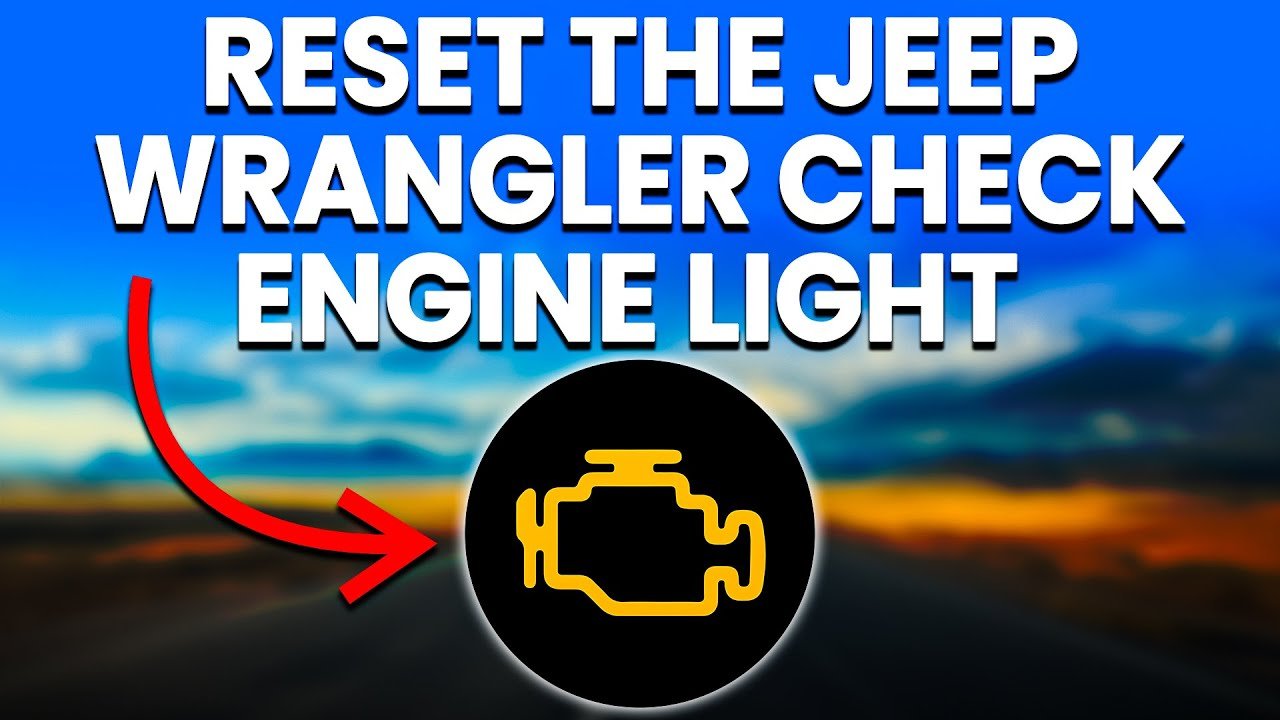
Resetting The Engine Light
Resetting the engine light clears the warning temporarily. Disconnect the negative battery cable for about 15 minutes.
Reconnect the battery and start the Jeep. The engine light should turn off if the problem is fixed.
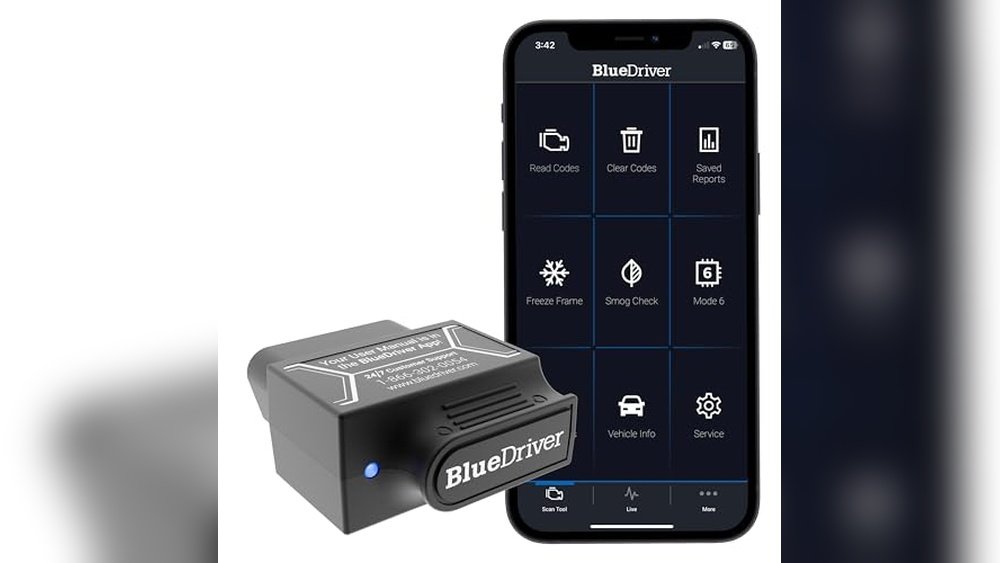
Use a code scanner to reset the light if available.
Frequently Asked Questions
Why Is My Check Engine Light On In My 2016 Jeep Wrangler?
Your 2016 Jeep Wrangler’s check engine light signals an engine, emissions, or transmission issue. Common causes include a loose gas cap or faulty sensors.
Use the ignition key to retrieve diagnostic trouble codes for precise identification and address the problem promptly to avoid further damage.
What Is The Most Common Check Engine Light On A Jeep Wrangler?
The most common check engine light issue on a Jeep Wrangler is a loose or faulty gas cap. This triggers an emissions fault alert.
Can I Drive My Jeep With The Engine Light On?
You can drive your Jeep with the engine light on briefly. Check the gas cap is secure. Avoid driving long distances until you diagnose the issue. A flashing light means serious problems; stop immediately and get professional help. Use a code reader to identify the fault quickly.
Can I Drive $1000 Miles With The Check Engine Light On?
Driving 1,000 miles with the check engine light on risks severe damage. Stop and diagnose immediately to avoid costly repairs.
Conclusion
The 2016 Jeep Wrangler engine light signals a problem that needs attention. Simple issues like a loose gas cap can cause the light to come on.
You can check trouble codes without special tools by using your ignition key. Addressing the problem early prevents bigger, costly repairs later.
Always listen to what your Jeep is telling you through this warning. Stay safe by fixing engine light issues as soon as they appear.