If your 2016 Jeep Wrangler’s check engine light just came on, you’re probably wondering what it means and what you should do next. That little warning can be frustrating and even a bit scary, but don’t panic.
Your Jeep is simply telling you that something needs attention. Whether it’s a minor issue like a loose gas cap or something more serious like a failing oxygen sensor, understanding the cause can save you time, money, and stress.
In this guide, you’ll learn how to quickly check what’s triggering the light, common reasons why it happens, and the best steps to take to get your Wrangler back on the road safely.
Keep reading you’ll find simple tips and easy solutions that anyone can follow.
Causes Of Check Engine Light
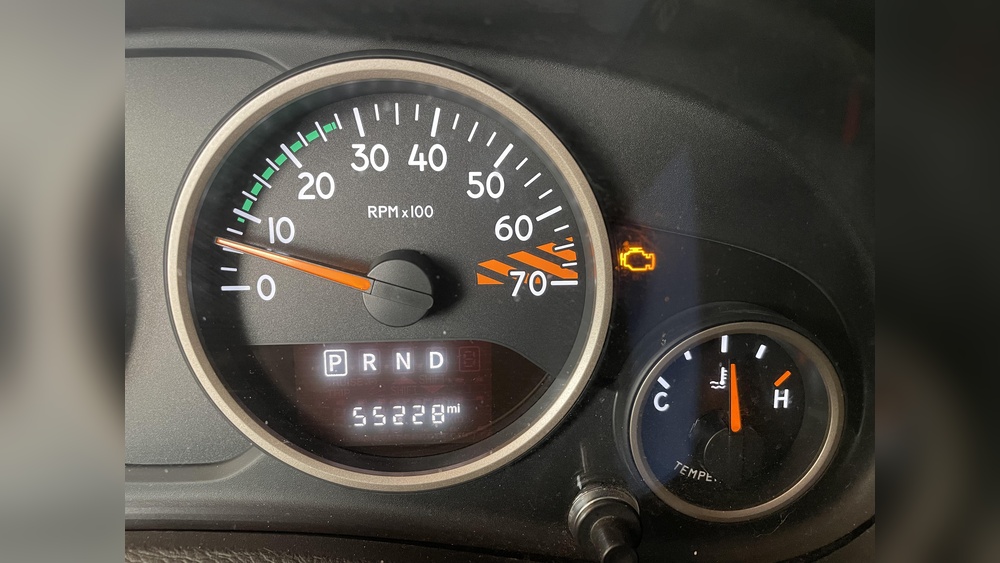
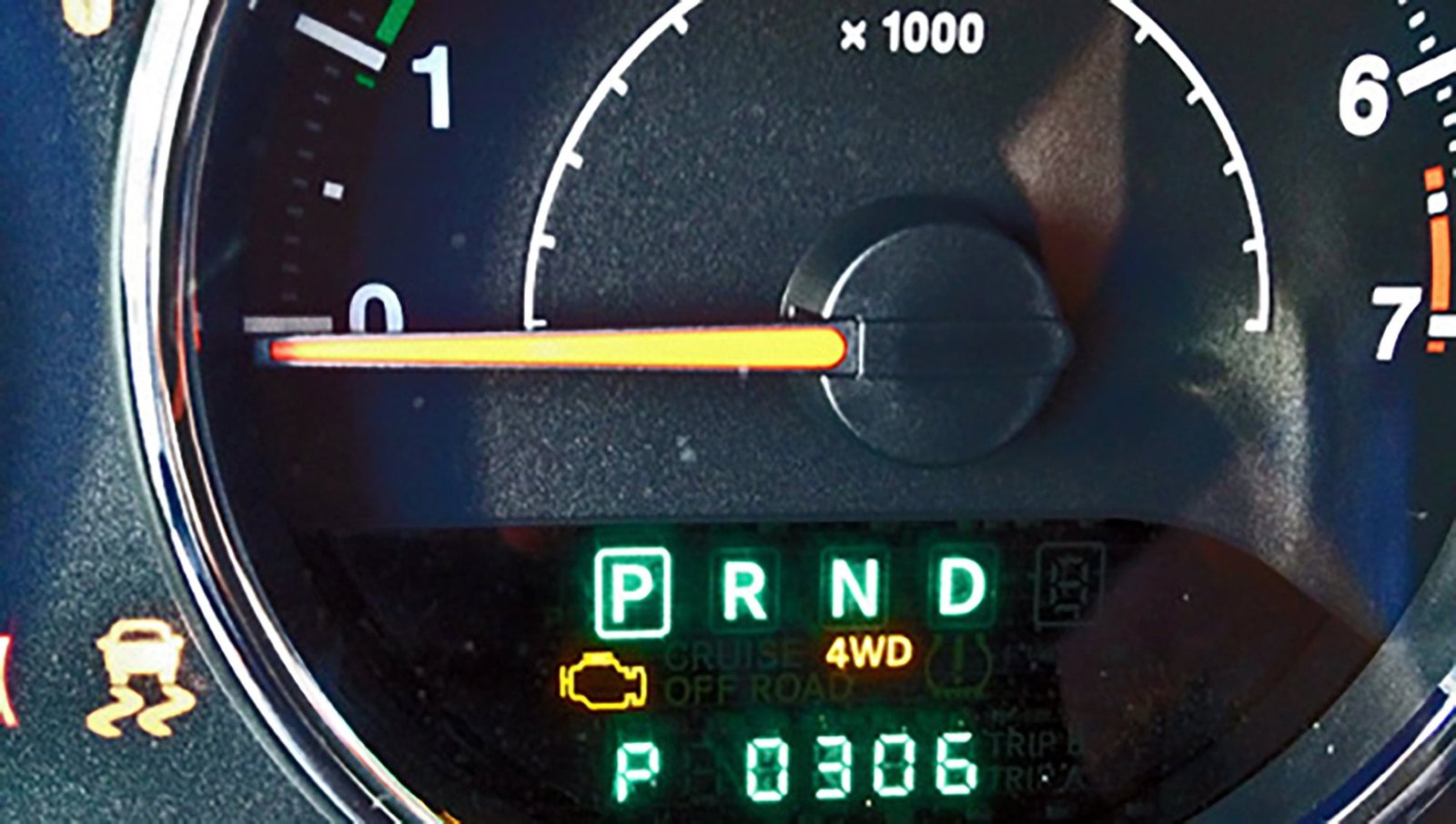
The check engine light in a 2016 Jeep Wrangler signals a problem in the vehicle’s engine or emission system. Understanding the causes helps in quick diagnosis and repair. Several common issues can trigger this warning light, affecting your Jeep’s performance and fuel efficiency.
Loose Gas Cap
A loose or missing gas cap can cause fuel vapors to escape. This triggers the check engine light.
Tightening the gas cap until it clicks often solves the issue. It is the simplest and most frequent cause.
Faulty Oxygen Sensors
Oxygen sensors monitor the amount of oxygen in the exhaust. Faulty sensors send wrong data to the engine computer.
This reduces fuel efficiency and increases emissions. Replacing bad sensors restores performance and lowers pollution.
Engine Misfires
Engine misfires happen when fuel does not burn properly in cylinders. This causes rough running and reduces power.
Misfires can damage the engine if ignored. Diagnosing and fixing the cause is essential to avoid bigger repairs.
Vacuum Leaks
Vacuum leaks allow extra air into the engine. This disrupts the air-fuel mixture needed for smooth running.
The check engine light may turn on due to this problem. Locating and sealing leaks improves engine function.
Faulty Spark Plugs Or Wires
Spark plugs ignite the fuel-air mix in the engine. Worn or damaged plugs and wires cause weak sparks.
This leads to poor engine performance and misfires. Replacing them can restore smooth driving.
Catalytic Converter Issues
The catalytic converter reduces harmful emissions from the exhaust. Problems with this part cause the check engine light to glow.
A failing converter lowers fuel efficiency and may cause engine damage. Repair or replacement is needed for proper function.
Retrieving Error Codes
Retrieving error codes is the first step to understand why the 2016 Jeep Wrangler’s check engine light is on. These codes give clues about engine or system problems.
Knowing the code helps decide what repair or action is needed.
There are several ways to get these codes. Some methods require tools, while others use simple tricks or free apps.
Each method has its benefits depending on your situation.
Using An Obd-ii Scanner
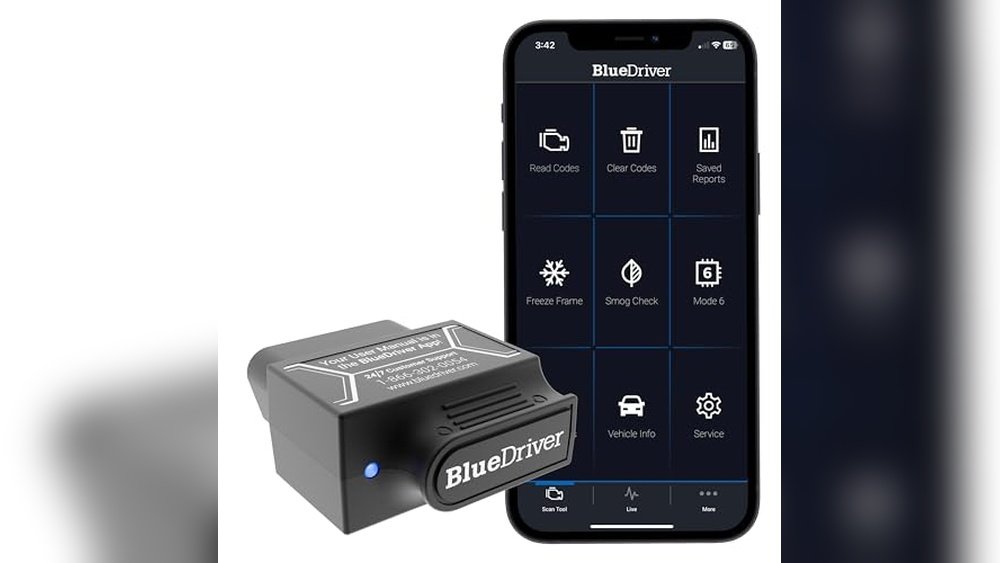
An OBD-II scanner plugs into your Jeep’s diagnostic port. This port is usually under the dashboard. The scanner reads stored error codes from the engine control unit.
Once connected, turn the ignition on without starting the engine. The scanner will display the trouble codes. Each code points to a specific issue.
These devices are easy to use and give clear codes. Some scanners also provide code definitions and suggestions.
Manual Key Cycle Method
The manual key cycle method lets you read error codes without tools. Close all doors and insert the key into the ignition.
Turn the key from OFF to ON three times quickly. Leave the key in the ON position but do not start the engine. The check engine light will flash codes.
Count the flashes. Long flashes show the first digit, short flashes show the second digit. Write down the code for later reference.
Free Online And Mobile Tools
Many free apps and websites help decode error codes. After getting the codes, enter them into these tools.
They explain what the code means and suggest possible fixes. Some apps connect to OBD-II scanners via Bluetooth for live reading.
These tools are convenient and easy for beginners. They save money and provide quick information about the problem.
Quick Fixes To Try
The check engine light on a 2016 Jeep Wrangler signals an issue in the vehicle’s system. Some problems are simple to fix at home.
Trying these quick fixes can often clear the light and save a trip to the mechanic.
These easy steps target common causes of the check engine light. They require minimal tools and basic knowledge.
Start with these solutions before seeking professional help.
Tightening Or Replacing Gas Cap
A loose or damaged gas cap often triggers the check engine light. Fuel vapors can escape, causing the system to detect a leak.
Remove the gas cap, check for cracks, and tighten it firmly until it clicks. If damaged, replace it with a new cap designed for your Jeep Wrangler.
Replacing Oxygen Sensors
Oxygen sensors monitor exhaust gases and help the engine run efficiently. A faulty sensor can cause poor fuel economy and engine issues.
Replacing a bad oxygen sensor often turns off the check engine light. Use a scanner to identify the faulty sensor before replacement.
Fixing Vacuum Leaks
Vacuum leaks let extra air enter the engine, affecting performance. Listen for hissing sounds around hoses and connections.
Replace cracked or disconnected vacuum lines. Fixing leaks helps the engine run smoothly and may clear the check engine light.
Changing Spark Plugs
Worn or dirty spark plugs can cause misfires and trigger the check engine light. Remove the old spark plugs and check for deposits or damage.
Install new plugs that match your Wrangler’s specifications. This simple fix improves engine performance and fuel efficiency.
Resetting The Check Engine Light
After repairs, the check engine light might stay on. Use an OBD-II scanner to clear the codes and reset the light.
Alternatively, disconnect the battery for a few minutes to reset the system. Drive the Jeep normally to see if the light stays off.
When To Seek Professional Help
The check engine light in your 2016 Jeep Wrangler signals various engine issues. Some problems are minor, but others require expert attention.
Recognizing when to seek professional help can protect your vehicle and ensure safety. Watch for specific signs that call for immediate service.
Flashing Check Engine Light
A flashing check engine light means urgent trouble. It often signals a severe engine misfire.
Driving with this warning can cause serious engine damage. Stop driving and get professional help immediately.
Persistent Warning Light
If the check engine light stays on for several days, do not ignore it. A constant light shows the problem is ongoing.
A mechanic can diagnose the issue with specialized tools. Early repair prevents costly damage later.
Poor Vehicle Performance
Notice any drop in power, rough idling, or stalling? These symptoms often link to engine problems.
The check engine light may be on for a reason. A professional can find the root cause and fix it properly.
Failed Emissions Test
Your Jeep may fail an emissions test if the check engine light is on. Emissions issues harm the environment and can lead to fines.
A certified technician can repair emission-related problems. This keeps your Jeep legal and eco-friendly.
Preventive Maintenance Tips
Preventive maintenance is key to avoiding the dreaded check engine light on your 2016 Jeep Wrangler. Regular care helps keep your engine running smoothly.
It also reduces the risk of costly repairs. Follow these simple tips to maintain your vehicle’s health and catch issues early.
Regular Engine Tune-ups
Schedule engine tune-ups as recommended by Jeep. These checkups ensure spark plugs, filters, and ignition systems work properly.
A well-tuned engine runs efficiently and produces fewer emissions. Tune-ups also detect small problems before they become major ones.
Checking Fluid Levels
Check engine oil, coolant, and transmission fluids regularly. Low or dirty fluids can cause engine trouble and trigger the check engine light.
Keep fluid levels within the recommended range. Replace fluids on time to avoid engine wear and overheating.
Monitoring Fuel Quality
Use high-quality fuel to protect your engine. Poor fuel can cause rough idling and damage sensors.
Avoid filling up at unknown or low-quality stations. Clean fuel helps your engine run cleaner and prevents check engine warnings.
Keeping Sensors Clean
Clean sensors like the oxygen and mass airflow sensors carefully. Dirt and grime can cause false readings and trigger the check engine light.
Use proper cleaning products and avoid harsh chemicals. Clean sensors improve fuel efficiency and engine performance.
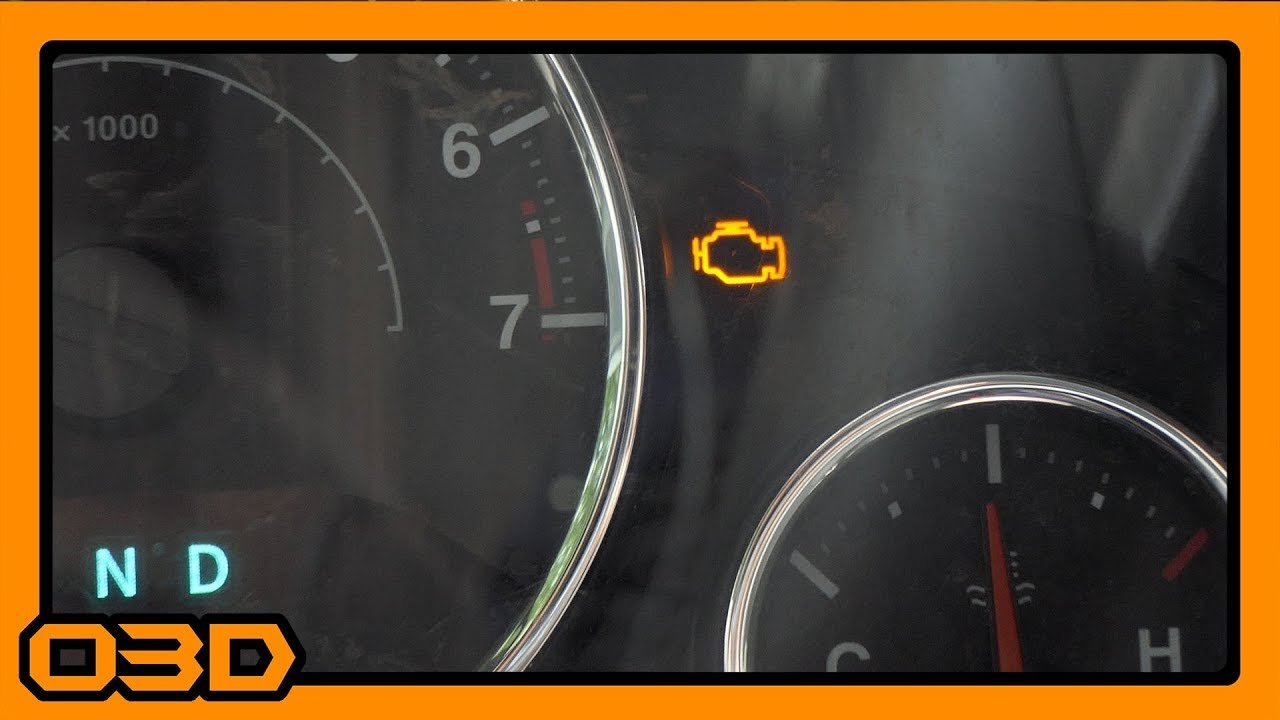
Driving With The Light On
Seeing the check engine light on your 2016 Jeep Wrangler can cause worry. This light signals that the vehicle’s computer has detected an issue.
Driving with the light on requires caution. Understanding what the light means helps you decide what to do next.
Is It Safe To Drive?
Sometimes, the check engine light means a minor issue. You might safely drive short distances.
Watch for changes in how your Jeep runs. Strange noises or poor performance need immediate attention.
If the light flashes, stop driving right away. This signals a serious problem that can cause damage.
Potential Risks
Ignoring the check engine light can lead to bigger problems. Your engine might overheat or stall unexpectedly.
Fuel efficiency can drop, costing more money. Pollution control systems may fail, harming the environment.
Repairs will become more expensive if you delay. Safety risks increase, especially on busy roads.
Steps To Minimize Damage
Check the gas cap first. A loose cap often causes the light to turn on.
Tighten it and see if the light resets. Reduce heavy driving and avoid towing loads.
Visit a mechanic soon to diagnose the issue. Use a code reader to find error codes if possible.
Early fixes protect your engine and save money.

Frequently Asked Questions
Why Is My Check Engine Light On In My 2016 Jeep Wrangler?
Your 2016 Jeep Wrangler’s check engine light signals a detected issue. Common causes include a loose gas cap, faulty oxygen sensor, or engine problems.
Tighten the gas cap or use an OBD-II scanner to read error codes for accurate diagnosis and timely repair.
What Is The Most Common Check Engine Light On A Jeep Wrangler?
The most common check engine light on a Jeep Wrangler is caused by a loose or faulty gas cap. Tighten or replace it to fix the issue.
Can I Drive My Jeep With The Engine Light On?
You can drive your Jeep with the engine light on, but only for short distances. Have the issue diagnosed quickly.
A flashing light means urgent repairs are needed to avoid damage. Check the gas cap first, as it's a common cause.
How To Check Engine Codes In A 2016 Jeep Wrangler?
Turn the ignition key OFF. Cycle it from OFF to ON three times quickly, ending in ON without starting. Read the blinking check engine light codes.
Conclusion
The 2016 Jeep Wrangler check engine light signals an issue needing attention. Common causes include a loose gas cap or faulty oxygen sensor.
Checking the error code helps identify the exact problem quickly. Ignoring the light may lead to bigger, costly repairs.
Regular maintenance keeps your Jeep running smoothly and safely. Stay alert and address the warning as soon as it appears.
This simple step protects your vehicle and driving experience.