If your 2014 Jeep Wrangler’s check engine light just came on, you’re probably wondering what it means and what you should do next. That little warning light isn’t just a random flicker—it’s your Jeep’s way of telling you something needs attention.
But don’t panic. Sometimes, the cause is as simple as a loose gas cap, and other times it could be a sign of a more serious issue like engine misfires or problems with your emissions system.
You’ll learn how to quickly check what’s triggering that light, what common problems you might face, and how to handle them without breaking the bank.
Keep reading you’ll find easy tips that can save you time, money, and a lot of stress on the road.
Common Causes
The check engine light on a 2014 Jeep Wrangler signals a problem with the vehicle. It can mean many things, from small issues to serious engine trouble. Knowing common causes helps you understand the problem better. This guide covers five frequent reasons for the check engine light to come on.
Loose Gas Cap
A loose or damaged gas cap can cause fuel vapors to escape. This triggers the check engine light.
Tightening or replacing the gas cap often fixes the issue. It is the easiest and cheapest solution to try first.
Ignition Misfires
Ignition misfires happen when the spark plugs or coils fail. This causes the engine to run rough or lose power.
Old or worn spark plugs often cause misfires. Replacing them can restore smooth engine performance.
Faulty Oxygen Sensor
The oxygen sensor measures the air-fuel mixture in the engine. A faulty sensor sends wrong data to the engine computer.
This can reduce fuel efficiency and increase emissions. Replacing the oxygen sensor improves engine running and saves gas.
Catalytic Converter Issues
The catalytic converter reduces harmful gases in the exhaust. When it fails, the check engine light turns on.
A clogged or damaged converter lowers engine power and increases pollution. Repair or replacement is needed for proper engine function.
Mass Air Flow Sensor Problems
The mass air flow sensor measures the air entering the engine. If it malfunctions, the engine may stall or hesitate.
Cleaning or replacing this sensor fixes the problem. It helps maintain smooth running and good fuel economy.

Diagnosing The Issue
The check engine light on your 2014 Jeep Wrangler signals a problem detected by the vehicle’s onboard system. Diagnosing the issue quickly helps prevent further damage and costly repairs.
This section explains simple ways to identify the cause of the warning light. You can use easy methods without special tools or choose more detailed approaches for accurate results.
Using The Odometer Code Trick
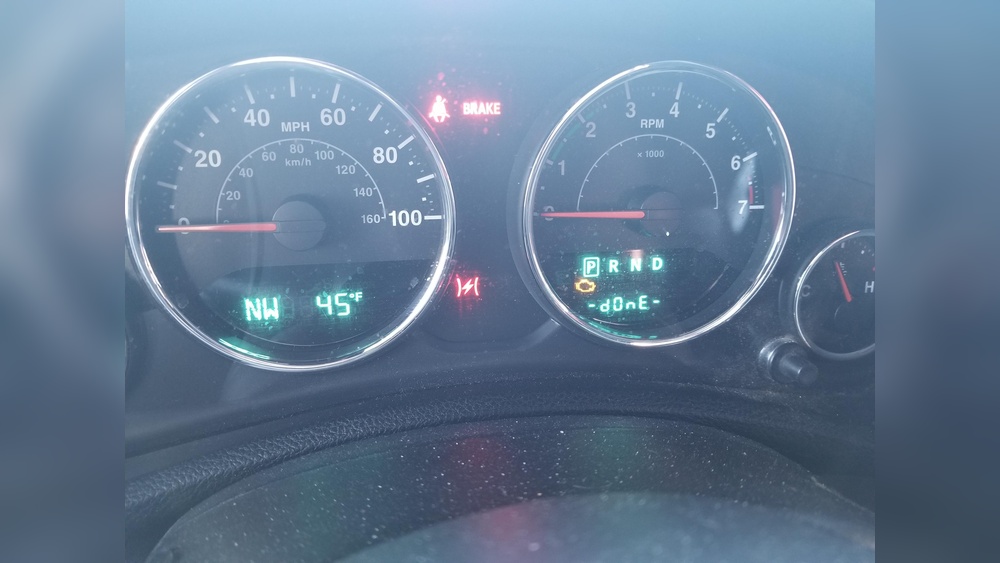
You can retrieve error codes using the Jeep’s odometer without an OBD-II scanner. First, close all doors and insert the key into the ignition. Turn the key from OFF to ON three times in quick succession, ending in the ON position without starting the engine. The odometer will display a series of numbers.
These numbers are diagnostic trouble codes (DTCs) that point to the issue. Write down the codes for later reference.
This trick saves time and money by showing the problem codes instantly.
Reading Codes With An Obd-ii Scanner
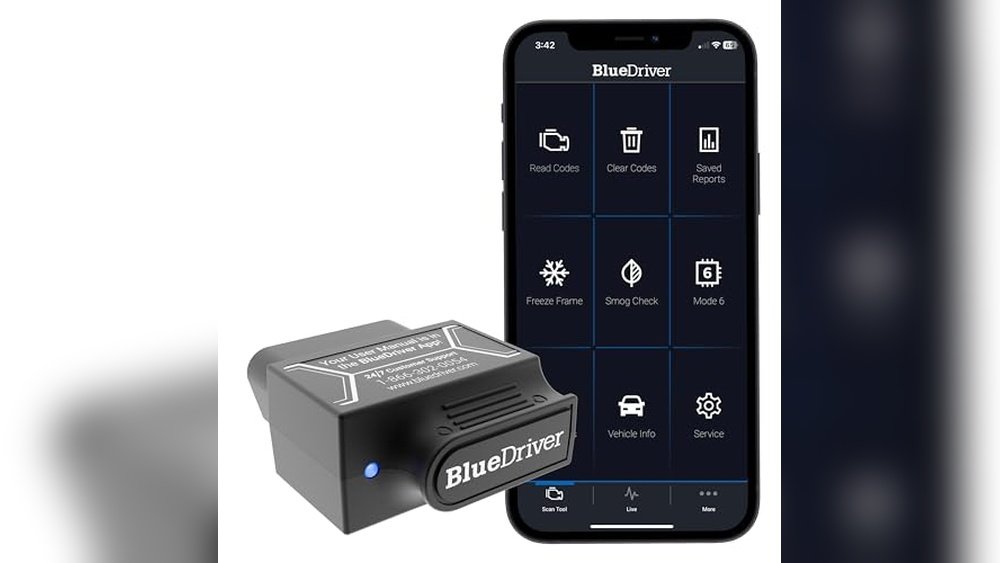
An OBD-II scanner provides a more detailed and accurate way to read trouble codes. Plug the scanner into the Jeep’s OBD-II port, usually under the dashboard near the steering wheel.
Turn the ignition to the ON position without starting the engine.
Follow the scanner’s instructions to retrieve the codes. The device will display error codes stored in the vehicle’s computer.
These codes help you understand what triggered the check engine light.
Interpreting Diagnostic Trouble Codes
Each diagnostic trouble code corresponds to a specific problem in the Jeep’s engine or emission system. Codes starting with P0 usually relate to engine issues, while P2 and P3 might refer to manufacturer-specific problems.
Look up the meaning of the codes online or in the scanner’s manual. Common issues include loose gas caps, faulty oxygen sensors, or misfiring cylinders.
Knowing the code meaning guides your next steps for repair or mechanic consultation.
Quick Fixes
The check engine light on a 2014 Jeep Wrangler can signal various issues. Some problems are easy to fix without a mechanic.
Quick fixes often solve the issue fast and save money. Here are some simple steps to try first.
Tightening Or Replacing Gas Cap
A loose or damaged gas cap often triggers the check engine light. It can let fuel vapors escape, causing the system to detect a leak.
Check the gas cap by tightening it firmly. If the cap is cracked or worn, replace it with a new one.
This fix is fast and often clears the warning light.
Replacing Spark Plugs And Ignition Coils
Old spark plugs or bad ignition coils cause engine misfires. Misfires can turn on the check engine light.
Inspect the spark plugs for wear or damage. Replace them if they look worn out.
Also, test the ignition coils. Replace any coil that is not working properly.
This helps improve engine performance and often turns off the warning light.
Cleaning Or Replacing Sensors
Dirty or faulty sensors can send wrong signals to the engine control unit. Common sensors include oxygen sensors and mass airflow sensors.
Remove these sensors carefully and clean them with proper cleaner. If cleaning does not help, replace the sensor.
Fixing sensor issues often stops the check engine light from coming on.
Resetting The Check Engine Light
After fixing the problem, you can reset the check engine light. Use an OBD-II scanner to clear error codes easily.
Without a scanner, try turning the ignition key ON and OFF three times, ending in ON without starting the engine. This may reset the light on some models.
Remember, the light may come back if the problem is not fully fixed.

When To See A Mechanic
The 2014 Jeep Wrangler’s check engine light is a clear signal of vehicle issues. Knowing when to visit a mechanic can save time and prevent damage.
Not every light means a serious problem, but some signs require immediate attention.
Understanding these signs helps keep your Jeep running smoothly and safely. Always pay attention to how the light behaves and any symptoms your vehicle shows.
Blinking Check Engine Light
A blinking check engine light is a warning of a serious problem. It often means the engine is misfiring.
Driving with a blinking light can cause damage to the catalytic converter.
Stop driving and see a mechanic right away. This prevents costly repairs and keeps you safe on the road.
Persistent Or Recurrent Issues
If the check engine light stays on after you fix a problem, it needs professional help. Recurring lights can mean sensors or parts are failing.
Mechanics can use diagnostic tools to find hidden issues.
Ignoring persistent lights may cause poor engine performance and lower fuel economy.
Emissions Test Failures
Failing an emissions test often triggers the check engine light. Problems with the catalytic converter or oxygen sensors are common causes.
A mechanic can diagnose and repair these parts.
Passing emissions tests keeps your Jeep legal and helps the environment.
Preventive Tips
The check engine light on your 2014 Jeep Wrangler can signal various issues. Preventive care helps keep this warning off and your Jeep running smoothly.
Simple daily habits and regular checks reduce the chance of engine trouble. These tips guide you to maintain your Jeep properly and catch problems early.
Regular Maintenance Schedule
Follow the Jeep’s maintenance plan strictly. Change oil and filters on time.
Inspect spark plugs and replace if worn out. Check belts and hoses for cracks or leaks.
Regular tune-ups keep the engine healthy and prevent faults. A well-maintained engine reduces the chance of the check engine light activating.
Using Quality Fuel And Parts
Use fuel from trusted stations only. Poor quality fuel can cause engine issues and trigger warning lights.
Choose OEM or high-quality replacement parts. Cheap parts may not fit well or last long.
Proper fuel and parts support engine performance and lower repair risks.
Monitoring Dashboard Alerts
Watch all dashboard lights carefully. The check engine light often appears with other alerts.
Do not ignore any warning signs. Address small alerts quickly before they become bigger problems.
Early attention saves time and money on repairs.
Frequently Asked Questions
What Is The Most Common Check Engine Light On A Jeep Wrangler?
The most common check engine light on a Jeep Wrangler signals issues like a loose gas cap or ignition misfires. Tighten the gas cap or check spark plugs to fix it.
Why Is My Check Engine Light On In My 2014 Jeep Wrangler?
The check engine light in a 2014 Jeep Wrangler signals a detected issue. Common causes include a loose gas cap, faulty spark plugs, or a failing catalytic converter.
It’s best to scan the vehicle’s diagnostic codes to identify and fix the exact problem promptly.
Can I Drive My Jeep With The Engine Light On?
You can drive your Jeep with a steady engine light on, but limit driving. A blinking light means serious issues; stop immediately and seek repair.
How Serious Is A Solid Check Engine Light?
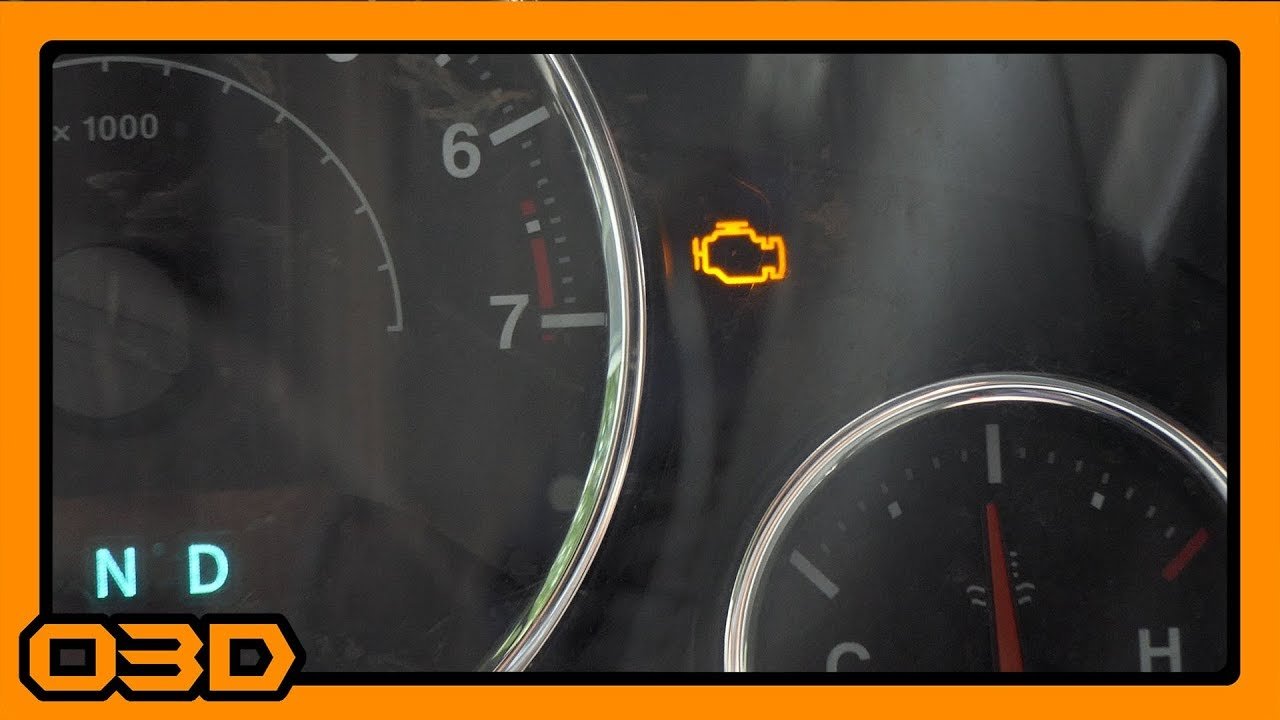
A solid check engine light indicates a detected issue in the engine, transmission, or emissions system. It warns you to have your vehicle diagnosed soon.
Driving is usually safe temporarily, but prompt attention prevents further damage and costly repairs.
Conclusion
The 2014 Jeep Wrangler check engine light helps spot engine or emissions issues early. Simple causes like a loose gas cap often trigger the light.
More serious problems need quick attention to avoid damage. Use your odometer trick to read error codes without a scanner.
Acting fast can save time and money. Keep your Jeep running smoothly by addressing warnings promptly.
Stay safe and enjoy your drives with peace of mind.