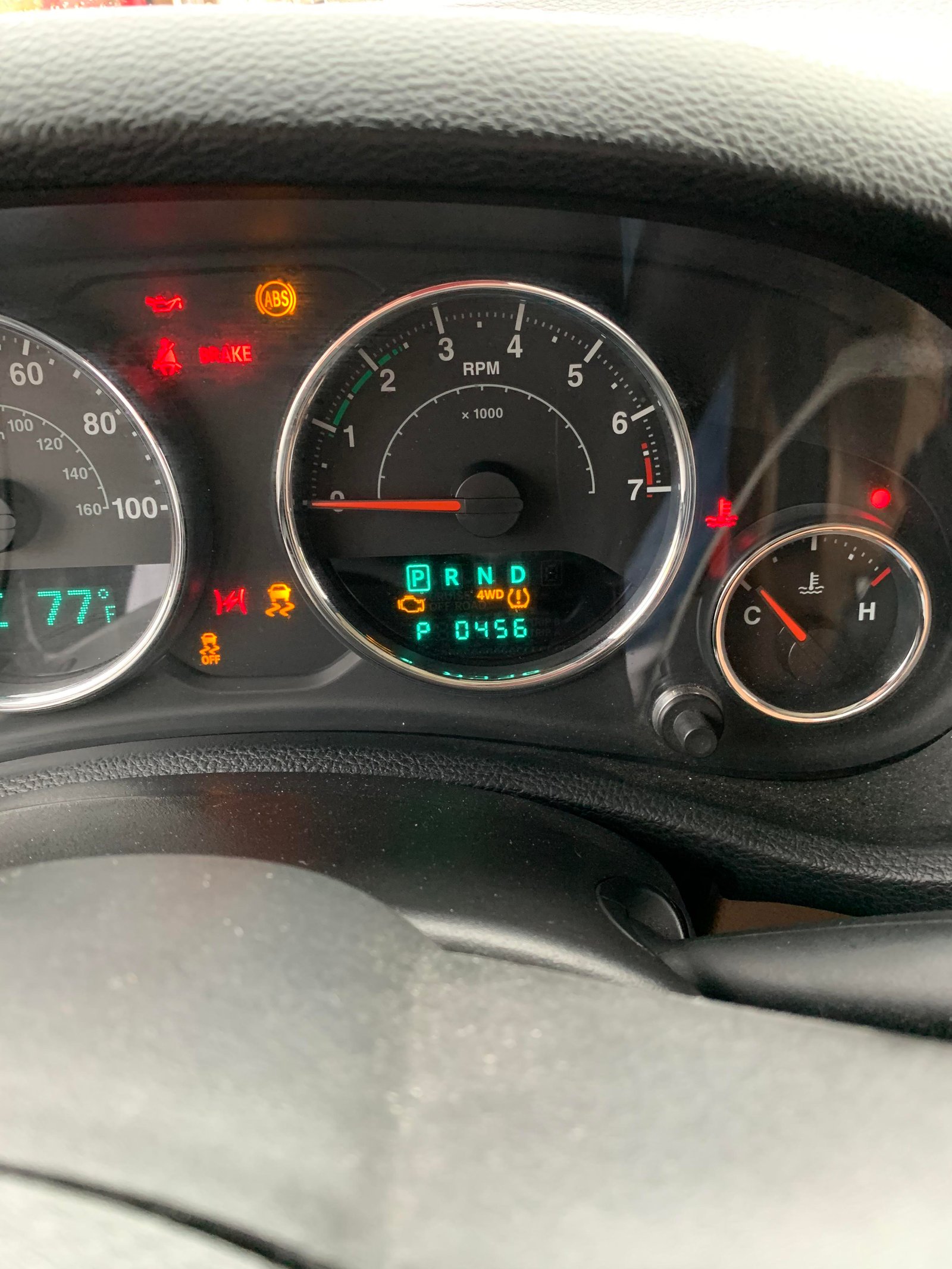
If you’re driving your 2013 Jeep Wrangler and suddenly see that check engine light glowing on your dashboard, it’s easy to feel a spike of worry. What does it mean?
Is your Jeep still safe to drive? And how do you figure out what’s wrong without spending a fortune?
You’re not alone many Wrangler owners face this exact moment. The good news is that understanding why that light comes on and what steps to take next isn’t as complicated as it seems.
You’ll learn how to quickly check your Jeep’s engine codes, what common problems trigger the light, and when you need to take immediate action. Keep reading your Wrangler and your peace of mind depend on it.

Causes Of Check Engine Light
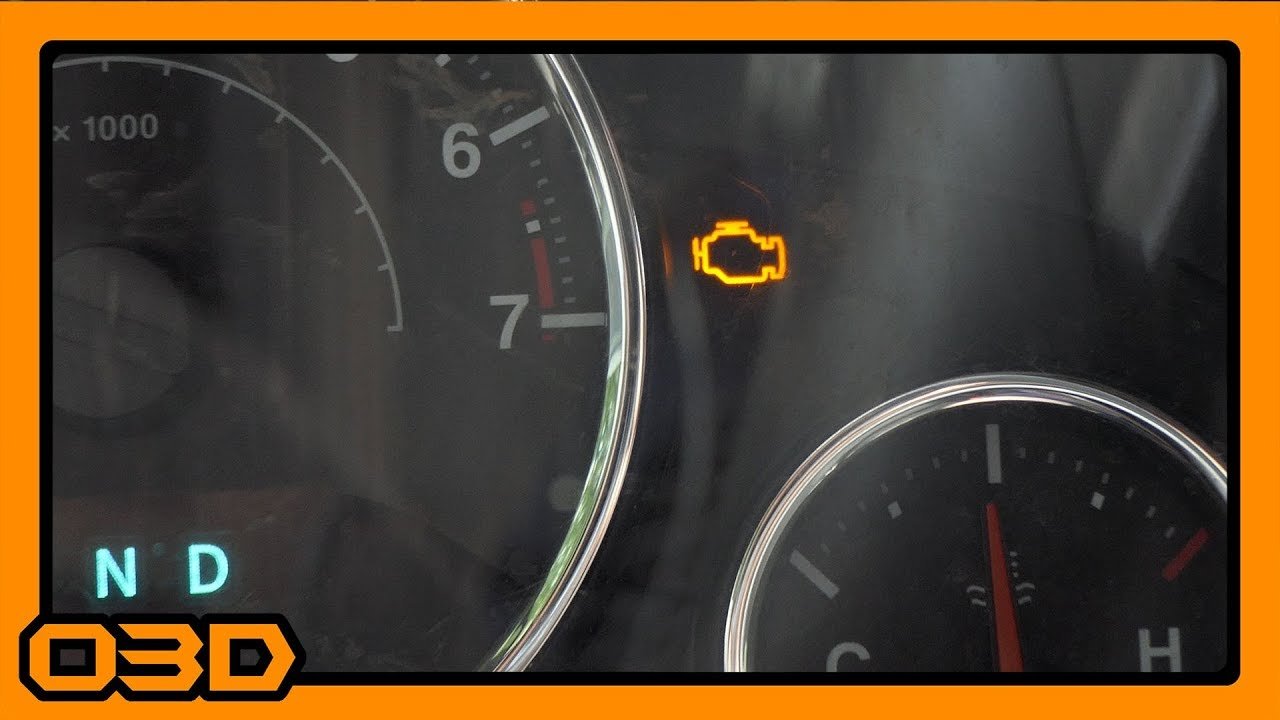
The check engine light on a 2013 Jeep Wrangler signals a problem detected by the vehicle’s computer. Reading diagnostic codes helps identify the issue causing the warning. Understanding these codes is the first step in addressing the problem quickly and safely.
Diagnostic trouble codes (DTCs) store details about engine or emissions faults. These codes can be accessed using different methods.
Each method offers a way to find out why the check engine light is on.
Using The Odometer Method
This method uses your Jeep’s odometer display to reveal codes. Sit in the driver’s seat with all doors closed.
Insert the key and turn the ignition from OFF to ON three times, ending in the ON position without starting the engine.
The odometer will then show the codes as a series of numbers. Each code points to a specific issue in the engine or emissions system.
Wait until the odometer reads “done” to finish the process.
Free Professional Scanning Services
Many auto parts stores offer free code scanning for your Jeep. These services use professional tools to read trouble codes from the OBD-II port.
Visiting a local store can give you a quick and accurate diagnosis.
Bring your Jeep and ask for a free scan. The printed report will list the codes and sometimes explain their meaning.
This helps you decide the next steps for repair or maintenance.
Using An Obd-ii Scanner
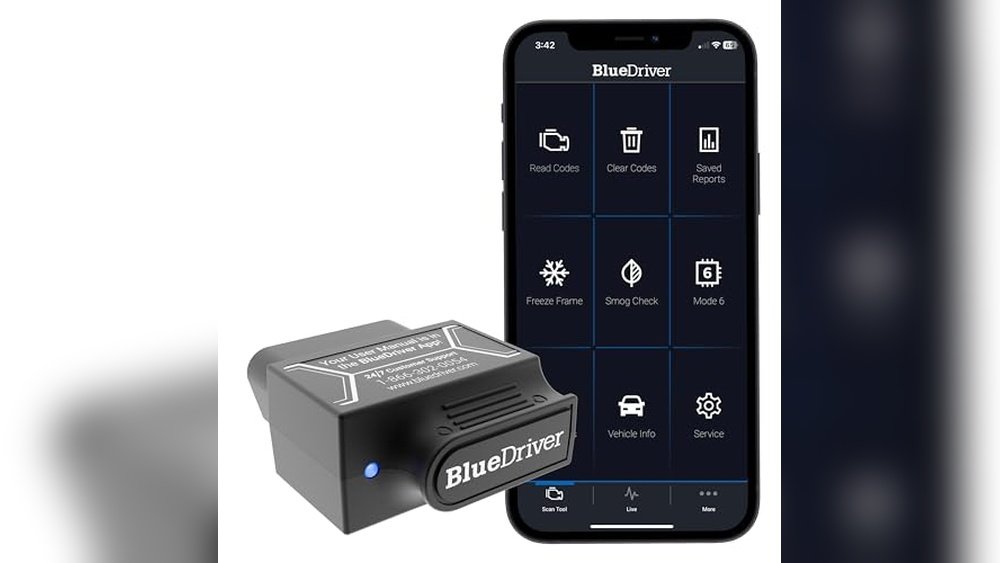
An OBD-II scanner plugs into your Jeep’s diagnostic port, usually under the dashboard. This tool reads and clears codes with ease. It provides detailed information about engine or emission faults.
Many scanners connect to smartphones via Bluetooth. This lets you use apps to view and save codes.
Using a scanner gives you direct control over your Jeep’s diagnostics at home or on the road.
Reading Diagnostic Codes
The check engine light on your 2013 Jeep Wrangler signals a problem detected by the vehicle’s system. Acting quickly helps prevent bigger issues.
Different light behaviors mean different levels of urgency. Understanding what to do right away keeps your Jeep safe and running well.
When The Light Is Flashing
A flashing check engine light means a serious problem. It often signals an engine misfire.
Driving with a flashing light can harm the catalytic converter. Stop driving immediately.
Pull over safely and turn off the engine. Have your Jeep checked by a professional right away.
When The Light Is Solid
A solid check engine light usually means a less urgent issue. It is generally safe to keep driving for a short time.
Avoid long trips or heavy loads. Schedule a diagnostic test soon.
This helps find the exact cause before it worsens. Ignoring it can lead to higher repair costs.
Checking For Additional Symptoms
Look for other signs that can show the problem’s severity. Notice if the engine runs rough or stalls.
Check if there is poor fuel economy or strange noises. Watch for smoke or unusual smells from the exhaust.
These clues help identify the issue faster. Share these symptoms with your mechanic for better diagnosis.
Immediate Actions
Preventive maintenance plays a key role in keeping your 2013 Jeep Wrangler running smoothly. It helps avoid unexpected check engine light issues.
Regular care protects your engine and improves vehicle reliability. Follow these simple tips to reduce the chance of engine problems.
Regular Engine Inspections
Check your engine frequently for signs of wear or damage. Look for leaks, loose connections, or worn belts.
Early detection can prevent bigger problems. Schedule a professional inspection at least once a year.
This step helps catch issues before the check engine light turns on.
Timely Oil And Filter Changes
Change your oil and filter as recommended in the owner’s manual. Clean oil lubricates engine parts and reduces friction.
Dirty oil can cause engine trouble and trigger the check engine light. Keep a regular oil change schedule to maintain engine health and performance.
Monitoring Fuel Efficiency
Watch your Jeep’s fuel efficiency closely. Sudden drops in mileage can signal engine or fuel system issues.
Poor fuel economy often leads to the check engine light activating. Track your fuel use and address any unusual changes quickly.
This helps keep your engine running at its best.
Quick Fixes
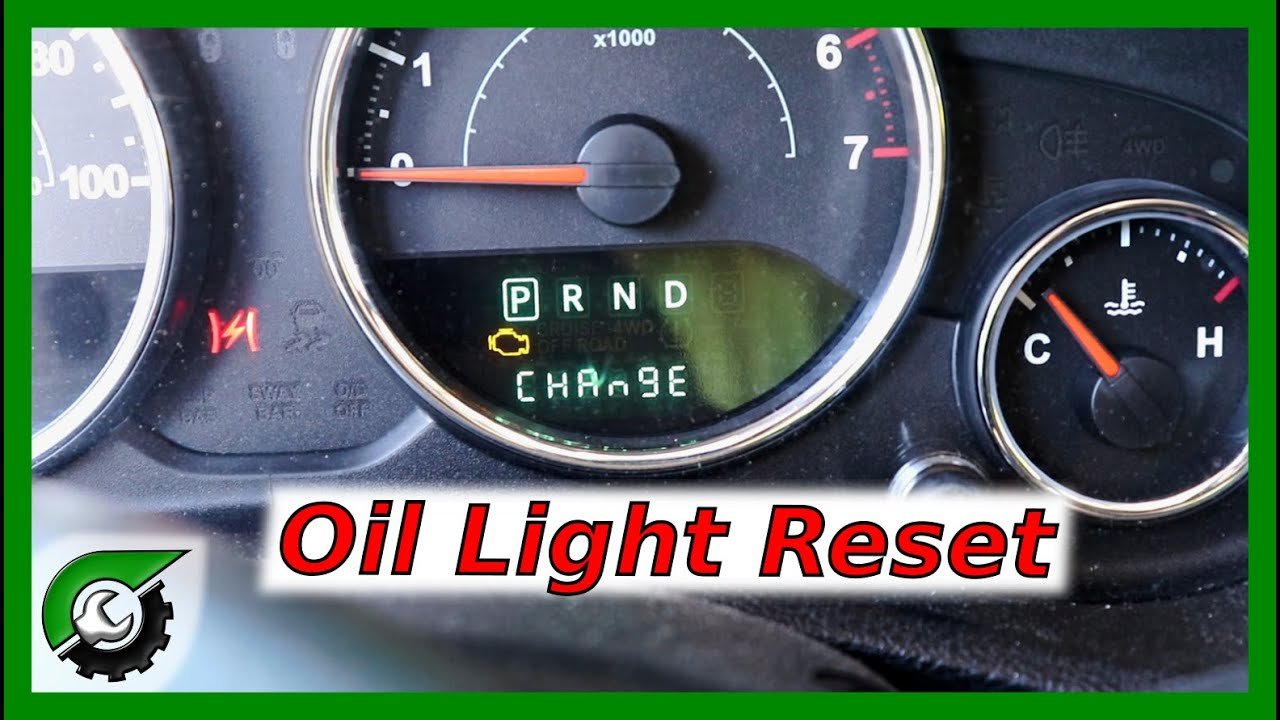
Resetting the check engine light on a 2013 Jeep Wrangler helps clear fault codes after repairs. It confirms the problem is fixed or allows you to start fresh for new diagnostics.
The light will turn off once the system no longer detects issues. Two main ways exist to reset this light: manual methods and using OBD-II reset tools.
Manual Reset Methods
One simple way to reset the check engine light is by disconnecting the battery. Unhook the negative terminal and wait about 15 minutes.
This cuts power and clears the car’s memory, including stored error codes. Reconnect the battery and start the engine.
The light should be off if the issue is fixed.
Another manual method is cycling the ignition. Turn the key to the ON position without starting the engine.
Do this three times quickly, ending on ON. This can reset some error codes and clear the light.
This process works best if the problem was minor or has been repaired.
Using Obd-ii Reset Tools
OBD-II scan tools connect to your Jeep’s diagnostic port and read error codes. They also allow you to clear the check engine light safely.
These tools range from simple code readers to advanced scanners with live data functions.
To reset, plug the OBD-II tool into the port under the dashboard. Turn the ignition ON without starting the engine.
Follow the tool’s menu to read and clear trouble codes. This method is reliable and helps avoid accidentally erasing codes before fixing the problem.
Frequently Asked Questions
What Is The Most Common Check Engine Light On A Jeep Wrangler?
The most common check engine light on a Jeep Wrangler signals a loose or faulty gas cap. It can also indicate oxygen sensor issues.
How To Reset Check Engine Light On A 2013 Jeep Wrangler?
Turn the ignition key to ON, then OFF three times, ending ON. Read codes on the odometer.
Fix issues, then disconnect the battery for 15 minutes to reset the light. Use an OBD-II scanner for a quicker reset.
Can I Drive My Jeep With The Engine Light On?
You can drive your Jeep if the engine light is solid, but get it checked soon. Stop immediately if it flashes, as this signals a serious problem.
Driving with a flashing light can cause severe engine or catalytic converter damage.
What Are The Common Causes Of A Solid Check Engine Light?
Common causes of a solid check engine light include a loose gas cap, faulty oxygen sensor, catalytic converter issues, or spark plug problems.
Conclusion
The 2013 Jeep Wrangler check engine light signals a problem needing attention. Ignoring it can lead to bigger, costly issues.
Use simple steps to read the trouble codes yourself. Many stores offer free code scans to help you understand the problem.
If the light flashes, stop driving immediately to prevent damage. A steady light means you can drive, but get it checked soon.
Regular checks keep your Jeep running smoothly and safely. Stay alert and take action to protect your vehicle and wallet.