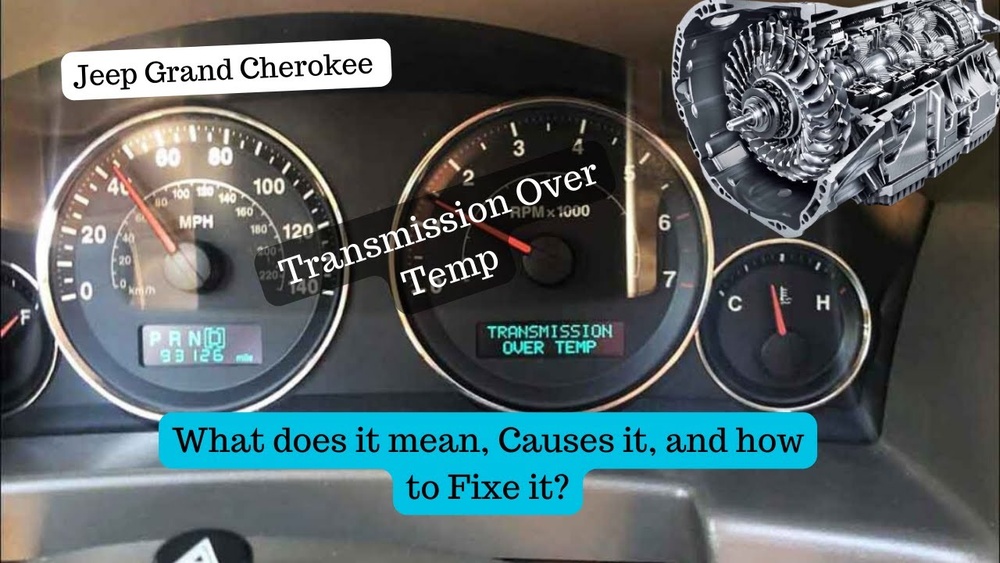
If you’ve seen the “Transmission Over Temp” warning pop up in your 2006 Jeep Grand Cherokee, you’re not alone—and it’s something you don’t want to ignore. This alert is your Jeep’s way of telling you that the transmission is running hotter than it should, and if left unchecked, it can lead to serious damage and costly repairs.
But before panic sets in, it’s important to know that this warning doesn’t always mean your transmission is actually overheating. Sometimes, a faulty sensor or wiring issue can trigger the message. You’ll learn how to quickly identify the real cause behind the warning, what steps you can take to protect your Jeep, and how to fix the problem before it turns into a major headache.
Keep reading to make sure your Grand Cherokee stays on the road and out of the shop.
Transmission Over Temp Warning
The Transmission Over Temp Warning in the 06 Jeep Grand Cherokee signals an issue with the transmission’s temperature. This alert helps prevent damage by notifying the driver that the transmission fluid is too hot. Overheating can harm the transmission and reduce its lifespan. Understanding this warning is key to keeping your vehicle safe and running well.
What The Warning Means
This warning means the transmission is hotter than normal. Transmission fluid cools and lubricates the system. If the fluid gets too hot, it loses effectiveness. High temperatures can cause the fluid to break down. This may lead to slipping gears or transmission failure. The warning is a sign to stop and check the vehicle. Continuing to drive with this warning can cause serious damage.
Common Symptoms
Several signs may appear when the transmission overheats. One is sluggish or delayed gear shifts. You might feel the vehicle hesitate when changing gears. Another symptom is a burning smell from the vehicle. The transmission fluid may also look dark or smell burnt. In some cases, the warning light will flash on the dashboard. These symptoms show the transmission needs attention immediately.
Causes Of Overheating
Overheating in the 06 Jeep Grand Cherokee transmission can cause serious damage. Understanding the causes helps prevent costly repairs. Several factors may lead to transmission over temp warnings. Identifying these issues early protects your vehicle and ensures smooth driving.
Low Or Burned Transmission Fluid
Transmission fluid lubricates and cools internal parts. Low fluid levels reduce cooling efficiency. Burned fluid loses its ability to protect transmission components. Check the fluid regularly for dark color or burnt smell. Change the fluid and filter if needed to avoid overheating.
Faulty Temperature Sensor
The temperature sensor monitors transmission heat levels. A bad sensor sends incorrect signals to the vehicle’s computer. This can cause false over temp warnings or delayed cooling response. Testing and replacing a faulty sensor prevents unnecessary alarms and protects the transmission.
Clogged Transmission Cooler
The transmission cooler helps lower fluid temperature. Dirt, debris, or corrosion can block the cooler or its lines. This restriction causes poor heat dissipation and fluid overheating. Inspect the cooler and clean or flush it to restore proper cooling function.
Wiring And Electrical Issues
Damaged wiring or loose connections disrupt sensor signals. Faulty electrical components can trigger false warnings or fail to activate cooling fans. Inspect wiring harnesses and connectors for damage. Repairing electrical faults ensures accurate transmission temperature readings.
Heavy Towing And Driving Conditions
Towing heavy loads or driving in tough conditions stresses the transmission. Extended use on steep hills or in stop-and-go traffic raises fluid temperature. Use proper towing techniques and allow the transmission to cool down. Avoid overheating by limiting heavy driving demands.
Checking Transmission Fluid
Checking the transmission fluid is essential for maintaining your 06 Jeep Grand Cherokee’s transmission health. Fluid plays a key role in cooling and lubricating the transmission. Low or degraded fluid can cause the transmission to overheat. Regular inspection helps spot issues early and keeps the system running smoothly.
How To Inspect Fluid Level And Condition
Park your Jeep on a flat surface. Keep the engine running and the gear selector in Park. Open the hood and locate the transmission fluid dipstick. Pull it out, wipe it clean, then reinsert it fully. Pull it out again and check the fluid level. It should be between the “Full” and “Add” marks.
Look at the fluid color. Healthy fluid is bright red or pink. Check for any burnt smell. Dark or black fluid or a strong burnt odor signals trouble. Also, note if the fluid feels gritty or thick. These signs mean the fluid has broken down.
Signs Of Fluid Breakdown
Fluid breaks down over time due to heat and wear. Dark color and burnt odor are common signs. You might also notice sluggish shifting or slipping gears. Fluid that looks cloudy or has debris indicates contamination. Low fluid level often causes overheating and poor transmission performance.
When To Change Fluid And Filter
Change the fluid every 30,000 to 60,000 miles or as recommended in your owner’s manual. Change the filter at the same time. Do this sooner if the fluid shows signs of breakdown or if the transmission overheats. Fresh fluid improves cooling and prevents damage.
Regular fluid and filter changes extend transmission life. They keep your Jeep shifting smoothly and reduce the risk of costly repairs.

Inspecting The Transmission Cooler
The transmission cooler plays a vital role in keeping your 06 Jeep Grand Cherokee’s transmission temperature in check. Overheating can cause severe damage, so inspecting the cooler is crucial. This inspection helps identify issues like blockages or leaks that reduce cooling efficiency. Regular checks ensure your transmission lasts longer and performs better.
Locating The Cooler And Lines
The transmission cooler is usually near the front of the vehicle. It often looks like a small radiator or a set of metal fins. Two metal lines run from the transmission to the cooler. These lines carry hot fluid to the cooler and return cooled fluid back. Finding these parts is the first step to a proper inspection.
Identifying Blockages And Damage
Look closely at the cooler and lines for dents, cracks, or corrosion. Dirt and debris can block the cooler’s fins, stopping airflow. Blocked lines or kinks reduce fluid flow and cause overheating. Check for wet spots or fluid leaks around the cooler and lines. Any damage or blockage requires prompt attention.
Performing A Transmission System Flush
A flush removes old, dirty fluid and clears blockages inside the transmission system. This process helps the cooler work efficiently. A professional service uses special equipment to flush the entire system with fresh fluid. Flushing can restore proper cooling and prevent future overheat problems. It is a key step if you spot thick, dark fluid or a burnt smell.
Electrical Troubleshooting
Electrical issues often cause the “Transmission Over Temp” warning in the 06 Jeep Grand Cherokee. Faulty wiring, corroded connections, or sensor problems can trigger false alerts. Proper electrical troubleshooting helps pinpoint and fix these issues. This saves time and money compared to replacing transmission parts unnecessarily.
Checking the electrical components involves inspecting wires, connectors, and control modules. Clean and secure connections improve signal flow and reduce errors. Resetting the transmission control module may clear false alarms and restore normal operation.
Starter Wire Corrosion
Corrosion on the starter wire can disrupt electrical flow to the transmission system. Moisture and dirt cause rust and buildup on the wire terminals. This leads to weak signals and error messages, including over temperature warnings.
Inspect the starter wire for green or white powdery deposits. Remove corrosion using a wire brush or sandpaper. Apply dielectric grease to prevent future corrosion. Securely reconnect the wires to restore proper electrical contact.
Sensor Connector Cleaning
Dirty or loose sensor connectors often cause false transmission temperature readings. Sensors rely on clean, tight connections to send accurate data to the control module.
Locate the transmission temperature sensor connector and disconnect it carefully. Use electrical contact cleaner to remove dirt and grime. Let it dry completely before reconnecting. Check for any broken or bent pins and fix them as needed.
Resetting The Transmission Control Module
The transmission control module (TCM) manages transmission operations and monitors sensor inputs. Sometimes, the TCM stores error codes or malfunctions, causing false warnings.
Resetting the TCM clears stored codes and resets the system. Disconnect the vehicle’s battery for about 15 minutes to reset the module. Reconnect the battery and start the engine. This simple step can often resolve transmission temperature alerts caused by electrical faults.
Preventing Transmission Over Temp
Preventing transmission over temperature in your 2006 Jeep Grand Cherokee is vital for its longevity. Excess heat can break down fluid, cause gear slipping, and lead to costly repairs. Taking steps to keep the transmission cool avoids these problems.
Simple habits and upgrades can reduce heat build-up. Understanding the causes and acting early protects your vehicle. Below are practical ways to prevent transmission over temp warnings and damage.
Regular Maintenance Tips
Check the transmission fluid level often. Low fluid causes overheating. The fluid should be bright red and smell fresh. Dark or burnt-smelling fluid means it needs replacement.
Change the transmission fluid and filter every 30,000 to 60,000 miles. Clean fluid helps keep the system cool. Inspect the transmission cooler and its lines for blockages or damage.
Fix any leaks quickly. Dirt and debris can enter the system through leaks and cause overheating. Routine inspections catch problems before they grow.
Avoiding Overload And Excessive Heat
Do not overload your Jeep beyond its towing or payload limits. Extra weight strains the transmission and raises heat levels. Drive slowly up steep hills to reduce stress on the transmission.
Avoid stop-and-go traffic in hot weather when possible. Continuous heavy use at low speeds increases transmission temperature. Use lower gears when towing or climbing hills to reduce heat.
Upgrading Cooling Components
Install a high-capacity transmission cooler. It moves heat away faster than the factory unit. This upgrade helps especially if you tow often or drive in hot climates.
Consider adding auxiliary fans or a transmission fluid temperature gauge. These tools provide better cooling and early warnings of overheating. Upgraded cooling parts extend transmission life and improve performance.
When To Seek Professional Help
Knowing when to seek professional help for your 06 Jeep Grand Cherokee transmission over temp warning is crucial. Ignoring this issue can lead to serious damage and costly repairs. Early intervention ensures your vehicle stays safe and reliable on the road.
Persistent Warning Messages
Warning messages that do not go away are a clear sign of a problem. If the transmission over temp alert appears repeatedly, do not ignore it. This may indicate a deeper issue with your transmission system. Continuing to drive with persistent warnings risks more damage.
Signs Of Transmission Damage
Look for signs like slipping gears, delayed shifts, or strange noises. Burning smells or fluid leaks also suggest transmission trouble. These symptoms mean your transmission might already be damaged. Prompt diagnosis can prevent a complete failure.
Choosing A Transmission Specialist
Find a mechanic with experience in Jeep transmissions. Specialists use the right tools and knowledge to fix complex issues. Check reviews and ask about their warranty on repairs. A trusted professional can save you money and stress in the long run.
Conclusion
The 06 Jeep Grand Cherokee transmission over temp warning should not be ignored. High heat can damage your transmission quickly. Check fluid levels and condition often. Inspect the cooler and transmission lines for blockages. Clean any corroded wires or connectors around the starter.
Taking these steps helps prevent costly repairs later. Stay alert to warning signs like burning smells or shifting problems. Proper care keeps your Jeep running smoothly and safely.