If you love trucks, you know wheels can change the look and performance of your ride. Maybe you found a set of Jeep wheels you really like, and you’re wondering, “Will Jeep wheels fit a Chevy truck?” At first, it seems simple—wheels are just wheels, right? But mixing brands isn’t always easy. There are several things to check before you swap wheels between a Jeep and a Chevy truck. Let’s break down the facts so you don’t waste time or money.
Key Differences Between Jeep And Chevy Truck Wheels
Both Jeep and Chevy have a wide range of models. Most wheels are not universal. The main differences are in bolt patterns, center bore sizes, and offset. Here’s what you need to know:
- Bolt pattern: This is the layout of the bolts that hold the wheel to the hub. For example, a common Jeep bolt pattern is 5×114.3 mm (5 bolts, 114.3 mm apart). Many Chevy trucks use 6×139.7 mm.
- Center bore: This is the hole in the middle of the wheel that fits over the hub. If the center bore is too small, the wheel won’t fit.
- Offset: This is how the wheel sits in relation to the hub. If the offset is wrong, the wheel may stick out or rub against the suspension.
Here’s a quick comparison:

| Feature | Jeep (Wrangler) | Chevy Truck (Silverado) |
|---|---|---|
| Bolt Pattern | 5×114.3 mm | 6×139.7 mm |
| Center Bore | 71.5 mm | 78.1 mm |
| Offset | +25 mm | +24 mm |
You can see these numbers are not the same. Most of the time, Jeep wheels will not fit a Chevy truck directly.
How To Check Compatibility
Before buying, check these three things:
- Bolt Pattern: Count the number of bolts and measure the distance. If your Chevy truck has 6 bolts and the Jeep wheel has 5, they won’t fit.
- Center Bore: Measure the hub and the wheel’s center hole. If the wheel’s hole is smaller, you can’t use it.
- Offset: Look at the offset numbers. If they are very different, the wheels may rub or stick out too far.
Here’s another useful table:
| Step | What to Check | Result |
|---|---|---|
| 1 | Bolt pattern match? | Usually no |
| 2 | Center bore fit? | Usually no |
| 3 | Offset similar? | Sometimes yes |
If even one step fails, the wheel won’t fit safely.
Common Jeep And Chevy Truck Wheel Sizes
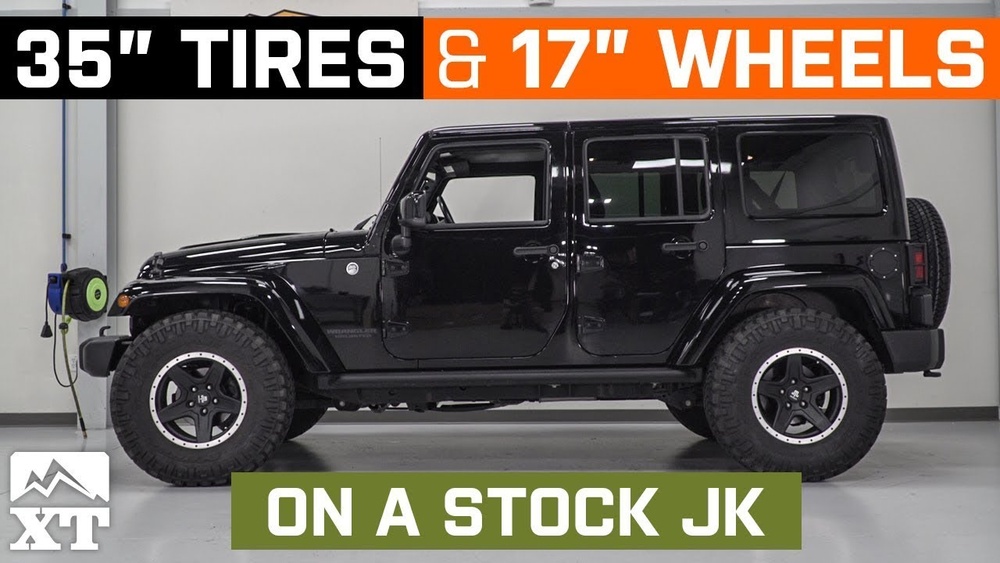
Let’s look at real examples. Most Jeep Wranglers use 17-inch wheels with a 5×114.3 mm bolt pattern. Chevy Silverados often use 17–18-inch wheels with a 6×139.7 mm bolt pattern. Even if the wheel size is the same, the bolt pattern is different.
Some older Jeep models (like Cherokee XJ) use 5×4. 5 inch bolt patterns.
Chevy trucks, even older ones, mostly use 6-lug or 8-lug patterns. Very few wheels are interchangeable without adapters.
Using Wheel Adapters
If you really want to use Jeep wheels on a Chevy truck, you can try wheel adapters. These are special plates that bolt to your hub and let you attach wheels with a different bolt pattern. They cost around $100–$200 per set.
But there are risks:
- Safety: Adapters add extra parts to your wheel assembly. Cheap or badly installed adapters can fail.
- Legal issues: Some states don’t allow certain adapters for road use.
- Performance: Adapters change the offset and can affect handling.
Most experts recommend only using adapters for show vehicles, not daily drivers. If you do use them, always buy high-quality, hub-centric adapters.
Real-world Examples
Let’s look at some real numbers. According to CARiD, the 2022 Jeep Wrangler uses:
- 5×127 mm bolt pattern
- 71.5 mm center bore
The 2022 Chevy Silverado uses:
- 6×139.7 mm bolt pattern
- 78.1 mm center bore
Even the center bore is larger on the Chevy, so the Jeep wheel wouldn’t fit snugly. Using mismatched wheels can cause vibrations, damage, or even accidents.
Why Wheel Fitment Matters
Wheels are more than style. Wrong fitment can cause:
- Unsafe driving
- Poor handling
- Uneven tire wear
- Suspension damage
It’s not just about the bolts. The whole system must match for safety.
Non-obvious Insights For Beginners
- Lug nut style: Chevy trucks often use conical lug nuts, while some Jeeps use flat or mag style. Even if the bolt pattern matches, the lug nut seat may be wrong.
- Brake clearance: Some Jeep wheels are designed for smaller brakes. Chevy trucks may have larger brake calipers that won’t clear Jeep wheels.
Many people only check bolt patterns, but these details can make a big difference.
What To Do If You Want New Wheels
If you really want to change wheels, consider these options:
- Buy aftermarket wheels made for Chevy trucks. Many brands offer styles inspired by Jeep wheels.
- Use adapters only if you understand the risks.
- Always test-fit a wheel before buying a full set.
- Check with a local shop for advice.
Frequently Asked Questions
Can I Use Jeep Wheels On Any Chevy Truck?
No, most Jeep wheels do not fit Chevy trucks due to different bolt patterns and center bore sizes. You need adapters, but these are not always safe.
Are Wheel Adapters Safe For Daily Driving?
Wheel adapters can work, but they add risk. Always use hub-centric, high-quality adapters and check them regularly. Cheap adapters may fail.
What Happens If I Use The Wrong Offset?
Using the wrong offset can make your wheels stick out too far or rub on the suspension. This can cause poor handling or damage to your truck.
Can Tire Shops Help With Wheel Fitment?
Yes, a good tire shop can check fitment for you. They can measure the bolt pattern, center bore, and offset to see if wheels will fit.
Are There Any Jeep Wheels That Fit Chevy Trucks Without Adapters?
Very few. Most Chevy trucks use 6-lug or 8-lug patterns, while most Jeeps use 5-lug patterns. Always check the numbers before buying.
Every truck owner wants their ride to stand out, but mixing Jeep and Chevy wheels is rarely simple. Always check the details, or you could face expensive problems down the road.
If you’re unsure, seek expert advice. Wheel fitment is more than looks it’s about safety and performance.