When you want to swap wheels between different vehicles, things can get confusing quickly. Many car owners wonder: Will Jeep 5×5 fit Chevy 5×5? While at first glance the answer might seem simple, there are important details that make a big difference. Let’s explore the truth behind these two popular bolt patterns, what really matters when swapping wheels, and the 5 key factors you must check before mixing Jeep and Chevy wheels.
Understanding Bolt Patterns: Jeep 5×5 Vs Chevy 5×5
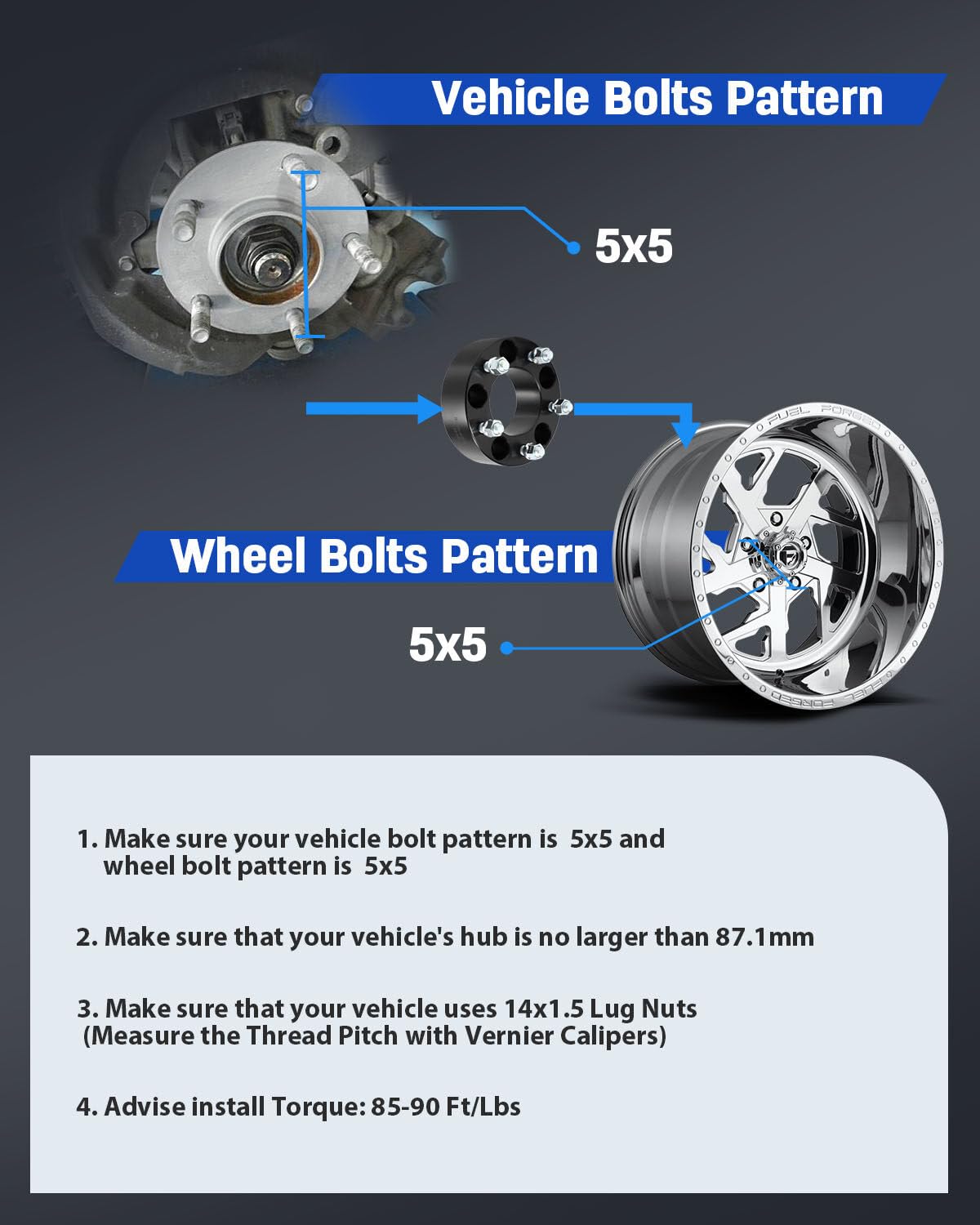
A bolt pattern is how the lug nuts are arranged on a wheel. Both Jeep and Chevy use a 5×5 bolt pattern on certain models. This means there are 5 lug nuts, and the circle they form is 5 inches in diameter. However, just sharing a bolt pattern doesn’t mean the wheels will fit perfectly.
Here’s a quick comparison to help you see the basics:
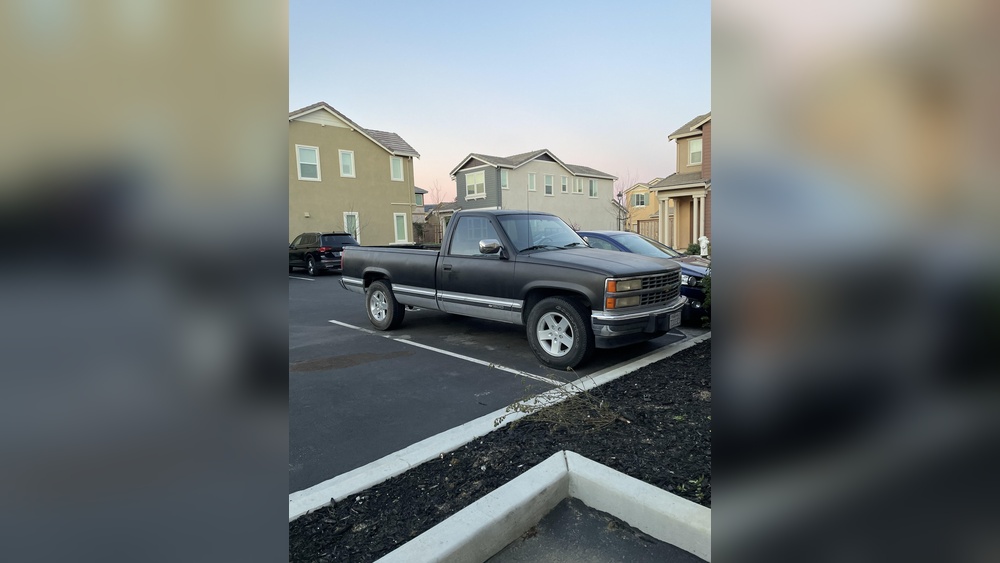
| Brand | Common Bolt Pattern | Typical Models |
|---|---|---|
| Jeep | 5×5 | Wrangler JL, Grand Cherokee |
| Chevy | 5×5 | Silverado 1500, Tahoe (older models) |
Now, let’s look at the 5 critical items that decide if a Jeep 5×5 will fit a Chevy 5×5.
1. Center Bore Size
The center bore is the hole in the middle of the wheel that fits over the hub. If the bore is too small, the wheel won’t go on. If it’s too big, you might get vibration.
- Jeep’s typical center bore is 71.5mm
- Chevy’s is usually 78.1mm (for many trucks/SUVs)
This means a Jeep wheel will not fit snugly on a Chevy hub because the bore is smaller. Chevy wheels might fit on a Jeep, but you risk misalignment unless you use hub-centric rings. Always measure your hub and wheel before swapping.
2. Offset And Backspacing
Offset is how far the wheel’s mounting surface sits from the center of the wheel. Backspacing is the distance from the mounting surface to the back edge of the wheel.
- Jeep wheels often have a medium to high offset
- Chevy trucks usually use lower offset wheels
If you install wheels with the wrong offset, your tires could rub against the suspension or stick out past the fenders. This can affect handling and make your vehicle unsafe.
Always compare the offset of both wheels before swapping.
Here’s a basic offset comparison:
| Brand | Typical Offset (mm) | Effect |
|---|---|---|
| Jeep 5×5 | +25 to +44 | Wheels sit further in |
| Chevy 5×5 | 0 to +28 | Wheels sit further out |
3. Wheel Stud Size And Lug Nut Type
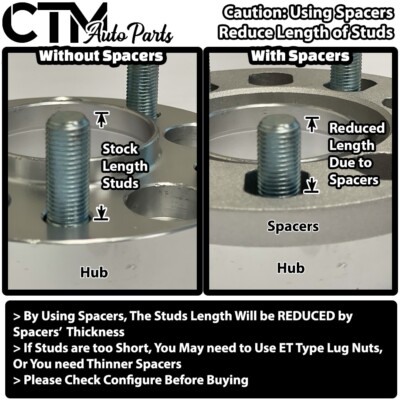
Even if the bolt pattern matches, the stud size and lug nut shape might not.
- Jeep commonly uses 1/2” x 20 studs
- Chevy often uses 14mm x 1.5 studs
Lug nuts come in different shapes: acorn, flat, and mag. Using the wrong lug nut for your wheel can be dangerous. Always match the lug nut to the wheel and stud, not just the bolt pattern.
4. Brake Caliper Clearance
Brake calipers need enough space behind the wheel. Some Jeep wheels are designed for smaller calipers, while Chevy trucks may have larger brakes especially on newer models.
If the wheel barrel is too small, it might hit the caliper. This is not just annoying—it’s unsafe. Always test-fit a wheel and spin it before installing all the lug nuts.
5. Load Rating And Strength
Jeep and Chevy trucks are built for different weights. The load rating tells you how much weight a wheel can safely carry.
- Jeep wheels are strong, but some are made for off-roading, not heavy towing.
- Chevy wheels, especially on trucks, may have a higher load rating.
Using a wheel with a lower load rating than your Chevy requires can lead to cracks or failures. Always check the wheel’s load rating and compare it to your vehicle’s specs.
Real-world Example
A Jeep Wrangler JL owner tried to put his old wheels on a Chevy Silverado 1500. The bolt pattern was the same, but the Jeep’s center bore was too small for the Chevy’s hub.
Even if he had used a grinder to enlarge the hole (which is not safe), the offset would have caused the tires to rub.
This is why it’s important to check all five fitment factors, not just the bolt pattern.
Data: Popular Models With 5×5
Let’s see which models use the 5×5 pattern:
| Vehicle | Years | 5×5 Fitment |
|---|---|---|
| Jeep Wrangler JL | 2018-present | Yes |
| Chevy Silverado 1500 | 1999-2018 | Yes |
| Chevy Tahoe | 2000-2020 | Yes |
| Jeep Grand Cherokee | 2011-present | Yes |
Extra Insights Most People Miss
- Wheel material matters: Some aftermarket alloy wheels for Jeeps are not designed for the heavier loads of Chevy trucks.
- TPMS compatibility: Tire Pressure Monitoring Systems can be different between Jeep and Chevy, making the dash warning lights stay on if swapped.
Confident Guidance
If you want to use Jeep 5×5 wheels on a Chevy 5×5 (or vice versa), always check:
- Center bore size
- Offset
- Lug nut style and size
- Brake clearance
- Load rating
When in doubt, visit a tire shop or use an online fitment guide like Wheel-Size.com for exact specs.
Mixing wheels without checking these factors can be unsafe, cause vibrations, or damage your vehicle.
Frequently Asked Questions
Can I Put Jeep 5×5 Wheels Directly On A Chevy 5×5?
Usually, no. The center bore is smaller on Jeep wheels, so they won’t fit over the Chevy hub. Offset and other factors also matter.
Can I Use Hub-centric Rings To Fit Jeep Wheels On A Chevy?
No, hub-centric rings only reduce the bore size. You can’t make a small bore larger safely.
You would need to machine the wheel, which is not recommended.
Will The Lug Nuts From My Jeep Fit On My Chevy?
Not always. The thread size and seat type are often different.
Always use the correct lug nuts for your vehicle and wheels.
What Happens If I Use Wheels With The Wrong Offset?
You can get tire rubbing, poor handling, or even suspension damage. Always match or get as close as possible to your vehicle’s stock offset.
Are There Aftermarket Wheels That Fit Both Jeep And Chevy 5×5?
Yes, some brands make multi-fit wheels with large center bores and the right offsets. But always check all fitment specs, not just the bolt pattern.
Swapping wheels might seem simple, but true fitment is about more than just matching numbers. Do your homework and always double-check all five factors for a safe and smooth ride.