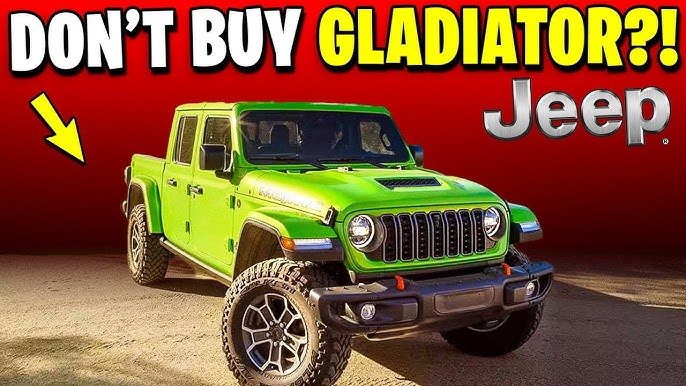
Buying a car is a big decision, and for many, the idea of owning a Jeep is exciting. These vehicles have a strong reputation for adventure, off-road ability, and unique style.
But before you decide, it’s smart to look beyond the brand’s cool image. There are reasons why a Jeep might not be the best choice for you.
In this article, you’ll find clear, honest insights about the downsides of Jeep ownership—backed by real data and comparisons to other vehicles.
High Ownership Costs
Jeep vehicles often come with higher price tags compared to similar SUVs. But that’s just the start. The cost of keeping a Jeep running smoothly can surprise many buyers.
| Expense Type | Jeep Wrangler | Honda CR-V | Toyota RAV4 |
|---|---|---|---|
| Average Annual Maintenance | $694 | $407 | $429 |
| Average Insurance Cost | $1,280 | $1,100 | $1,160 |
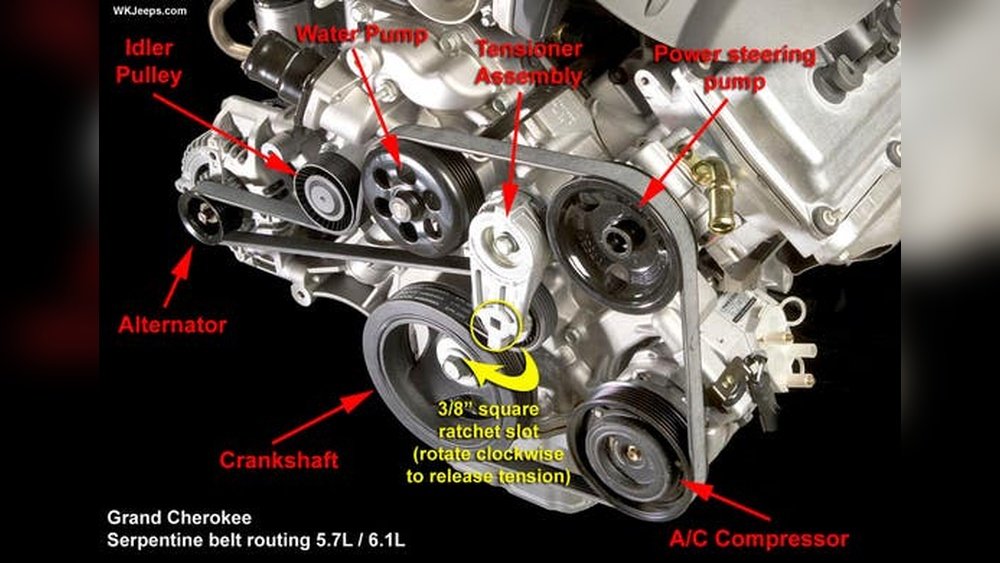
Parts and repairs for Jeeps are often more expensive due to their unique engineering. For example, a simple repair like replacing a water pump can cost over $500, while the same job on a Toyota or Honda is usually much less.
Reliability Concerns
Jeeps are well-known for their off-road strength, but they are not famous for being reliable. Consumer Reports and J.D. Power often rank Jeep models below average for long-term dependability.
- Frequent repairs: Owners report issues with electrical systems, suspension, and transmission.
- Check engine lights: These appear more often in Jeeps than in many other SUVs.
- Shorter lifespan: Jeeps often require major repairs before reaching 150,000 miles, while many Toyotas and Hondas last well beyond 200,000 miles with basic care.
Real-world example: The 2022 Jeep Cherokee received a predicted reliability score of 2 out of 5 from Consumer Reports—well below the industry average.
Poor Fuel Efficiency
If saving money on gas is important to you, a Jeep may not be your best option. Most Jeep models have lower fuel economy than other compact or midsize SUVs.
| Model | City MPG | Highway MPG |
|---|---|---|
| Jeep Wrangler | 17 | 25 |
| Honda CR-V | 28 | 34 |
| Toyota RAV4 | 27 | 35 |
This means you’ll spend much more on fuel over the years. For someone driving 12,000 miles a year, the difference can add up to hundreds of dollars annually.
Comfort And Daily Driving
Jeeps are designed with adventure in mind. But for everyday use, they often feel less comfortable than their competitors.
- Stiff suspension: The ride can be bumpy, especially on city streets.
- Noisy cabin: Road and wind noise are common, making long drives less pleasant.
- Limited cargo space: Despite their size, many Jeep models have less usable storage than you’d expect.
For example, the Jeep Wrangler has only 31. 7 cubic feet of cargo space, while the Honda CR-V offers 39.
2 cubic feet enough to make a difference for families or anyone who carries a lot of gear.
Technology And Safety Issues
Modern cars are full of advanced features, but Jeeps sometimes lag behind in technology and safety ratings.
- Fewer standard features: Many tech options cost extra on Jeeps, while competitors include them as standard.
- Lower safety scores: Certain Jeep models, like the Wrangler, have received lower crash test scores compared to other SUVs.
- Outdated infotainment: The user experience can feel old-fashioned compared to Honda or Toyota’s systems.
| Model | IIHS Crash Test Rating | Standard Safety Features |
|---|---|---|
| Jeep Wrangler | Marginal | Few |
| Toyota RAV4 | Good | Many |
| Honda CR-V | Good | Many |
It’s also important to know that some safety features, like automatic emergency braking, are not standard in many Jeep models.
Resale Value Drops Quickly
Jeeps lose their value faster than some buyers expect. While special editions or well-kept Wranglers can do well, most Jeep models have higher depreciation rates compared to other SUVs.
- After 3 years, a Jeep Grand Cherokee loses about 40% of its value.
- A Toyota 4Runner, by comparison, loses about 30% in the same time.
This means you’ll get less money back if you decide to sell or trade in your Jeep.
Not For Everyone’s Lifestyle
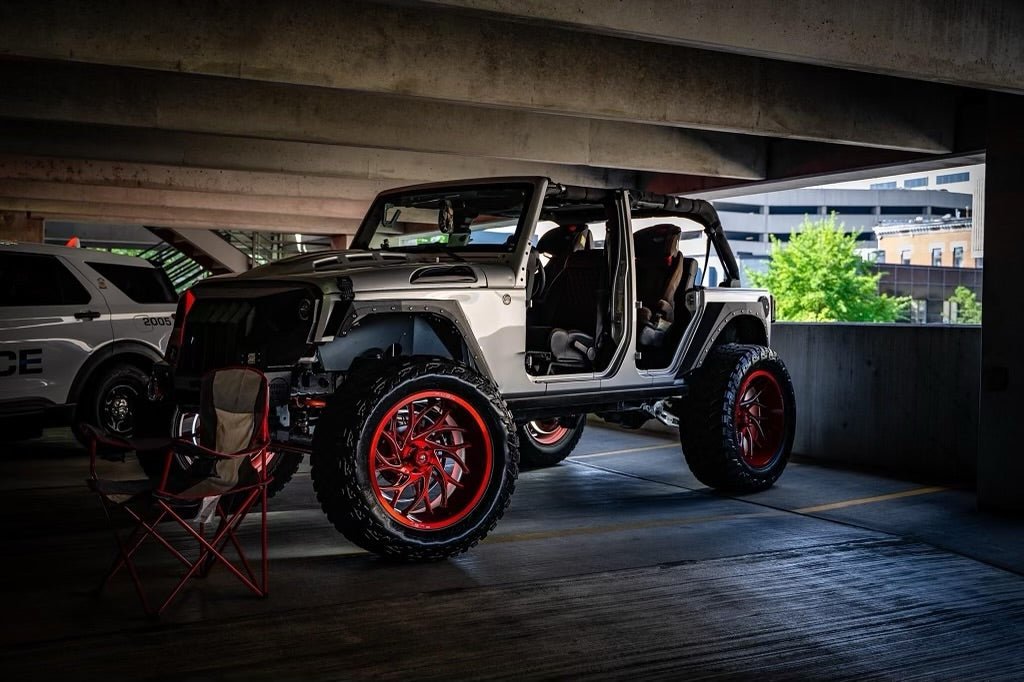
Many people buy a Jeep for its image or off-road promise. But the truth is, most owners rarely take their vehicles off the pavement.
If you mostly drive in the city or on highways, you won’t use the features that make Jeeps special.
In fact, you’ll pay more for abilities you may never need.
Beginners often miss this: Buying a car for its looks or status can lead to disappointment when daily comfort, efficiency, and costs don’t match your needs.
Surprising Insights Most Buyers Miss
- Insurance costs are higher not only due to the car’s value, but also because Jeeps are stolen more often and repairs after crashes are expensive.
- Customization and modifications are popular, but they can void your warranty and increase repair costs—something dealers may not always explain clearly.
Final Thoughts
Jeeps are iconic and fun, but they come with real drawbacks—high costs, lower reliability, and less comfort for daily life. For most drivers, other SUVs offer better value, safety, and satisfaction. Think carefully about your needs before making a decision. If off-road adventures aren’t your regular activity, you might be happier with a different vehicle.
For more details on vehicle reliability, you can visit Consumer Reports.
Frequently Asked Questions
Is A Jeep A Good Daily Driver?
Jeeps can be used daily, but they tend to be less comfortable and use more fuel than other SUVs. If you drive mostly in the city, you may notice a rougher ride and higher costs.
Are Jeeps Expensive To Maintain?
Yes, Jeep vehicles usually have higher repair and maintenance costs compared to similar SUVs. Parts and labor can be more expensive, especially after the warranty ends.
Do Jeeps Hold Their Value?
Some Jeep models, like the Wrangler, hold value well. Most others, such as the Cherokee or Compass, lose value faster than competitors like Toyota or Honda.
Are Jeeps Safe?
Jeep safety ratings vary. Some models receive lower crash test scores and have fewer standard safety features.
It’s important to check ratings for the specific model you’re considering.
What’s The Main Reason To Avoid Buying A Jeep?
The main reason is total cost of ownership. High purchase price, maintenance, and insurance make Jeeps more expensive over time, especially if you don’t need their off-road abilities.