Finding a wet floorboard in your Jeep can be frustrating, especially if you’re unsure what’s causing the problem. Many Jeep owners deal with this issue, and it’s not always easy to figure out why it’s happening.
While some causes are simple to fix, others need immediate attention.
Ignoring water in your Jeep’s floorboard can lead to mold, rust, and electrical problems. Let’s look at the most common reasons for this problem, how to diagnose it, and what you can do to keep your Jeep’s interior dry.
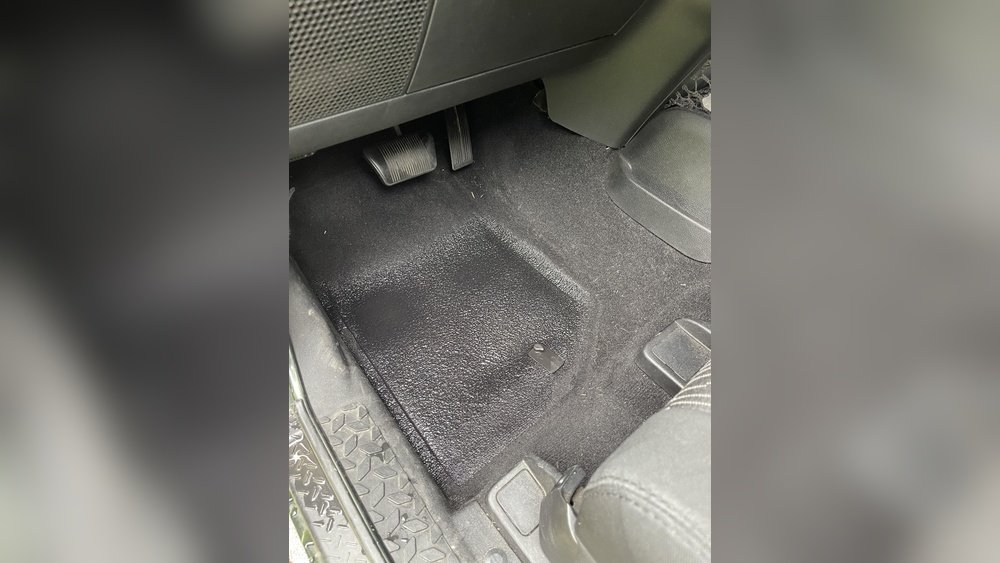
Common Causes Of A Wet Floorboard In Your Jeep
Several issues can make your Jeep’s floorboard wet. Here are the most frequent ones:
1. Faulty Door Or Window Seals
The rubber seals around your doors and windows keep water out. Over time, these seals can crack or lose their shape.
- Even a small gap lets rainwater drip inside.
- Sun damage or old age is a common reason for failure.
- Jeeps used off-road often see seals wear out faster.
Check for cracked or missing rubber. If you spot water stains near doors or windows, bad seals are likely to blame.
2. Blocked Or Disconnected Drain Plugs
Many Jeeps have drain plugs in the floor. They let you wash out mud and water after off-roading. But if a plug is missing or not sealed, water can splash inside during rain.
- Sometimes, plugs get knocked loose.
- Dirt can also block these drains, causing water to pool.
Always check the condition and fit of your drain plugs, especially after a trail ride.
3. Clogged Hvac (air Conditioning) Drain
When you use your air conditioning, it creates condensation. This water exits through a small drain tube under your Jeep. If the tube clogs, water backs up and soaks your carpet.
- Signs: Wet floor after using AC, but not after rain.
- Fix: Clear the drain tube with compressed air or a pipe cleaner.
This is a hidden issue many Jeep owners miss, especially in summer.
4. Leaking Heater Core
Your Jeep’s heater core is like a small radiator. It carries hot coolant for your heater. If it leaks, you’ll find a wet floor, usually on the passenger side.
- The water may feel oily or smell sweet.
- You might notice foggy windows or a low coolant level.
A leaking heater core needs repair right away to avoid bigger engine problems.
5. Windshield Or Hard Top Leaks
Jeeps with removable tops or windshields sometimes develop leaks.
- Look for water trails on the inside of the windshield or near the roof edges.
- Hardtop seals and windshield gaskets can shrink or move, especially after removal or rough driving.
This problem is common on Wrangler models, especially after installing or removing the top.
6. Body Or Frame Rust
Rust holes in the Jeep’s body or floor can let water enter. This usually happens in older Jeeps or those exposed to road salt.
- Check under the carpet for rust spots.
- Water can enter from below, especially after driving through puddles.
Early detection is key to avoiding expensive rust repairs.
How To Diagnose The Source
Finding the leak’s origin can save you time and money. Here’s how to track it down:
- Check after rain and after AC use: If the floor gets wet only after rain, suspect seals or roof leaks. If it happens after using the AC, check the drain tube.
- Use baby powder: Sprinkle powder around doors or footwells before spraying the car with water. The powder will show water trails.
- Inspect under the Jeep: Look for missing or loose drain plugs, or rust holes.
- Smell the carpet: Coolant leaks have a sweet smell. Rainwater leaks usually do not.
This simple process can help you narrow down the problem before making repairs.
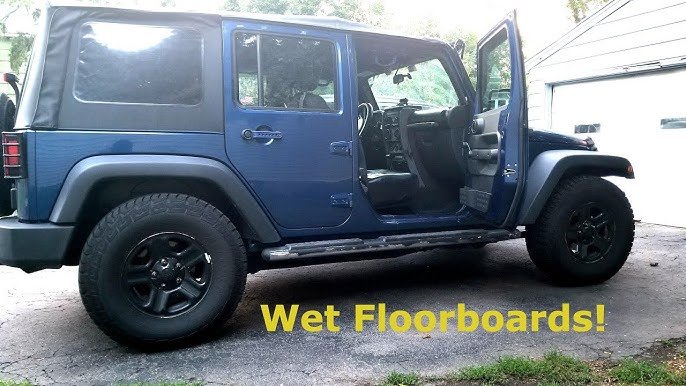
Table: Common Jeep Models And Leak Issues
Below is a comparison of how floorboard leaks usually appear in different Jeep models.
| Jeep Model | Frequent Leak Source | Typical Location |
|---|---|---|
| Wrangler (JK/JL) | Roof seals, drain plugs | Front & rear footwells |
| Grand Cherokee | Door seals, HVAC drain | Front passenger side |
| Cherokee | Heater core, door seals | Front passenger side |
| Renegade | Sunroof drains | Front & rear footwells |
How To Fix And Prevent Wet Floorboards
The right solution depends on the cause. Here’s what you can do:
Replace Or Reseal Door And Window Seals
- Buy new seals for your Jeep’s year and model.
- Clean the area before installing new rubber.
- Use weatherproof adhesive for best results.
Clean And Check Drain Plugs
- Remove the plugs and wash them.
- Make sure they fit tightly back into place.
- Replace damaged plugs with OEM or high-quality aftermarket ones.
Unclog Hvac Drain Tube
- Locate the drain tube under the Jeep, near the firewall.
- Use compressed air to blow out blockages.
- Make sure water can drip freely when the AC is running.
Repair Or Replace Heater Core
- This is a bigger job, often best left to a mechanic.
- If you try it yourself, make sure to drain the coolant and follow repair guides closely.
Seal Windshield And Roof Leaks
- Check roof latches and seals for proper fit.
- Apply silicone sealant to small cracks.
- For big leaks, you may need to replace the gasket or have a professional reseal it.
Address Rust Problems
- Remove carpets and check for rust.
- Clean and treat small rust spots with rust converter.
- Patch large holes with metal or body filler.
Regular checks after off-roading and after heavy rain can help you spot issues early.

Table: Quick Troubleshooting Guide
This guide helps match symptoms with possible causes.
| Symptom | Likely Cause | Check First |
|---|---|---|
| Wet after rain | Door/window seals, roof leaks | Inspect seals, top edges |
| Wet after AC use | Clogged HVAC drain | Clear drain tube |
| Oily or sweet smell | Heater core leak | Check coolant, heater core |
| Wet only after deep water | Drain plugs, rust holes | Look under carpet, underbody |
When To See A Professional
Some fixes are simple, but others need a mechanic’s help. If you’re unsure or keep finding water, get your Jeep checked by a trusted shop. Water can damage your Jeep’s electrical system and cause mold, which can be expensive to fix if ignored.
For more tips on car water leaks, see this Wikipedia guide.
Frequently Asked Questions
Why Does My Jeep Smell Musty Inside?
A musty smell often means mold or mildew under the carpet from trapped water. Dry the area completely and fix the leak to remove the odor.
Can A Wet Floorboard Damage My Jeep’s Electronics?
Yes. Many wires and modules run under the carpet. Water can cause short circuits and corrosion over time.
Is It Safe To Drive With A Wet Floorboard?
Short-term, it’s usually safe. But long-term exposure can cause mold, rust, and electrical issues. Always fix leaks as soon as possible.
How Long Does It Take For Mold To Grow In A Wet Jeep?
Mold can start forming within 24–48 hours if water isn’t removed. Quick drying and cleaning are important.
Should I Remove The Carpet If My Jeep’s Floorboard Is Wet?
Yes, if it’s soaked. Removing the carpet lets you dry the floor and prevent rust or mold.
A wet floorboard is a warning sign. With quick action and a little detective work, you can keep your Jeep’s interior dry and protect your investment for years.