Many Jeep owners notice their engine sounds louder than other vehicles. Sometimes, the noise is normal for a Jeep.
Other times, it signals a problem. If your Jeep engine is making more noise, you might wonder if something’s wrong, or if all Jeeps are just loud.
Let’s explore the reasons behind a loud Jeep engine, what’s normal, and what needs attention. This guide is designed for Jeep drivers who want clear answers and practical advice.
Common Reasons Your Jeep Engine Is Loud
Jeep engines are built for power and durability. These vehicles are designed for off-roading, which means their engines are often larger and stronger.
But several factors can make your engine sound louder than it should.
Engine Design And Jeep Models
Some Jeeps are naturally loud because of their engine design. For example, the Jeep Wrangler uses a V6 or inline-4 engine, both known for a deep rumble. Older Jeep models often have less insulation, so you hear more engine noise.
| Jeep Model | Engine Type | Average Engine Noise (dB) |
|---|---|---|
| Wrangler | V6 | 74 |
| Cherokee | Inline-4 | 70 |
| Grand Cherokee | V8 | 77 |
Notice that models with bigger engines are generally louder. If you own a Grand Cherokee with a V8, it’s normal to hear more noise.
Exhaust System Issues
The exhaust system carries gases away from the engine. If there’s a leak or damage, noise increases fast. Listen for:
- Hissing or popping sounds
- Rumbling under the car
- Noise increasing when you accelerate
A broken muffler or exhaust manifold is a common cause. Replacing these parts can reduce noise.
Air Intake And Filters
Your Jeep’s air intake system helps the engine breathe. If the air filter is dirty or the intake is loose, you’ll hear more noise. A whistling or whooshing sound often means the filter needs changing.
Engine Mounts
Engine mounts keep the engine stable. If they break or wear out, the engine vibrates and makes louder sounds, especially when starting or stopping.
This is often missed by beginners because mounts are hidden and don’t show visible damage.
Oil Level And Engine Maintenance
Low oil makes the engine work harder, increasing noise. Regular oil changes keep things smooth.
If the oil is old or dirty, parts rub together and get noisy.
Aftermarket Modifications
Some Jeep owners install aftermarket exhausts or performance parts. These upgrades often make the engine louder on purpose. If you bought a used Jeep, check for modifications.
Jeep Engine Noise: What’s Normal?
Jeep engines are not as quiet as sedans or small SUVs. Their design favors strength over silence. But how loud is too loud?
| Noise Source | Normal? | Action Needed? |
|---|---|---|
| Deep engine rumble | Yes | No |
| Sharp knocking | No | Check engine |
| Whistling from intake | No | Check air filter |
| Loud exhaust roar | No | Inspect exhaust |
If your Jeep produces steady rumble or mild vibration, it’s usually fine. Sudden loud noises, knocking, or hissing need attention.

Diagnosing And Fixing Loud Engine Problems
If you suspect your engine noise is abnormal, follow these steps:
- Check the oil level. Make sure it’s full and clean.
- Inspect air filter. Replace if dirty.
- Listen to exhaust. Check for leaks or damage.
- Check engine mounts. Look for extra vibration.
- Look for modifications. Aftermarket parts can increase noise.
If you can’t find the problem, visit a mechanic. They can use sound meters and diagnostic tools to pinpoint the issue.
Non-obvious Tips
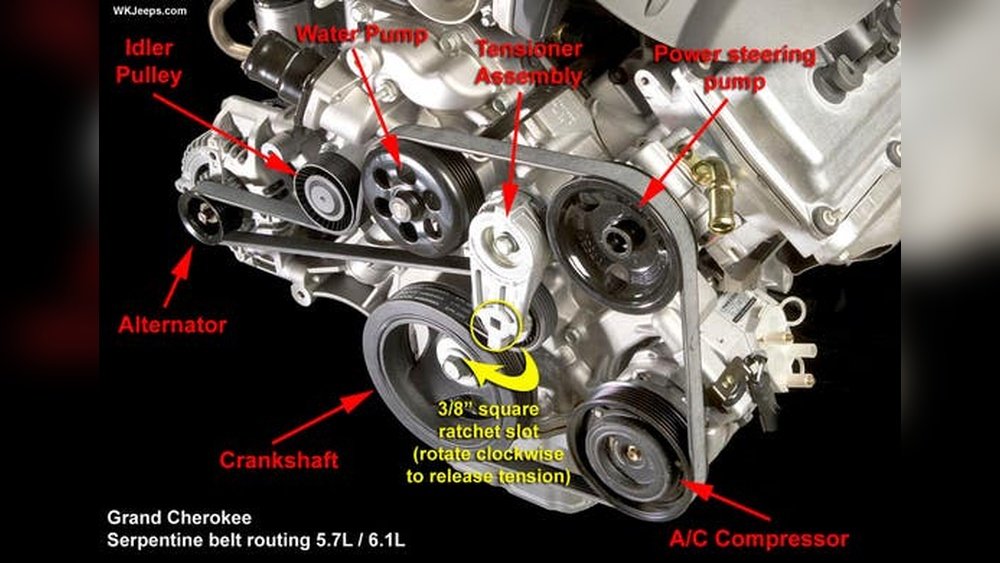
- Many beginners overlook the serpentine belt. A worn belt makes a squealing noise, which can be mistaken for engine trouble.
- Tire type affects cabin noise. Off-road tires are louder and can make engine sounds seem worse inside the Jeep.
When Should You Worry About Engine Noise?
Some sounds are harmless, but others indicate trouble. Knocking, metal clanging, or excessive vibration are serious. These noises can mean:
- Engine misfire
- Loose internal parts
- Exhaust leak
- Bad bearings
If you hear these, get your Jeep checked soon. Ignoring loud noises can lead to bigger, expensive repairs.

How To Reduce Jeep Engine Noise
You can make your Jeep quieter with a few practical steps:
- Change air filter regularly
- Use high-quality oil
- Check for exhaust leaks
- Replace engine mounts if worn
- Add sound insulation to the cabin
Some owners install extra insulation on doors and floors. This doesn’t fix engine problems, but it makes driving more comfortable.
Frequently Asked Questions
Why Do Jeeps Sound Louder Than Other Cars?
Jeeps are built for off-road use, with tough engines and less insulation. Their engine design produces more noise, especially in models like the Wrangler and Grand Cherokee.
Can A Loud Engine Damage My Jeep?
Yes, if the noise comes from problems like exhaust leaks or worn engine parts. Long-term loud noises can lead to engine failure. If the noise is normal rumble, it won’t harm your Jeep.
What Does A Knocking Sound Mean?
Knocking usually means there’s a problem inside the engine, such as bad bearings or a misfire. It’s not normal and should be checked by a mechanic soon.
How Can I Check For Exhaust Leaks?
Listen for hissing or roaring noises under the car, especially when accelerating. You can also look for visible damage or feel for air escaping near the exhaust system.
Are Aftermarket Exhausts Always Louder?
Most aftermarket exhausts are designed to boost engine sound and performance. If your Jeep has one, the engine will sound louder than stock. Always check if modifications are legal in your area.
Your Jeep’s engine is louder for a reason—sometimes it’s the design, sometimes it’s a warning sign. Understanding the cause helps you stay safe and enjoy your ride. For deeper technical info, visit Consumer Reports. Don’t ignore unusual noises; regular checks keep your Jeep strong and reliable.