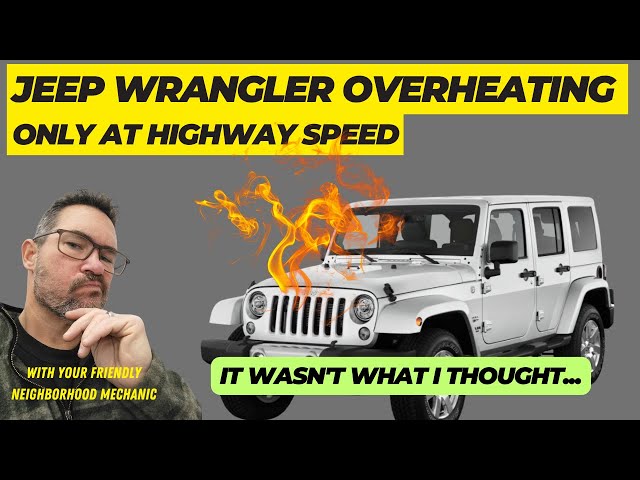
If your Jeep Wrangler keeps overheating, it’s more than just an inconvenience—it can lead to engine damage and expensive repairs. Many Jeep owners face this issue, especially with older models or after driving in tough conditions. Overheating isn’t always easy to diagnose, but understanding the root causes can help you fix the problem and prevent it from happening again. Let’s break down the most common reasons, warning signs, and practical solutions, using real data and examples.
Common Causes Of Jeep Wrangler Overheating
Cooling System Leaks
A leak in the cooling system is one of the top reasons for overheating. If coolant escapes, the engine can’t stay at a safe temperature. Wranglers often develop leaks at the radiator, hoses, or water pump.
- Radiator leaks: Even small cracks can cause gradual coolant loss.
- Hose leaks: Aging hoses may split or loosen at their connections.
- Water pump leaks: If you see coolant under your Jeep, the pump could be failing.
Faulty Thermostat
The thermostat regulates coolant flow. When it fails (often stuck closed), coolant can’t circulate, and the engine overheats. Many owners report thermostat issues between 60,000–100,000 miles.

Clogged Radiator
A clogged radiator slows down coolant flow. Dirt, debris, or old coolant can block passages. Wranglers used off-road are especially prone to this problem.
Broken Cooling Fans
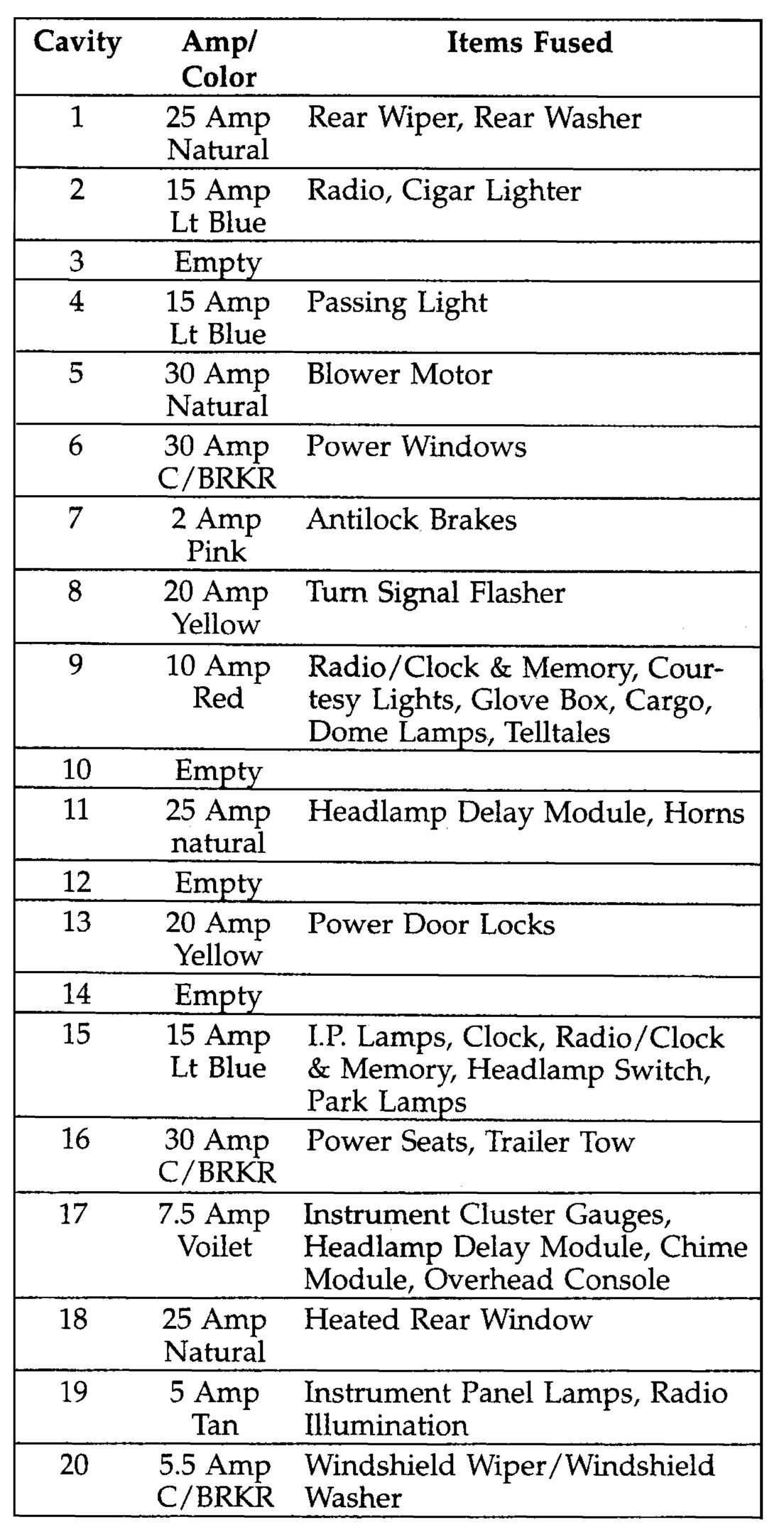
The cooling fan pulls air through the radiator to lower temperature. If the fan motor fails or the relay burns out, your Jeep will overheat, especially at idle or in traffic.
Low Coolant Levels
Coolant gradually evaporates or leaks. Without enough, the system can’t absorb engine heat. Always check levels after any overheating event.
Faulty Head Gasket
A blown head gasket lets hot gases or coolant escape. This is rare but serious, leading to rapid overheating and white smoke from the exhaust.
Warning Signs You Shouldn’t Ignore
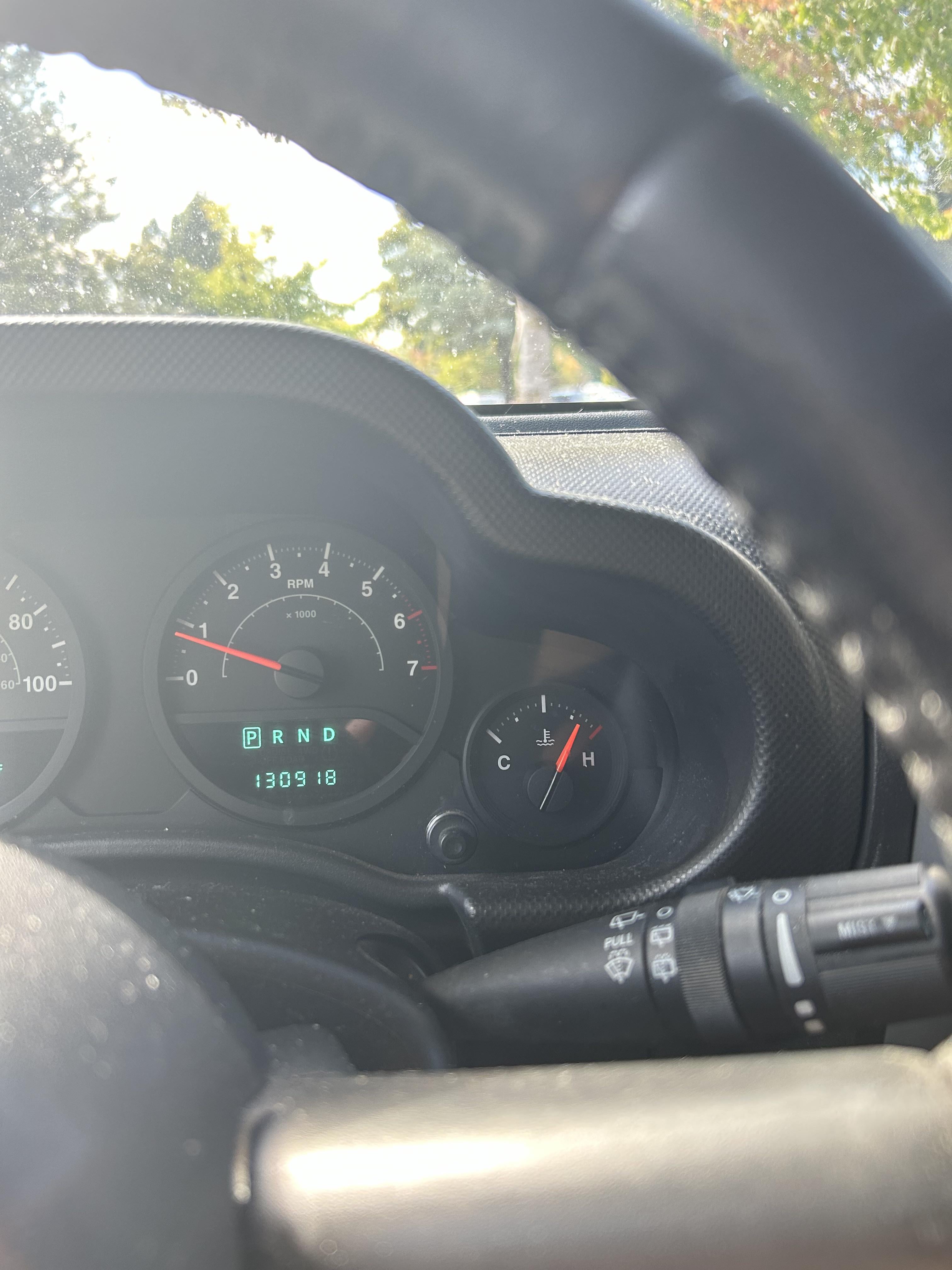
- Temperature gauge rising: If it moves above normal, pull over quickly.
- Steam from the hood: Indicates coolant boiling over.
- Sweet smell: Coolant leaks produce a distinctive odor.
- Engine warning light: Modern Wranglers alert you to overheating.
Ignoring these signs can lead to engine failure or warped cylinder heads.
How To Diagnose Overheating
Basic Steps
- Check coolant level: Look at the reservoir when the engine is cool.
- Inspect for leaks: Search for wet spots under the Jeep.
- Look at radiator fins: They should be clean and free of debris.
- Test the fan: With the engine running, see if the fan spins.
- Watch the thermostat: If hoses stay cold after warmup, it’s likely stuck.
Comparison: Common Causes Vs. Symptoms
| Cause | Typical Symptom | Easy Check |
|---|---|---|
| Cooling System Leak | Low coolant, wet spots | Look under vehicle |
| Faulty Thermostat | Cold upper hose, overheating | Touch hoses after warmup |
| Clogged Radiator | Overheats at idle | Inspect fins for blockages |
| Broken Fan | Overheats in traffic | Listen for fan noise |
Jeep Wrangler Models And Overheating Risk
Certain Wrangler models have a higher risk of overheating. Older engines, like the 4.
0L inline-six (used until 2006), are more likely to develop cooling issues than newer 3. 6L V6 engines.
| Model Year | Engine Type | Reported Overheating Frequency |
|---|---|---|
| 1997–2006 | 4.0L I6 | High |
| 2007–2011 | 3.8L V6 | Moderate |
| 2012–2023 | 3.6L V6 | Low |
Practical Solutions And Prevention Tips
Immediate Actions
If your Wrangler is overheating:
- Turn off the engine as soon as possible.
- Let it cool for at least 30 minutes before opening the hood.
- Check coolant levels and add if needed (only when cool).
Long-term Fixes
- Replace old hoses: Even if they look fine, hoses over five years old can fail.
- Flush the radiator: Do this every 40,000 miles or if coolant looks dirty.
- Change the thermostat: Use quality parts to avoid repeated failures.
- Inspect fan and relay: Replacing a faulty fan is cheaper than fixing engine damage.
Smart Maintenance Habits
- Use the correct coolant type for your Jeep.
- Check the cooling system before summer or heavy off-road trips.
- Clean radiator fins after muddy adventures.
Non-obvious tip: Many overheating cases are caused by air trapped in the cooling system after a repair. Always bleed the system to remove air pockets.
Another overlooked detail: Aftermarket bumpers and winches can block airflow. If you’ve added accessories, make sure they don’t cover the radiator.
How Overheating Can Damage Your Jeep
Repeated overheating can lead to:
- Warped cylinder heads
- Cracked engine block
- Failed head gasket
- Reduced engine life
Repairing a blown head gasket or warped head can cost $1,500 $2,500, according to AAA.

Comparison: Jeep Wrangler Vs. Other Suvs
Jeep Wranglers are more likely to overheat than many modern SUVs due to their rugged design and frequent off-road use.
| Vehicle | Overheating Risk | Main Reason |
|---|---|---|
| Jeep Wrangler | High | Off-road stress, cooling system age |
| Toyota RAV4 | Low | Modern cooling, less off-road |
| Ford Explorer | Moderate | Heavy towing, older models |
Frequently Asked Questions
Why Does My Jeep Wrangler Overheat Only When Idling?
This usually points to a broken cooling fan or clogged radiator. At idle, the fan pulls air through the radiator. If it’s not working, the engine heats up quickly.
What Coolant Should I Use In My Jeep Wrangler?
Always use HOAT (Hybrid Organic Acid Technology) coolant for most recent Wranglers. Older models may require standard green coolant. Check your owner’s manual for details.
Is It Safe To Drive If My Jeep Overheats?
No. Driving with an overheated engine can cause severe damage in minutes. Pull over, turn off the engine, and let it cool before checking anything.
How Often Should I Flush The Radiator?
Most experts suggest a radiator flush every 40,000 miles or every two years. This keeps the system clean and helps prevent overheating.
Can Accessories Cause Overheating?
Yes. Large aftermarket bumpers or winches can block airflow to the radiator. If you’ve added accessories, check that nothing covers the front cooling area.
Overheating in your Jeep Wrangler is a problem you shouldn’t ignore. With careful diagnosis and smart maintenance, you can keep your Jeep running cool—even on the toughest trails. If you want more technical details, the Jeep Wrangler Wikipedia page offers a comprehensive overview of model histories and specifications. Stay safe, and don’t let a hot engine ruin your next adventure.