If you drive a Jeep and notice it pulls to the right, you’re not alone. This is a common problem, but it can feel worrying—especially if you don’t know what’s causing it.
You might feel your steering wheel tugging, or maybe the Jeep starts drifting even when the road looks straight. While it may seem minor at first, ignoring this issue can lead to uneven tire wear, poor handling, and even safety risks.
Let’s explore why your Jeep may pull to the right, what you can do about it, and how to prevent it in the future.
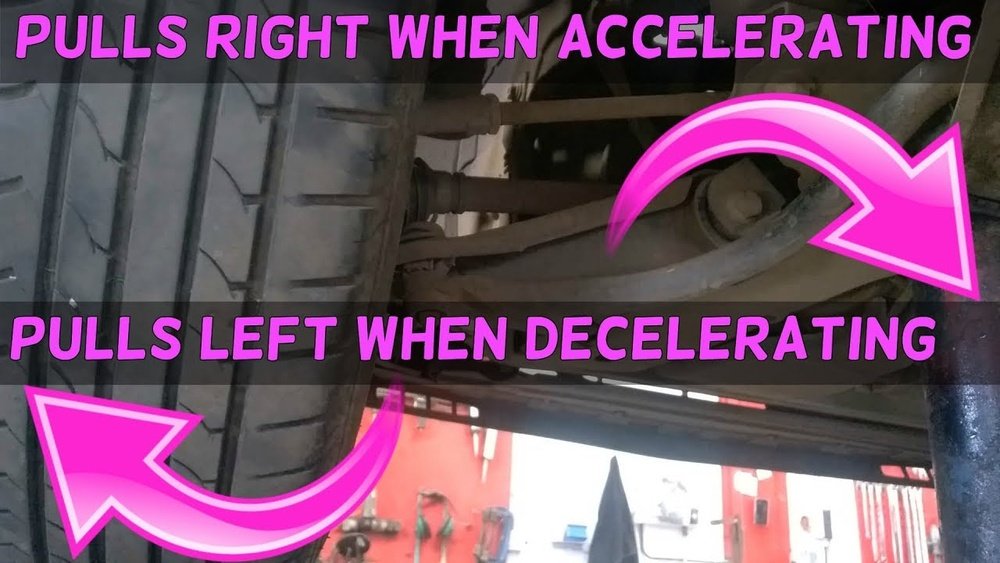
Common Causes Of Pulling To The Right
Several things can make your Jeep pull to one side. Some are simple fixes, while others need professional attention.
1. Uneven Tire Pressure
Low air pressure in one tire, especially the right front tire, can cause a pull. When there’s less air, the tire sits lower and creates more resistance.
- Always check tire pressure with a gauge, not just by looking.
- Jeep Wranglers, for example, need 35 psi (check your manual for the exact number).
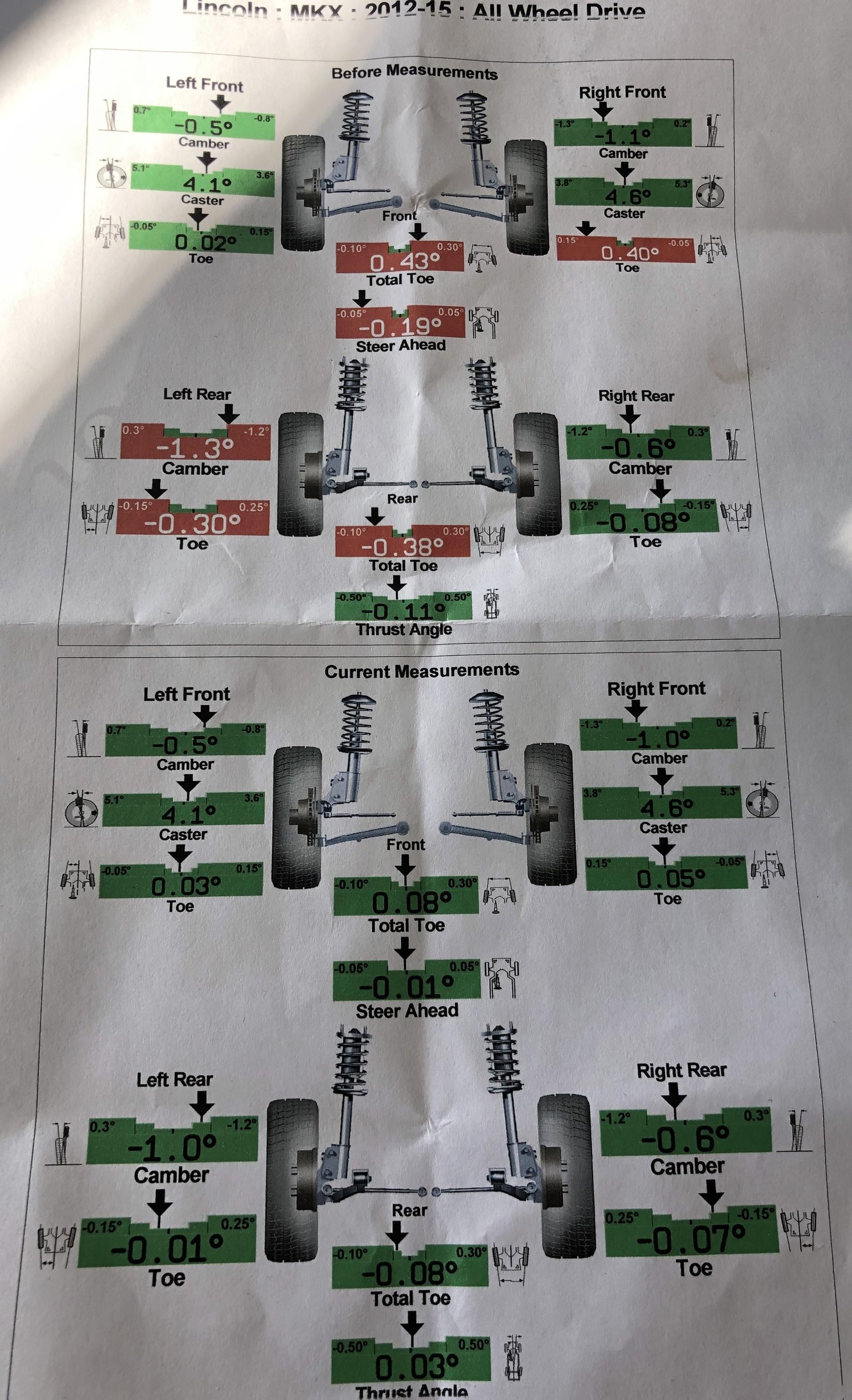
2. Wheel Alignment Issues
Wheel alignment is a frequent reason for pulling. If your Jeep’s wheels aren’t set at the correct angles, the vehicle won’t track straight.
| Symptom | Likely Alignment Problem |
|---|---|
| Pulls to right | Toe or camber out of spec |
| Steering wheel off-center | Front end misalignment |
Even small alignment problems can lead to a noticeable pull.
3. Worn Or Damaged Suspension Parts
Jeeps are built for tough terrain, but their suspension components can wear out over time. If parts like ball joints, tie rods, or control arms get loose or damaged, your steering may be affected.
- A worn part might make the Jeep drift more on rough roads.
- Off-road driving increases wear.
4. Brake Problems
A stuck or dragging brake caliper on the right side can cause your Jeep to pull when braking or even when driving straight. Heat and friction can cause the caliper to stick, especially after heavy use.
5. Tire Wear Or Defects
Uneven or unusual tire wear can make your Jeep drift. Sometimes, a tire develops a defect inside (like a broken belt) that’s hard to see but causes pulling.
- Swap the front tires left-to-right; if the pull changes sides, it’s likely a tire issue.
6. Road Conditions And Crown
Not all pulling comes from your Jeep. Most roads are built with a crown (a slight slope to allow water to run off). On highly crowned roads, it’s normal for vehicles to drift a bit right.
But if your Jeep pulls on all roads, the problem is probably mechanical.
Diagnosing The Problem
Finding out why your Jeep pulls to the right takes a little detective work. Here’s a simple approach:
- Check tire pressures first. Make sure all four match your Jeep’s recommended levels.
- Inspect tires for uneven wear or visible damage. Look for bald spots, bulges, or cuts.
- Test on different roads. If the pull only happens on certain roads, it may be road crown.
- Swap front tires left and right. If the pull switches, the tire is likely the cause.
- Brake test. Does your Jeep pull more when braking? If yes, you may have a sticky brake caliper.
- Look for odd noises or a loose steering feel. This could point to worn suspension parts.
Fixing Your Jeep’s Pull
Once you know the likely cause, you can decide what to do next.
| Problem | DIY Fix | When to See a Mechanic |
|---|---|---|
| Low tire pressure | Inflate tires evenly | If tires won’t hold air |
| Minor alignment | Rarely a DIY job | Professional alignment needed |
| Brake caliper | Clean or replace if skilled | Persistent pull or grinding noise |
| Suspension wear | Visual inspection | Any looseness or damage |
Important: Alignment and suspension work are best left to pros unless you have experience and tools.
Preventing Future Steering Pulls
After fixing your Jeep, a few habits can keep it driving straight:
- Check tire pressure monthly and before long trips.
- Rotate tires every 5,000–7,000 miles.
- Get an alignment check after hitting potholes or off-roading.
- Watch for changes in steering feel or new noises.
A regular checkup can catch small problems before they become expensive repairs.
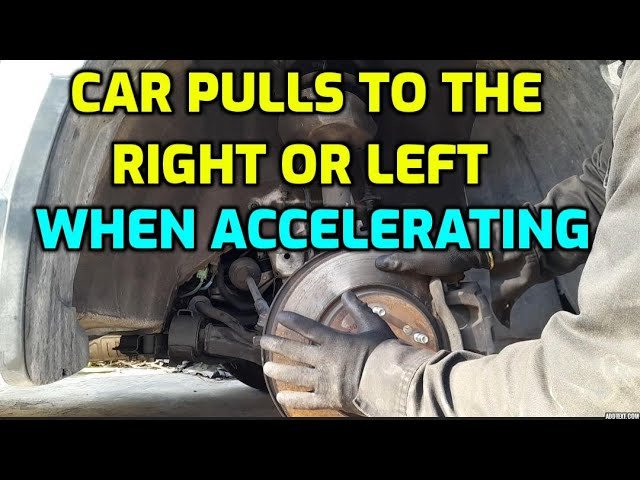
Two Insights Most Jeep Owners Miss
- Aftermarket mods matter: Lifting your Jeep or changing tire sizes often affects alignment. Many drivers don’t realize that even small lifts can shift suspension geometry, making regular alignment checks more important.
- Hidden tire defects: Sometimes, a tire may look fine but have an internal problem (like a shifted belt) that only shows up as a pull. Tire shops can use a “road force” balancer to spot these hidden issues.
When It’s Time To Get Help
If your Jeep still pulls after you’ve checked tires and had an alignment, don’t wait. Ongoing pulling can signal a serious brake or suspension problem.
These issues can become dangerous at highway speeds or in emergency maneuvers.
A certified mechanic can use advanced tools to check things like frame damage, advanced suspension wear, or electronic steering issues. For more technical details, visit the official Jeep Wrangler Wikipedia page.
Frequently Asked Questions
Why Does My Jeep Pull To The Right After New Tires?
It’s possible the new tires have uneven tread or a manufacturing defect. Sometimes, a new tire can have a radial pull due to internal construction. Try swapping the front tires to see if the pull changes direction.
Can Bad Alignment Make My Jeep Unsafe?
Yes, poor alignment can cause steering instability, faster tire wear, and less control—especially in emergency situations.
Will A Lift Kit Make My Jeep Pull To One Side?
Lifting your Jeep changes the suspension’s geometry. If the alignment isn’t corrected after a lift, it can cause pulling or wandering.
How Often Should I Have My Jeep’s Alignment Checked?
Check alignment once a year, or any time you hit a curb, pothole, or notice odd tire wear or pulling.
What’s The Quickest Way To Check If My Tires Are The Problem?
Swap the two front tires left-to-right. If the Jeep starts pulling the other way, one of your tires is likely the cause.
If your Jeep pulls to the right, don’t ignore it. With a few simple checks and knowing when to get help you’ll keep your ride safe and enjoyable, on or off the road.