Why Does My Jeep Jerk When I Accelerate?
Feeling your Jeep jerk when you press the gas can be frustrating and even a little scary. You expect a smooth ride, but instead, your SUV jolts or stutters. This problem doesn’t just ruin your drive—it might mean something is wrong under the hood. The good news is, many Jeep owners face this issue, and you can often find the cause without guessing. Understanding why your Jeep jerks during acceleration can save you time, money, and worry.
Common Reasons Your Jeep Jerks When Accelerating
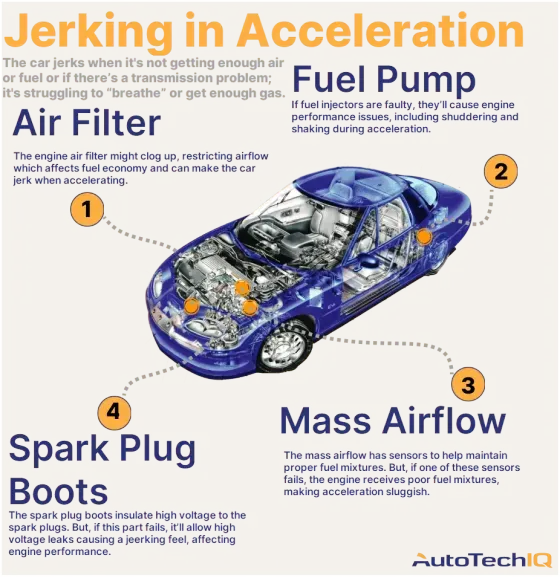
Several things can make your Jeep jerk or hesitate when you accelerate. Some are minor, while others need quick attention. Here’s what usually causes this problem:
1. Dirty Or Failing Fuel Injectors
Fuel injectors spray gasoline into your engine. If they’re clogged, your engine doesn’t get the right amount of fuel. This leads to uneven power and jerking.
2. Faulty Spark Plugs Or Ignition Coils
Spark plugs ignite the fuel-air mix in your engine. If they’re worn out or the ignition coils are weak, you’ll notice misfires these feel like jerks or stumbles.
3. Transmission Problems
If your transmission slips or delays between gears, your Jeep may jerk, especially when shifting from low to high speeds.
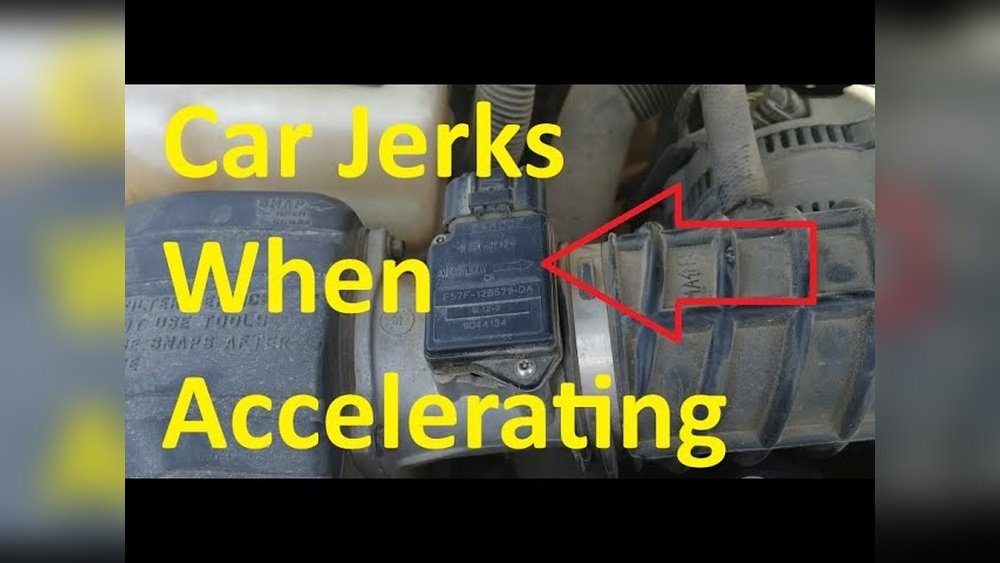
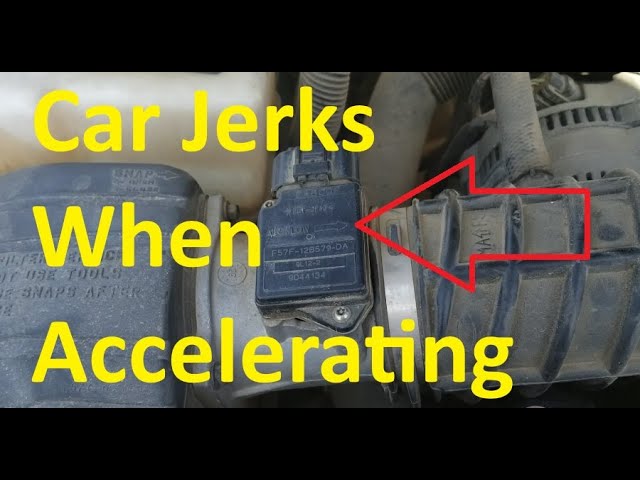
4. Bad Mass Air Flow (maf) Sensor
The MAF sensor measures air entering your engine. If it gives wrong data, your engine won’t run smoothly.
5. Dirty Throttle Body
The throttle body controls how much air enters the engine. Dirt or carbon buildup can restrict airflow and cause hesitation.
6. Worn Or Stretched Timing Chain/belt
If the timing is off, your engine’s pistons and valves don’t work together correctly, which can cause a harsh jerk.
7. Fuel Pump Issues
A weak or failing fuel pump may not supply enough fuel when you accelerate, causing your Jeep to hesitate.
8. Vacuum Leaks
Cracked or loose hoses let extra air into your engine, making it run rough and jerk under load.
Real-world Example
Let’s say you drive a Jeep Grand Cherokee. You notice a jerk each time you merge onto the highway. After a mechanic checks your vehicle, they find a clogged fuel injector. After cleaning or replacing it, the problem disappears.
How To Diagnose The Jerking Issue
Finding the exact cause often takes a process of elimination. Here’s how you or your mechanic can narrow it down:
Step-by-step Diagnosis
1. Check For Warning Lights
If the “Check Engine” light is on, use an OBD-II scanner to read trouble codes. These codes often point to the problem area.
2. Listen And Feel
Notice when the jerking happens. Is it at low speed, highway speed, or only when you press the gas hard? This helps target the issue.
3. Inspect Spark Plugs And Wires
Remove and examine them. If they’re dirty or worn, replace them.
4. Inspect The Air Intake System
Look for cracks or leaks in hoses. Check the air filter and clean or replace it if dirty.
5. Test Fuel System
Mechanics can test fuel pressure to see if the pump or injectors are at fault.
Data Comparison
Here’s a quick look at common Jeep models and where jerking issues usually show up:
| Jeep Model | Year Range | Common Jerking Cause |
|---|---|---|
| Wrangler | 2012-2018 | Faulty spark plugs |
| Grand Cherokee | 2011-2019 | Transmission issues |
| Cherokee | 2014-2020 | MAF sensor problems |
Repair Solutions And Costs
Fixing the jerking problem depends on what’s wrong. Here’s what you might expect to pay in the US:
| Repair Needed | Average Cost (USD) | Difficulty |
|---|---|---|
| Replace Spark Plugs | $100 – $250 | Easy |
| Clean/Replace Fuel Injectors | $150 – $350 | Medium |
| Transmission Repair | $800 – $3,500 | Hard |
| Replace MAF Sensor | $150 – $400 | Easy |
Tip: Address small problems early. Ignoring a minor jerk can lead to bigger, more expensive repairs.
When To See A Mechanic
You might try simple fixes, like changing the air filter or using fuel injector cleaner. But if the jerking is severe, happens often, or comes with other symptoms (like engine knocking or warning lights), see a professional.
Sometimes, a problem that feels minor can mean something serious, like a failing transmission.
Non-obvious insight: Even after replacing parts, a Jeep may keep jerking if the engine control module (ECM) isn’t updated. Ask your mechanic to check for software updates—this is easy to miss and can solve stubborn issues.
Preventing Future Jerking
You can lower the risk of jerks with good habits:
- Follow maintenance schedules in your owner’s manual.
- Use high-quality fuel to avoid deposits and buildup.
- Fix leaks or check engine lights right away.
- Don’t ignore small changes in how your Jeep drives.
Another insight: Sometimes, aftermarket parts (like cheaper spark plugs or sensors) cause more problems than they solve. Stick with OEM (original equipment manufacturer) parts for the best results.
Frequently Asked Questions
Why Does My Jeep Jerk Only When Accelerating Uphill?
Jerking uphill usually means the engine is under more load. Common causes are weak spark plugs, clogged injectors, or transmission slipping when extra power is needed.
Can Bad Gas Cause My Jeep To Jerk?
Yes. Low-quality fuel can cause poor combustion, leading to jerking or hesitation. If you suspect bad gas, try refilling with a known good brand and add a fuel system cleaner.
Is It Safe To Keep Driving If My Jeep Jerks Sometimes?
It’s best to get it checked soon. Occasional jerking can turn into bigger issues if ignored, especially if it’s due to a failing transmission or fuel system problem.
Will A Dirty Air Filter Cause My Jeep To Jerk?
A clogged air filter restricts airflow to the engine. This can cause rough running and jerks, especially during acceleration. Replacing the filter is an easy and cheap fix.
Where Can I Learn More About Common Jeep Issues?
Check the official NHTSA site for recalls and safety issues on your Jeep model.
A jerking Jeep isn’t just annoying it’s your vehicle’s way of asking for help. By understanding the most common causes, knowing how to diagnose the problem, and acting quickly, you can keep your Jeep running strong and safe for miles to come.