It’s a cold morning. You jump into your Jeep, turn the key, and wait for warm air, but nothing happens.
Instead, you get cold air blowing from the vents. This problem is more than just uncomfortable.
It can make driving dangerous, especially with foggy windows and freezing hands.
If your Jeep has no heat, you’re not alone. Many Jeep owners face this issue, especially as their vehicles get older.
Let’s break down the reasons, how to fix them, and what you should know before heading to the mechanic.
Common Causes Of No Heat In A Jeep
When your Jeep’s heater fails, several parts might be responsible. Here are the most frequent reasons:
1. Low Coolant Level
Coolant is essential for heat. If your Jeep is low on coolant, warm air won’t reach the heater core.
Check your coolant reservoir if it’s below the minimum line, top it up with the right mix.
2. Thermostat Failure
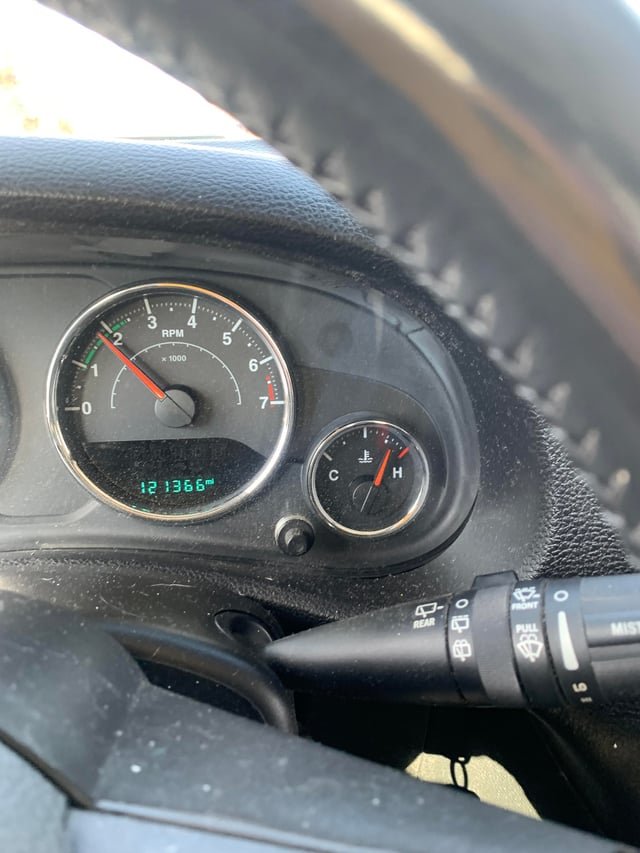
A broken thermostat can keep your engine from warming up. If the gauge stays low, your heater won’t work. Most thermostats last 5-7 years, but they can fail sooner.
3. Heater Core Problems
The heater core acts like a small radiator. If it’s clogged or leaking, hot coolant won’t flow through, so you get no heat. Symptoms include a sweet smell in the cabin or foggy windows.
4. Blower Motor Issues
If the blower motor isn’t working, you’ll feel little or no air from the vents. Sometimes it’s just a blown fuse, but it could be a burnt-out motor.
5. Blend Door Malfunction
Blend doors direct airflow inside your Jeep. If they stick or break, cold air can mix with hot, or the heat might not reach the cabin at all.
6. Faulty Controls
Broken dashboard controls or faulty wiring can prevent the heater from turning on.
7. Air Pockets In Cooling System
Air trapped in the system blocks coolant flow. Bleeding the system can fix this.
Quick Comparison: Common Jeep Heating Problems
| Problem | Symptoms | Estimated Repair Cost |
|---|---|---|
| Low Coolant | Cold air, overheating | $25–$50 |
| Thermostat Failure | Cold engine, no heat | $100–$250 |
| Heater Core Clog | No heat, sweet smell | $350–$900 |
| Blower Motor Issue | No airflow | $150–$300 |
| Blend Door Failure | Unstable cabin temp | $200–$600 |
How To Diagnose Jeep Heating Issues
Start by checking the coolant level. If it’s low, refill and check for leaks. Next, observe the temperature gauge. If it stays cold, the thermostat may be stuck open. Listen for the blower motor. If you hear nothing, check the fuse box. Inspect the heater core for leaks or strange smells.
If your Jeep is older than ten years or has more than 100,000 miles, heater core problems are more likely. Sometimes, parts fail together like a thermostat and heater core so don’t focus only on one component.
Key Data: Jeep Models Most Affected
| Model | Years | Common Issue |
|---|---|---|
| Wrangler | 2007–2017 | Heater core clog |
| Grand Cherokee | 2011–2018 | Blend door failure |
| Liberty | 2008–2012 | Thermostat failure |

What You Can Fix Yourself
Many Jeep owners fix minor heating issues at home. Here are simple steps:
- Check coolant and refill if needed.
- Inspect the thermostat for signs of failure.
- Replace fuses for blower motor and controls.
- Bleed air out of the cooling system using the radiator cap.
Don’t ignore leaks. If you see coolant on the ground or inside the cabin, get professional help.
Heater core replacement is complex and usually best left to experts.
Practical Example
Suppose your 2015 Jeep Grand Cherokee blows cold air. You check the coolant—it’s full. The engine warms up, but still no heat. The most likely cause is a blend door malfunction. On this model, the blend door motor often fails. Replacing it costs around $350 at a shop.
How Heating Problems Affect Safety And Comfort
Driving with no heat is more than a nuisance. Cold air means foggy windows, poor visibility, and even frozen fingers. According to the National Highway Traffic Safety Administration (NHTSA), poor cabin heat can increase accident risk during winter. If your Jeep’s heater fails, fix it quickly.
Preventing Heating Issues
Regular maintenance helps avoid heating problems. Here’s what you should do:
- Check coolant every 6 months.
- Flush the cooling system every 2 years.
- Inspect hoses and heater core annually.
- Listen for strange noises from the blower motor.
- Use the heater regularly, even in summer, to keep blend doors moving.
Maintenance Costs By Task
| Maintenance Task | Frequency | Cost |
|---|---|---|
| Coolant Check | 6 months | $0 (DIY) |
| System Flush | 2 years | $80–$120 |
| Heater Core Inspection | 1 year | $50–$100 |
Two Insights Jeep Owners Often Miss
First, many owners forget that air pockets can block heat even after topping up coolant. Always bleed the system after adding coolant. Second, using the heater just a few minutes every month—even in summer—keeps blend doors and controls from sticking. This simple habit prevents expensive repairs.

When To See A Mechanic
If you have leaks, strange smells, or electrical issues, don’t delay professional help. Heater core replacement can take 4 6 hours and costs up to $900.
For other repairs, mechanics can quickly diagnose the problem using thermal cameras and pressure tests.
If you are unsure, get an expert opinion.
For official Jeep maintenance schedules, visit Jeep Official Vehicle Care.
Frequently Asked Questions
Why Does My Jeep Blow Cold Air Even When The Engine Is Hot?
Usually, this means your blend door is stuck, or your heater core is clogged. If your coolant is full and the engine is warm, check these parts next.
Can Low Coolant Cause No Heat In My Jeep?
Yes. Low coolant means less hot fluid reaches the heater core, so you get cold air. Always check for leaks if you need to refill often.
How Do I Know If My Heater Core Is Bad?
Common signs are sweet smells in the cabin, foggy windows, and coolant leaks on the floor. If you see these, your heater core may need replacement.
Are Heating Problems Common In Older Jeeps?
Yes. Jeeps over ten years old or with high mileage often have heater core, thermostat, or blend door issues. Regular maintenance helps prevent these problems.
Is It Safe To Drive My Jeep With No Heat?
It’s unsafe in cold weather. Foggy windows reduce visibility, and you risk engine damage if coolant is low. Always fix heating issues quickly.
Fixing your Jeep’s heating system is important for comfort and safety. With these tips, you can diagnose most issues and know when to ask for expert help. Stay warm and safe on every drive.