Rubber ducks on Jeeps are part of an optional owner-community tradition. The explanation should cover the friendly idea, safe placement and the fact that nobody has to participate.
Quick Answer
Jeep ducking is an optional owner-community gesture. A person leaves a small rubber duck and a friendly note for another Jeep owner.
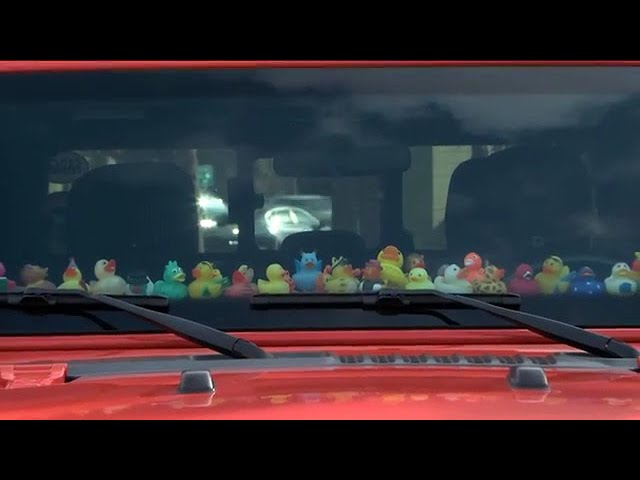
Keep the item visible but away from the windshield, mirrors, controls and painted surfaces that may scratch.
The Tradition Is About a Small Kind Gesture
Jeep’s regional ducking page describes a rubber duck and friendly note left for another Jeep owner. The point is a smile, not a requirement or contest.
Participation Stays Optional
Some owners enjoy collecting ducks and some do not. Leave the item without expecting a response and avoid judging an owner who chooses not to take part.
Choose a Safe Placement
A duck should not block the windshield, mirrors, wipers, pedals or door operation. Use a stable visible area and do not wedge an item into a delicate trim gap.
Protect the Other Vehicle
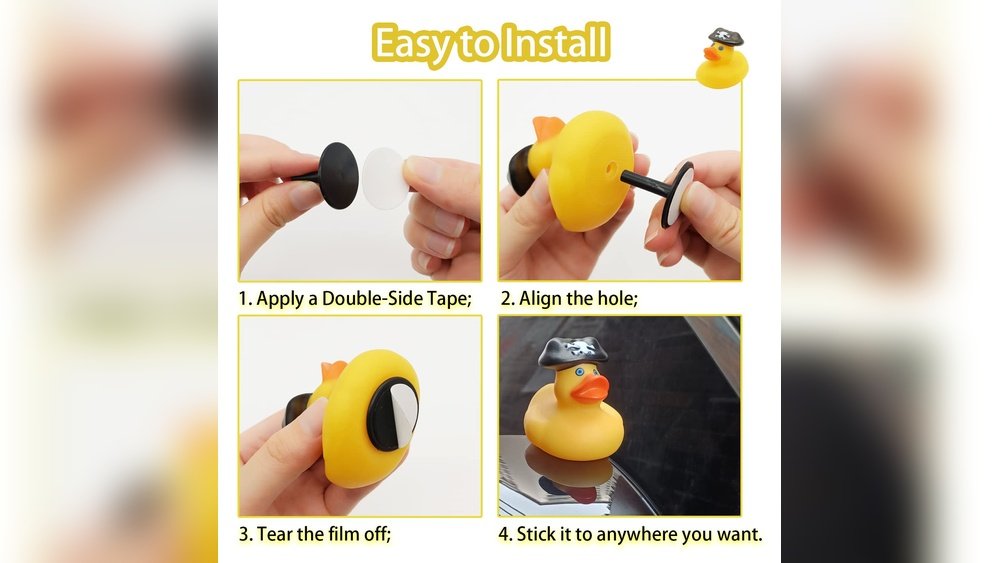
Avoid adhesives, magnets on uncertain paint areas, sharp edges and anything that may leave residue. A friendly gesture should not create a cleaning or repair problem.
Keep Notes Friendly and Short
A brief positive message works better than personal contact requests or promotional material. The tradition should feel welcoming and low-pressure.
What Ducking Means
Jeep’s official ducking page describes leaving a small rubber duck and a kind note on another Jeep as an optional act of friendliness. Keep the gesture simple and safe.
Safety and Courtesy Rules
Do not block the windshield, touch delicate paint areas or leave an item where it could fall near controls. Participation is optional for both people.
A Friendly Note Is Enough
A simple message such as “You have been ducked” keeps the tradition easy to understand. Avoid personal requests, advertising and anything that pressures the owner to respond.
Do Not Create a Visibility Problem
Choose a spot that is visible when the owner returns but does not obstruct glass, mirrors, wipers or controls. Safety matters more than a photo opportunity.
Respect Owners Who Ignore the Trend
Some people enjoy collecting ducks; others prefer a clean dashboard. The custom stays positive only when participation remains optional.
Key Details to Check
| Item | What to verify | Why it matters |
|---|---|---|
| Duck size | Small, clean and lightweight | Reduces the chance of damage or distraction |
| Placement | Visible area away from driver controls | Keeps the gesture safe |
| Note | Short friendly message | Makes the intent clear |
| Choice | No expectation of participation | Respects every owner |
Pick a Duck That Will Not Create a Problem
Use a small, clean, lightweight rubber duck. Avoid sharp accessories, loose glitter, adhesives and anything that could scratch paint.
The gesture should be easy for the owner to remove.
Choose Placement With Visibility in Mind
Do not place the duck on the windshield, mirror, wiper path or door handle where it may fall. Use a visible stable spot away from controls and delicate trim.
Write a Friendly Note
A short positive note explains the gesture. Skip sales messages, requests for contact details and anything that pressures the owner to post online.
Respect Owners Who Do Not Participate
Ducking is optional. Some owners enjoy it, others prefer not to collect items on their vehicles.
Leave the duck politely and move on without expectation.
Keep the Tradition Low-Key
The custom works because it is simple. A clean duck, a kind note and safe placement are enough.
Extra rules make a friendly habit less welcoming.
Avoid Weather-Sensitive Placement
Do not leave a duck where wind, rain or heat may send it onto the road or into a sensitive area. Pick a stable spot and keep the note protected enough for a short parking-lot stay.
Keep the Note Appropriate for Any Owner
Use a positive message suitable for a stranger. Avoid jokes that may be misunderstood, personal contact requests and promotional links. The tradition should feel welcoming.
Clean Reused Ducks Before Sharing
A duck stored in a vehicle may collect dust or residue. Wipe it clean before placing it on another Jeep.
A small hygiene step keeps the gesture considerate.
Do Not Leave Food or Candy With the Duck
Food may melt, attract insects or create a mess on another vehicle. Keep the gesture limited to a clean duck and a simple note.
A low-maintenance gift is easier for every owner to accept.
Use a Small Storage Bag
Keep clean ducks and notes in a simple bag inside your Jeep. This prevents dirt, loose items and melted materials from collecting around the cabin while keeping the tradition easy to join.
Step-by-Step Review
- Choose a clean lightweight duck.
- Write a brief friendly note.
- Pick a safe visible spot away from controls and glass visibility.
- Avoid adhesives and delicate paint areas.
- Leave without expecting a response.
Common Mistakes to Avoid
- Blocking the windshield or mirrors
- Using glue or tape on the vehicle
- Treating participation as mandatory
- Adding a sales message or personal request
Frequently Asked Questions
Do all Jeep owners participate in ducking?
No. Ducking is optional and should stay low-pressure.
Where should a duck be placed?
Use a safe visible area that does not block visibility or touch controls.
Should I attach the duck with tape?
Avoid adhesives that may leave residue or damage surfaces.
Final Takeaway
Jeep ducking works best as a small optional act of kindness. Use safe placement, a friendly note and no expectation that another owner must participate.