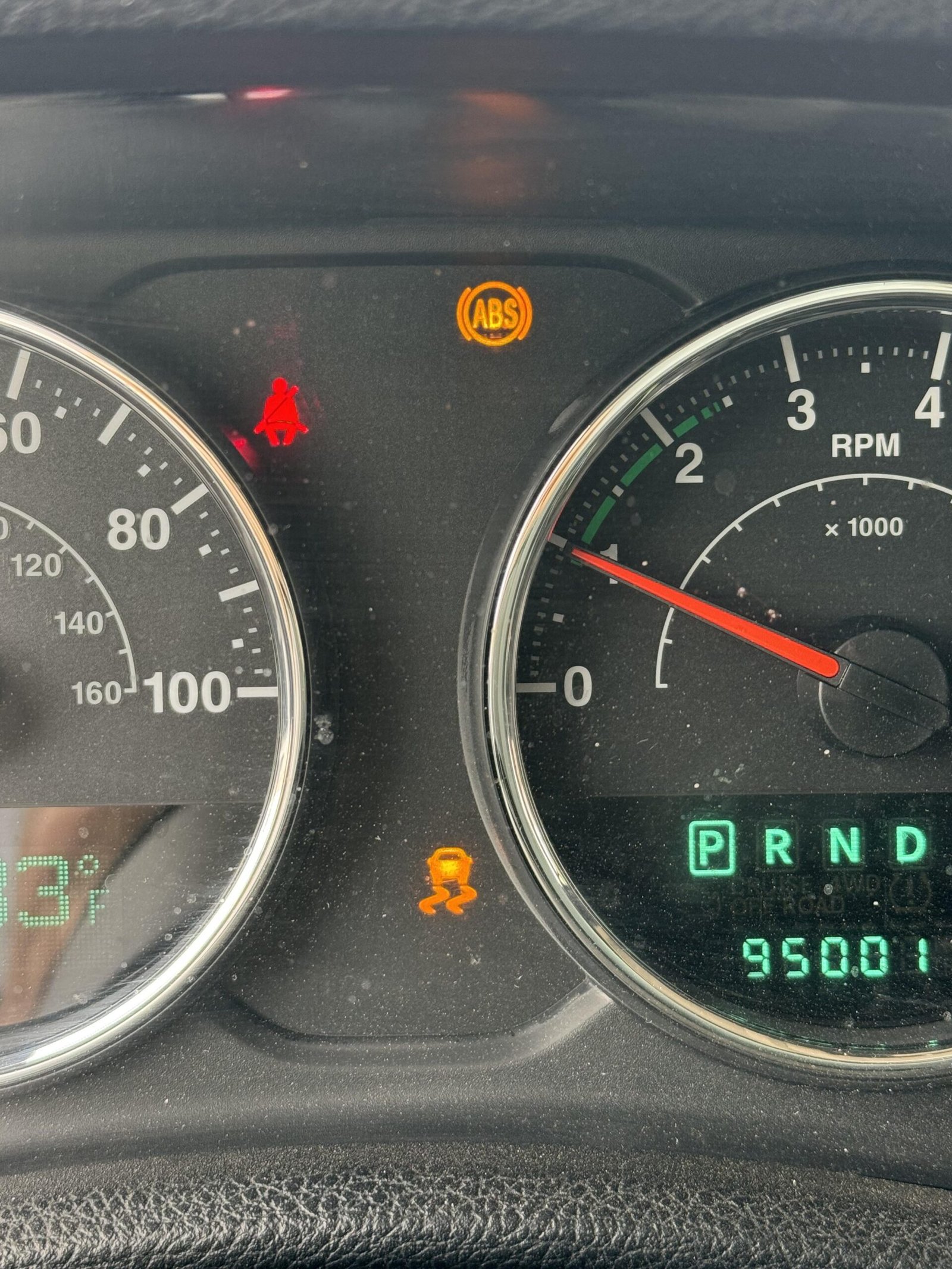
The right answer about Wrangler ABS and traction-control warning diagnosis depends on configuration, condition, and the reason you are researching the question. This article answers Why Are My Jeep Wranglers ABS Traction Control Lights On with a practical checklist.
For Wrangler ABS and traction-control warning diagnosis, start with the VIN, model year, engine, trim, drivetrain, mileage, and any aftermarket changes. Those details keep the Wrangler ABS and traction-control warning diagnosis advice tied to the correct Jeep Wrangler.
Quick Answer
Understand Wrangler ABS and traction-control warning diagnosis by separating the basic concept from model-year differences. Confirm the exact Jeep before making a repair, purchase, or driving decision.
What Owners Should Understand
Start Wrangler ABS and traction-control warning diagnosis research with the exact Jeep and the reason the question matters.
For Wrangler ABS and traction-control warning diagnosis, a daily-driver decision, a trail plan, a purchase comparison, and a repair all need different levels of detail.
| Check | What to verify | Why it matters |
|---|---|---|
| Exact Warning Lights | Write down the exact dashboard message and when it appears. | For Wrangler ABS and traction-control warning diagnosis, for Wrangler ABS and traction-control warning diagnosis, this point narrows the Wrangler ABS and traction-control warning diagnosis decision and reduces guesswork. |
| Battery Voltage | Test voltage and inspect the connections before blaming another part of the Jeep Wrangler. | A basic electrical fault may imitate a more expensive component failure. |
| Wheel-Speed Sensors | For Wrangler ABS and traction-control warning diagnosis, inspect the connector and wiring, then compare symptoms with scan data before replacing the sensor. | For Wrangler ABS and traction-control warning diagnosis, this point narrows the Wrangler ABS and traction-control warning diagnosis decision and reduces guesswork. |
| Wiring And Connectors | Inspect connectors, routing, chafing points, and previous accessory work before replacing a module. | A basic electrical fault may imitate a more expensive component failure. |
| Stored Abs Codes | Record stored codes and freeze-frame information before clearing anything. | This point narrows the Wrangler ABS and traction-control warning diagnosis decision and reduces guesswork. |
Practical Review Steps
- Record exact warning lights before clearing warnings or disconnecting power.
- For Wrangler ABS and traction-control warning diagnosis, test battery voltage with the right meter or circuit method and save the reading.
- Check wheel-speed sensors and note how it changes the Wrangler ABS and traction-control warning diagnosis decision.
- Check wiring and connectors and note how it changes the Wrangler ABS and traction-control warning diagnosis decision.
- Record stored abs codes before clearing warnings or disconnecting power.
Common Mistakes to Avoid
- Replacing sensors without scan data.
- Ignoring tire-size differences.
- Clearing codes too soon.
Apply the Answer to Your Jeep
Use the result from Wrangler ABS and traction-control warning diagnosis to make one clear next decision: verify a label, inspect a component, compare a quote, book a test drive, or read the model-year manual. That keeps the review useful instead of vague.
Model-Year and Modification Notes
Factory equipment is the baseline for Wrangler ABS and traction-control warning diagnosis, but previous owners may have changed the answer.
For Wrangler ABS and traction-control warning diagnosis, different tires, suspension parts, audio wiring, batteries, tow equipment, software, replacement modules, or engine work may alter the correct procedure.
For Wrangler ABS and traction-control warning diagnosis, photograph labels and relevant components on the Jeep Wrangler before making changes. Keep receipts, measurements, warning messages, and scan results with the maintenance file.
Decision Record
| Detail | What to record | How it helps |
|---|---|---|
| Vehicle identity | VIN, year, trim, engine, drivetrain, and mileage | Connects the answer to the correct Jeep Wrangler |
| Current evidence | Symptoms, measured values, photos, labels, or quote details | Separates facts from assumptions about Wrangler ABS and traction-control warning diagnosis |
| Recent changes | Repairs, weather, accessories, tires, towing, or battery work | Shows what changed before the question appeared |
| Next action | The next inspection, manual check, quote, scan, or safe test | Keeps the process organized |
Frequently Asked Questions
Does Wrangler ABS and traction-control warning diagnosis work the same on every Jeep?
No. For Wrangler ABS and traction-control warning diagnosis, the correct answer may change by year, trim, engine, drivetrain, factory option, and previous modification.
Confirm the exact Jeep Wrangler before using a part number, capacity, or procedure.
What should I check first for Wrangler ABS and traction-control warning diagnosis?
Start with exact warning lights, then review battery voltage. For Wrangler ABS and traction-control warning diagnosis, those checks create useful evidence before you spend money or move to a more complicated step.
When should a professional inspect Wrangler ABS and traction-control warning diagnosis?
For Wrangler ABS and traction-control warning diagnosis, choose professional help when the job affects safety, programming, advanced electrical diagnosis, major disassembly, alignment, machine work, or the way the Jeep drives.
Before You Spend Money on Wrangler Abs And Traction-Control Warning Diagnosis
Choose the next action that produces evidence. For Wrangler ABS and traction-control warning diagnosis, for the Jeep Wrangler, that may be a VIN lookup, label check, cold-start inspection, scan report, written quote, pressure test, alignment reading, or safe parked test.
For Wrangler ABS and traction-control warning diagnosis, buying a part at random may hide the real issue and increase the final cost.
Review the result after the next drive, fill-up, quote, or service visit. A short note about Wrangler ABS and traction-control warning diagnosis helps you spot a pattern and gives a technician better information when the question needs deeper diagnosis.
How to Interpret the First Inspection
Start with exact warning lights. Write down the exact dashboard message and when it appears.
For Wrangler ABS and traction-control warning diagnosis, if the result looks normal, move to battery voltage and compare the evidence rather than changing parts at random.
Next, review wheel-speed sensors. For Wrangler ABS and traction-control warning diagnosis, inspect the connector and wiring, then compare symptoms with scan data before replacing the sensor.
For Wrangler ABS and traction-control warning diagnosis, this step often separates a simple ownership question from a repair that needs deeper testing.
The first inspection does not need to solve every part of Wrangler ABS and traction-control warning diagnosis. For Wrangler ABS and traction-control warning diagnosis, its job is to identify the safest and most useful next step for the Jeep Wrangler.
Practical Notes for Wrangler Abs And Traction-Control Warning Diagnosis
Keep the first inspection simple and repeatable. For Wrangler ABS and traction-control warning diagnosis, work in daylight, use a level surface when measurements matter, and avoid changing several parts at once.
One controlled change makes the result easier to understand.
For Wrangler ABS and traction-control warning diagnosis, note the date, mileage, weather, road conditions, and recent repairs when they may affect the outcome.
For Wrangler ABS and traction-control warning diagnosis, this record turns a one-time search into a useful ownership reference for the Jeep Wrangler.
Owner Review Before the Next Step
Recheck exact warning lights, battery voltage, and wheel-speed sensors before making the next decision about Wrangler ABS and traction-control warning diagnosis.
For Wrangler ABS and traction-control warning diagnosis, the first pass may reveal a missing label, a recent repair, or a configuration detail that changes the correct answer.
Keep the review focused on the Jeep Wrangler. Use one verified observation to choose the next action, then record the result.
For Wrangler ABS and traction-control warning diagnosis, this method avoids changing several variables at once and makes later service discussions more productive.
Final Takeaway
Wrangler abs and traction-control warning diagnosis deserves an answer tied to the exact Jeep. For Wrangler ABS and traction-control warning diagnosis, confirm the configuration, inspect the relevant evidence, and choose the next step from what you can verify.
Use the model-year manual, labels, VIN-specific information, and qualified service support where needed. That approach makes the page useful for owners researching Why Are My Jeep Wranglers ABS Traction Control Lights On without filling the article with guesses.