The story of Jeep is a journey through American history, innovation, and the changing face of the automobile industry. Many people know Jeep as the tough, rugged brand famous for off-road vehicles, but few understand its complex ownership past.
From wartime roots to global automaker, Jeep’s path includes government contracts, fierce competition, and several different owners. If you’ve ever wondered “Who used to own Jeep?”
you’ll find that the answer is as interesting as the vehicles themselves.
Jeep’s Origins: Built For War
Jeep’s story starts in the early 1940s when the US military needed a small, strong, all-terrain vehicle. The government called for proposals, and three companies answered: Bantam, Willys-Overland, and Ford.
- Bantam designed the original prototype but was too small to produce enough vehicles.
- Willys-Overland and Ford both built Jeeps for the military based on Bantam’s design.
The US military gave the production contract to Willys-Overland, but Ford also made thousands of Jeeps during World War II. The word “Jeep” itself became famous as a symbol of American engineering.
Willys-overland Era
After the war, Willys-Overland kept producing Jeeps for civilians. This was the first major owner of the Jeep brand. Willys trademarked the Jeep name and started selling models like the CJ (Civilian Jeep) for farms and work sites. By the late 1940s and 1950s, Jeep was a trusted name for off-road vehicles.
However, Willys-Overland struggled financially. The company tried to expand its lineup but couldn’t compete with larger automakers.
The Kaiser Years
In 1953, Kaiser Motors bought Willys-Overland and changed the name to Willys Motors. By 1963, they renamed the company Kaiser-Jeep to focus on the Jeep brand. During this era, Jeep expanded its models and introduced the Wagoneer, the first luxury 4×4 SUV.
Kaiser invested in Jeep’s image as a go-anywhere vehicle. They also developed military Jeeps and exported vehicles globally.
Still, Kaiser-Jeep was a small player compared to giants like Ford and General Motors.
American Motors Corporation (amc) Ownership
In 1970, American Motors Corporation (AMC) bought Kaiser-Jeep. AMC saw Jeep as a way to compete in the growing SUV market. Under AMC, Jeep launched successful models like the Cherokee and Grand Wagoneer.
AMC invested in technology and marketing. Their focus on innovation helped Jeep grow, but AMC itself faced financial trouble by the 1980s.
The company was small and couldn’t match the resources of bigger automakers.

Chrysler’s Acquisition
In 1987, Chrysler Corporation purchased AMC, mainly to get the Jeep brand. Jeep became part of one of the largest US automakers. Chrysler invested heavily in Jeep, launching new models and improving quality.
Here’s a simple comparison of Jeep’s major owners and key models launched:
| Owner | Years | Notable Models |
|---|---|---|
| Willys-Overland | 1941–1953 | CJ Series |
| Kaiser-Jeep | 1953–1970 | Wagoneer, Gladiator |
| AMC | 1970–1987 | Cherokee, Grand Wagoneer |
| Chrysler | 1987–1998 | Grand Cherokee |
Daimler, Cerberus, And Fiat-chrysler Era
Jeep’s journey didn’t stop with Chrysler. In 1998, Daimler-Benz merged with Chrysler, forming DaimlerChrysler AG. The goal was to create a global powerhouse, but the cultures clashed. By 2007, Daimler sold Chrysler to Cerberus Capital Management, a private equity firm.
Cerberus struggled during the 2008 financial crisis, and Chrysler (with Jeep) needed a bailout. In 2009, Fiat S.p.A. became the new owner, forming Fiat Chrysler Automobiles (FCA). Jeep thrived under FCA, launching models like the Renegade and expanding into new markets.
Here’s a quick look at Jeep’s owners during these years:
| Owner | Years | Major Event |
|---|---|---|
| DaimlerChrysler | 1998–2007 | Global merger |
| Cerberus | 2007–2009 | Financial crisis |
| Fiat Chrysler | 2009–2021 | Global expansion |
Stellantis: The Current Owner
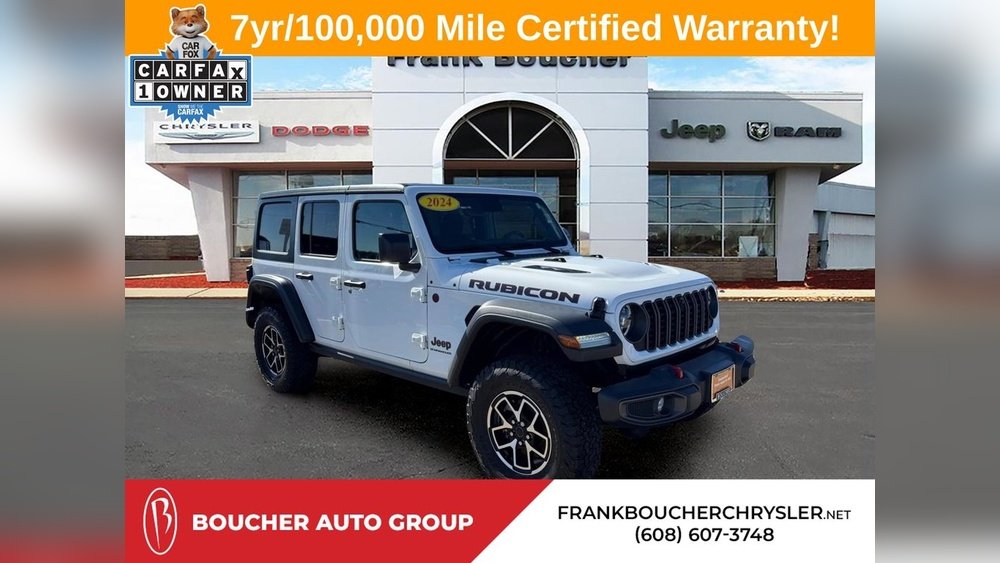
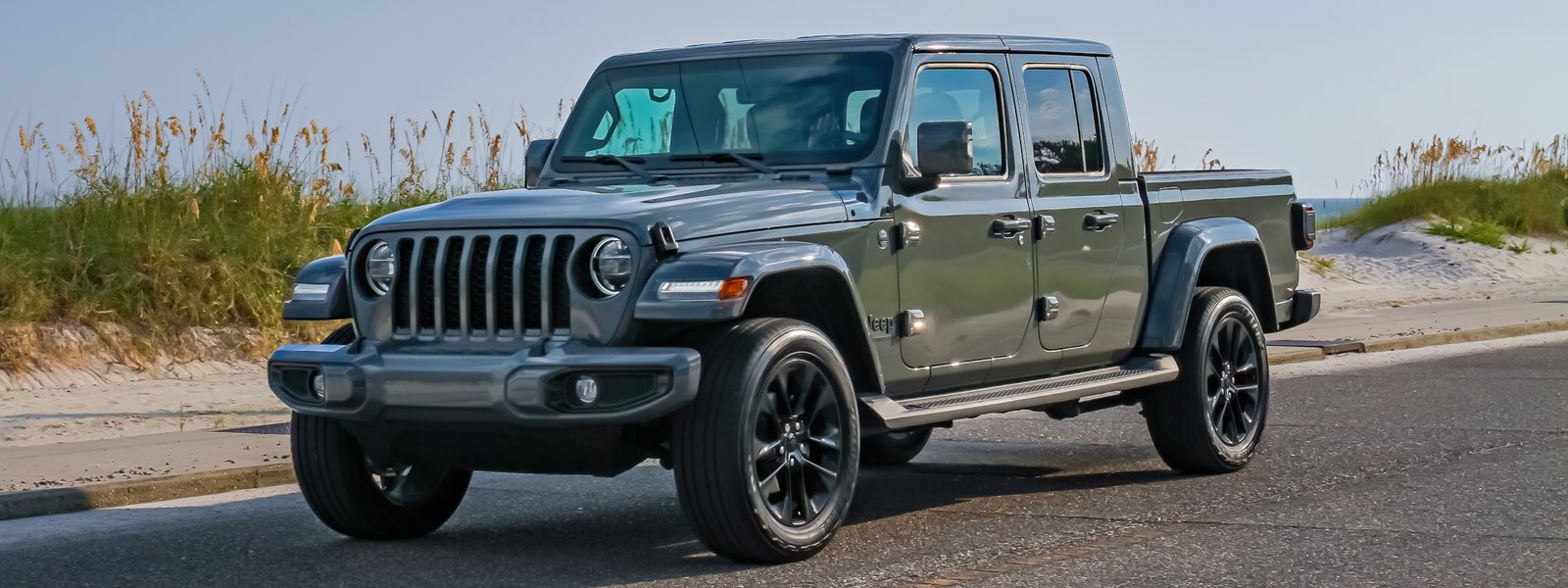
In 2021, FCA merged with PSA Group (makers of Peugeot, Citroën, Opel) to form Stellantis N.V. Now, Stellantis owns Jeep along with 15 other brands. Jeep remains a key part of Stellantis’s strategy, especially for SUVs and electric vehicles.
A quick timeline helps make sense of Jeep’s many owners:
| Year | Owner |
|---|---|
| 1941 | Willys-Overland |
| 1953 | Kaiser Motors |
| 1970 | AMC |
| 1987 | Chrysler |
| 1998 | Daimler-Benz |
| 2007 | Cerberus |
| 2009 | Fiat |
| 2021 | Stellantis |
Insights Most People Miss
- Wartime origins shaped Jeep’s DNA. Jeep was born from necessity, which explains the brand’s ongoing focus on durability and off-road ability. Many brands claim “rugged,” but Jeep’s history makes it unique.
- Ownership changes influenced Jeep’s direction. Each owner brought new technology, markets, and design ideas. For example, AMC gave Jeep the Cherokee, Chrysler pushed the Grand Cherokee, and Fiat brought global reach.
Final Thoughts
Understanding who used to own Jeep explains why the brand looks and feels the way it does today. Jeep survived world wars, economic crises, and the struggles of small automakers.
Each owner left a mark, helping shape Jeep into a global symbol of freedom and adventure.
For car fans, Jeep’s history is more than a list of owners it’s the story of American innovation and global ambition.
If you’re interested in more about Jeep’s history, you can visit the Wikipedia Jeep page for deeper details.
Frequently Asked Questions
Who Was The Original Owner Of Jeep?
Willys-Overland was the first civilian owner. They produced the Jeep after World War II and trademarked the name for commercial use.
Did Ford Ever Own Jeep?
No, Ford never owned Jeep. They built Jeeps for the US military during World War II, but the brand was owned by Willys-Overland.
When Did Chrysler Buy Jeep?
Chrysler acquired Jeep in 1987 when it bought American Motors Corporation (AMC), mainly to get the valuable Jeep brand.
Who Owns Jeep Today?
Today, Stellantis N.V. owns Jeep. Stellantis was formed in 2021 after a merger between Fiat Chrysler Automobiles and PSA Group.
What Made Jeep Different From Other Suvs?
Jeep’s military roots and focus on off-road ability set it apart. The brand’s design and engineering are built for tough conditions, unlike many SUVs made mainly for city use.