The name Jeep is known around the world for rugged, off-road vehicles. Many people see a Jeep on the road and wonder, “Who actually makes Jeep vehicles?”
The answer is simple on the surface, but there’s more to the story. Jeep is not just a car brand—it’s a symbol of adventure, history, and American engineering.
Let’s explore who makes Jeep, where they are built, and how Jeep became the brand it is today.
The Company Behind Jeep
Today, Jeep vehicles are made by Stellantis, a global automotive company. Stellantis was formed in 2021 after merging Fiat Chrysler Automobiles (FCA) with the French group PSA. This makes Stellantis one of the largest car companies in the world. Stellantis owns many brands, but Jeep is one of its strongest names.
Jeep’s main headquarters is in Toledo, Ohio, USA. Some Jeep models are made in America, but Stellantis produces Jeeps in other countries too. This helps Jeep reach customers worldwide.
Jeep’s History And Ownership
Jeep’s story began during World War II. The US Army needed a light, tough vehicle for soldiers. The first Jeeps were built by Willys-Overland and Ford. After the war, Willys kept the Jeep name and started making civilian versions.
Over the years, Jeep changed hands several times:
- Willys-Overland became Kaiser Jeep in 1963.
- American Motors Corporation (AMC) bought Jeep in 1970.
- Chrysler acquired AMC (and Jeep) in 1987.
- Chrysler merged with Daimler-Benz in 1998, becoming DaimlerChrysler.
- After some changes, Chrysler became part of Fiat Chrysler Automobiles (FCA) in 2014.
- In 2021, FCA merged with PSA to form Stellantis.
This history shows Jeep’s ability to survive and grow, no matter who owns the company.

Where Jeeps Are Made
Jeep vehicles are built in several countries. Most models for the US are made in America, but some Jeeps come from other factories worldwide. Here’s a look at major Jeep production sites:
| Model | Main Factory Location | Country |
|---|---|---|
| Wrangler | Toledo Assembly Complex | USA |
| Grand Cherokee | Detroit Assembly Complex | USA |
| Compass | Goiana Plant | Brazil |
| Renegade | Melfi Plant | Italy |
| Gladiator | Toledo Assembly Complex | USA |
The Jeep Wrangler and Jeep Gladiator are made in Ohio. The Grand Cherokee comes from Detroit, Michigan. Some smaller Jeeps, like the Renegade and Compass, are built in Italy, Brazil, China, and India, depending on the market.
What Makes Jeep Unique
Jeep isn’t just about cars—it’s about a style and spirit. Here are some things that set Jeep apart:
- Off-road ability: Most Jeep models have strong 4×4 systems and high ground clearance.
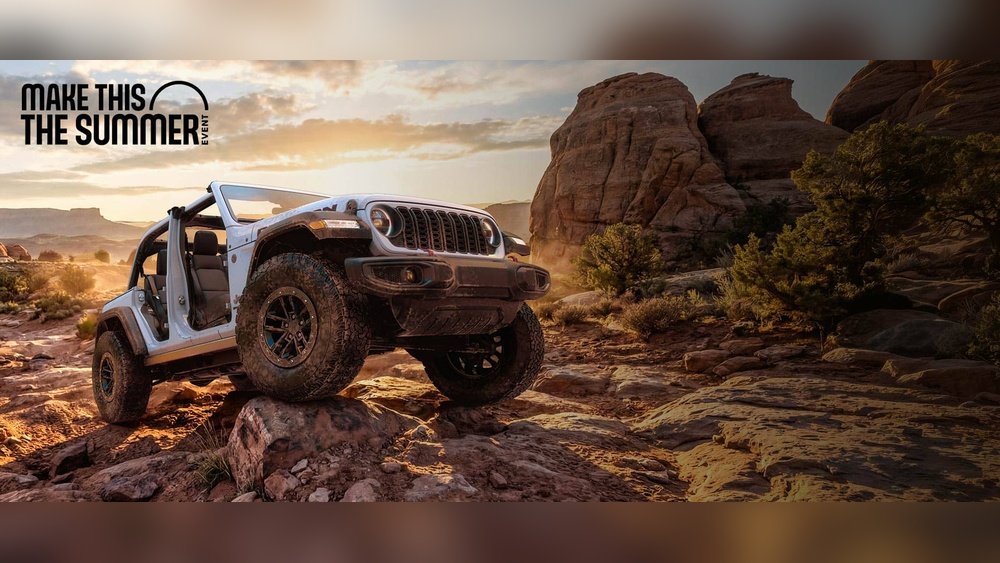
- Iconic design: The seven-slot grille and round headlights are classic Jeep features.
- Heritage: Jeep’s history goes back over 80 years.
- Community: Jeep owners have a worldwide fan community.
Many car brands try to match Jeep’s off-road skills, but few succeed. For example, the Wrangler is famous for tackling the hardest trails.
Jeep’s Model Range
Jeep offers a variety of models for different needs. Some are built for tough off-road use, while others are comfortable for families. Here’s a quick look at the main Jeep models:
| Model | Type | Key Strength |
|---|---|---|
| Wrangler | Compact SUV | Extreme off-road |
| Grand Cherokee | Midsize SUV | Luxury and power |
| Compass | Compact SUV | Urban and adventure |
| Renegade | Subcompact SUV | Small and agile |
| Gladiator | Pickup truck | Off-road with truck bed |
Jeep also makes the Cherokee, Wagoneer, and several special editions. The brand is expanding into electric and hybrid vehicles, like the Jeep Wrangler 4xe.
Stellantis: The Parent Company
As Jeep’s parent, Stellantis manages over 14 car brands. It was created to combine the strengths of Fiat Chrysler and PSA. Stellantis is now the world’s fourth-largest carmaker by sales.
The company focuses on:
- Innovation: New electric and hybrid Jeeps are in development.
- Global reach: Jeep is sold in over 140 countries.
- Quality: Factories use advanced technology for production.
Stellantis gives Jeep the support to grow in new markets and keep its strong reputation.

Surprising Details About Jeep Production
Many people think all Jeeps are made in the USA, but that’s not true. For example, the Jeep Renegade is mostly built in Italy and Brazil. This helps the company offer Jeeps at different price points and meet local rules.
Another lesser-known fact: Jeep’s parent companies have changed often, but Jeep’s core design ideas have stayed the same. Even with new owners, Jeep continues to focus on toughness and off-road skill.
Jeep’s Global Presence
Jeep sells vehicles in nearly every region, from North America to Asia. In some markets, Jeeps are adapted for local needs.
For example, Indian Jeeps may use different engines to fit local taxes.
Below is a comparison of Jeep’s popularity in several regions.
| Region | Popular Model | Market Share (%) |
|---|---|---|
| North America | Wrangler | 7.5 |
| Europe | Renegade | 1.2 |
| Asia | Compass | 0.8 |
| South America | Compass | 2.0 |
| Australia | Grand Cherokee | 0.6 |

Frequently Asked Questions
Who Owns Jeep?
Jeep is owned by Stellantis, an international car company created from the merger of Fiat Chrysler Automobiles and PSA Group.
Are All Jeep Vehicles Made In The Usa?
No, not all Jeeps are made in the USA. Some models are built in Italy, Brazil, India, and China for local and international markets.
Which Jeep Model Is The Most Popular?
The Jeep Wrangler is often the most recognized and popular, especially in North America. The Grand Cherokee and Compass are also top sellers worldwide.
Does Jeep Make Electric Vehicles?
Yes, Jeep has started making electric and hybrid models, such as the Jeep Wrangler 4xe plug-in hybrid. More electric Jeeps are planned for the future.
Where Can I Learn More About Jeep’s History?
You can read more on the Jeep Wikipedia page, which offers deep details about Jeep’s journey.
Jeep vehicles are built with a mix of tradition and modern technology, supported by one of the world’s largest car companies. Whether you drive a classic Wrangler or a city-ready Renegade, you’re part of a long story of adventure and innovation.